




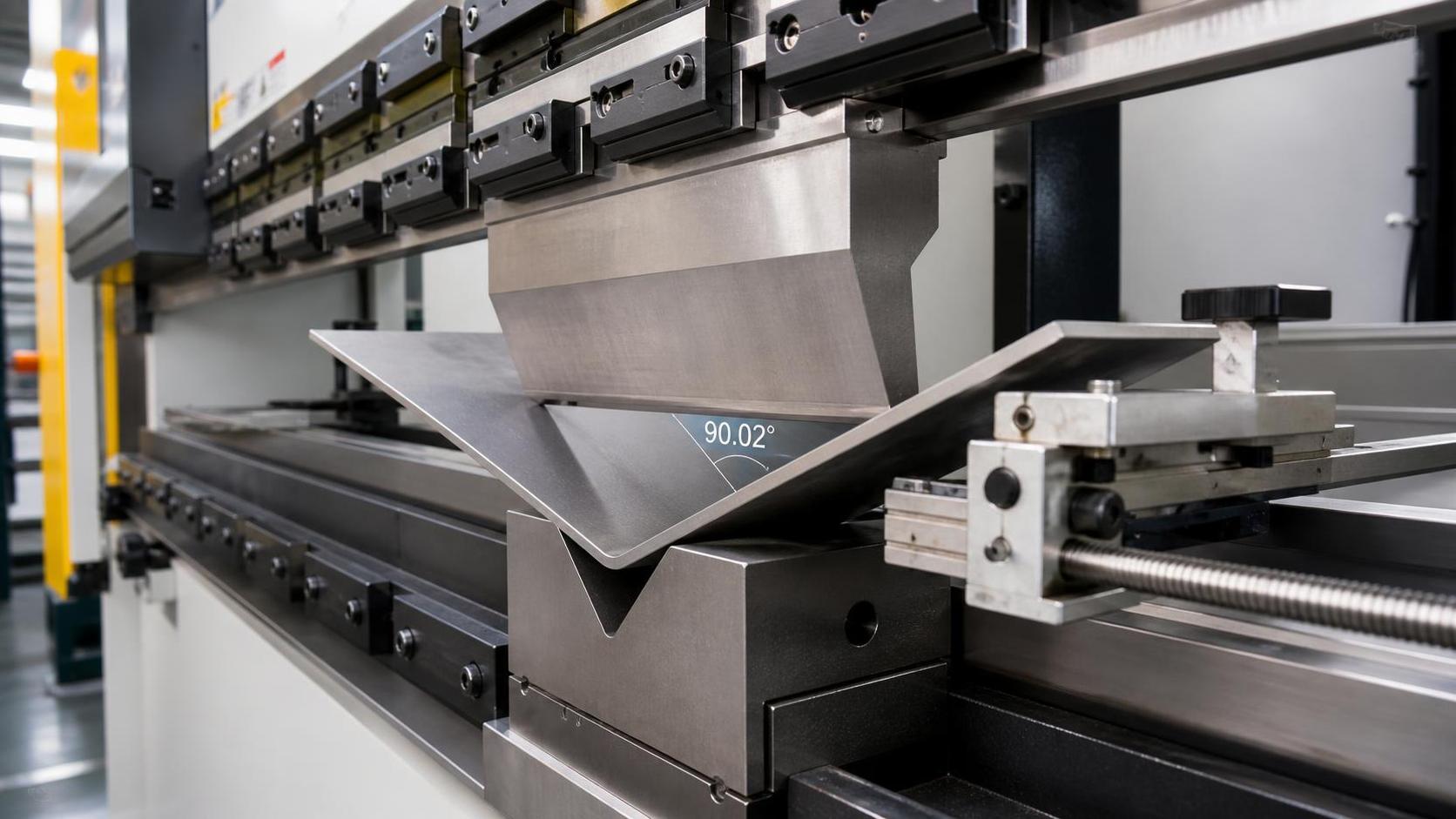
Plate Bending Machine: The 2026 Ultimate Industry Guide to Types, Applications & Selection Criteria
What Is A Plate Bending Machine?
A plate bending machine is a specialized metal forming system engineered to plastically deform flat steel, stainless, aluminum, or high-strength alloy plates into precise curved profiles—such as cylinders, cones, toroids, or segmented arcs—without compromising structural integrity or surface finish. Unlike general-purpose press brakes, dedicated plate bending machines integrate synchronized roll geometry, adaptive force distribution, and real-time feedback control to manage large-format workpieces (up to 40+ mm thick and 12 m long) under controlled strain conditions.
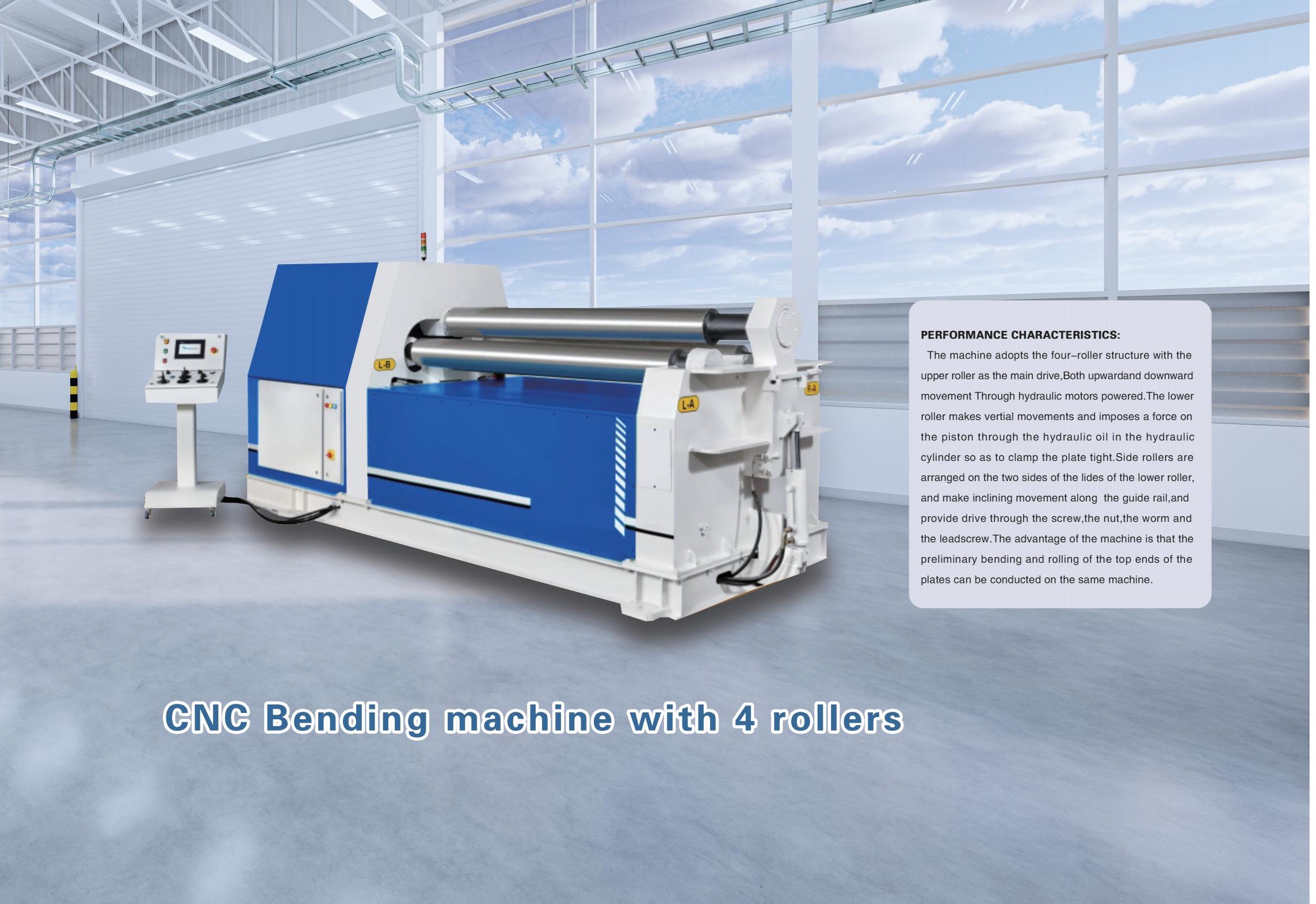
Industrial-grade plate bending machines operate on three primary mechanical principles: three-roll (pyramid or symmetric), four-roll (precision pre-bending), and multi-axis CNC roll bending. Each configuration addresses distinct requirements for end-closure integrity, minimal flat zones, and springback compensation—especially critical when processing ASTM A516, S355J2, or DH36 marine-grade plates.
The term 'plate bending machine' encompasses both standalone roll benders and integrated lines—including those combined with edge milling, pre-heating, or robotic handling—as defined by ISO 857-1 (welding and allied processes) and EN 12900 (machinery safety for metalworking equipment). Precision is quantified by angular deviation (< ±0.15°), radial tolerance (±0.3 mm over 3 m arc), and surface waviness (Ra ≤ 3.2 µm post-bending).
Why Choose A Professional Plate Bending Machine?
Manual or improvised bending methods introduce unacceptable risks: inconsistent curvature causing weld misalignment, excessive cold working leading to micro-cracking in HSLA steels, and dimensional drift requiring costly rework. A purpose-built plate bending machine eliminates these variables by delivering repeatable, data-locked deformation—directly impacting fabrication speed, weld quality, and final assembly accuracy.
Wuxi Samgins’ plate bending solutions—particularly its CNC-controlled hydraulic roll benders and heavy-duty 4-roll systems—are engineered to support full production workflows alongside complementary equipment like edge milling machines, face milling units, and welding positioners. This interoperability reduces handling cycles, minimizes positional error between machining and forming stages, and enables seamless transition from raw plate to pressure-vessel-ready shell sections.
Compared to generic alternatives, Wuxi Samgins integrates world-class servo-hydraulic actuators, Siemens or Bosch Rexroth CNC controls, and real-time load monitoring—ensuring consistent torque delivery across the entire roll contact zone. This translates to tighter radius control, reduced post-bend straightening, and verified compliance with ASME Section VIII Div. 1 and EN 13445 design codes for fabricated vessels and structural components.
Who Uses Plate Bending Machines?
Plate bending machines serve Tier-1 fabricators, EPC contractors, OEMs, and specialty workshops operating in regulated, high-integrity sectors. Primary users include pressure vessel manufacturers (e.g., Zein Steel Industries Co.LLC), offshore module builders (BatysMunaiGazZhabdyktary LLP), shipyard subcontractors (S.P Blue Fisheries LDA), and structural steel fabricators producing wind tower segments or bridge girders (Estructuras Metalicas Girders Chile Limitada).
Engineering firms such as Engiplas engineering plastics and Regional engineering works rely on plate bending machines not only for component fabrication but also for prototype validation—leveraging CNC programmability to test multiple radii and material combinations before committing to mass production tooling. Similarly, pipeline contractors like MD Calbah Industries Pty Ltd use them to pre-form pipe spools and transition pieces where field welding constraints demand exact curvature matching.
End-user specifications often mandate traceable process parameters (bending force, roll speed, temperature), making Wuxi Samgins’ CE- and ISO 9001-certified machines essential for audit-ready operations. Its utility model patents cover adaptive roll alignment algorithms and thermal-compensated bending sequences—features directly requested by clients adhering to API RP 2A-WSD or DNV-OS-C101 standards.
Where And When Are Plate Bending Machines Deployed?
Global deployment spans geographies with stringent fabrication governance: Europe (CE Machinery Directive-compliant installations), North America (ASME-certified shops), Middle East (ADNOC and Saudi Aramco vendor-approved facilities), and Southeast Asia (API RP 2X-compliant yards). Notably, Lincoln Electric-MENA deployed Wuxi Samgins’ 4-roll plate bending machine in Dubai to support localized manufacturing of subsea manifold housings—reducing lead time by 37% versus imported formed shells.
In Kazakhstan, BatysMunaiGazZhabdyktary LLP integrated a Wuxi Samgins plate bending machine into its new modular skid facility near Atyrau, enabling on-site bending of 25 mm thick API 5L X65 plates for gas compression modules—eliminating cross-border logistics risk and meeting Kazakhstani GOST R 52627 certification timelines. Likewise, URALSTANKOIMPORT adopted dual CNC plate rolling lines in Yekaterinburg to supply bent plates for nuclear-grade heat exchanger shells compliant with RD-03-15-2007.
Timing matters: plate bending occurs after cutting and edge preparation but before welding—making synchronization with edge milling machines and plasma cutting systems vital. Wuxi Samgins’ bundled solutions ensure hardware-level communication between its CNC flame cutting machines, edge milling units, and plate bending machines—enabling automatic transfer of bend coordinates, kerf compensation data, and material grade-specific springback offsets.
How Are Plate Bending Machines Built And Validated?
Wuxi Samgins manufactures plate bending machines using finite element–validated frame structures (ANSYS Mechanical), hardened alloy steel rolls (HRC 58–62), and precision-machined gearboxes with backlash < 0.02 mm. Critical motion axes employ servo-hydraulic drives from Bosch Rexroth or Parker, while CNC logic runs on Siemens SINUMERIK 840D sl or Fanuc 31i-B platforms—both supporting ISO 6983 G-code and proprietary macro programming for multi-pass bending strategies.
Each machine undergoes factory acceptance testing (FAT) per ISO 230-2:2020 (machine tool testing—determining accuracy), including dynamic load cycling (10,000+ bends at rated capacity), thermal stability verification (ΔT < 2°C across roll housing over 4 hrs), and geometric calibration using laser tracker metrology (Leica Absolute Tracker AT960). Final documentation includes full FAT reports, CE Declaration of Conformity, and material traceability dossiers for all structural components.
Quality assurance extends beyond hardware: Wuxi Samgins embeds remote diagnostics, predictive maintenance alerts, and firmware-over-the-air (FOTA) updates—delivered via secure industrial IoT gateways. This ensures sustained performance alignment with evolving industry norms, including upcoming ISO/IEC 62443 cybersecurity requirements for smart manufacturing equipment.
How Much Does A Plate Bending Machine Cost To Own?
Total cost of ownership (TCO) for a plate bending machine spans five key dimensions: acquisition cost (35–45%), installation & commissioning (10–15%), operational energy & consumables (12–18%), preventive maintenance & spare parts (15–20%), and productivity loss due to downtime or rework (8–12%). Wuxi Samgins mitigates TCO volatility through modular design—allowing phased upgrades (e.g., retrofitting older hydraulic units with modern CNC controls)—and standardized component sourcing across its product ecosystem (e.g., shared hydraulic power units with welding rotators and H-beam straightening machines).
Energy efficiency gains are measurable: servo-electric variants consume up to 40% less power than conventional hydraulic systems during idle and low-load cycles—validated by IEC 61800-9-2 efficiency class reporting. Moreover, integrated edge milling capability reduces secondary processing costs by eliminating separate deburring or beveling steps—yielding ROI within 14–18 months for medium-volume fabricators processing >5,000 tons/year of structural plate.
Wuxi Samgins’ comprehensive service model—including on-site technician training, lifetime software updates, and extended warranty options (up to 36 months on hydraulics, 48 months on CNC systems)—directly lowers risk-adjusted TCO. Clients report 22% lower mean time to repair (MTTR) versus non-integrated competitors, attributable to unified diagnostic protocols and cross-system fault tracing across its welding, cutting, and bending platforms.
Future Trends Shaping Plate Bending Technology
By 2026, plate bending machines will increasingly converge with digital twin frameworks—enabling virtual commissioning, real-time strain simulation, and AI-driven springback prediction trained on historical bending logs. Wuxi Samgins is piloting cloud-connected bending cells that ingest material test reports (tensile, Charpy), ambient humidity, and roll wear metrics to auto-adjust feed rate and pressure profiles—reducing trial-and-error iterations by up to 65%.
Sustainability mandates are accelerating adoption of hybrid drive systems: electric-assist hydraulics (EAH) and regenerative braking circuits now recover 28–32% of bending energy during roll reversal—certified per ISO 50001 energy management standards. Concurrently, lightweight composite roll sleeves (carbon-fiber-reinforced polymer) are entering pilot use for ultra-high-precision applications, reducing inertia and improving dynamic response without sacrificing load capacity.
Regulatory evolution will further shape design: EU’s Machinery Regulation (EU) 2023/1230 requires embedded safety PLCs with SIL2-rated emergency stop logic and collaborative operation modes for human-robot co-working zones. Wuxi Samgins’ next-generation plate bending machines—slated for Q3 2026 launch—feature dual-channel safety controllers, ISO/TS 15066-compliant force-limiting interfaces, and plug-and-play integration with Universal Robots UR10e and FANUC CRX series cobots for automated loading/unloading.
search

Recommended blogs
Send Us A Message
Send us a Message
A dedicated person will follow up on your needs one-on-one and provide personalized customized solutions according
to your needs.
Get In Touch
We look forward to hearing from you for in-depth communication on how to fulfill your mixing requirements.