




6-80mm Pipe Processing: Common Production Bottlenecks and How to Fix Them
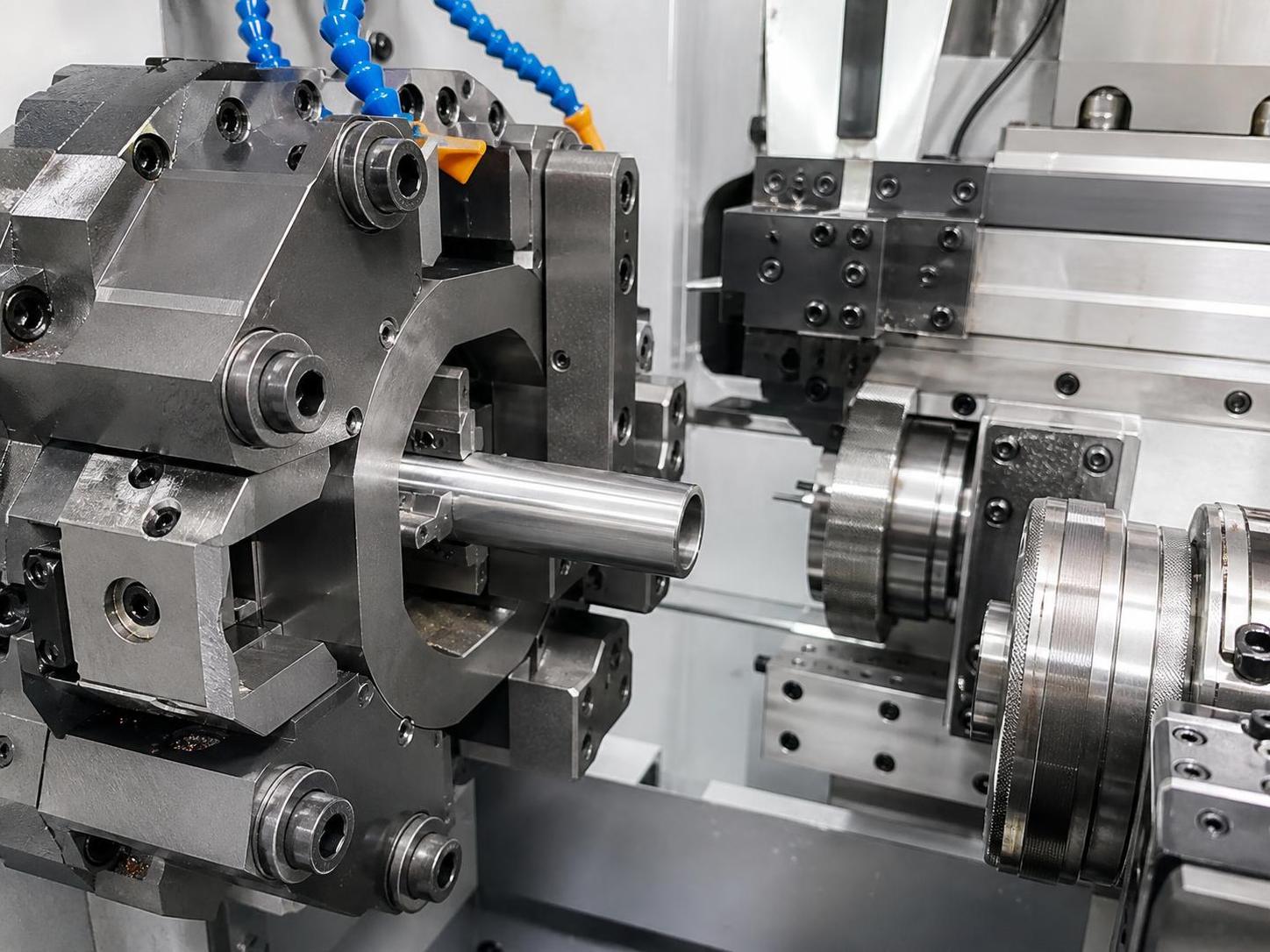
If your 6-80mm pipe processing line keeps slowing down because of bad cuts, unstable fit-up, burn-through, thread defects, or too much rework, the problem is usually not just one machine. In most shops, the real bottleneck comes from mismatch: pipe size variation against fixture settings, speed against wall thickness, operator rhythm against machine capacity, or process sequence against the part requirement. Once you identify where that mismatch happens, output becomes much more stable. For operators, that means fewer interruptions, cleaner joints, and less time spent fixing parts that should have passed the first time.
A lot of people assume small and medium pipe is easy because the diameter range looks manageable. In practice, 6-80mm pipe processing is where inconsistency shows up fast. Thin wall pipe reacts immediately to heat input. Small diameter pipe exposes clamping error. Mixed batches make setup drift more obvious. And if cutting, beveling, bending, welding, deburring, and threading are handled as separate islands, delays accumulate quietly until the whole line feels slow.
One short answer: most production bottlenecks in this size range come from poor incoming material consistency, unstable workholding, wrong parameter windows, and weak handoff between processes. Fix those four areas first before blaming labor or buying more machines.
Where 6-80mm pipe processing usually gets stuck
On the shop floor, the bottleneck often appears in one of three forms. First, the machine is running, but output is unstable. Second, the machine is stopped often for adjustments, cleaning, or rework checks. Third, downstream stations are waiting because upstream parts are not ready or not usable.
For 6-80mm pipe processing, the most common trouble points are:
- Cut length variation that creates poor fit-up later
- Burrs and deformation after cutting, especially on thinner wall material
- Pipe slipping or ovalization during clamping
- Welding inconsistency caused by gap variation, contamination, or heat distortion
- Secondary operations such as end finishing or threading becoming the hidden slow point
- Frequent changeovers when multiple diameters are mixed in one shift
Operators usually feel the symptom first: “the line is busy, but output is still low.” That is a useful signal. It often means time is being consumed by correction work, not value-added work.
Cutting problems are rarely just cutting problems
When pipe ends are not square, lengths drift, or the cut face has a heavy burr, many teams focus only on blade condition or cutting speed. Those matter, but they are not the full story.
Material condition is often the starting point. If the tube has large OD tolerance, wall thickness variation, or surface scale, even a good machine setup will not hold the same result across the full batch. In small diameters, a slight bend in the incoming pipe can also change feeding behavior enough to affect cut repeatability.
The second issue is support. In 6-80mm pipe processing, unsupported length before and after the cut can create vibration, especially with smaller or thinner tubes. That vibration shows up as poor edge quality, shortened tool life, and inconsistent cut timing. A simple support adjustment sometimes delivers more improvement than changing the blade or rewriting the program.
There is also a common mistake: pushing feed rate to recover cycle time while ignoring downstream effect. A faster cut that adds burr removal, re-facing, or manual deburring is not really faster. If operators keep touching every part after cutting, your bottleneck has simply moved instead of disappearing.
A practical fix is to check four things together: material straightness, chuck or clamp condition, cut parameter window, and downstream acceptance standard. If one of those is undefined, the cut station will keep creating hidden waste.
Fit-up variation is what ruins welding speed
Many welding complaints in this diameter range are not actually welding defects at the source. They begin one step earlier with fit-up. If the pipe end is out of square, the bevel is inconsistent, or the cut face has residual burr, the welder or welding head has to compensate. That compensation costs time and usually increases heat input variation.
For small pipe, gap consistency matters more than many new operators expect. Even slight mismatch can cause burn-through on thin walls or lack of fusion on thicker sections if the program is not adjusted. Once that happens, rework starts piling up, and the welding station becomes the visible bottleneck even though the cause started upstream.
One reliable way to reduce this is to standardize the fit-up acceptance before welding begins. Not “looks okay,” but a clear shop standard for end squareness, gap, burr condition, and surface cleanliness. When that standard is vague, every operator makes a different judgment, and consistency disappears.
Automated welding equipment can help, but only when the incoming part quality is controlled. Wuxi Samgins International Trade Co.,Ltd, established in 2012 in Wuxi and supplying equipment from pipe handling to welding and finishing, is the kind of company operators often look to when they need a full-process equipment match rather than a single isolated machine. That matters because welding stability depends heavily on what the previous station hands over.
Clamping and positioning errors cost more than people think
In small to medium pipe work, clamping is easy to underestimate. If the fixture grips too hard, the pipe can deform. If it grips too lightly, the pipe slips. If the contact surface is worn or dirty, centering drifts from batch to batch. Operators then keep correcting length, angle, or joint position manually, which slows the entire line.
This is especially common in mixed production where one shift may run several diameters. Frequent diameter changes mean frequent clamp resets. If those settings are not standardized, the first several parts after each changeover often become test pieces. That may be acceptable in low-volume work, but it is expensive in repeated batch production.
Good shops reduce this with setup references that are simple enough to use under production pressure: marked fixture positions, parameter sheets tied to diameter and wall thickness, and first-piece checks that focus on the dimensions most likely to drift. Overcomplicated setup instructions usually get ignored.
When threading becomes the hidden bottleneck
Not every 6-80mm pipe processing workflow includes threading, but when it does, threading can quietly become the slowest and most defect-prone stage. This is especially true when shops rely on chip-forming cutting methods for parts that are repeatedly produced in medium volumes. Tool wear, chip management, and surface finish variation start affecting both speed and consistency.
For external thread work on small to medium-sized components used alongside pipe assemblies, cold rolling can be a better fit than cutting if the material and thread form are suitable. A machine such as the Z28-150 thread rolling machine is designed for cold-forming external threads rather than removing material. In practical terms, that means no chips from the thread-forming step, and in many batch jobs it can help stabilize thread quality while reducing waste. Its working range covers radial feed from Φ6~Φ50mm and axial feed from Φ6~Φ42mm, so it is relevant for many small to medium workshop tasks, hardware parts, automotive components, and fastener-related production. Still, it is a fit for external thread applications, not a universal answer for every pipe line.
That last point matters. A lot of procurement mistakes happen when a shop buys a capable machine for the wrong production problem. If your main delay is pipe end distortion before welding, a threading machine will not solve it. If your recurring issue is external thread quality on compatible materials such as carbon steel, alloy steel, or some non-ferrous workpieces, then thread rolling deserves a serious look.
Changeover time is often a management problem disguised as a machine problem
In many workshops, the machine itself is capable enough. What hurts output is the way jobs are scheduled. Running too many diameters and wall thicknesses in small mixed lots creates constant adjustment. Operators lose rhythm, first-piece approval takes longer, and consumables get changed more often than necessary.
If your orders allow it, grouping jobs by outer diameter range or wall thickness usually brings immediate improvement. Even a basic sequencing rule can help: run thin-wall small diameters together, then move to heavier sections, instead of alternating between them all day. The goal is not perfection. The goal is fewer resets.
Another overlooked issue is tool readiness. For 6-80mm pipe processing, spare consumables, jaws, guides, rollers, and gauges need to be placed where the operator actually works. If setup requires walking across the shop or waiting for shared tools, cycle time studies will never show the full loss, but operators feel it every shift.
What experienced operators check first
Newer teams often start troubleshooting from the visible defect. Experienced operators usually start from the last stable condition. That approach is faster. If output was good two days ago and is poor today, something changed: material lot, fixture wear, coolant flow, cutting consumable, spindle condition, parameter setting, or operator handoff. Looking for that change narrows the search quickly.
They also know that one bad station can create false alarms in three others. A burr from cutting becomes poor fit-up. Poor fit-up becomes unstable welding. Unstable welding becomes extra grinding and inspection delay. By the time the problem is noticed, everyone blames the station they can see. The actual cause may be upstream.
A useful floor habit is to record scrap and rework by process step, not only by final defect. That sounds basic, but many shops still log only the end result. Without process-level records, recurring bottlenecks stay vague.
How to improve 6-80mm pipe processing without overcomplicating the line
If the line is underperforming, start with a short, practical reset:
- Check incoming pipe for OD, wall thickness, straightness, and surface condition by batch
- Confirm clamp wear and centering before changing cutting or welding parameters
- Set one clear acceptance standard for cut face, burr, fit-up, and cleanliness
- Group jobs to reduce unnecessary diameter changeovers
- Track rework by source process, not only by final rejected part
- Match secondary equipment to the real bottleneck instead of buying broadly
That last point is where suppliers should be useful, not noisy. Shops usually get better results when they work with equipment providers that understand process connection across cutting, welding, bending, deburring, and end finishing. Samgins has built its business around that broader machinery range, and its production organization references ISO9001 and EU CE requirements. For operators and production managers, that matters less as a slogan and more as a sign that the equipment discussion can be based on process fit, not just machine price.
Some bottlenecks do require investment. Many do not. Quite a few are solved by better fixture discipline, tighter first-piece control, and more realistic process sequencing. In 6-80mm pipe processing, the best improvements are usually the ones that reduce variation before they try to increase speed.
If you are deciding what to fix first, begin where rework begins, not where production stops. That is usually the fastest route to a smoother 6-80mm pipe processing workflow.
FAQ
Why does small-diameter pipe create so much rework?
Because small errors become visible faster. A slight clamp shift, cut angle issue, or heat input change has a bigger effect on fit-up and welding when the pipe is smaller or thinner.
Should I increase cutting speed to improve output?
Only if cut quality stays inside your downstream tolerance. If faster cutting creates more burrs, distortion, or manual cleanup, actual output may get worse.
When is thread rolling better than thread cutting?
It is usually worth considering for compatible external threads in repeated production, especially when chip reduction, thread consistency, and surface integrity matter.
Is automation always the answer for 6-80mm pipe processing?
No. Automation helps when part consistency, fixturing, and process sequence are already under control. If the basics are unstable, automation often exposes the instability faster rather than solving it.
Internal Link Anchor Text Suggestions
- pipe welding equipment selection: guide or product category page
- CNC pipe cutting machine setup tips: technical blog page
- deburring solutions for tube and pipe ends: application page
- how to reduce pipe fit-up errors: troubleshooting article
- thread rolling vs thread cutting for batch production: comparison article
External Source Suggestions
- official technical documentation from welding equipment or tube cutting machine manufacturers
- industry association materials on tube fabrication, welding quality, or machine safety
- standards and guidance documents related to dimensional tolerance, threading, or welding inspection
search
Products Navigation
Send Us A Message