




Choosing a Thick Plate Drilling Machine for Heavy Steel Jobs: Key Capacity Factors
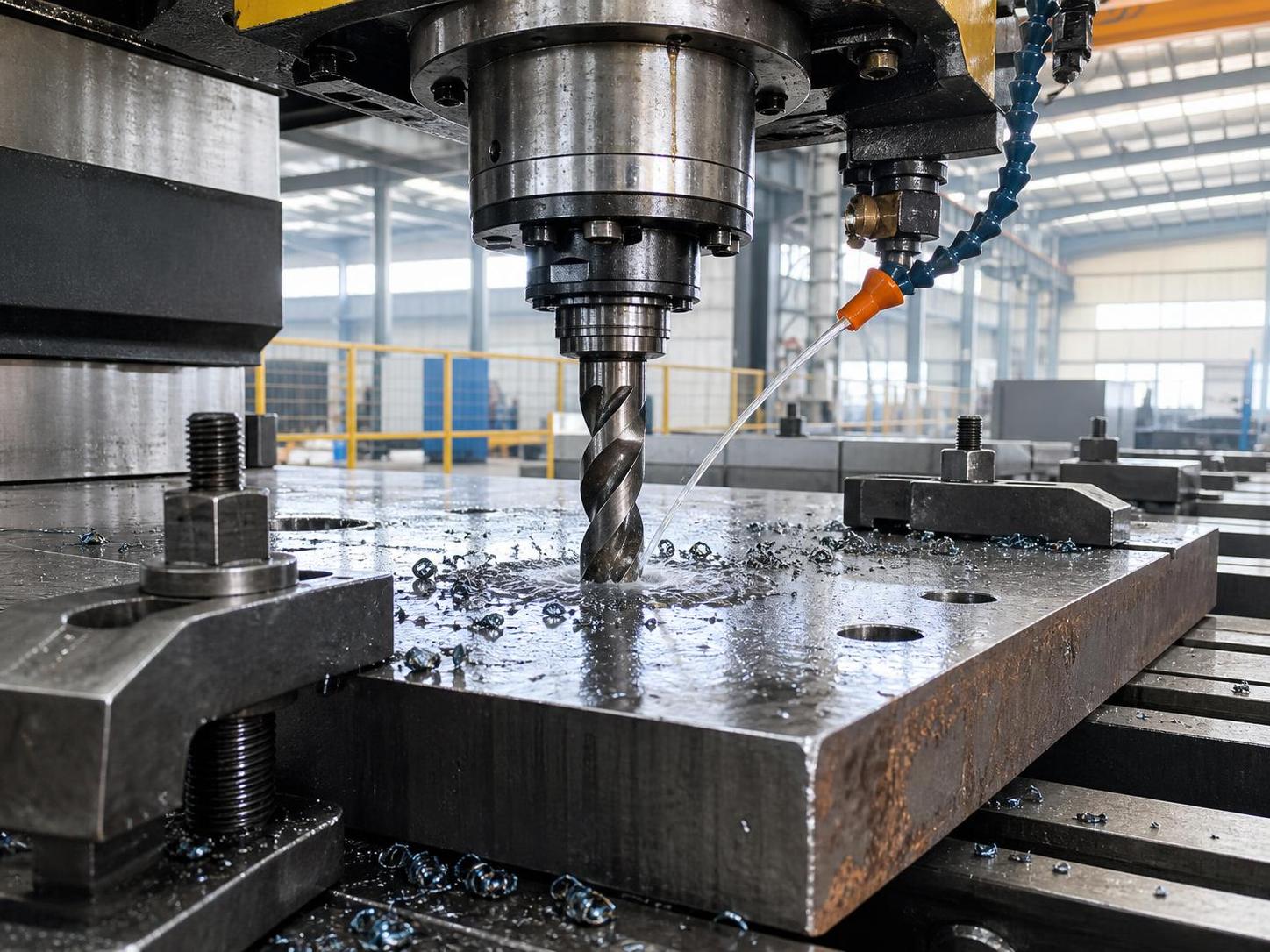
When selecting a thick plate drilling machine for heavy steel jobs, technical evaluators must look beyond basic specifications. Hole accuracy, drilling diameter range, plate thickness capacity, spindle power, and machine rigidity all directly affect production efficiency and long-term reliability.
For teams handling demanding steel fabrication, the right decision usually comes down to one principle: choose a machine based on your real workpiece range, tolerance targets, and duty cycle, not on maximum catalog numbers alone.
Understanding the Real Search Intent Behind This Equipment Choice
Technical evaluators searching for a thick plate drilling machine are usually not looking for a basic definition. They are comparing options for a real purchasing decision tied to heavy steel fabrication, structural work, or plate processing lines.
What they want most is a reliable way to judge whether a machine can handle thick materials consistently, maintain hole quality, and support production output without creating downstream problems in assembly, welding, or machining.
That means the most useful evaluation criteria are not marketing phrases. They are measurable capacity factors: drilling diameter range, effective plate thickness, spindle torque, feed stability, clamping strength, positioning accuracy, and machine frame rigidity.
Why Capacity Means More Than Maximum Drilling Thickness
One of the most common mistakes in equipment evaluation is treating maximum drilling thickness as the main decision point. In practice, that number only tells part of the story, especially for heavy steel jobs with demanding throughput requirements.
A machine may be rated to drill very thick plate, but still struggle under continuous production if spindle power is limited, chip evacuation is poor, or the structure deflects under load. That gap between rated capacity and usable capacity matters.
For technical assessment, the more relevant question is this: under your actual material grade, hole size, tool type, and cycle frequency, how stable is the machine during repeated operation? Stability determines both output and maintenance cost.
Plate Thickness Range Should Match Your Daily Production Mix
The first major factor is the machine’s effective plate thickness range. This should be checked against the real distribution of workpieces in your factory, not only the occasional maximum-thickness part that appears once in a while.
If most jobs fall between 25 mm and 60 mm, but the machine is selected mainly because it can process 100 mm plate, you may pay for capacity you rarely use while sacrificing efficiency in the most common production range.
Technical evaluators should review at least three thickness conditions: normal production thickness, high-frequency peak thickness, and true maximum thickness. A good thick plate drilling machine should perform efficiently across all three, not only survive the upper limit.
It is also important to confirm whether the stated thickness capacity applies to a single-pass drilling condition, a certain material type, or a reduced feed rate. Supplier clarification here can prevent unrealistic expectations after installation.
Drilling Diameter Range Affects Flexibility More Than Many Buyers Expect
Hole diameter range directly affects tooling strategy, cycle time, and future job flexibility. A machine that handles only a narrow diameter band may work for current orders but become restrictive when project specifications expand.
For heavy steel fabrication, evaluators should consider not only minimum and maximum hole diameters, but also how efficiently the machine handles the most frequently used sizes. Performance at common diameters matters more than extreme edge cases.
Large-diameter drilling in thick steel places much higher demand on torque, feed control, and cooling. If the machine reaches the target diameter only with slow and unstable operation, practical productivity will be far below the nominal rating.
It is also worth checking whether the machine supports related processes such as spot facing, countersinking, tapping, or carbide drilling. These functions can reduce secondary handling and improve line efficiency in complex steel component production.
Spindle Power and Torque Are Core Indicators for Heavy Steel Work
For thick plate drilling, spindle power is one of the most visible specifications, but torque is often the more decisive factor. Heavy steel drilling requires enough low-speed torque to maintain stable cutting under high resistance conditions.
If the spindle has acceptable power on paper but weak torque at the actual operating range, the result may be poor penetration, excessive tool wear, vibration, and inconsistent hole quality. These issues usually show up quickly in thick materials.
Technical evaluators should ask suppliers for spindle speed range, torque curve, recommended tool matching, and drilling examples using comparable material grades. Without that information, a power value alone does not support a sound judgment.
Machines intended for demanding steel fabrication should also maintain steady feed under load. Feed instability reduces tool life and can enlarge tolerance variation, particularly when drilling deeper holes or larger diameters in heavy plate sections.
Machine Rigidity Determines Hole Accuracy and Tool Life
Rigidity is sometimes harder to compare than visible capacity figures, but it has a direct effect on drilling precision, repeatability, and operating life. For heavy steel jobs, insufficient rigidity usually becomes expensive very quickly.
A rigid frame, stable spindle head, reliable guide system, and strong workholding arrangement reduce vibration and deflection. This improves roundness, position accuracy, and surface finish while lowering the risk of premature cutter damage.
When evaluating a thick plate drilling machine, inspect the machine bed design, gantry or column structure, guide rail system, and clamping method. Ask how the machine behaves when processing large plates with uneven weight distribution or internal stress.
In real fabrication environments, hole quality does not depend only on spindle performance. It also depends on whether the machine can keep the tool path stable when the workpiece is heavy, long, or not perfectly stress-relieved.
Positioning Accuracy Matters Because Drilling Errors Spread Downstream
In heavy steel processing, a small positional error at the drilling stage can create larger fitting problems later in assembly, bolting, welding, or final machining. That is why positioning accuracy must be treated as a production issue, not just a quality issue.
Evaluators should verify axis positioning accuracy, repeatability, plate referencing method, and the machine’s ability to maintain alignment across large workpieces. This is especially important for structural members, connection plates, and multi-hole patterns.
Reliable CNC control, stable servo motion, and accurate datum handling are all part of usable drilling performance. If these elements are weak, production teams may need rework, manual correction, or additional setup time that erodes equipment value.
This principle is also seen in automated fabrication cells. For example, systems such as the 7 axis railway type welding robot depend on accurate upstream part preparation, because dimensional variation directly affects automated path execution and weld consistency.
Workpiece Size Capacity Should Be Checked Against Material Handling Reality
Many buyers focus on thickness and hole size first, but workpiece dimensions are equally important. A machine may have enough drilling power, yet still create bottlenecks if table size, travel range, or loading access are not suitable.
Technical evaluators should compare the maximum plate length, width, and weight with actual factory workflows. The question is not only whether a plate fits, but whether it can be loaded, positioned, clamped, and unloaded efficiently and safely.
This becomes more important in workshops handling long structural components or integrated fabrication lines. In those settings, machine selection should align with upstream cutting and downstream joining capacity to avoid process imbalance.
That is why production engineers often evaluate drilling equipment together with adjacent automation. A supplier experienced in larger workpiece systems, including long-format robotic solutions like a 7 axis railway type welding robot, may better understand layout and transfer constraints.
Cooling, Chip Removal, and Tool Management Affect Real Throughput
In heavy steel drilling, support systems strongly influence actual productivity. Cooling performance, chip evacuation, and tool handling may seem secondary during early comparison, but they often determine whether output remains stable over long shifts.
Poor chip removal increases heat, damages hole finish, and raises the risk of tool breakage. In thick plates, chips are harder to evacuate effectively, so coolant delivery and machine design should be checked carefully.
Technical evaluators should ask whether the machine is optimized for high-volume steel chips, what filtration or coolant recirculation system is provided, and how tool changes are managed when multiple hole sizes are required in one program.
Good support systems reduce operator intervention, improve consistency, and make the machine more suitable for batch production. These factors also influence labor planning and help limit avoidable downtime across multi-shift operations.
Duty Cycle, Maintenance Access, and Reliability Should Influence the Final Decision
A thick plate drilling machine for heavy steel jobs is usually a production asset, not an occasional-use machine. That means reliability under sustained operating conditions should weigh more heavily than peak demonstration performance.
Check the intended duty cycle, lubrication system, wear-part accessibility, spindle maintenance requirements, and service support model. These points directly affect uptime and cost of ownership over several years of continuous use.
It is also wise to ask for information about installed machine base, operator interface, alarm logic, and safety design. Mature industrial equipment should be easy to inspect, maintain, and recover quickly after common operating interruptions.
Suppliers with broader fabrication equipment experience, ISO9001-oriented production control, and familiarity with CE-aligned standards can often provide more consistent documentation, integration support, and long-term technical response.
Questions Technical Evaluators Should Ask Before Approval
Before making a final recommendation, evaluators should request sample processing data based on their own materials, hole diameters, and thickness ranges. A machine should be judged under comparable conditions, not under ideal test samples alone.
Ask for cycle time by hole size, tool life assumptions, tolerance results, spindle load behavior, and accuracy over repeated drilling. If possible, review customer cases involving similar steel grades and comparable production volume.
Also confirm what is included in the base configuration. Some critical items, such as advanced coolant systems, automatic tool change, stronger clamping support, or software functions, may be optional even when they are essential for your use case.
The goal is not simply to buy the largest machine. It is to select the machine whose capacity profile best fits your production reality, quality requirements, and maintenance capabilities.
Final Evaluation Logic for Choosing the Right Thick Plate Drilling Machine
For heavy steel jobs, the best thick plate drilling machine is rarely the one with the highest single specification. It is the one that delivers stable hole quality, dependable throughput, and manageable operating cost across your normal production range.
Technical evaluators should focus first on effective thickness range, drilling diameter performance, spindle torque, structural rigidity, positioning accuracy, and workpiece handling suitability. Those factors determine whether the machine will perform well in real factory conditions.
When these fundamentals are matched correctly, the result is better production continuity, lower rework risk, longer tool life, and stronger confidence in downstream fabrication quality. That is the basis of a sound equipment decision for demanding steel processing.
search
Products Navigation
Send Us A Message