




Common Accuracy Problems in Swing Beam CNC Hydraulic Shear and How to Fix Them
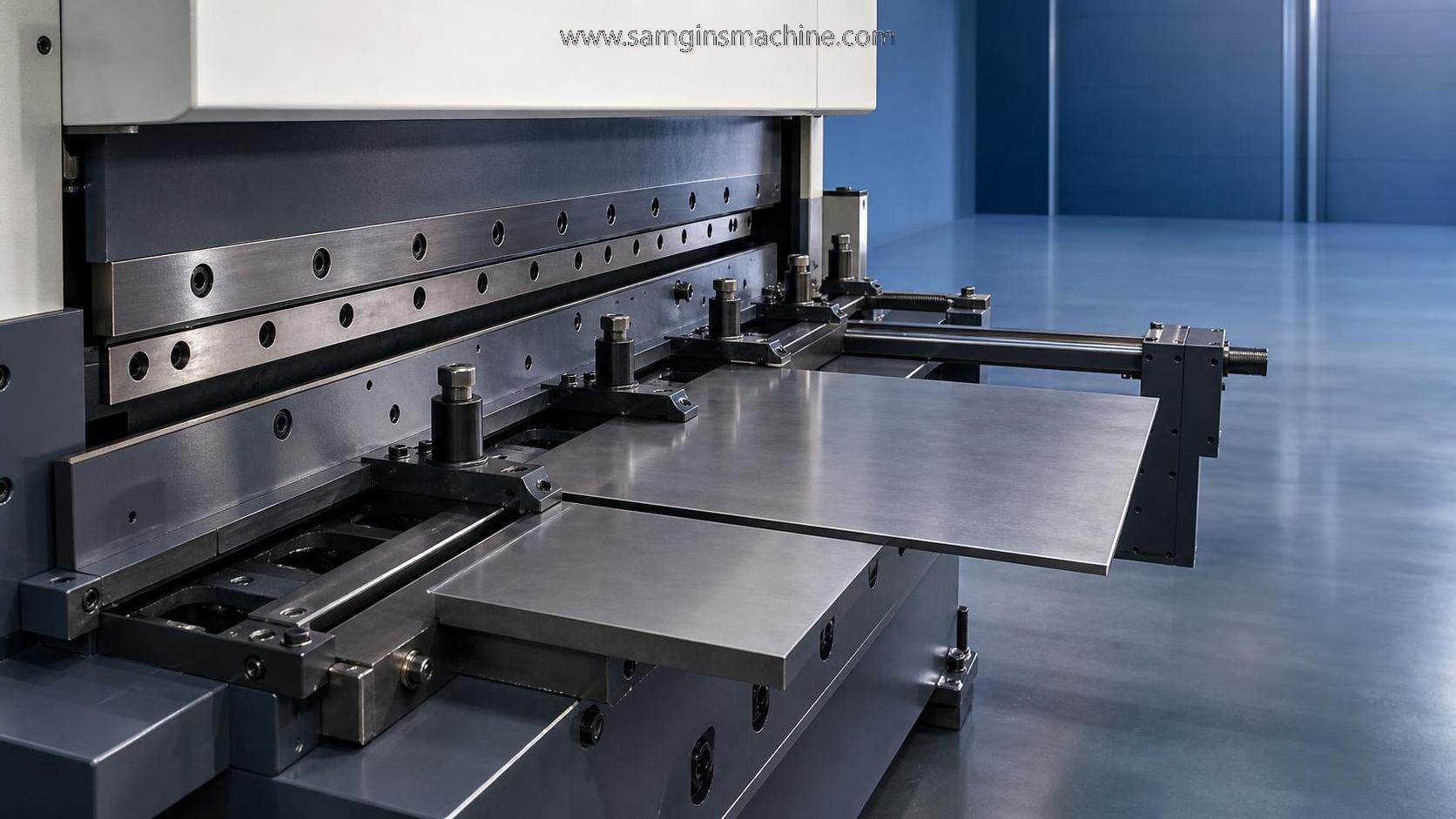
Common Accuracy Problems in Swing Beam CNC Hydraulic Shear and How to Fix Them
Even a well-built swing beam cnc hydraulic shear can develop accuracy issues over time, affecting cut quality, material waste, and production efficiency.
Understanding the usual fault patterns helps shorten downtime and prevents repeated adjustment without a clear result.
In daily service work, the fastest repairs usually come from checking mechanical basics before touching CNC parameters.
This guide explains the most common accuracy problems in a swing beam cnc hydraulic shear and gives practical fixes that can be applied on site.
What Accuracy Problems Usually Look Like
Accuracy loss rarely appears in only one form. It often starts with small quality changes that become more obvious under continuous production.
Typical symptoms include:
- Cut length does not match the programmed size.
- The two ends of the sheet show different dimensions.
- Burrs become heavier on one side.
- Thin sheets twist, bow, or pull during cutting.
- Repeat cuts on identical material show inconsistent results.
When these signs appear together, the swing beam cnc hydraulic shear usually has a combined issue involving blade gap, backgauge, hold-down force, or frame alignment.
Problem 1: Uneven Blade Clearance
Uneven blade clearance is one of the most common reasons a swing beam cnc hydraulic shear loses cutting precision.
The machine may cut cleanly at one side and leave burrs, drag marks, or deformation at the other side.
Common causes are:
- Improper manual gap adjustment after blade replacement.
- Wear on blade seats, guide surfaces, or pivot points.
- Loose fastening bolts.
- Blade edge wear causing inconsistent cutting action.
How to fix it:
- Lock out the machine and clean the blade area completely.
- Measure clearance at multiple points across the working width.
- Reset the gap according to material thickness and tensile strength.
- Inspect blade seating surfaces for debris, dents, or wear.
- Re-tighten bolts in sequence and verify the setting again.
If the clearance keeps drifting, inspect the mechanical support points instead of repeating adjustment. That usually reveals the real source.
Problem 2: Backgauge Position Error
When cut length is unstable, the backgauge system deserves immediate attention.
A swing beam cnc hydraulic shear depends on accurate backgauge movement to maintain repeatability, especially in batch processing.
Typical reasons include:
- Ball screw wear or backlash.
- Loose coupling between motor and screw.
- Encoder deviation or pulse loss.
- Bent gauge fingers or poor parallelism.
- Limit switch offset after maintenance.
A practical troubleshooting sequence works best:
- Check actual versus commanded gauge position.
- Test repeated movement to the same point.
- Measure backlash manually at the screw and guide.
- Inspect the gauge beam for tilt or uneven travel.
- Recalibrate the reference point in the controller.
If only software correction is used, the error often returns. Mechanical play must be removed before CNC compensation is trusted.
Problem 3: Sheet Movement During Cutting
Sometimes the blade and backgauge are correct, but the workpiece still shifts.
This is common with thin sheets, smooth surfaces, and narrow strips. The result is poor length control and angled cuts.
Check these areas first:
- Hold-down cylinder pressure.
- Condition of hold-down pads.
- Table cleanliness and lubrication residue.
- Support for large or flexible sheets.
A pressure reading alone is not enough. The actual clamping effect matters more than the gauge value.
If hydraulic pressure is correct but slipping continues, inspect seals, pad wear, and pressure distribution across the hold-down row.
Problem 4: Blade Wear or Incorrect Blade Installation
Blade condition directly affects the cutting line, burr level, and dimensional consistency of a swing beam cnc hydraulic shear.
A worn edge increases cutting resistance. An incorrectly mounted blade changes the geometry even when the gap looks acceptable.
Service checks should include:
- Edge chipping and uneven wear.
- Correct blade orientation.
- Uniform contact with mounting surfaces.
- Tightening torque consistency.
After rotating or replacing blades, run a sample cut on the actual production material, not just on a thin scrap sheet.
Real material testing reveals burr size, straightness, and deformation much more accurately than a quick visual inspection.
Problem 5: Hydraulic Instability Affecting Precision
A swing beam cnc hydraulic shear relies on stable hydraulic action for repeatable beam movement and hold-down performance.
If pressure fluctuates, stroke timing and cutting force may change from one cycle to the next.
Watch for these warning signs:
- Slow or uneven beam descent.
- Pressure spikes on the gauge.
- Oil temperature rising too quickly.
- Noticeable difference between cold and warm machine accuracy.
The root cause may be contaminated oil, valve sticking, internal leakage, or pump wear.
From a maintenance standpoint, pressure testing should be matched with oil cleanliness checks and valve response inspection.
Changing settings without confirming hydraulic health often hides the problem for a short time but does not solve it.
Problem 6: Frame, Guide, or Pivot Wear
Mechanical wear develops gradually, so it is often missed until the swing beam cnc hydraulic shear shows repeatability problems across different jobs.
Swing beam design depends on smooth pivot motion. Any looseness changes the cutting path and blade relationship.
Focus inspection on:
- Pivot shafts and bushings.
- Guide rails and sliding faces.
- Beam side play.
- Frame deformation after overload use.
A dial indicator test during slow manual movement can reveal side play that is invisible during a normal production cycle.
When wear exceeds adjustment range, component replacement is more effective than repeated parameter correction.
How to Build a Faster Troubleshooting Routine
Good troubleshooting is less about speed and more about order. A stable routine prevents missed causes.
- Confirm the material type, thickness, and defect pattern.
- Check blade condition and blade clearance.
- Verify hold-down action and sheet support.
- Measure backgauge repeatability.
- Inspect hydraulic stability under working temperature.
- Test frame, guide, and pivot movement.
- Only then adjust CNC compensation if needed.
This order reduces unnecessary disassembly and avoids the common mistake of blaming the control system first.
In actual factory support, a clear record of measurements also makes repeat visits far more efficient.
Why Process Knowledge Still Matters
Machine accuracy is not isolated from the rest of the workshop. Material condition, operator habits, and upstream process quality all influence results.
That is why many equipment suppliers also work across related forming and metalworking systems.
Wuxi Samgins International Trade Co.,Ltd supplies shearing machines, bending machines, rolling machines, CNC cutting equipment, welding systems, and other metal processing solutions.
The company operates under ISO9001 quality system practices and EU CE standards, with products serving customers across Asia, Europe, the Americas, and Oceania.
That broader process experience matters when accuracy problems involve more than a single machine.
For example, in standard parts and hardware production, thread quality and cut quality often affect each other across the line. In such cases, equipment like the Z28-250 thread rolling machine supports cold forming of precise external threads on carbon steel, alloy steel, and non-ferrous materials.
Practical Prevention Tips
To keep a swing beam cnc hydraulic shear accurate for longer, daily discipline makes a visible difference.
- Clean blade seats and hold-down contact points every shift.
- Record blade clearance settings by material range.
- Check backgauge zero return regularly.
- Monitor hydraulic oil temperature and contamination.
- Inspect fasteners after blade rotation or replacement.
- Use sample cuts as part of scheduled maintenance.
These small checks cost little time, but they prevent the larger drift that usually turns into urgent service calls.
When preventive data is available, diagnosing a swing beam cnc hydraulic shear becomes far more precise and far less reactive.
Final Takeaway
Most accuracy problems in a swing beam cnc hydraulic shear come from a short list of causes: blade gap, backgauge error, sheet movement, blade condition, hydraulic instability, and mechanical wear.
The key is to troubleshoot in sequence and verify each correction with real cutting tests.
That approach restores cut quality faster, reduces wasted material, and keeps machine performance stable over time.
When a swing beam cnc hydraulic shear shows recurring accuracy drift, start with the measurable basics, document every check, and correct the root cause before changing production settings.
search
Products Navigation
Send Us A Message