




Hydraulic Shear Explained: Key Components, Cutting Performance, and Maintenance Essentials
What A Hydraulic Shear Is And Why It Matters
A Hydraulic Shear is a metal cutting machine that uses hydraulic force to drive a moving blade past a fixed blade, separating sheet or plate stock in a controlled straight-line cut. In fabrication shops, it is often positioned early in the process because cut blank accuracy affects downstream bending, welding, rolling, drilling, and assembly efficiency. For that reason, buyers usually evaluate a Hydraulic Shear not only by tonnage or blade length, but also by repeatability, edge condition, operator safety, and compatibility with the rest of the production flow.
From an industrial perspective, the machine sits between raw material handling and precision forming. It is widely used in steel structure plants, tank manufacturing, pressure vessel workshops, pipe processing lines, sheet metal factories, agricultural equipment production, transport equipment fabrication, and general machinery manufacturing. A properly selected Hydraulic Shear reduces secondary trimming, improves nesting efficiency, and helps plants keep material utilization under control when processing carbon steel, stainless steel, aluminum, or other metal sheets within the machine’s rated capacity.
The term Hydraulic Shear covers several machine architectures, but the shared objective is the same: deliver stable cutting force along the blade length while minimizing distortion, burr, and dimensional variation. In practice, performance depends on frame rigidity, hydraulic stability, blade geometry, hold-down design, backgauge accuracy, and the operator’s ability to match clearance and cutting settings to material thickness and strength. This is why technical understanding matters more than simply comparing nameplate specifications.
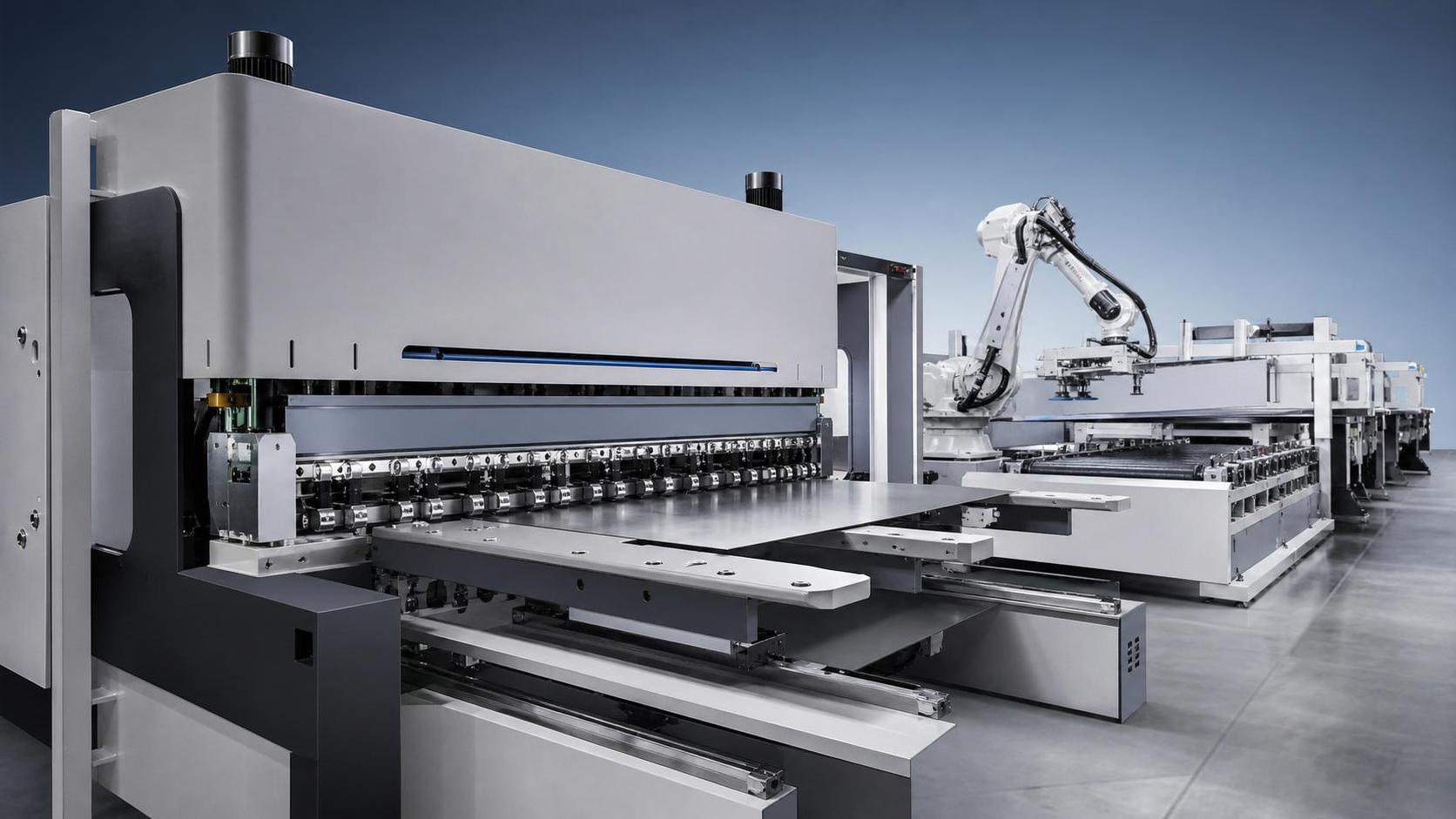
For B2B buyers, a Hydraulic Shear is not an isolated asset. It influences job scheduling, labor requirements, tooling wear on downstream equipment, and final weld fit-up quality. Shops that treat shearing as a strategic process step usually gain better consistency across the entire fabrication chain, especially when the machine is integrated with CNC controls, front support, return tables, or linked handling systems.
Key Components And Working Principle
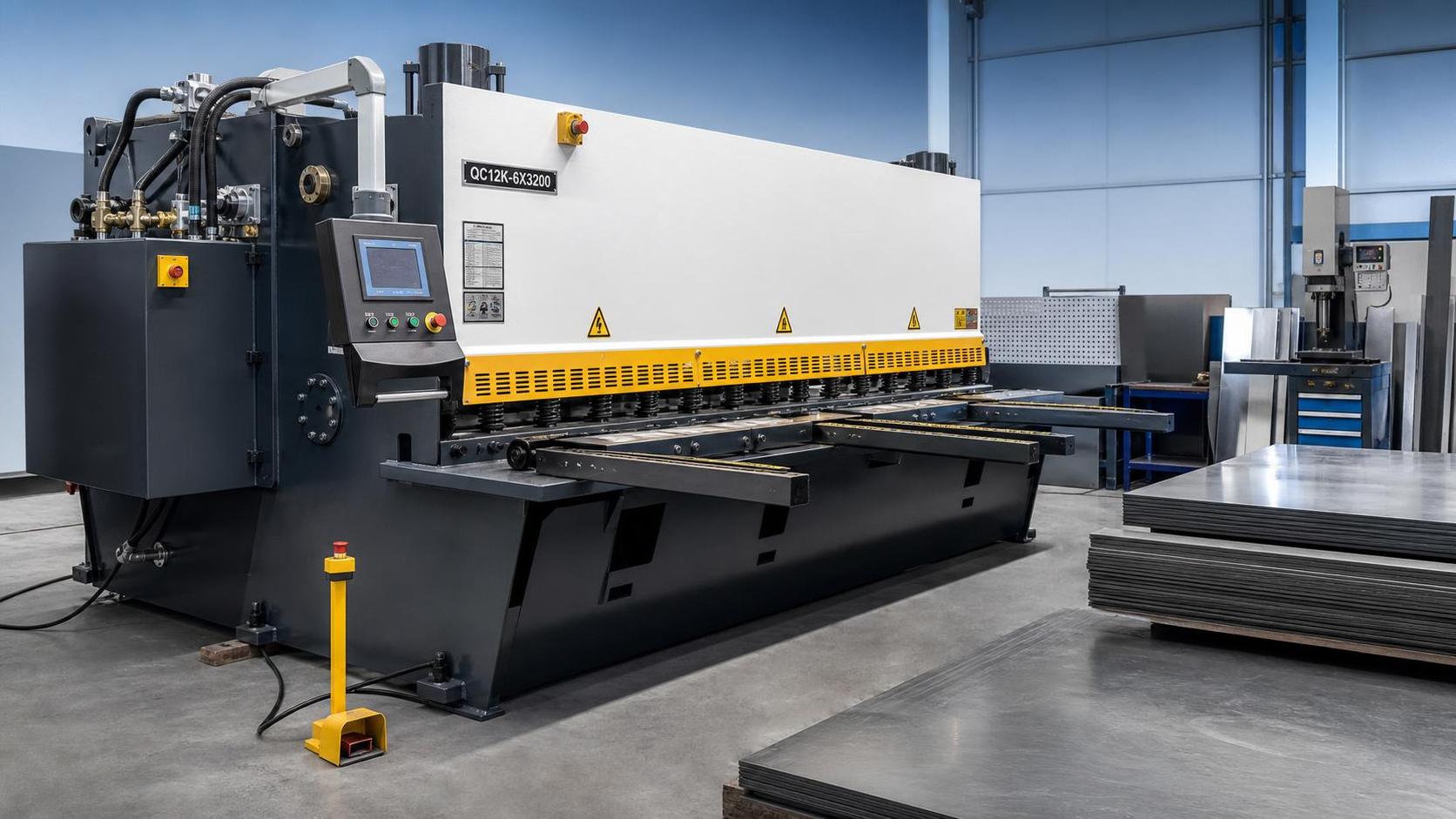
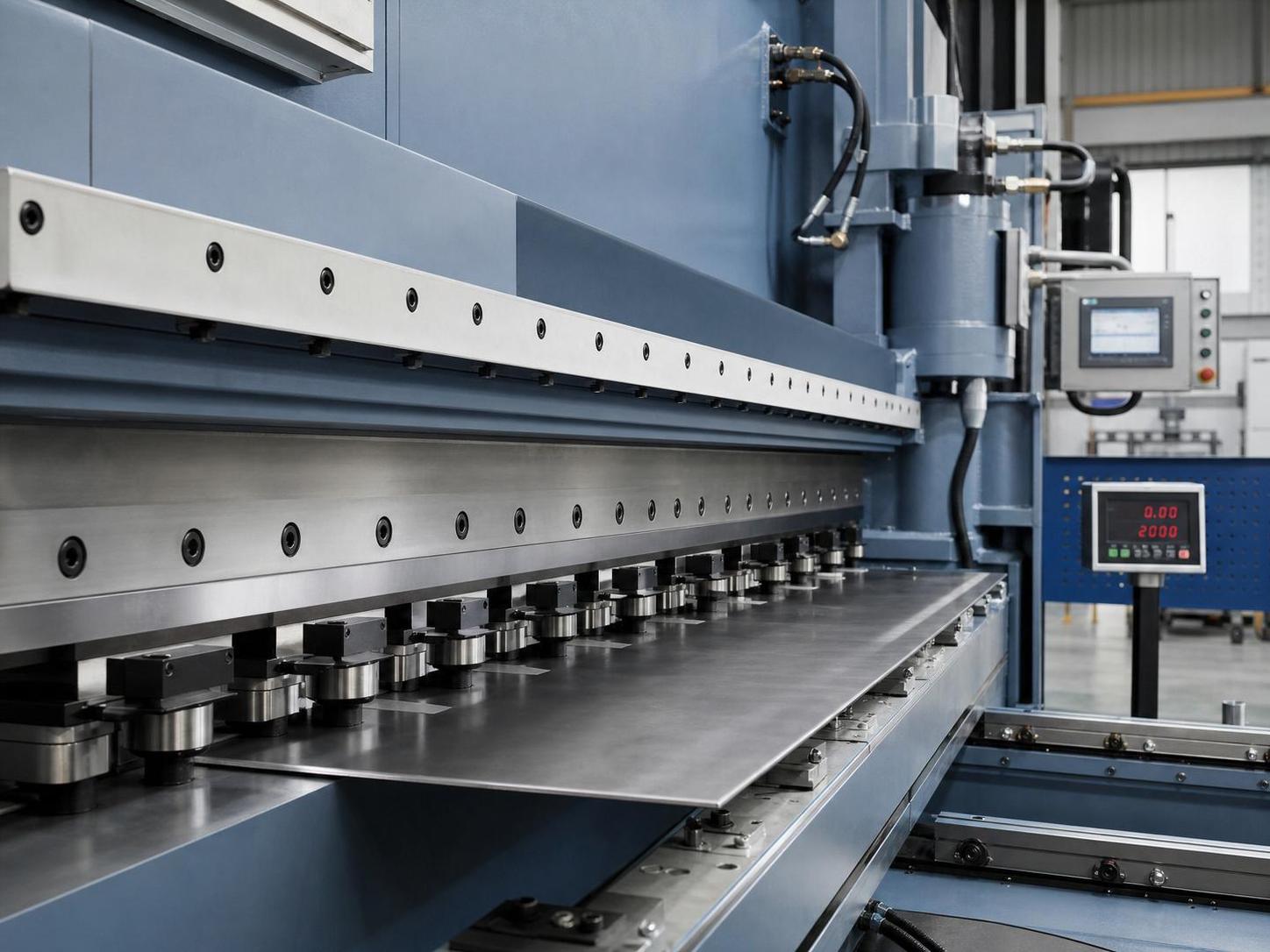
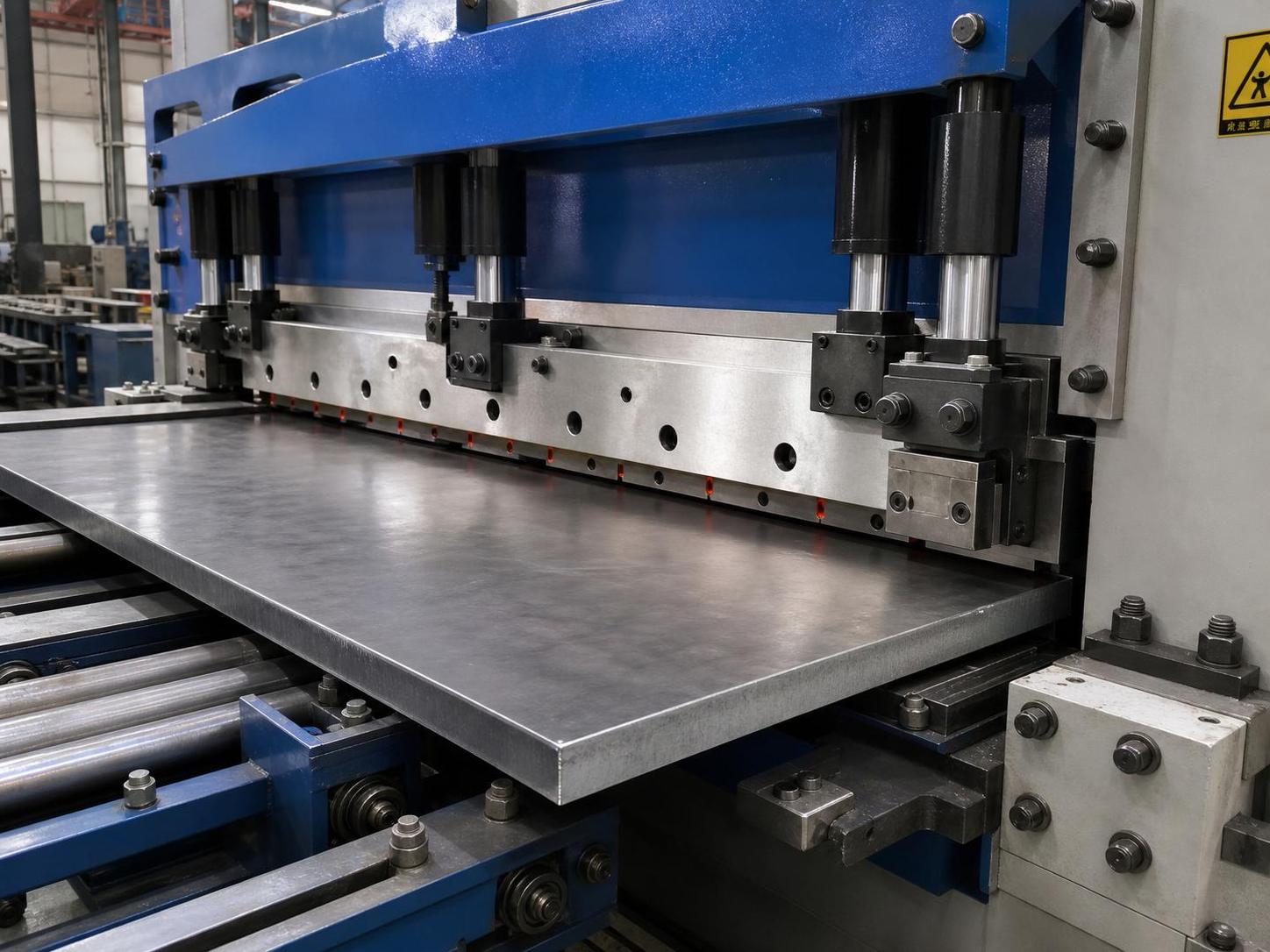
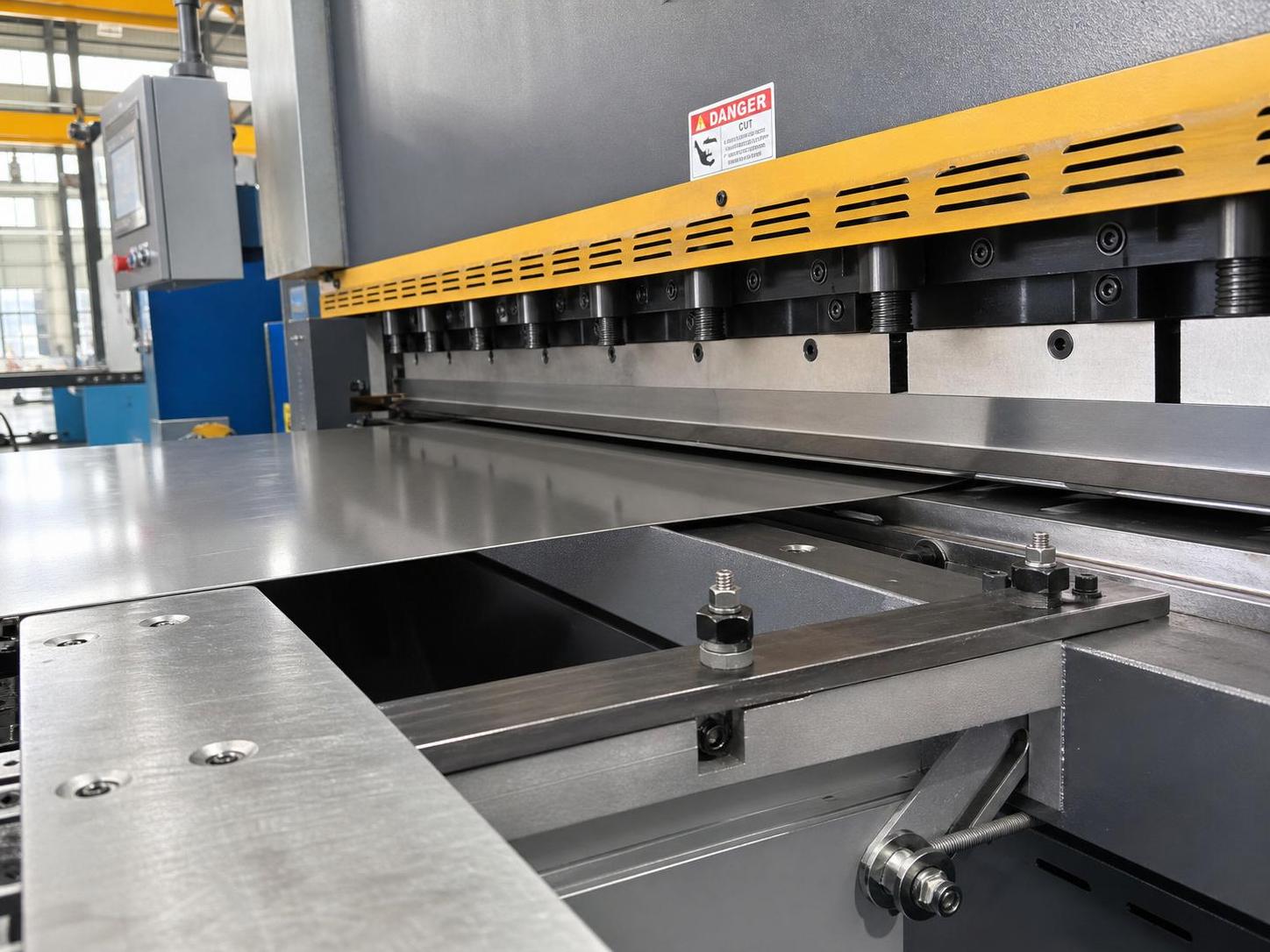
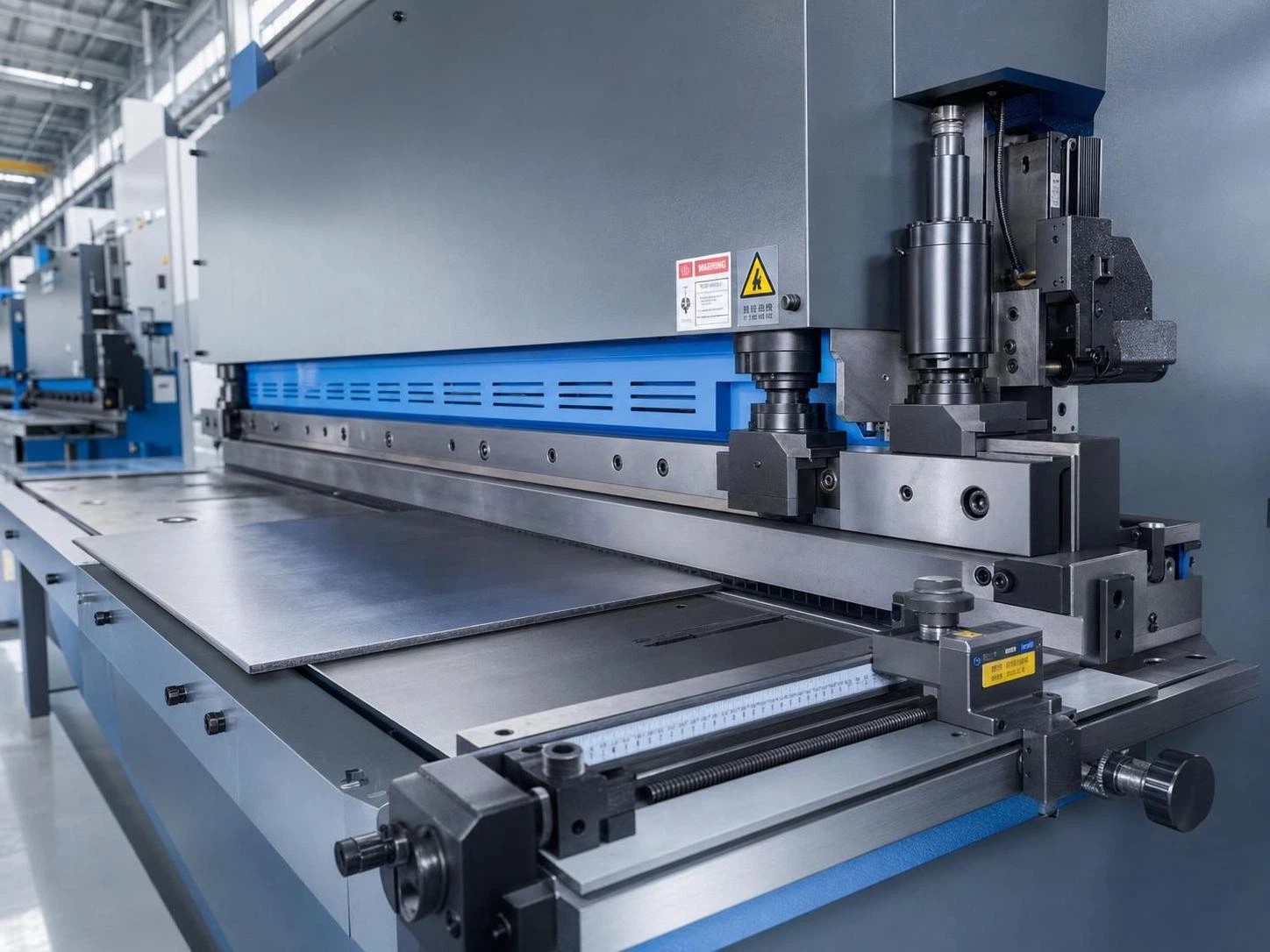
The main structure of a Hydraulic Shear typically includes the machine frame, upper moving blade carrier, lower fixed blade, hydraulic cylinders, hold-down cylinders, backgauge system, electrical control unit, and safety devices. When the cutting cycle starts, the hold-downs clamp the sheet to limit movement, and the hydraulic cylinders drive the upper beam through the cut. Blade overlap, rake angle, and clearance determine how the material fractures and separates. Stable synchronization across the beam is essential to avoid uneven cutting and edge defects.
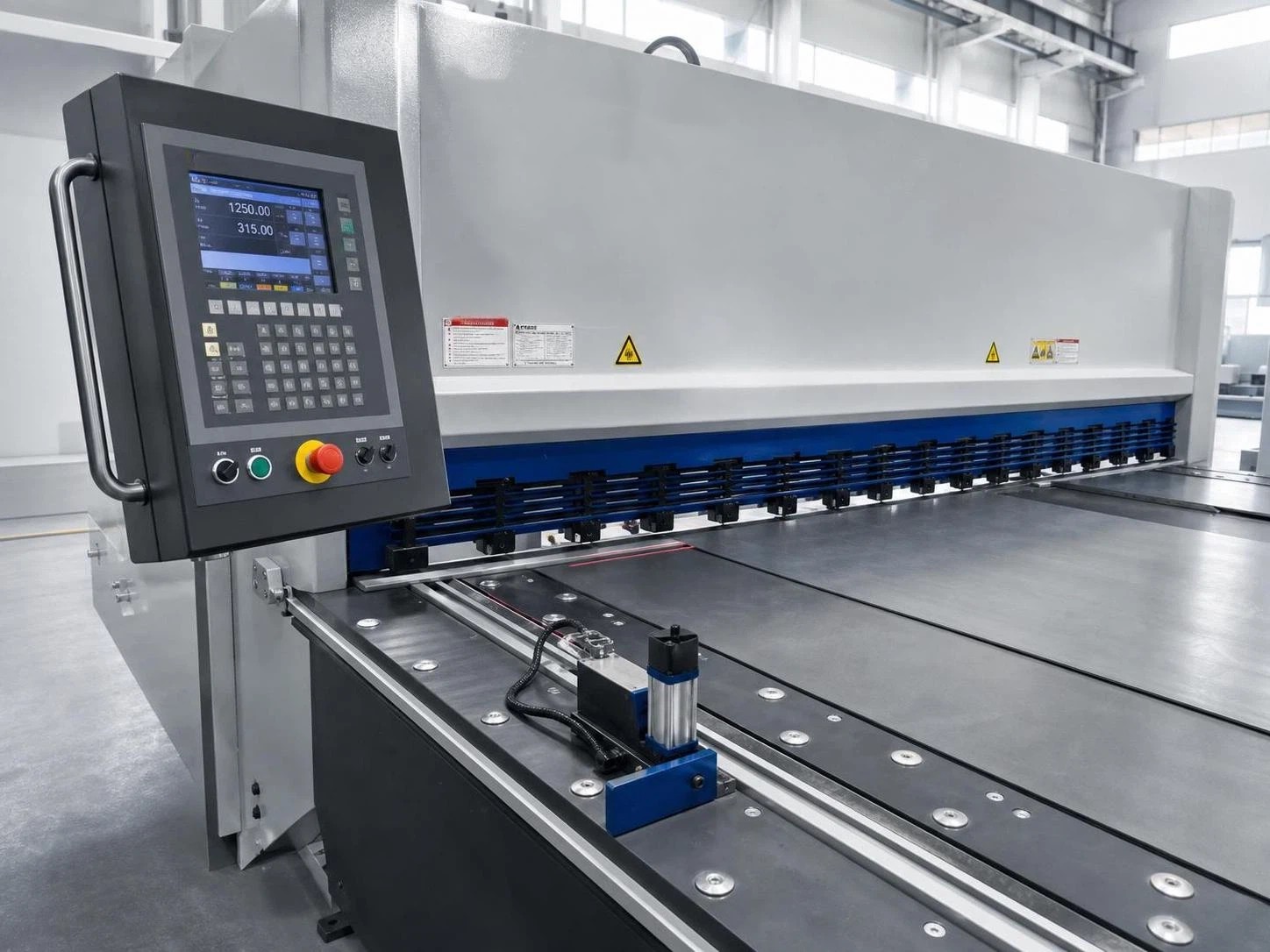
Hydraulic power is generated by a pump and regulated through valves that manage pressure and movement. In more advanced systems, servo-hydraulic or CNC-assisted control improves positioning precision and energy efficiency. The backgauge sets the cut length and becomes a major factor in part repeatability, especially for batch production. If the gauge has play, poor linear guidance, or calibration drift, the machine may still cut through material but fail to meet production tolerances.
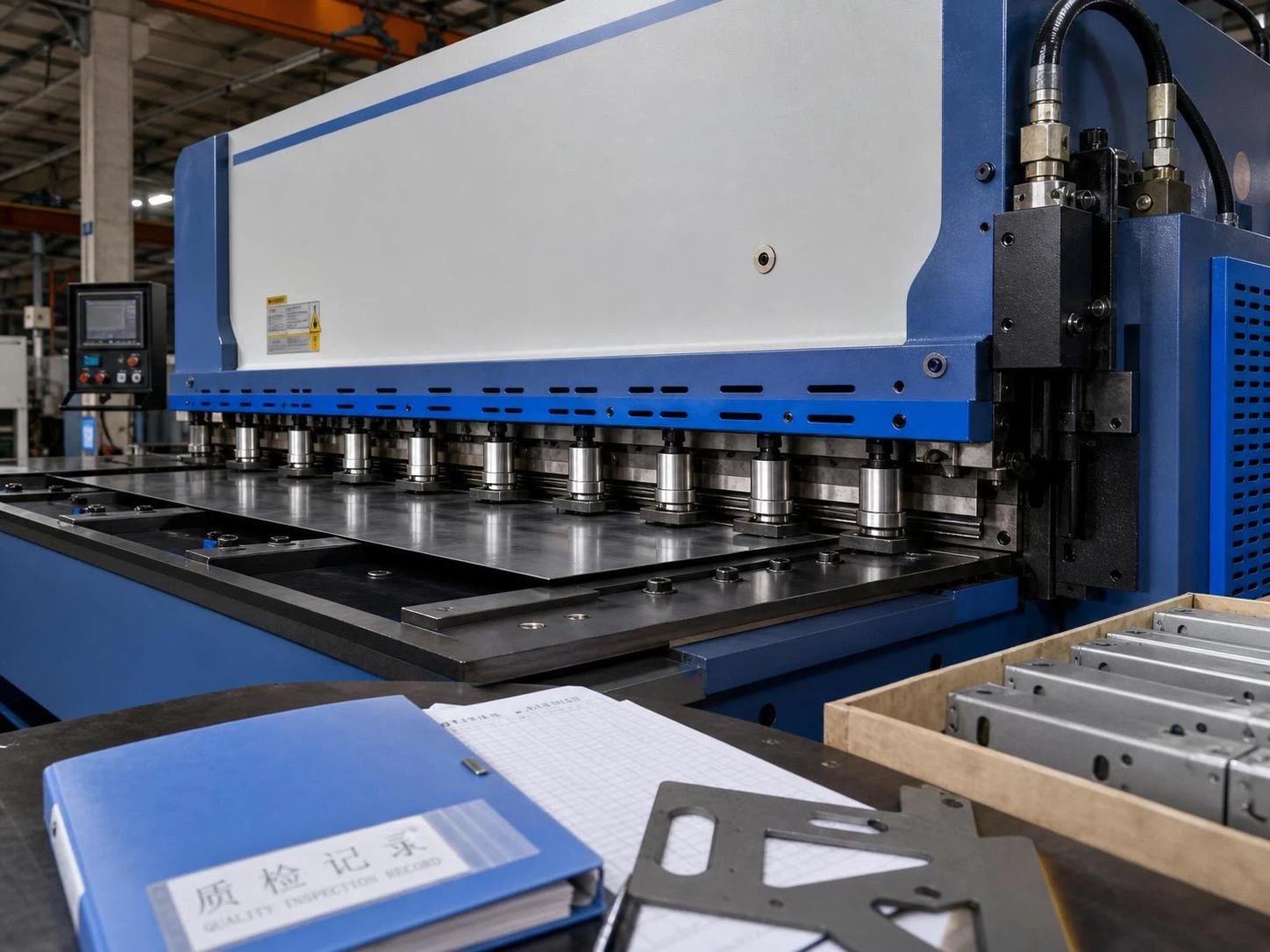
Blade condition is another core part of the system. Most shears use multi-edge blades that can be rotated after wear develops. Proper blade material, hardness, and grinding quality directly affect service life and cut edge quality. A machine with a strong hydraulic package but weak blade support or inconsistent blade seating will struggle to maintain straight cuts over time. This is one reason many buyers look closely at the quality of hydraulic, servo, and CNC components, because stable core components usually translate into steadier real-world performance.
Manufacturers such as Wuxi Samgins often position the Hydraulic Shear within a wider fabrication equipment portfolio. That matters because the machine is commonly paired with press brakes, plate rolling machines, CNC cutting systems, edge milling machines, and welding equipment. A supplier that understands how the cut blank performs in the next process step can usually give more useful advice on configuration, handling options, and production matching than a vendor focused on a single standalone machine.
Main Types Of Hydraulic Shear And Typical Use Cases
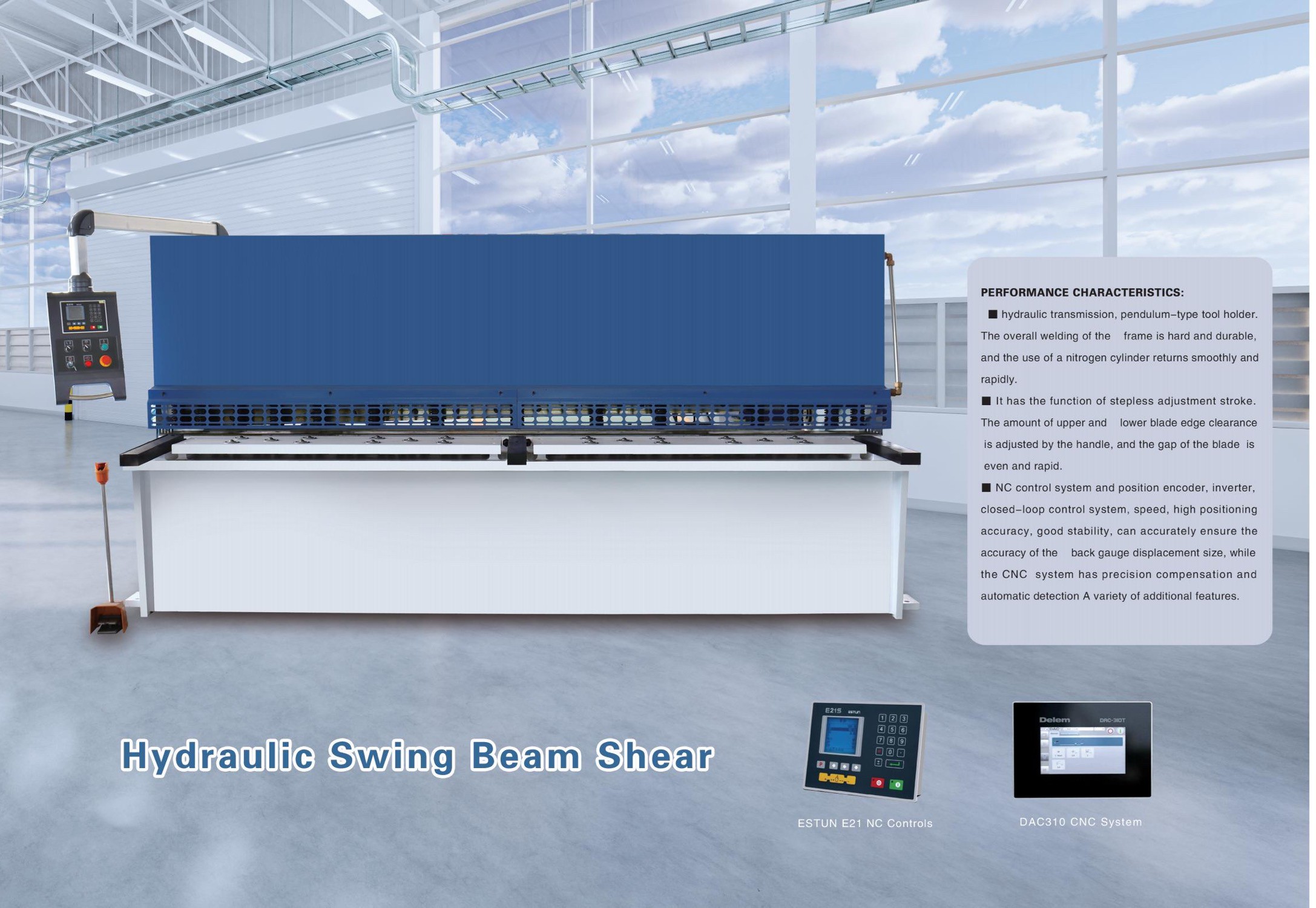
The most common categories are hydraulic swing beam shear and hydraulic guillotine shear. A Hydraulic Swing Beam Shear uses a swinging upper beam motion and is often favored for routine sheet cutting where simple operation, reliable mechanics, and cost control are priorities. It is widely used in general sheet metal fabrication, light to medium plate processing, and job shops that need dependable daily output without an overly complex control structure. Many buyers choose this type when most work involves standard material grades and repeat production runs.
A hydraulic guillotine shear typically moves the upper blade in a more vertical path, which can support tighter control over cutting geometry across a broader range of thicknesses and material strengths. It is often selected for heavier duty applications, higher accuracy expectations, or shops processing more demanding plate specifications. Depending on configuration, guillotine designs may offer adjustable rake angle, automatic blade clearance, and more advanced CNC functions, making them suitable for plants that prioritize flexibility and process control.
Machines can also be grouped by control level. Manual and NC models are common in straightforward production environments, while CNC Hydraulic Shear systems serve users who require programmable backgauge movements, step cutting, retraction control, job memory, and higher repeatability. The right control level depends on batch size, part variety, operator skill, and whether the machine must integrate with digital production planning. Paying for advanced control without a matching workload may not improve ROI, but under-specifying control can create bottlenecks in mixed production.
Application demands should guide type selection. Thin stainless decorative panels, structural carbon steel plates, HVAC components, enclosure parts, transport brackets, and vessel blanks all place different demands on the shear. Shops serving multiple sectors often prefer a configuration that balances robust structure, straightforward maintenance, and practical programmability. That balance is especially relevant for distributors and global buyers who must support diverse local manufacturing tasks with one machine platform.
Cutting Performance Factors That Buyers Should Evaluate
Cutting performance is more than whether the machine can sever a given thickness. Buyers should assess edge straightness, burr level, squareness, twist control, cut length accuracy, repeatability, and surface marking after clamping. Material type changes these results significantly. Mild steel, stainless steel, aluminum, and high-strength alloys react differently to blade clearance and rake angle, so a Hydraulic Shear that performs well on one material may need adjustment to maintain quality on another.
The relationship between blade clearance and material thickness is one of the most important performance variables. Excessive clearance tends to increase burr and edge deformation, while insufficient clearance raises cutting load and accelerates blade wear. Rake angle also influences cutting force and workpiece distortion. A larger rake angle can reduce peak force but may affect straightness on some parts. For this reason, consistent quality often depends on a machine’s ability to support appropriate adjustment rather than relying on a fixed setting across all jobs.
Frame stiffness and hold-down effectiveness are equally important. If the frame deflects under load or the hold-down cylinders do not secure the sheet evenly, operators may see bowing, movement, or inconsistent cut edges. Backgauge repeatability matters most in batch cutting because even small deviations multiply quickly across part quantities. In higher-throughput shops, support arms, sheet followers, and return systems can also influence actual production quality by keeping large sheets stable and reducing handling error.
A realistic evaluation should include sample cutting on the buyer’s typical materials and thickness range. Nameplate capacity alone does not reveal how the Hydraulic Shear will behave at the upper end of its rating or across mixed-material production. Good suppliers explain recommended cutting ranges, not just theoretical maximum values, and they discuss how blade material, hydraulic stability, and control accuracy affect daily output under shop-floor conditions.
How To Select The Right Hydraulic Shear For Your Operation
Selection begins with the production profile, not the machine catalog. Buyers should define material grade, thickness range, maximum sheet width, expected tolerance, daily volume, part mix, and operator skill level. A shop cutting mostly thin sheet for enclosure work has different needs from a steel structure factory processing heavier plate. The more clearly these conditions are described, the easier it becomes to choose the right beam design, control level, blade length, gauge travel, and support options.
It is also important to evaluate the machine as part of a full line. If the cut blanks move into a press brake, plate rolling machine, edge milling station, welding manipulator, or H-beam production equipment, the shear should be specified to support that workflow. Wuxi Samgins has an advantage here because its product range covers many related fabrication machines, from CNC cutting systems and press brakes to rolling machines, leveling machines, welding rotators, and beam line equipment. That broader process view can help buyers avoid configuration mismatches between upstream cutting and downstream fabrication.
For projects with nonstandard requirements, customization can be a practical differentiator. Some users need special backgauge travel, heavy-duty supports, integration with material handling, or control logic adapted to plant routines. Where tanks, pipelines, steel structures, or sheet metal factory processes are involved, a supplier with customization capability usually offers better long-term fit than a standard machine chosen only on price. Buyers should also confirm the source and reliability of hydraulic, servo, and CNC components because these directly affect maintenance intervals and fault stability.
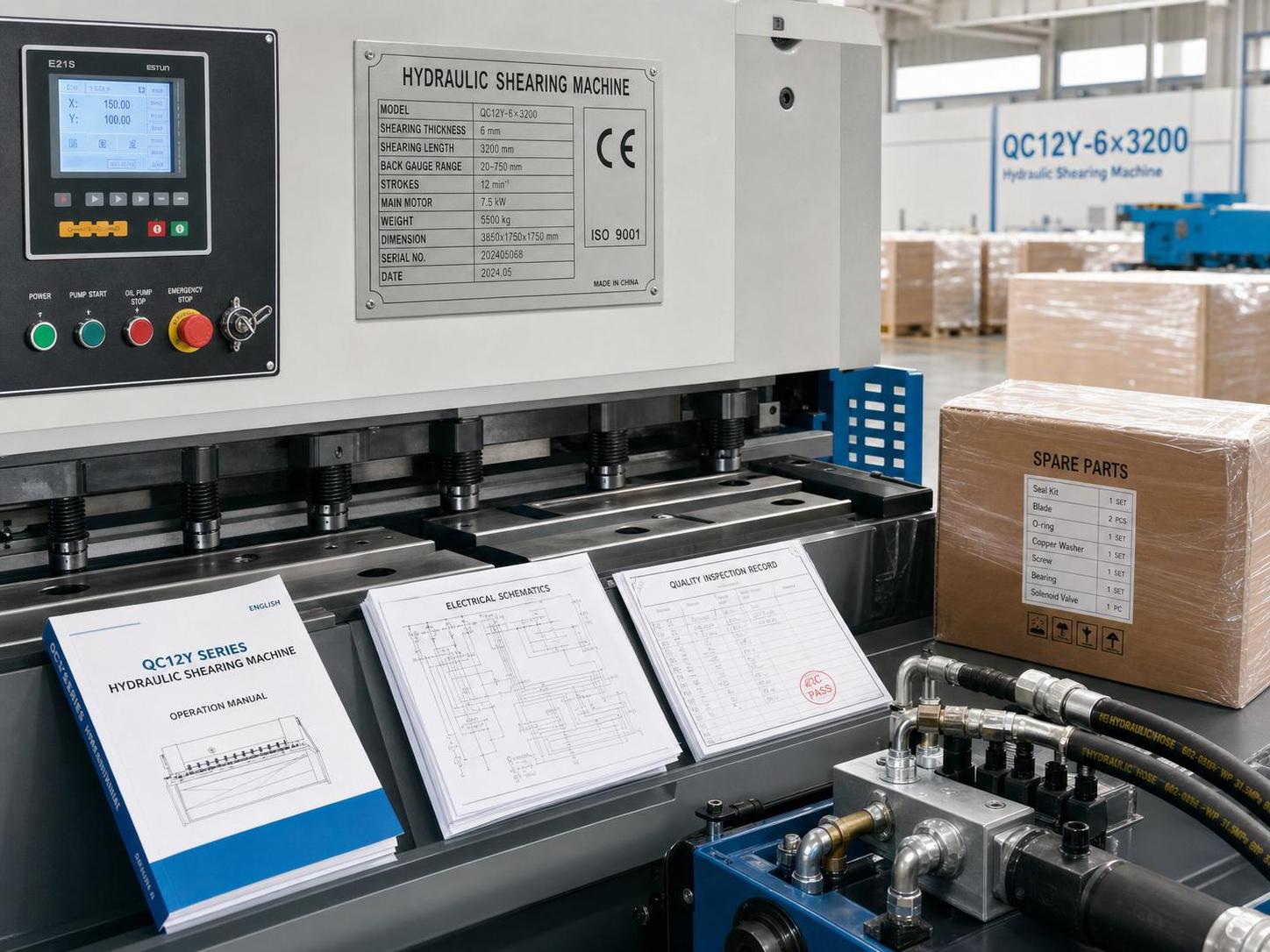
Finally, ask about documentation, installation guidance, operator training, and after-sales response. A Hydraulic Shear may be mechanically straightforward, but productivity losses often come from setup errors, slow troubleshooting, or weak parts support. Machines supported by clear manuals, accessible technical service, and practical commissioning advice tend to reach stable output faster and stay productive longer in export markets.
Applications, Industry Standards, And Global Buying Considerations
Hydraulic Shear machines are widely used where plate and sheet must be prepared accurately before forming or welding. Common scenarios include pressure vessel components, tank shells, structural gussets, flange blanks, ducting panels, machinery covers, transport parts, agricultural equipment, and steel service center operations. In these environments, the machine contributes to dimensional control, material flow, and labor efficiency. Buyers typically value stable cut quality because it reduces rework in fitting, welding, and assembly.
For international procurement, compliance and documentation matter alongside machine performance. The relevant expectations often include general machinery safety practices, electrical conformity, traceable quality control, and operating documents suitable for local plant teams. Wuxi Samgins states that its machines comply with ISO9001 quality system requirements and EU CE Machinery and LVD directives, and it highlights experience with export projects where ASME, API, or local industrial codes shape buyer expectations. These points are relevant when a Hydraulic Shear is being purchased for regulated fabrication environments or cross-border projects.
Customer references can also help buyers judge export readiness and application breadth. The supplied case list includes companies such as URALSTANKOIMPORT, MD Calbah Industries Pty Ltd, Ersay International Transport, Zein Steel Industries Co.LLC, BatysMunaiGazZhabdyktary LLP, PT.Cahaya mas Cemerlang, Estructuras Metalicas Girders Chile Limitada, and Lincoln Electric-MENA. While these names do not replace a technical evaluation, they indicate that the supplier has experience serving different regions and industrial contexts where machine reliability, communication, and service continuity matter.
In practical buying terms, the best Hydraulic Shear is the one that meets local production, safety, and maintenance realities. A plant with stable power, skilled technicians, and heavy plate throughput may justify a more advanced CNC configuration. A distributor serving general fabrication customers may prioritize a robust Hydraulic Swing Beam Shear with simpler maintenance and broad operator familiarity. Matching the machine to regional operating conditions is often more valuable than buying the most complex model available.
Maintenance Essentials, Service Intervals, And Common Problems
Maintenance is a primary factor in the long-term value of a Hydraulic Shear. Daily checks usually include hydraulic oil leaks, blade condition, hold-down function, emergency stop response, guarding, lubrication points, and backgauge movement. Operators should also observe unusual noise, slow return, heat buildup, or irregular cut edges because these symptoms often reveal issues before they become major failures. A simple inspection routine at shift start can prevent unplanned downtime later in the week.
Periodic maintenance should cover hydraulic oil cleanliness, filter condition, bolt tightness, cylinder seals, electrical connections, blade fastening, and gauge calibration. Blade clearance and blade sharpness must be reviewed against the actual materials being processed, not only on a fixed calendar. Shops that cut mixed thicknesses or stainless grades may need more frequent adjustment and inspection than plants running one repetitive product. Good records help teams identify whether quality drift comes from blade wear, gauge error, hydraulic instability, or operator practice.
Common field problems include burr increase, sheet slipping, cut length inconsistency, angled cuts, hydraulic pressure loss, and controller alarms. The root cause is not always complex. Burr often points to blade wear or incorrect clearance. Length inconsistency may come from backgauge looseness or sensor error. Pressure-related issues can arise from contaminated oil, worn seals, or valve malfunction. The practical value of supplier support becomes visible at this stage, especially when remote troubleshooting, spare parts guidance, and commissioning records are available.
Buyers planning long service life should ask in advance about preventive maintenance schedules, spare parts lists, recommended consumables, and technical response paths. Wuxi Samgins emphasizes long-term warranties and support covering design, manufacturing, sales, after-sales, and technical service. For export buyers, that integrated support approach can reduce the operational risk that often appears after installation, when local teams need quick answers rather than generic manuals.
Total Cost Of Ownership, ROI, And Future Trends
The purchase price of a Hydraulic Shear is only one part of total cost of ownership. Buyers should also consider installation, operator training, energy consumption, blade replacement, hydraulic oil and filters, downtime risk, spare parts lead time, maintenance labor, and scrap created by poor cut quality. A cheaper machine may look attractive initially but become expensive if it causes frequent rework, unstable accuracy, or long stoppages waiting for technical support. TCO analysis should therefore include both direct and indirect production costs.
ROI usually improves when the machine reduces bottlenecks in cutting preparation and feeds downstream bending or welding operations with more consistent blanks. Plants with high material costs often recover value through better nesting discipline, lower scrap, and fewer rejected parts. Shops with labor constraints gain from easier setup, faster gauge positioning, and reduced manual correction. In many cases, a properly specified Hydraulic Shear creates savings not by dramatic speed alone, but by keeping the entire fabrication sequence predictable.
Looking forward, the market is moving toward better control integration, easier parameter adjustment, lower energy consumption, stronger diagnostic capability, and more practical automation around material handling. Buyers increasingly expect CNC interfaces that simplify setup and reduce dependence on individual operator experience. At the same time, durability and serviceability remain central because many industrial users still prioritize uptime over excessive feature complexity. The future Hydraulic Shear is likely to combine straightforward maintenance with smarter monitoring and more adaptable production control.
For companies evaluating suppliers today, the strongest decision framework combines machine specification, process fit, support depth, and export execution capability. In that context, Wuxi Samgins presents itself as a broad fabrication equipment partner rather than only a single-machine seller. For buyers who may later expand into press braking, rolling, welding automation, beam processing, or CNC cutting, that wider capability can make procurement and line planning more consistent over time.
search

Recommended blogs
 When Does a Custom Hydraulic Shearing Machine Make Sense for Specialized Metal Cutting?
- How to Evaluate a Hydraulic Shearing Machine Exporter for Documentation and After-Sales Support
 Hydraulic Shearing Machine Safety Checks Before Daily Operation
- Hydraulic Shearing Machine for Sale: How to Verify Specs Before You Request a Quote
- Why Source a Hydraulic Shearing Machine from China? Factory Capacity, Cost, and Risks
- CNC Hydraulic Shearing Machine Selection Guide: Stroke, Backgauge, and Control System
Send Us A Message
Send us a Message
A dedicated person will follow up on your needs one-on-one and provide personalized customized solutions according
to your needs.
Get In Touch
We look forward to hearing from you for in-depth communication on how to fulfill your mixing requirements.