




Why Source a Hydraulic Shearing Machine from China? Factory Capacity, Cost, and Risks
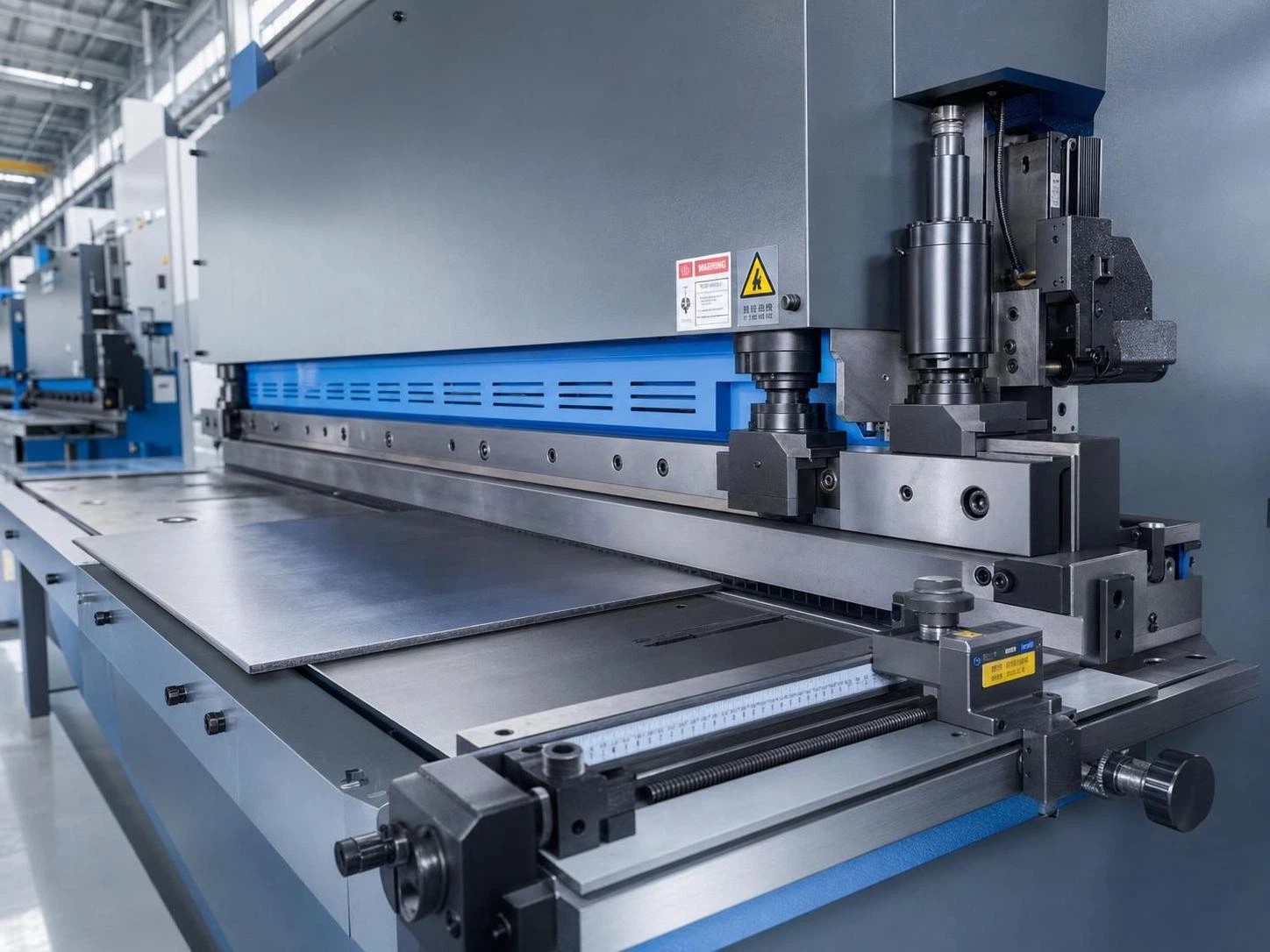
A hydraulic shearing machine China source can look attractive for a simple reason: it often combines large factory capacity, practical engineering, and pricing that changes project economics. For metal fabrication businesses, that matters when equipment must support daily cutting volume, stable accuracy, and predictable operating cost. The real decision, however, is not only about price. It is about whether the supplier can deliver consistent build quality, documented standards, dependable lead times, and support that remains useful after installation.
Why China remains central in sheet metal equipment supply
China has built a dense manufacturing ecosystem around fabrication machinery. Hydraulic shearing systems benefit from nearby suppliers of hydraulic parts, motors, control components, steel structures, and machining services.
That concentration usually shortens production cycles and improves price competitiveness. It also gives buyers access to a wide range of machine sizes, automation levels, and customization options.
For a buyer comparing global sources, hydraulic shearing machine China options often stand out because local factories can scale from entry-level workshop machines to heavy-duty systems for plate processing lines.
What a hydraulic shearing machine really needs to deliver
At its core, a hydraulic shearing machine cuts metal sheets with controlled force, repeatable stroke motion, and blade clearance suited to material thickness. That sounds straightforward, but performance depends on several linked details.
Frame rigidity affects cut straightness. Hydraulic stability affects stroke consistency. Blade quality affects edge finish and service life. Backgauge accuracy affects repeat production.
This is why sourcing a hydraulic shearing machine China should start with application clarity. Mild steel processing, stainless sheet work, and thicker plate cutting can require different machine priorities.
In many fabrication lines, the shearing stage also connects with upstream and downstream equipment. A plant cutting bars, pipes, and profiles for mechanical processing may also review solutions such as Band Saw Machine equipment, especially when automated material preparation is part of a broader workshop upgrade.
Factory capacity matters more than a brochure suggests
Factory capacity is not only annual output. It includes machining capability, welding quality, assembly discipline, testing process, and parts sourcing stability.
A supplier with real capacity can usually show:
- structured production schedules for different machine models;
- in-house or controlled machining for key frame components;
- repeatable inspection records before shipment;
- documented testing of hydraulics, controls, and cutting accuracy;
- the ability to support spare parts over time.
This is one reason industrial clusters in Jiangsu remain important. Wuxi, for example, sits close to Shanghai and has long been connected to machine building, metal processing, and export logistics.
Companies such as Wuxi Samgins International Trade Co.,Ltd operate in that environment, supplying shearing machines alongside bending machines, plate rolling machines, deburring systems, CNC cutting equipment, and other fabrication machinery.
That wider product background can help when a buyer is not purchasing one isolated machine, but reviewing line compatibility, workshop planning, and future equipment expansion.
Where the cost advantage usually comes from
The cost advantage of a hydraulic shearing machine China source is rarely just lower labor cost. It often comes from supply chain depth, production volume, and mature component sourcing.
Standardized structures and modular options also reduce engineering duplication. For buyers, that can translate into better specification value at the same budget level.
Still, the cheapest quotation can become the most expensive choice if blades wear quickly, controls fail early, or alignment drifts under production load.
The risks behind an attractive quotation
The main risks are usually visible before the order, if the evaluation is detailed enough. Problems often begin with unclear specifications and weak documentation.
Quality variation
Not every hydraulic shearing machine China supplier works at the same level. Similar photos or similar model labels can hide major differences in frame machining, hydraulic brands, and control systems.
Certification gaps
Certificates should match the machine delivered, not just the company profile. ISO9001 and CE references are useful, but buyers should confirm scope, validity, and technical file support.
Delivery uncertainty
Lead time risks increase when the supplier depends heavily on outsourced machining or unstable component procurement. Shipping preparation and export packing quality also affect the true delivery outcome.
After-sales limitations
A machine may arrive in working condition yet still create risk if drawings, parameter guidance, spare parts response, or remote troubleshooting are weak.
How to judge a supplier with more confidence
A strong evaluation process should test both commercial and technical reliability. That usually means checking evidence, not relying on claims.
- Request machine videos showing actual cutting on your material range.
- Confirm blade specification, hydraulic component brands, and control configuration.
- Ask for inspection records and pre-shipment testing standards.
- Review packing method, electrical standard, and installation documents.
- Check whether spare parts can be supplied quickly after commissioning.
Suppliers with export experience to Southeast Asia, Europe, the Americas, and Oceania usually understand these expectations better. That matters because documentation and compliance issues often surface after the commercial agreement is signed.
Wuxi Samgins International Trade Co.,Ltd presents that kind of broader equipment and export background, with product organization aligned to ISO9001 quality management and EU CE standards. In practice, that is valuable when a project needs more than a one-time shipment.
Looking beyond one machine
A shearing machine purchase often sits inside a larger production logic. If a workshop handles sheet, plate, bar, pipe, and profile materials, equipment matching becomes more important than unit price alone.
For example, profile cutting workflows may be better served by a CNC-enabled Band Saw Machine that controls feed speed and motion path for higher precision. That does not replace shearing, but it shows why source planning should follow material type and production sequence.
This broader view helps prevent underbuying, overbuying, or selecting a machine that performs well alone but poorly within the full process.
A practical next step
The best way to evaluate a hydraulic shearing machine China option is to build a short comparison framework before requesting final quotations. Include material type, maximum thickness, daily cutting volume, tolerance expectations, electrical standards, and required support.
Then compare suppliers on proof of manufacturing capacity, not only catalog range. A dependable source should be able to explain how the machine is built, tested, packed, and supported after arrival.
When that process is done carefully, sourcing from China can be more than a low-cost decision. It can become a disciplined equipment investment with clearer performance, lower lifecycle risk, and better fit for long-term metalworking operations.
search
Products Navigation
Send Us A Message