




Hydraulic Shearing Machine Explained: Key Components, Cutting Performance, and Selection Essentials
What Is A Hydraulic Shearing Machine
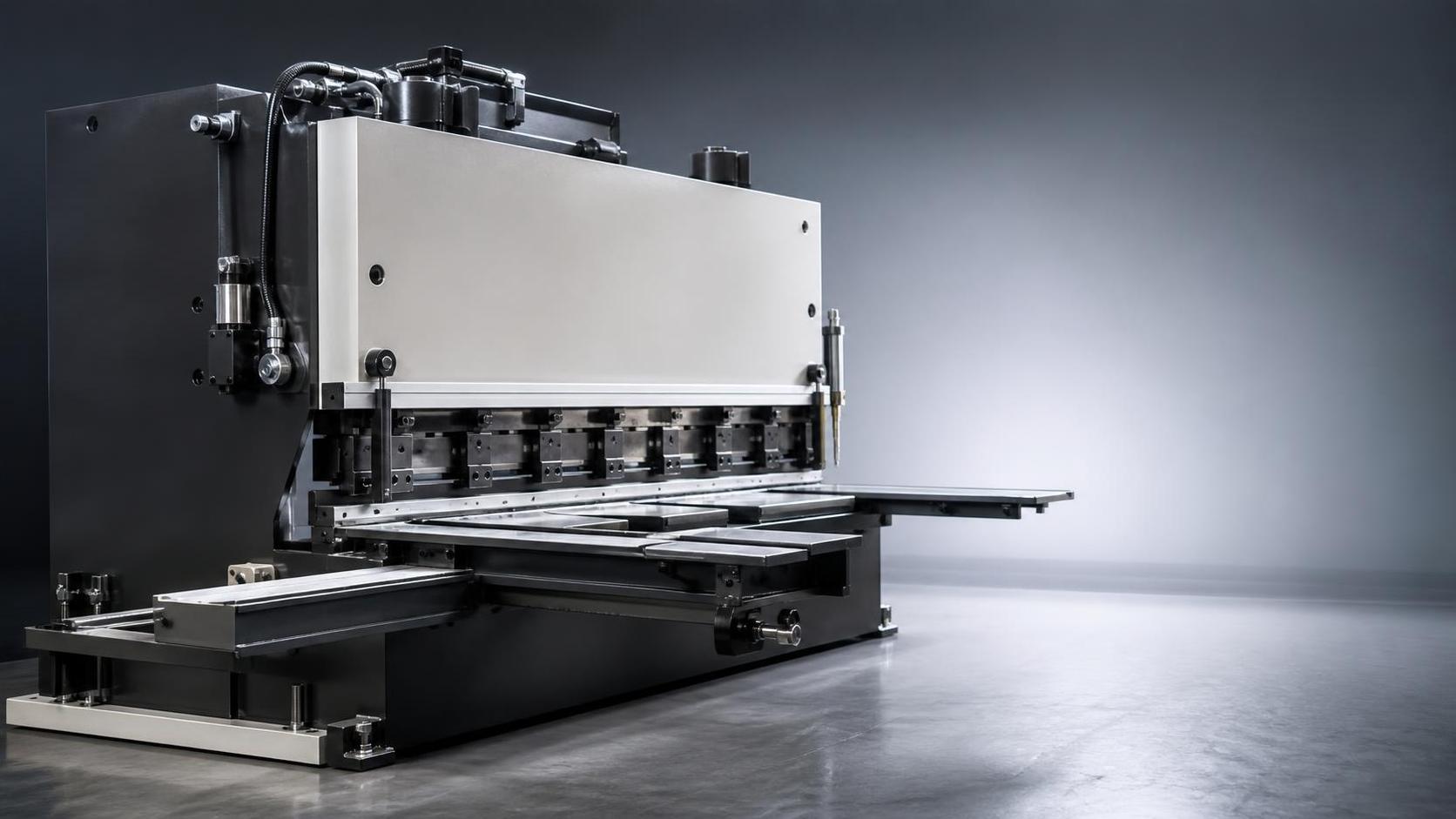
A Hydraulic Shearing machine is an industrial machine tool designed to cut sheet metal or plate by driving an upper blade past a fixed lower blade with hydraulic force. It is widely used where factories need fast, repeatable straight cuts before bending, welding, rolling, drilling, or assembly. In practical production, it often serves as a front-end preparation machine that directly affects downstream dimensional accuracy and material utilization.
The physical cutting action relies on controlled blade clearance, hold-down pressure, machine rigidity, and stroke stability. Instead of melting or grinding through material, the machine creates fracture along a line after elastic and plastic deformation in the sheet. This makes a Hydraulic Shearing machine efficient for many carbon steel, stainless steel, galvanized sheet, and aluminum applications where thermal distortion from cutting must be minimized.
In the manufacturing and processing machinery sector, the machine is considered a standard asset for sheet metal workshops, structural steel plants, pressure vessel fabricators, appliance component makers, and job shops. Buyers normally evaluate it by cutting thickness, cutting length, backgauge precision, blade life, hydraulic stability, and ease of maintenance rather than by headline power alone.
Although a Hydraulic Shearing machine appears mechanically simple, its production value is high because it controls the quality of blanks entering later operations. Poor shearing creates burrs, bowing, angle deviation, and rework. Good shearing supports more stable bending, seam alignment, edge preparation, and welding productivity across the entire line.
How The Cutting Principle Works
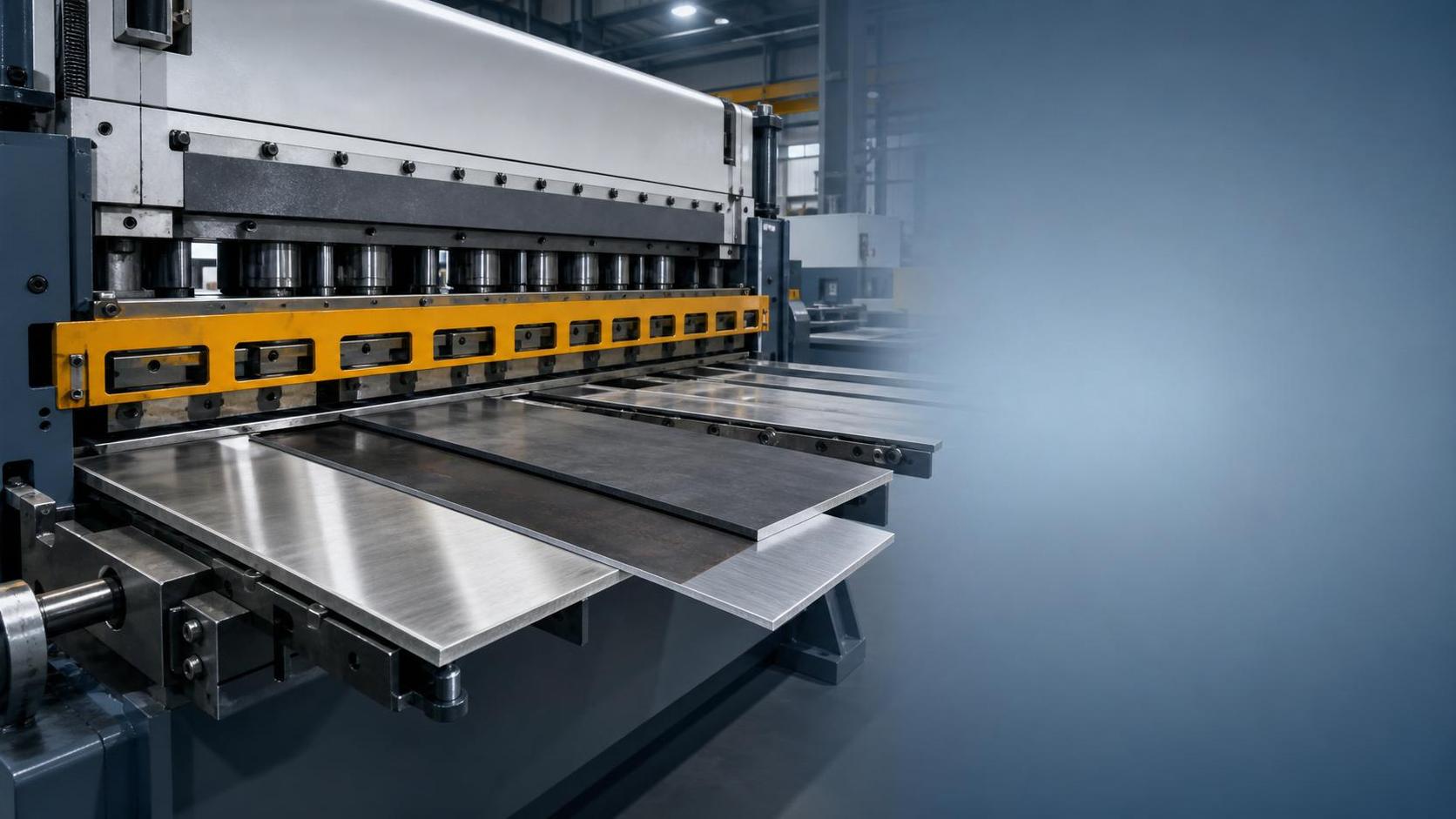
The machine operates through a hydraulic system that converts motor power into controlled linear blade motion. Hydraulic cylinders drive the upper beam downward while hold-down cylinders clamp the sheet to prevent movement. During the stroke, the upper and lower blades pass with a calculated gap so the material first deforms, then fractures in a controlled way along the cut line.
Cutting performance depends heavily on four technical variables: blade geometry, blade clearance, rake angle, and frame stiffness. If blade clearance is too small, edge burnishing increases and blade wear accelerates. If it is too large, burr height rises and the cut edge becomes rough. A properly configured Hydraulic Shearing machine balances these variables according to material grade and thickness.
Hydraulic synchronization also matters. Stable pressure delivery helps the beam move evenly across the full cutting length, which is especially important when processing long sheets or harder materials. Backgauge positioning then determines blank depth, while squaring arms and front support arms help operators feed the sheet consistently. These supporting systems are often overlooked during procurement even though they influence daily output more than peak tonnage claims.
For buyers planning a connected production flow, the shearing stage should be evaluated together with edge milling, plate rolling, press brake forming, or longitudinal seam welding. Wuxi Samgins supplies a broad machine portfolio in these adjacent processes, so a Hydraulic Shearing machine can be selected with the upstream and downstream workflow in mind rather than as an isolated purchase.
Main Components And Their Impact On Quality
The main frame is the structural foundation of a Hydraulic Shearing machine. Its rigidity influences vibration, blade alignment, and long-term dimensional stability. A weak or poorly stress-managed frame may still cut material at first, but accuracy tends to drift under repeated heavy loading. For this reason, experienced buyers ask about welding quality, machining precision, and frame finishing rather than focusing only on nominal specification sheets.
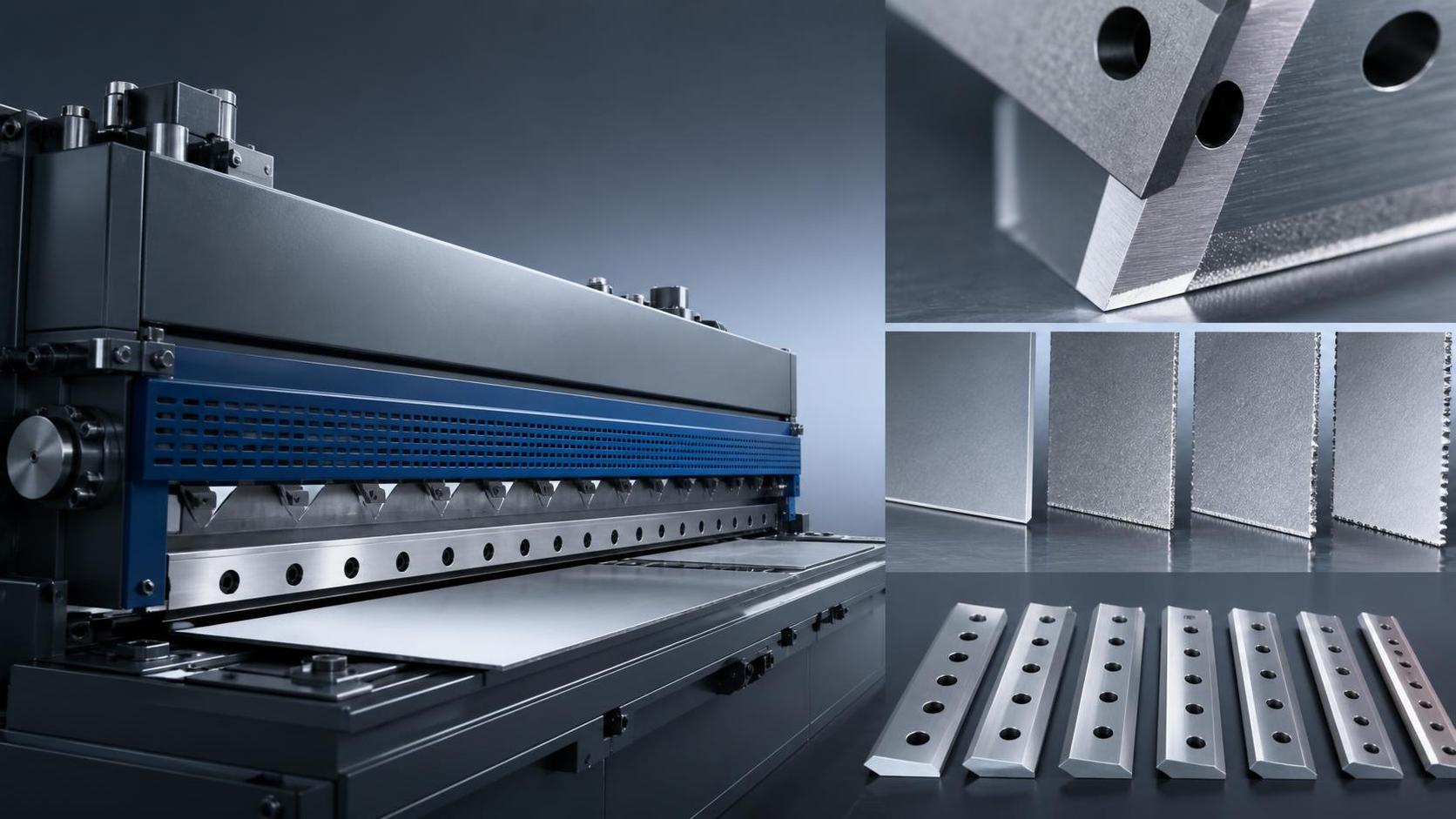
The blade set is another critical element. Blade material, hardness consistency, edge grinding quality, and the number of usable cutting edges all affect operating cost. Buyers should confirm whether the machine supports practical blade gap adjustment and whether replacement blades are easy to source. In a production environment, fast access to wear parts can matter as much as the original machine price.
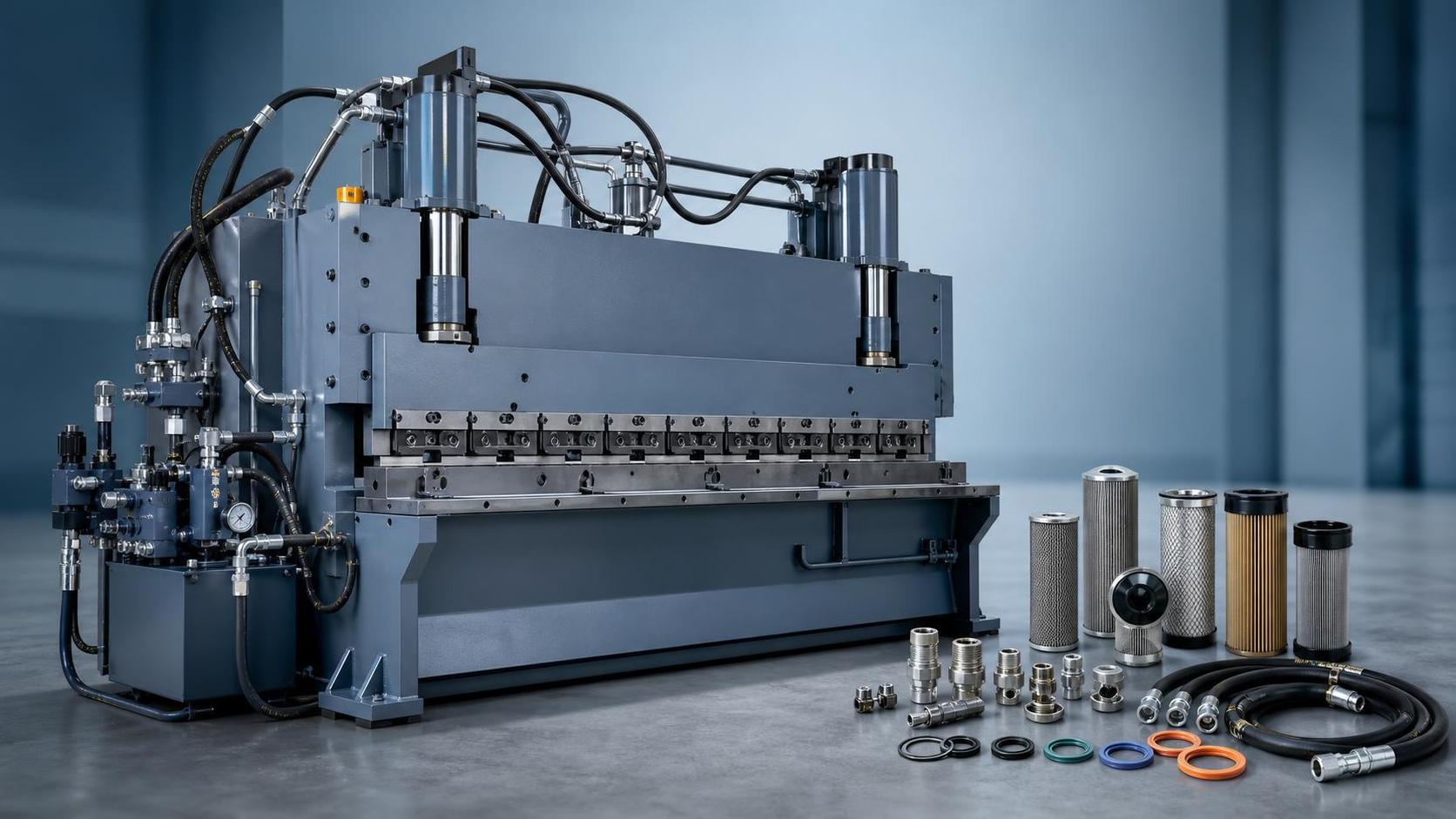
The hydraulic power unit, cylinders, seals, and valves define motion smoothness and reliability. According to the company profile provided, Wuxi Samgins emphasizes key hydraulic, servo, and CNC components from well-known imported brands. In real operating conditions, this can support better pressure consistency, lower failure risk, and more stable repeatability over long cycles, especially for buyers running multi-shift production.
Control systems, backgauge assemblies, electrical parts, safety devices, and operator interfaces complete the machine. A modern Hydraulic Shearing machine benefits from intuitive parameter input, stable backgauge movement, and straightforward maintenance access. Even when buyers do not require a highly advanced CNC level, clear controls and serviceable layouts reduce setup mistakes and shorten operator training time.
Main Types And Where They Fit Best
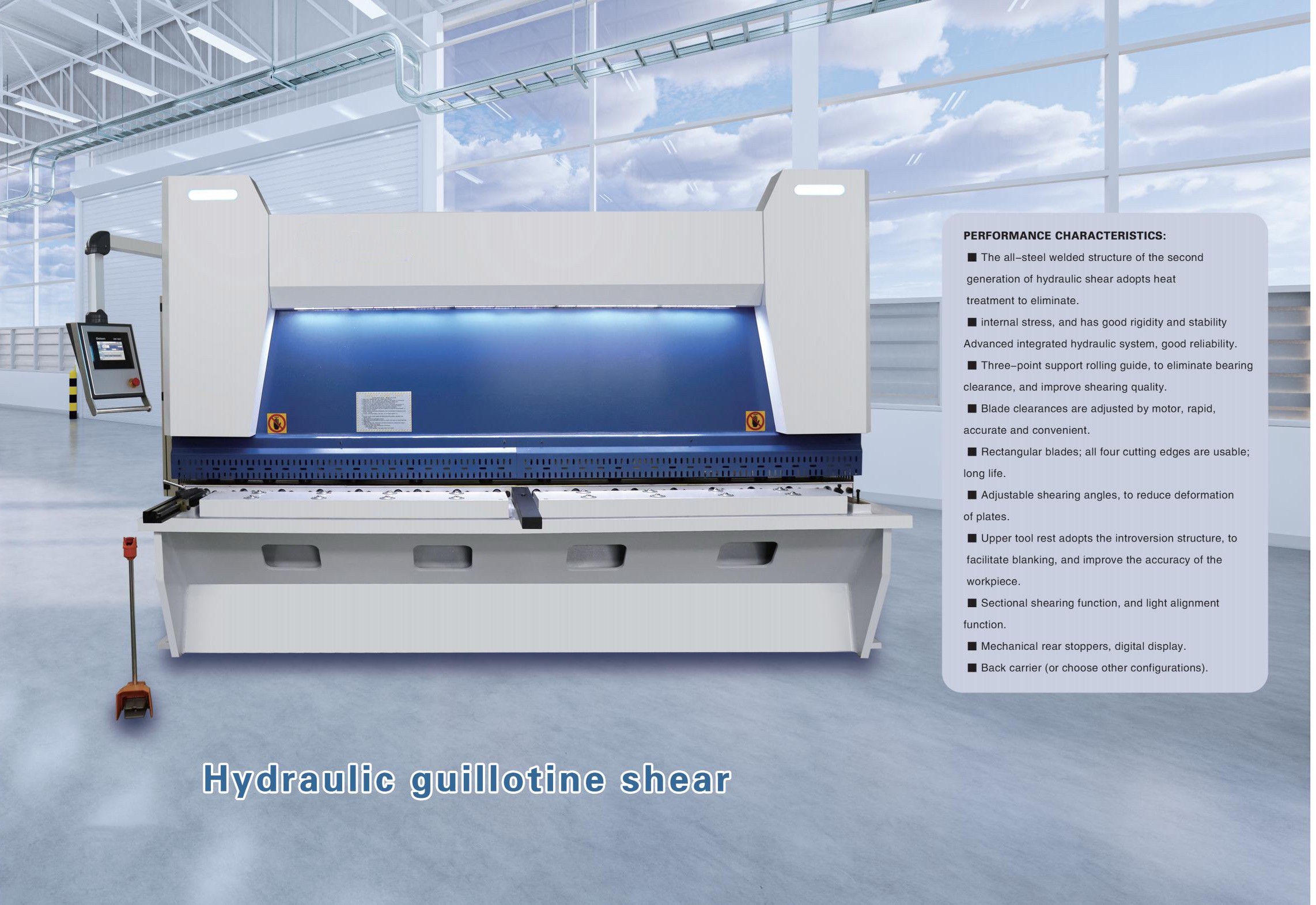
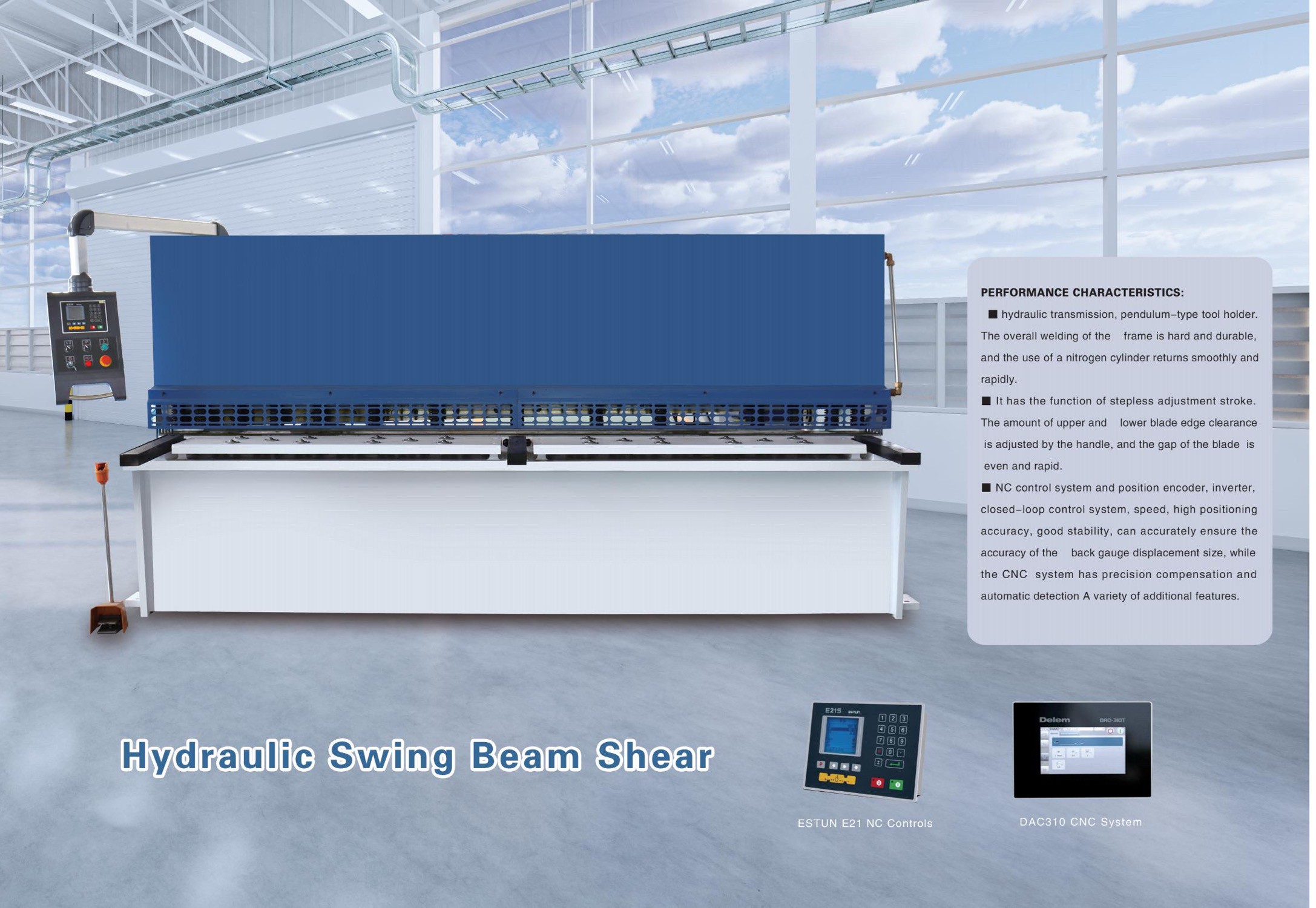
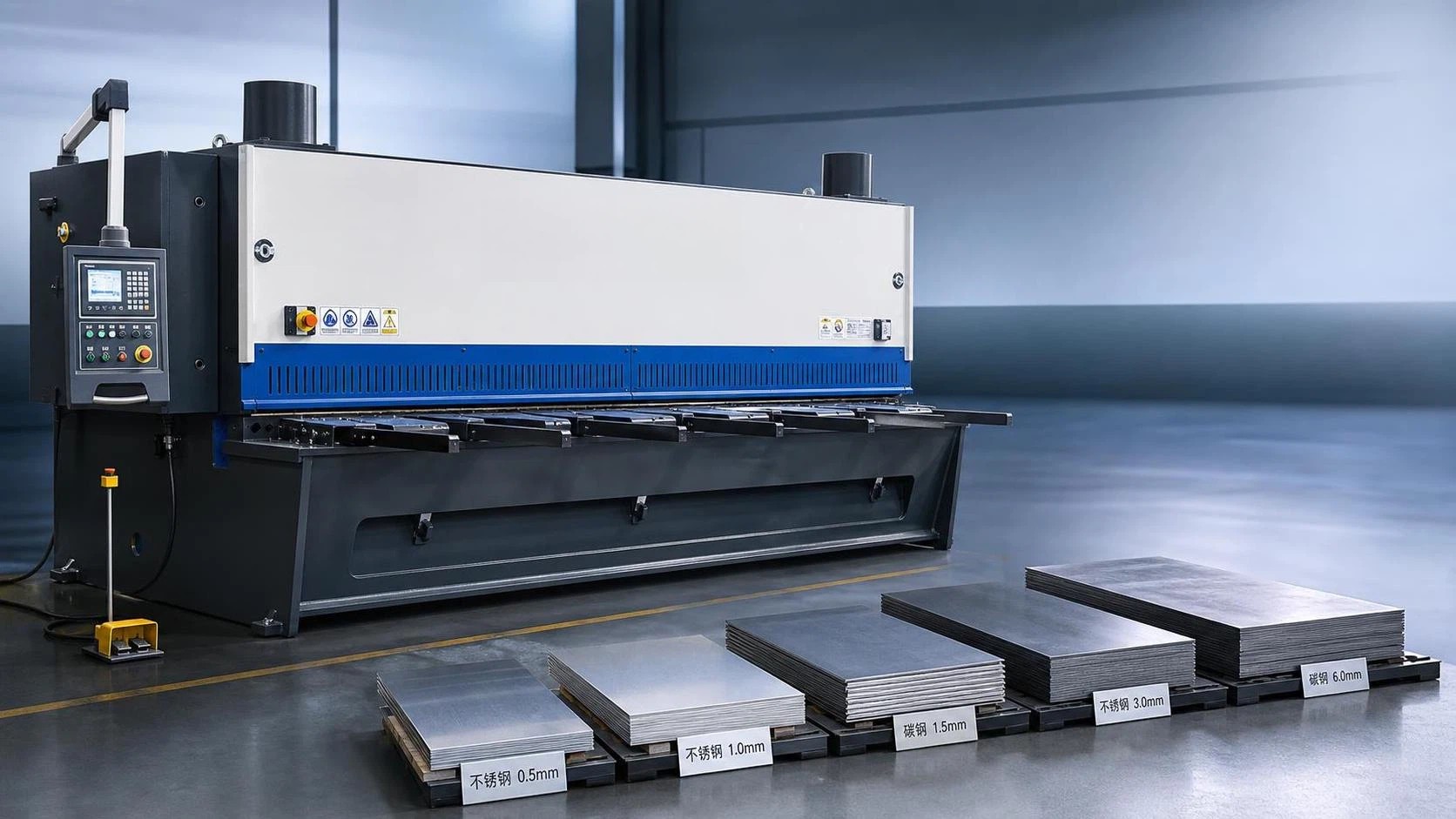
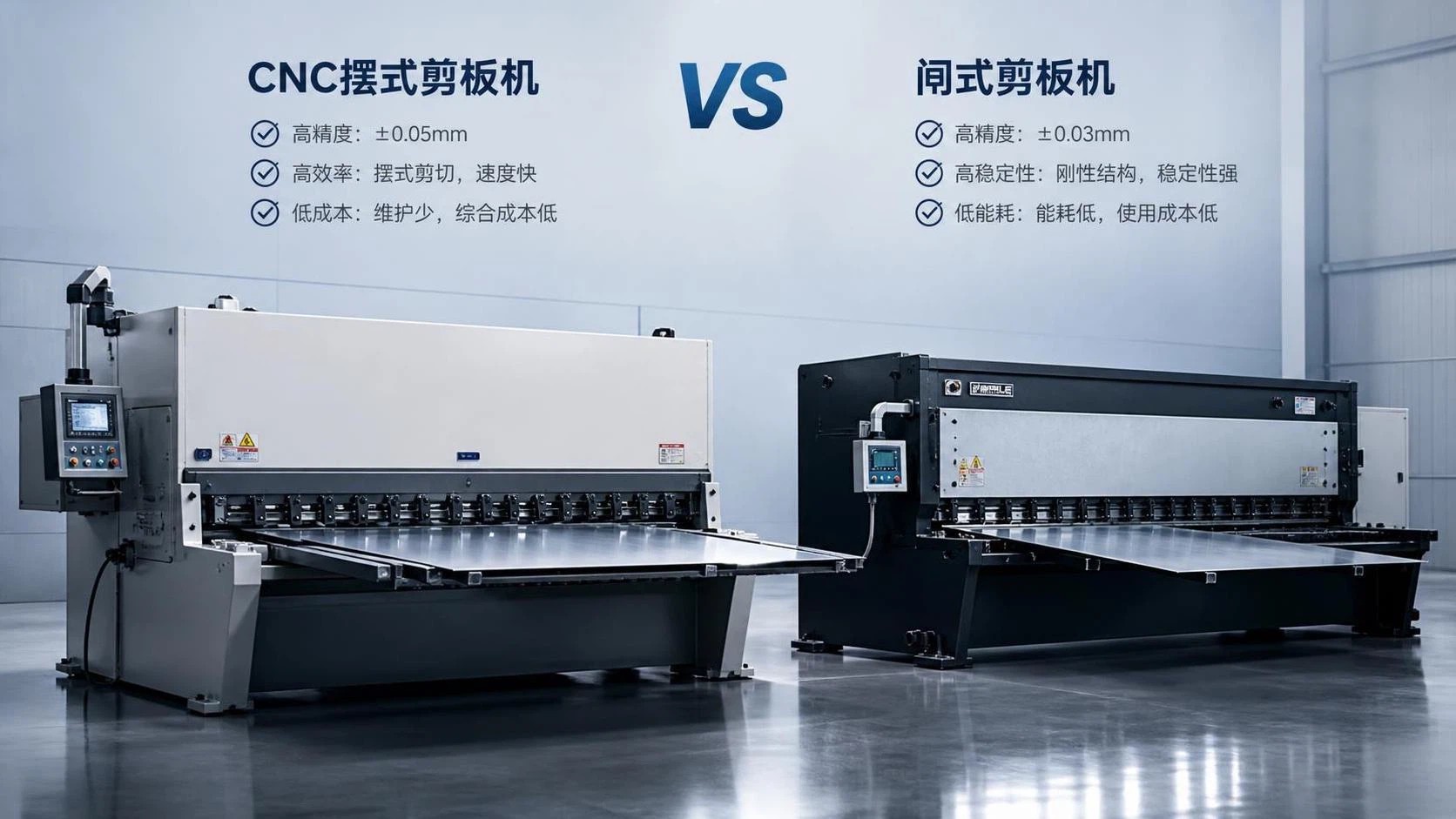
The two most common categories are swing beam shears and guillotine shears. A swing beam Hydraulic Shearing machine uses an upper beam that moves in an arc. It is often valued for straightforward construction, practical reliability, and suitability for general plate cutting. Many small and medium workshops choose this type when their product mix is broad and precision demands are balanced with investment control.
A guillotine Hydraulic Shearing machine uses a more linear blade path and is often favored when users need tighter control of blade gap, better edge quality on varied thicknesses, or more consistent performance across wider material ranges. For operations that process higher-value plate or require more demanding dimensional control before forming or welding, this type may provide a better process fit.
Machines can also be compared by control level, from conventional operation to NC or CNC configuration. More advanced control becomes useful when the factory handles frequent size changes, repeat batch production, or higher operator turnover. Programmable backgauge sequences, stroke control, and job memory help reduce manual adjustment time and improve consistency over repeated orders.
Selection should therefore start from actual cutting work, not from category labels. Material mix, batch size, edge quality target, labor skill, and production rhythm all matter. A workshop making simple blanks from mild steel may need a different Hydraulic Shearing machine from a vessel fabricator preparing stainless parts for subsequent edge milling and longitudinal seam welding.
Who Uses It And Why It Matters In Production
Typical users include sheet metal subcontractors, HVAC fabricators, enclosure manufacturers, steel structure plants, tank and pressure vessel shops, ship-related workshops, and machinery factories. In these settings, a Hydraulic Shearing machine is not just a cutting tool. It is a throughput control point that influences bending fit-up, welding seam preparation, scrap rate, operator efficiency, and the pace of order fulfillment.
For fabricators producing welded cylinders, boxes, frames, or formed panels, straightness and repeatability from the shearing stage help reduce cumulative error in later operations. This is one reason many buyers prefer to source from suppliers that understand complete fabrication flow. Wuxi Samgins serves customers across welding, cutting, beam processing, plate preparation, and pipe processing, which is relevant when customers need process continuity rather than a single standalone machine.
The machine is especially important where thermal cutting is not ideal for every part. Compared with some cutting methods that can introduce heat-affected distortion or require more post-processing, a Hydraulic Shearing machine can provide faster blanking for straight cuts with lower energy consumption and less cleanup on suitable materials. That makes it practical for repetitive production and cost-sensitive procurement programs.
It also matters in factories moving toward leaner material flow. When the correct machine size, gauge control, and support tooling are chosen, sheet handling becomes easier, scheduling improves, and manual correction work declines. Buyers often discover that the real value of the machine comes from process stability rather than from the cutting stroke itself.
Selection Essentials For Buyers
The first selection step is to define the thickest and widest material to be cut in normal operation, not just in rare edge cases. A Hydraulic Shearing machine that is too small creates bottlenecks and quality issues, while one that is heavily oversized may increase capital cost, energy use, and footprint without delivering proportional production value. Buyers should compare their common cutting range with their peak requirement and then choose a rational buffer.
Material type must be evaluated together with thickness. Mild steel, stainless steel, aluminum, and high-strength plate behave differently during shearing. The same nominal thickness can require different blade clearance, hold-down behavior, and machine reserve. It is good practice to ask the supplier to review the actual material list and target edge quality rather than selecting only by a generic carbon steel chart.
Control requirements come next. If the plant runs repeated job sizes, a programmable backgauge and simple NC or CNC interface can improve yield and reduce operator dependence. Buyers should also inspect front support design, squaring arm length, stroke adjustability, and safety guarding. These details strongly affect day-to-day usability, especially in B2B environments where uptime and labor efficiency directly impact delivery performance.
Supplier capability is another selection factor. Wuxi Samgins highlights customization capability across multiple machine categories, including welding robots, long seam welding machines, and heavy-duty welding rotators. For a Hydraulic Shearing machine buyer, that matters because customized electrical standards, working voltage, feeding supports, or process-matched recommendations can be addressed more effectively when the supplier already works with steel structures, pipelines, tanks, and sheet metal factories.
Applications, Standards, And Market Access Considerations
A Hydraulic Shearing machine is commonly applied in general sheet preparation, structural fabrication, duct and cabinet production, tank shell blanking, trailer and transport component processing, and workshop support for beam and plate lines. In many factories it works alongside press brakes, rolling machines, edge milling machines, and welding stations to create a compact fabrication cell that converts raw plate into ready-to-assemble parts.
For international buyers, compliance and documentation can influence market access as much as machine performance. The supplied company information states that Wuxi Samgins machines comply with ISO9001 quality system requirements and EU CE Machinery and LVD directives. Those points are useful for buyers who need a supplier familiar with standard export documentation and baseline compliance expectations for cross-border equipment procurement.
The company also notes experience with ASME, API, and local industry codes. While those codes apply more directly to finished equipment and fabrication environments than to a shearing machine alone, supplier familiarity with these requirements is still relevant. It indicates awareness of precision, traceability, and project execution expectations in sectors such as pressure vessels, pipelines, and heavy steel fabrication.
From an application standpoint, buyers planning an integrated line may consider pairing a Hydraulic Shearing machine with related equipment such as a Longitudinal seam welding machine, plate rolling machine, or edge milling machine. This is especially practical for factories producing shells, tanks, ducts, or long welded sections where blank accuracy affects final welding quality and assembly speed.
Cost Structure, TCO, And ROI Logic
The purchase price of a Hydraulic Shearing machine is only one part of ownership cost. Total cost of ownership includes installation, tooling, spare blades, hydraulic maintenance items, operator training, downtime risk, energy use, scrap loss, and output consistency. In many B2B operations, scrap reduction and fewer production interruptions create more value over time than a lower initial quotation.
Several factors typically raise or lower TCO. These include frame quality, hydraulic component grade, backgauge precision, control level, safety integration, and service support responsiveness. A machine with unstable blade movement or inconsistent gauge positioning may appear economical at first but can lead to hidden costs through rework, rejected parts, slower setup, and higher dependence on skilled operators.
ROI should be judged against the buyer's actual production model. For a workshop running high volume of repeated straight cuts, cycle efficiency and blade life may dominate the return calculation. For mixed-order job shops, flexibility, ease of parameter change, and reduced setup error can be more important. For export-oriented manufacturers, documentation quality and after-sales support may carry additional financial weight because delays affect customer delivery commitments.
When evaluating offers, buyers should request a practical discussion around material range, target tolerance, consumables, electrical standard, spare parts package, and expected service pathway. Wuxi Samgins positions itself around broad product coverage, technical support, and long-term service, which is relevant for customers trying to balance capital expenditure with dependable operation over years rather than months.
Maintenance, Troubleshooting, And Upgrade Timing
Routine maintenance for a Hydraulic Shearing machine usually includes hydraulic oil checks, seal inspection, lubrication of moving parts, electrical connection review, blade condition assessment, and backgauge calibration. The correct interval depends on shift intensity, material type, operating temperature, and local maintenance discipline. A clear preventive schedule is generally more cost-effective than reacting after cut quality has already deteriorated.
Common cutting problems include burr increase, twist or bow in narrow strips, inaccurate blank depth, hold-down marking, and unusual hydraulic noise. These issues may relate to dull blades, poor clearance setting, worn seals, backgauge deviation, or unsuitable cutting parameters for the material. Because these faults often look similar at the finished edge, systematic diagnosis is more useful than trial-and-error adjustment on the shop floor.
Upgrade timing usually becomes relevant when order mix changes, when maintenance frequency begins affecting delivery reliability, or when manual setup time becomes a serious labor cost. Moving from a conventional machine to an NC or CNC Hydraulic Shearing machine can make sense when the plant handles frequent dimension changes or needs better repeatability between operators and shifts.
For buyers researching these topics further, three adjacent subjects are especially useful: choosing a Hydraulic Shearing machine by material and thickness, understanding cost factors that affect ROI, and identifying common cutting problems with corresponding fixes. These lines of evaluation help turn a general equipment inquiry into a more accurate procurement decision.
Future Trends And Supplier Evaluation
The future direction of the Hydraulic Shearing machine market is shaped by automation, digital parameter control, stronger safety integration, and closer connection with complete fabrication lines. Buyers increasingly want machines that fit into a broader production system with traceable settings, lower manual adjustment, and easier maintenance planning. This is especially true in export-driven factories where quality consistency matters across repeat orders.
Another trend is more careful matching between machine configuration and actual factory workflow. Instead of buying isolated equipment based only on headline thickness, purchasers are comparing blanking, forming, welding, and finishing as one value chain. In that context, suppliers with broader process knowledge often provide better technical guidance because they can anticipate how shearing quality will influence bending accuracy, weld seam alignment, or rolling efficiency.
Wuxi Samgins is positioned around that broader manufacturing context. Its product range covers cutting, welding, beam processing, plate preparation, and pipe handling equipment, and its export references include companies such as URALSTANKOIMPORT, MD Calbah Industries Pty Ltd, Ersay International Transport, Contevix comercio e servicos ltda, Zein Steel Industries Co. LLC, BatysMunaiGazZhabdyktary LLP, S.P Blue Fisheries LDA, Rienzie Group, SALEH SAAD ALSANHANI, Engiplas engineering plastics, Regional engineering works, PT.Cahaya mas Cemerlang, Estructuras Metalicas Girders Chile Limitada, and Lincoln Electric-MENA.
For serious procurement, the best path is to evaluate the Hydraulic Shearing machine as part of a production objective: target material range, required cut quality, downstream process needs, operator skill level, support expectation, and long-term cost. That approach leads to a more defensible purchase decision and a better fit between machine capability and real manufacturing output.
search
Recommended Products
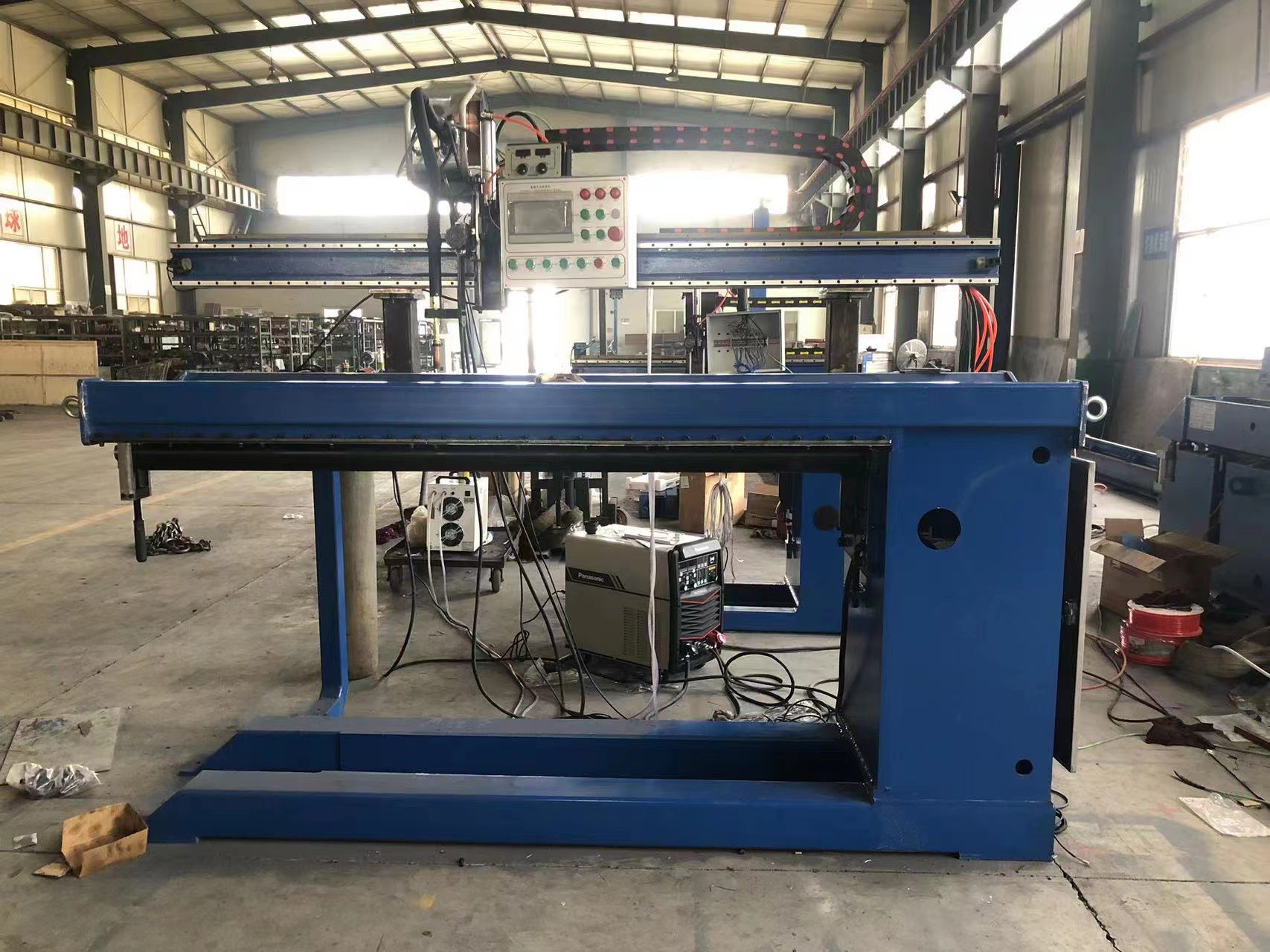
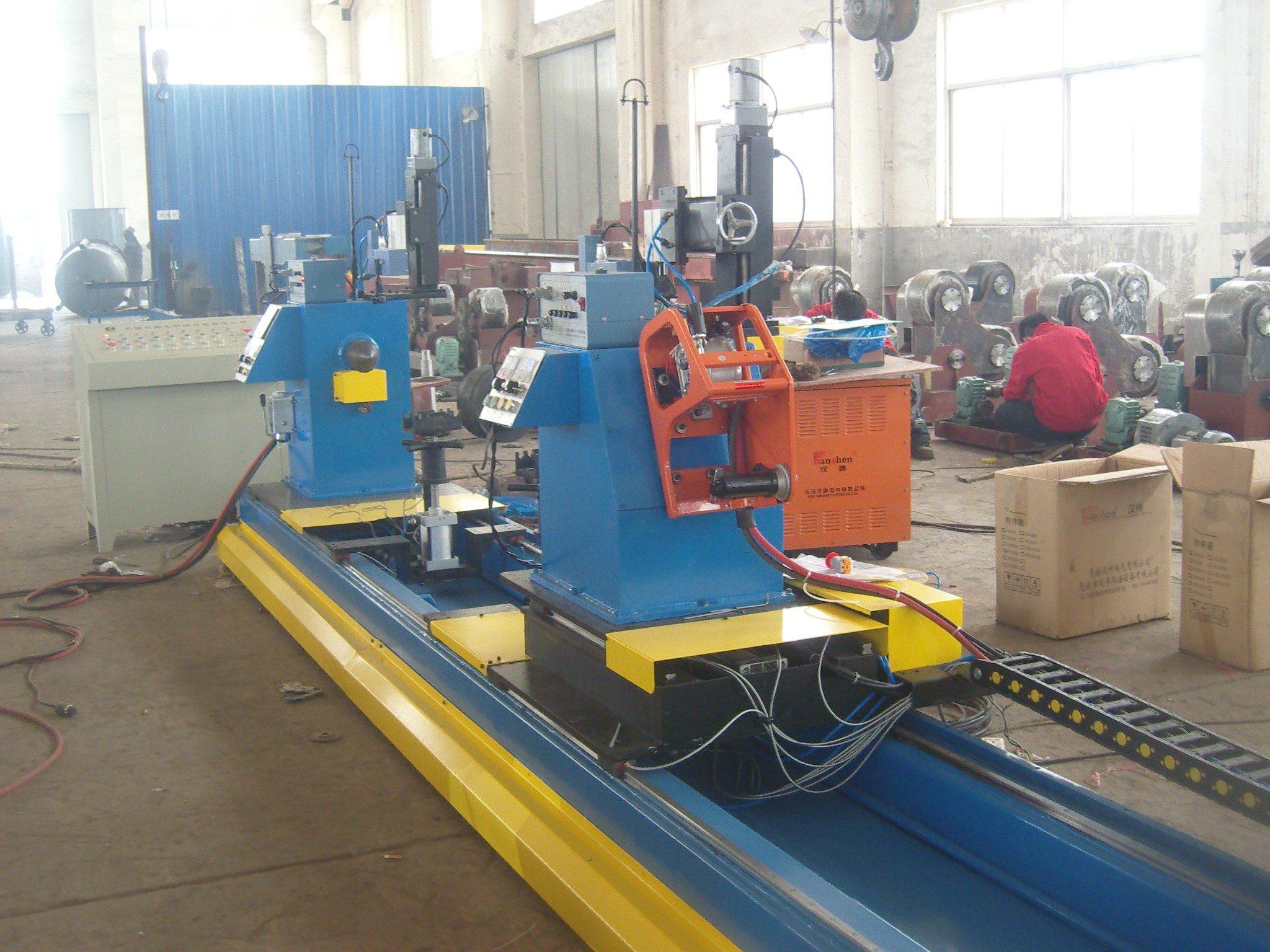
 Longitudinal seam welding machine1.1 Key-type pneumatic pressing device is applied to calmp the work piece. This device provides force evenly to work piece and prevents
deformation.
1.2 It is widely applied in high quality welding and low-deformation straight seam. Use in such fi eld: petrochemical industry, solar water
heater manufactor, pipeline and automobile industry.
1.3 Controlled by PLC, driven by DC motor, and stepless speed regulation, with control system to realize automatic welding,and equipped
with straight oscillator for optional choice.![星星1]()
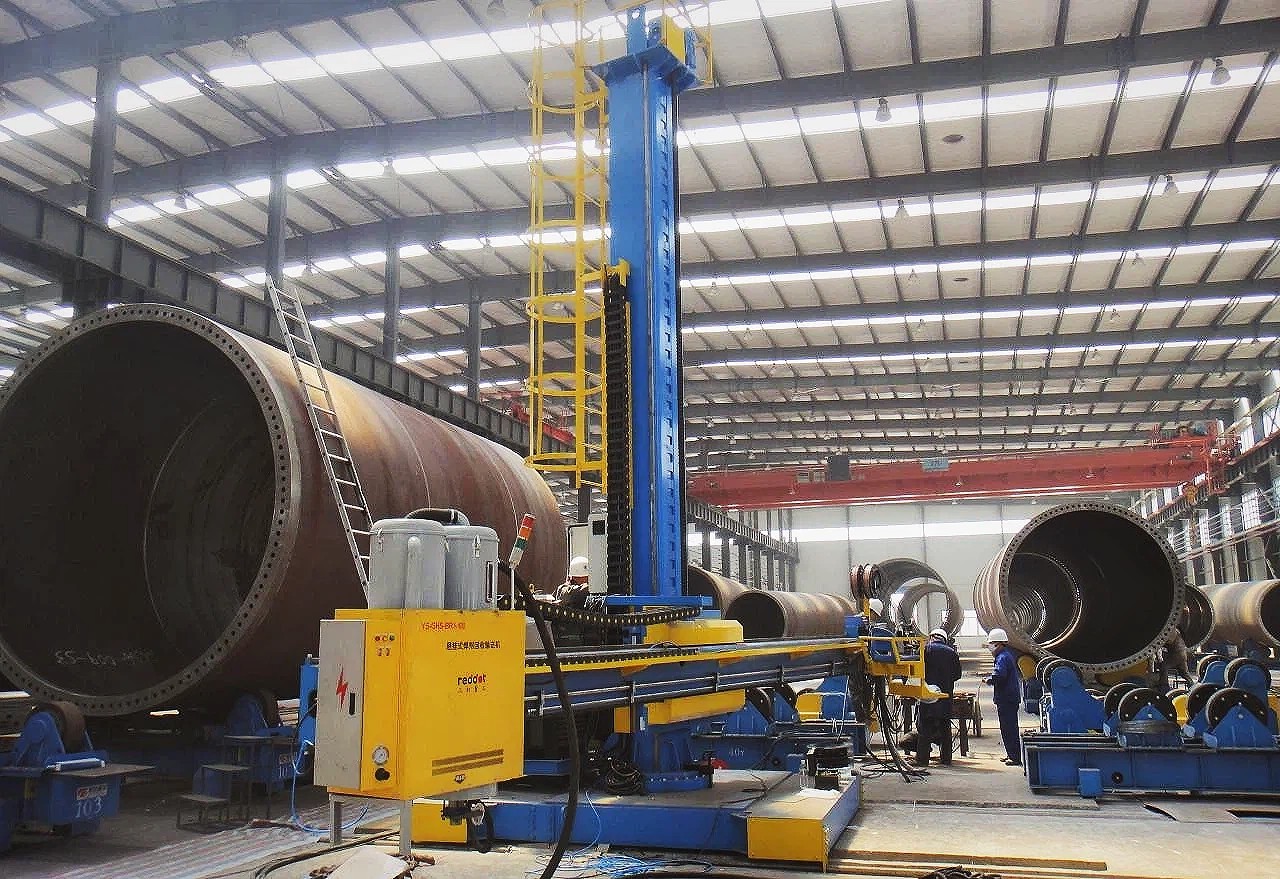
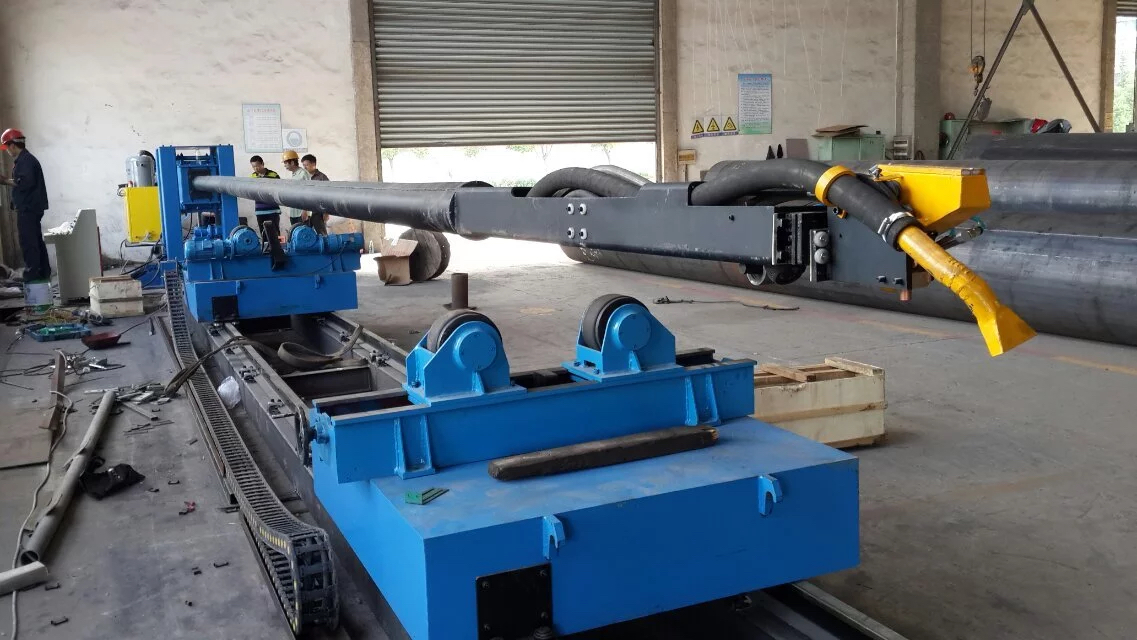
 Welding manipulatorThis welding manipulator is a core piece of equipment designed specifically for automated welding applications. Combined with welding positioners, roller frames, and other components, it forms a highly efficient automated welding workstation. The equipment features strong structural rigidity and flexible operation, making it suitable for longitudinal, circumferential, and internal/external seam welding in industries such as pressure vessels, pipelines, and steel structures.
![星星1]()
 12 meter Pipe inside and outside seam welding machine12 meter pipe welding machine is customized according to client’s request,long beam is clamped on the frame,inside seam welding is welded through moving of welding rotator on the trolley.12 meter pipe longitudinal seam welding machine Moving of trolley is controlled by VFD,stable and reliable,and speed is adjustable,12 meter pipe inside longitudinal seam welding machine meet with different welding technology.Since diameter of pipe is small,worker can not get inside for checking and adjusting,12 meter pipe outside longitudinal seam welding machinewe adopted advanced monitoring system to check welding quality and condition.Worker can check and operate all conditions from Computer screen,and work with motorized accurate adjusting,12 meter pipe welding machine finishes automatic inside longitudinal seam welding for small diameter pipe.It improve the working efficiency and welding quality.Its suitable for manufacturing small diameter pipe in batch
![星星1]()
- Space frame welding machineBody of space frame welding machine is assembled by steel metal,structure parts are anneal processed,quite stable and durable;Automatic space frame truss welding machine realizes welding gun swing welding,welding gun is adjusted by manual;Main and vice withstanding device is by hydraulic,Space frame welding machine will loose after welding finishes,lifting of work piece adopts lead screw by manual.Automatic space frame welding machine Length of body is 7.2 meters,and width is 900mm,max welding gap could be 3-5cm,length of work piece should be under 5.5 meters,and diameter of work piece is 42mm-180mm
![星星1]()

Recommended blogs
- How to Choose a Hydraulic Shearing Machine by Material and Thickness
- When Does a Custom Hydraulic Swing Beam Shear Make Sense for Mixed-Batch Fabrication?
- CNC Swing Beam Shear vs Guillotine Shear: Which One Lowers Cutting Costs?
- What Should Be Included in a Shearing Machine Maintenance Checklist
- How Often Should Shearing Machine Blades Be Inspected and Sharpened
- Common Hydraulic Problems in Shearing Machines and How to Fix Them
Send Us A Message
Send us a Message
A dedicated person will follow up on your needs one-on-one and provide personalized customized solutions according
to your needs.
Get In Touch
We look forward to hearing from you for in-depth communication on how to fulfill your mixing requirements.