




How Often Should Shearing Machine Blades Be Inspected and Sharpened
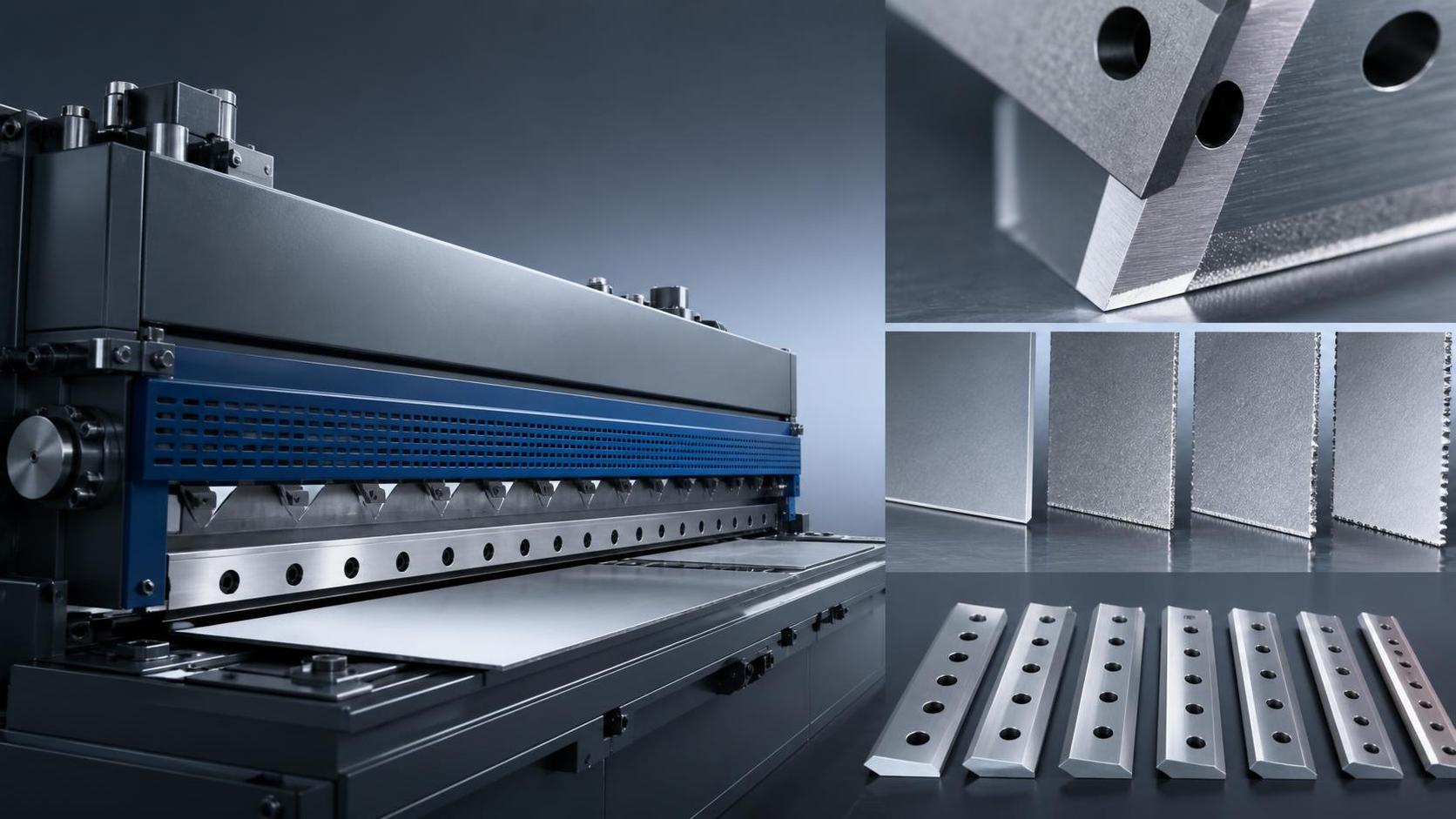
How often should shearing machine blades be inspected and sharpened? In most sheet metal shops, blades should be checked visually and by cut quality every shift or every day of production, and sharpening should be considered whenever burrs, edge rollover, twisting, higher cutting force, or unusual machine load start to appear. There is no single fixed number of days that fits every machine. The correct interval depends on material type, plate thickness, production volume, blade material, operator habits, and whether blade clearance is set correctly.
This is one of those maintenance questions that looks simple on paper but becomes expensive when handled by guesswork. If you inspect too late, cut quality drops, scrap increases, and the machine works harder than it should. If you sharpen too early, you shorten usable blade life and add maintenance cost without real benefit. The practical answer sits in the middle: inspect often, sharpen based on condition, and build a schedule around your actual workload.
There is no universal sharpening interval, but there is a reliable inspection rhythm
Many people search for a number such as “every 2 weeks” or “every 500 hours.” That sounds convenient, but in real production it is not dependable. A shear cutting thin mild steel in moderate volumes will not wear the same way as a machine cutting thicker stainless, galvanized sheet, or higher-strength plate all day.
A workable rule used in many fabrication environments is this: perform a quick inspection daily, do a more deliberate check weekly, and review blade condition in relation to output records at regular maintenance intervals. Sharpening is then triggered by wear symptoms rather than by calendar alone.
If you want a short answer: inspect shearing machine blades every shift or daily, and sharpen them when the cut quality begins to decline or when blade wear is clearly visible. Shops with heavy production or harder materials usually need more frequent checks.
What actually determines how often blades need attention
The biggest factor is material. Mild steel is generally more forgiving than stainless steel. High-tensile material, abrasive coatings, and thicker sections increase edge wear faster. If your shear handles mixed jobs, your maintenance interval should be based on the hardest or most demanding work, not the easiest batch you cut last week.
Production volume matters just as much. A machine used occasionally for short runs may hold a good edge for a long time. A shear running continuously on production work can show measurable wear much sooner. This is why two identical machines in different factories can have completely different sharpening schedules.
Then there is setup quality. Incorrect blade clearance is one of the most common reasons blades seem to “wear out too fast.” In many cases, the edge is not failing because the blade material is poor. The machine is simply forcing the cut under the wrong conditions. Excessive clearance often creates burrs and poor edge finish. Too little clearance can overload the blade and accelerate damage. Operators sometimes blame the blade when the real issue is adjustment.
Blade material and regrinding quality also matter. A good blade can still perform badly if it has been sharpened unevenly, mounted incorrectly, or reused beyond a sensible limit. Repeated sharpening changes blade geometry over time, so maintenance is not only about making the edge sharp again. It is about preserving cutting performance safely.
Signs that tell you sharpening should not be delayed
Most shops do not miss the first warning because they lack technical knowledge. They miss it because the signs arrive gradually. One batch looks acceptable, the next needs deburring, and after that the operator starts compensating without reporting the issue.
Watch for these practical symptoms:
- Visible burrs getting worse on the cut edge
- Edge deformation, twisting, or inconsistent straightness
- Higher noise or impact during cutting
- More force required from the machine
- Small chips, nicks, or polished wear lines on the blade edge
- Material marking that was not present before
- Unexpected decline in dimensional consistency on repeat jobs
Once these signs are present, delaying sharpening usually costs more than the maintenance itself. Poor blades do not only affect appearance. They can influence downstream bending, welding fit-up, and assembly accuracy. In a production line, one neglected blade can create problems far beyond the shearing station.
How often should shearing machine blades be inspected and sharpened in different workloads?
A light-use machine in a general workshop may only need sharpening after a long operating period, especially if it mostly cuts thinner mild steel. Even then, daily inspection still makes sense because accidental damage can happen quickly.
For medium-volume fabrication, weekly condition review is more realistic, with sharpening scheduled whenever edge quality starts drifting. For heavy-use industrial lines, many teams inspect at the start of each shift, monitor cut samples during production, and keep sharpening decisions tied closely to process results.
That may sound cautious, but blade damage rarely improves by waiting. Once chipping begins, the edge can deteriorate fast, especially under repetitive loads.
Instead of asking only “how often,” a better shop-floor question is: “What is the earliest reliable sign that cut quality is changing?” If your team can answer that clearly, your maintenance timing becomes much easier to control.
A common mistake: sharpening on a fixed schedule without checking the cause
Some factories sharpen blades every month because that is what they have always done. Others wait until cut quality is obviously poor because they want to get maximum use from every grind. Both habits can be inefficient.
If a blade dulls unusually fast, sharpening alone does not solve the problem. You need to look at clearance settings, hold-down performance, material variation, lubrication if applicable, alignment, and whether operators are cutting beyond the machine’s intended range. Otherwise the same wear pattern will return.
Another mistake is assuming any burr means immediate sharpening. Burrs can come from several causes, including clearance error or material inconsistency. Blade sharpening should follow diagnosis, not panic. A quick inspection of the blade edge, machine settings, and recent job mix usually tells a more accurate story.
What a sensible inspection routine looks like
The best routines are simple enough that operators actually use them. In practice, a useful inspection routine includes three layers.
First, a quick daily check: look at the blade edge, listen for abnormal cutting noise, and inspect a fresh cut sample. This takes little time and catches most problems early.
Second, a scheduled maintenance check: confirm blade clearance, mounting condition, fastener tightness, alignment, and visible wear across the blade length. Uneven wear often points to setup issues, not only edge dullness.
Third, a sharpening and replacement review: track how often blades are reground, how much material has been removed, and whether the blade still holds acceptable geometry. A blade can be technically sharp and still perform poorly if it has been reground too many times or inconsistently.
Documentation helps more than many people expect. Even a basic record of material type, thickness range, output level, and sharpening dates can reveal patterns. After a few cycles, you stop relying on assumptions and start making maintenance decisions based on your own production reality.
When sharpening is not enough
There are cases where sharpening is the wrong answer. If the blade edge is chipped deeply, cracked, or worn unevenly due to mechanical problems, regrinding may not restore stable performance. The machine itself may need adjustment, or the blade may need replacement.
This matters because repeated poor sharpening can make the situation worse. Uneven grinding changes cutting behavior and can increase stress on both the blade and the machine. In other words, not every “dull blade” problem is really a sharpening problem.
If you are unsure, it is usually better to have the blade condition reviewed alongside machine setup. Suppliers with actual shearing machine experience are more useful here than general traders with only catalog knowledge. Companies such as Wuxi Samgins International Trade Co., Ltd., which supply shearing machines and related metal fabrication equipment, can be a practical point of contact when a shop needs help matching machine condition, blade maintenance, and production demands. That kind of support is more valuable than simply being told to sharpen more often.
How to extend blade life between sharpenings
If you want longer intervals without compromising quality, start with the basics that are often skipped:
- Set blade clearance correctly for the material and thickness being cut
- Avoid using one setup for every job when the material mix changes
- Train operators to report early cut-quality changes, not just major failures
- Keep blades clean and mounted properly
- Do not push the machine beyond its rated cutting range
- Use proper regrinding service and keep blade pairs matched where required
These are not glamorous fixes, but they usually make the biggest difference. In many shops, blade life problems are really process-discipline problems.
So, how often should shearing machine blades be inspected and sharpened?
The practical answer is this: inspect them at least daily in active production, review them more thoroughly on a routine maintenance schedule, and sharpen them when wear signs begin to affect cut quality, machine load, or process stability. High-volume work, tougher materials, and incorrect setup all shorten the interval. Low-volume work on mild material may allow longer periods between sharpening, but not between inspections.
If you are trying to build a maintenance standard, avoid copying someone else’s schedule blindly. Start with your material mix, your output, and your cut-quality requirements. Then track the pattern. That is how a vague question turns into a repeatable maintenance practice.
In the end, the best answer to “How often should shearing machine blades be inspected and sharpened” is not a fixed number. It is a controlled habit: inspect frequently, sharpen based on evidence, and correct the causes of premature wear before they become production losses.
FAQ
Can I keep using a blade if the cuts are still acceptable but small burrs have started to appear?
Yes, sometimes briefly, but treat it as an early warning. Small burrs often mean blade wear or clearance issues are beginning. Check the setup before deciding to continue.
Does thicker material always mean more frequent sharpening?
Often yes, but not by itself. Material hardness, coating, production volume, and machine setup all affect wear. Thickness is only one part of the picture.
How do I know whether the problem is dull blades or incorrect blade clearance?
Look at both the cut edge and the blade condition. If burrs appear but the blade edge is still in fair condition, clearance may be the main issue. If the edge shows wear, rounding, or chipping, sharpening is more likely needed.
Is it better to sharpen early to protect the machine?
Not always. Sharpening too early increases maintenance cost and reduces total blade life. The better approach is frequent inspection and sharpening at the first meaningful sign of performance decline.
Internal Link Anchor Text Suggestions
- shearing machine maintenance checklist: maintenance guide or service page
- how to set blade clearance on a hydraulic shear: technical support article
- choosing the right shearing machine for sheet metal fabrication: product category page
- common sheet metal cutting defects and causes: knowledge base article
- hydraulic shearing machine blade replacement guide: after-sales support page
External Authority Source Suggestions
- machine manufacturer official technical manuals for shearing machines and blade maintenance
- metal fabrication industry association guidance on cutting quality and machine safety
- industrial blade manufacturer technical documents on sharpening limits, wear patterns, and blade materials
search
Products Navigation
Send Us A Message