




What Should Be Included in a Shearing Machine Maintenance Checklist
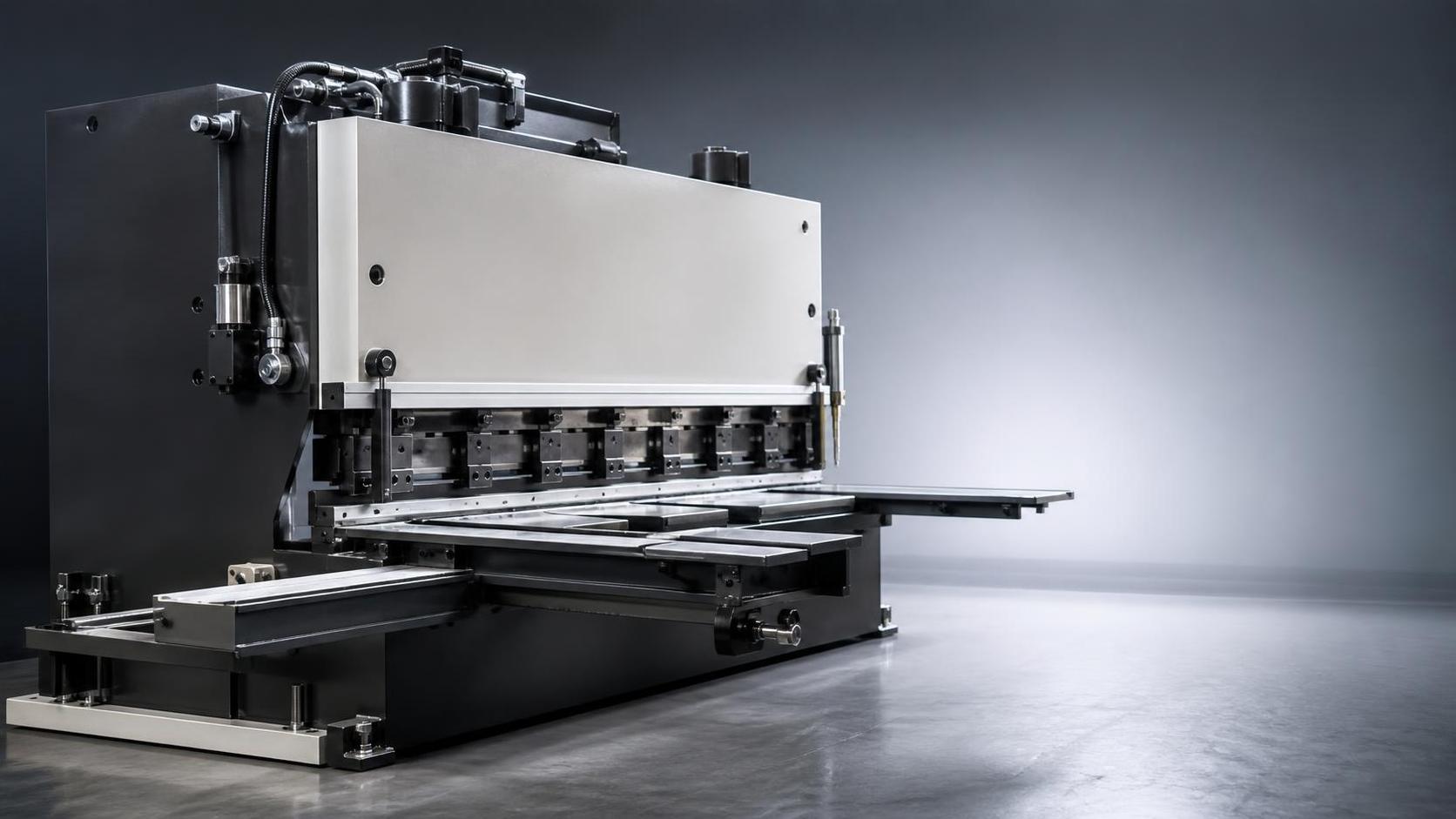
If you are trying to build a useful shearing machine routine maintenance schedule and checklist, the main goal is simple: keep cut quality stable, avoid unplanned stoppages, and catch wear before it turns into a repair. A good checklist is not just a list of parts to inspect. It should match how the machine is actually used, who operates it, how often it runs, and what kinds of material it cuts. In day-to-day sheet metal work, the difference between a machine that “still runs” and one that runs accurately often comes down to maintenance discipline.
A lot of people make the same mistake at the start. They focus only on oil changes or blade sharpening, then wonder why the machine begins cutting out of square, leaves burrs, makes unusual noise, or develops hydraulic leaks. In practice, a shearing machine needs attention across several areas at the same time: blades, hold-down system, backgauge, hydraulics, lubrication points, electrical components, fasteners, safety devices, and cleaning. If one of these is ignored, the machine usually tells you in the form of poor cut edges, slower cycle time, vibration, or operator complaints.
What a shearing machine maintenance checklist should really cover
The best checklist is practical enough for operators to use during a shift and detailed enough for maintenance staff to rely on over time. It usually includes daily checks, weekly checks, monthly inspections, and periodic service tasks based on running hours or production load.
A short answer is this: your checklist should cover cleanliness, lubrication, blade condition, hydraulic system health, electrical reliability, machine alignment, safety protection, and maintenance records. If any of those sections are missing, the checklist is incomplete.
That sounds straightforward, but the useful part is knowing what to look for in each section and why it matters.
Start with daily checks, because this is where most problems first appear
Daily inspection is not about deep servicing. It is about spotting small changes before they become expensive ones.
Before starting the machine, operators should check for visible oil leakage around hydraulic hoses, fittings, cylinders, and the tank area. Even a minor seepage matters. On a busy shop floor, leaks are often ignored until hydraulic pressure becomes unstable or oil contamination spreads around the machine base.
Blade area cleaning is another basic item that deserves more attention than it usually gets. Scrap pieces, dust, fine metal particles, and hardened debris can affect blade seating and hold-down performance. They can also interfere with material positioning. A machine can appear mechanically sound and still produce poor cuts if the working area is not kept clean.
The daily checklist should also include:
- Check blade edge condition for visible chips, rounding, or uneven wear
- Confirm blade clearance is set correctly for the material being cut
- Inspect hold-down clamps for proper action and even pressure
- Verify backgauge movement is smooth and repeatable
- Listen for unusual noise during idle and cutting cycles
- Check foot switch, emergency stop, guards, and interlocks
- Look for loose bolts, covers, and abnormal vibration
One point that gets missed by less experienced teams: “machine is cutting” does not mean “machine is healthy.” If cut edges start showing larger burrs, twist, bowing, or inconsistent length, that should be treated as a maintenance signal, not only a quality issue.
Blade inspection deserves its own section
On a shearing machine, blade condition affects nearly everything the user notices first: cut quality, effort on the hydraulic system, noise level, and material deformation. A checklist that simply says “inspect blade” is too vague to be useful.
What should be checked? First, look for edge wear, micro-chipping, cracks, and uneven wear from one side to the other. Second, confirm the blade is mounted securely and seated properly. Third, review blade clearance against the thickness and type of material being processed. Stainless steel, mild steel, aluminum, and coated sheets do not behave the same way, so one clearance setting is rarely right for every job.
Another common misunderstanding is to wait until the cut becomes obviously poor before addressing the blades. That usually means the machine has already been working harder than necessary. Dull blades increase stress on the drive and hydraulic system and can accelerate wear elsewhere.
If the machine runs mixed materials or varying thicknesses, the checklist should include a habit of recording what was cut before blade problems appeared. That maintenance note is often more useful than a generic “blade bad” remark in a service log.
The hydraulic system should be checked for condition, not just oil level
Many maintenance lists stop at “check hydraulic oil.” That is not enough. Oil level matters, but oil condition matters just as much. Darkened oil, foaming, contamination, overheating signs, or inconsistent pressure response can all point to developing issues.
A practical hydraulic section in a shearing machine routine maintenance schedule and checklist should include:
- Oil level within the recommended range
- Oil cleanliness and appearance
- Leaks at hoses, seals, joints, valves, and cylinders
- Hydraulic pressure stability during operation
- Pump noise, overheating, or delayed response
- Condition of filters and replacement interval records
If the machine starts cycling more slowly than usual, hesitates during clamping, or cuts with inconsistent force, the root cause is often hydraulic. Not always, but often enough that it should be checked early. Shops that process high volumes or run long shifts should shorten hydraulic inspection intervals instead of relying on a generic calendar-based plan.
Backgauge accuracy and machine alignment are not “advanced” checks
People sometimes treat alignment checks as something to do only when there is a major fault. In reality, they belong in routine maintenance because gradual drift is common. A shearing machine can stay operational while slowly losing dimensional accuracy.
The checklist should include verification of backgauge positioning accuracy, repeatability, and smooth travel. If the machine uses CNC control, operators should also watch for lag, inconsistent return positioning, or display values that no longer match actual cut dimensions.
Squareness and parallelism also matter. If operators begin compensating by hand during feeding or repositioning sheets more often to “make it work,” that usually means the machine should be inspected rather than the operator working around the problem.
This section does not have to be complicated. What matters is consistency: compare actual cut parts with the programmed or intended dimensions, and log the result. Repeated small deviation tells you more than one isolated check.
Lubrication points are easy to skip and expensive to ignore
Lubrication is one of the least glamorous items on the list, which is exactly why it gets skipped. Then wear shows up in guide rails, linkage points, bearings, sliding surfaces, and gauge mechanisms.
Your checklist should identify every lubrication point clearly, specify the right lubricant, and define the interval. “Lubricate as needed” is not a maintenance standard. It creates inconsistency between shifts and operators.
For many shearing machines, the components that deserve regular lubrication review include guide rails, moving joints, backgauge drive components, and other manufacturer-designated points. The exact locations and lubricant type should follow the machine manual. If the original manual is unclear or unavailable, it is worth confirming with the equipment supplier before making assumptions. Using the wrong lubricant can be almost as harmful as using none.
Electrical checks should stay on the checklist even if the machine seems mechanically sound
Mechanical wear is visible. Electrical issues often build quietly. Loose terminal connections, worn wiring insulation, limit switch problems, dirty control cabinets, or unstable sensors can all create intermittent faults that are hard to trace later.
A sensible routine includes checking control buttons, indicator lights, emergency stop response, travel limit switches, and cable condition. Dust inside the electrical cabinet should also be addressed carefully and according to proper lockout and safety practice.
If the machine shows inconsistent backgauge response, random stopping, delayed actuation, or alarm behavior that comes and goes, electrical inspection should move higher on the priority list. Shops sometimes replace hydraulic parts first because the symptoms appear mechanical, but the trigger may actually be electrical.
Safety items should be written as inspection points, not assumptions
One weak area in many maintenance sheets is safety. The document may say “check safety devices,” but unless that is broken into real steps, it often becomes a box-ticking exercise.
The checklist should require confirmation that guards are in place, emergency stops work correctly, foot pedal protection is intact where applicable, warning labels remain legible, and hold-down action is normal. If the machine has light protection or interlock systems, these should be tested according to the machine’s design and local safety requirements.
Safety is also linked to maintenance quality. A machine with poor blade clearance, hydraulic instability, or delayed clamping is not just less accurate. It can become less predictable for the operator.
Weekly and monthly checks are where you prevent repeat failures
Daily checks catch obvious change. Weekly and monthly checks are where you find patterns.
Weekly inspections often include fastener tightening checks, more detailed leak inspection, lubrication confirmation, backgauge accuracy verification, and review of blade wear trend. Monthly checks may go deeper into hydraulic filters, electrical cabinet condition, alignment verification, wear on moving parts, and review of service records.
What matters here is that the schedule reflects workload. A machine cutting thin aluminum a few hours a week does not need the same maintenance rhythm as a hydraulic guillotine running carbon steel all day. A fixed schedule copied from another shop can be misleading. Good maintenance plans are adjusted after a few months of real operating data.
Recordkeeping is part of maintenance, not admin work
A checklist only becomes valuable when it creates a maintenance history. Without records, the same fault will keep being treated as a surprise.
The log should capture date, operator or technician name, issue found, corrective action taken, parts replaced, and whether the machine returned to normal performance. It also helps to note material type and thickness when recurring cutting problems appear. That context often reveals whether the issue is machine-related, setup-related, or material-related.
In actual fabrication environments, the most useful records are usually the simplest ones. Short notes written consistently beat long forms filled in once and ignored later.
When a standard checklist is not enough
There are cases where a generic maintenance sheet will not serve you well. Older machines with worn guides, machines processing abrasive or heavy material, and equipment with mixed operators usually need a more specific checklist. The same applies when the machine has already shown repeat issues like poor squareness, hydraulic overheating, or uneven blade wear.
In those situations, it makes sense to review the machine with an experienced supplier or service team. Companies that work across sheet metal equipment categories, such as shearing machines, press brakes, plate rolling machines, leveling machines, and related fabrication systems, often see patterns that internal teams may miss because they only know one machine’s history. Wuxi Samgins International Trade Co., Ltd., for example, supplies a broad range of metal processing equipment and works under ISO9001 and CE-oriented production standards, so for buyers comparing machinery sources, that kind of background can be a useful reference point when discussing service expectations and maintenance support.
That does not replace the machine manual, and it should not. But it helps when you need practical guidance tied to real production use rather than a generic checklist copied from the internet.
A checklist should help you make decisions, not just fill a form
The strongest maintenance teams use the checklist to answer three questions quickly: Is the machine safe to run? Is it still cutting accurately? Is there any sign that a small issue is turning into a repair?
If your current form cannot answer those questions, revise it. Add measurable points where possible. Replace vague items with observable ones. Separate operator checks from technician checks. Make room for comments when cut quality changes. And review the schedule after actual use instead of assuming the first version is finished.
A reliable shearing machine routine maintenance schedule and checklist is not complicated because it is long. It is effective because it is specific, repeatable, and tied to what the machine is doing every day on the shop floor.
FAQ
How often should a shearing machine be serviced?
It depends on workload, material type, and machine condition. Daily operator checks are standard. Deeper weekly and monthly inspections are common, but high-use machines often need shorter intervals.
What is the first sign that maintenance is being neglected?
Usually cut quality changes first: more burrs, poor squareness, inconsistent dimensions, or material distortion. Leaks and unusual noise often follow.
Should blade clearance be part of routine maintenance?
Yes. It has a direct effect on edge quality, blade life, and machine load. It should be checked whenever material type or thickness changes significantly.
Can operators handle the full checklist themselves?
Not the full checklist. Operators are well placed for daily visual and functional checks. Hydraulic, electrical, and alignment work should be handled by trained maintenance personnel.
Is one checklist enough for all shearing machines?
No. A basic structure can be shared, but the final checklist should match the machine model, control type, usage level, and manufacturer guidance.
Internal Link Anchor Text Suggestions
- hydraulic shearing machine buying guide: product category or selection guide page
- how to choose blade clearance for sheet metal cutting: technical blog or knowledge base page
- press brake maintenance checklist: related equipment maintenance article
- common shearing machine cutting quality problems: troubleshooting article
- sheet metal fabrication equipment solutions: service or product overview page
Suggested External Source Types
- machine manufacturer official maintenance manuals and technical documents
- occupational safety regulator guidance on machine guarding and lockout procedures
- industry association resources for metal fabrication equipment maintenance and safety practice
search
Products Navigation
Send Us A Message