




Welding manipulator
Full-range Machinery & Customized Non-standard Solutions
Authorized Certificates & Independent R&D Patents
Over 10 Years Global Export & Worldwide Project Cases
Navigation

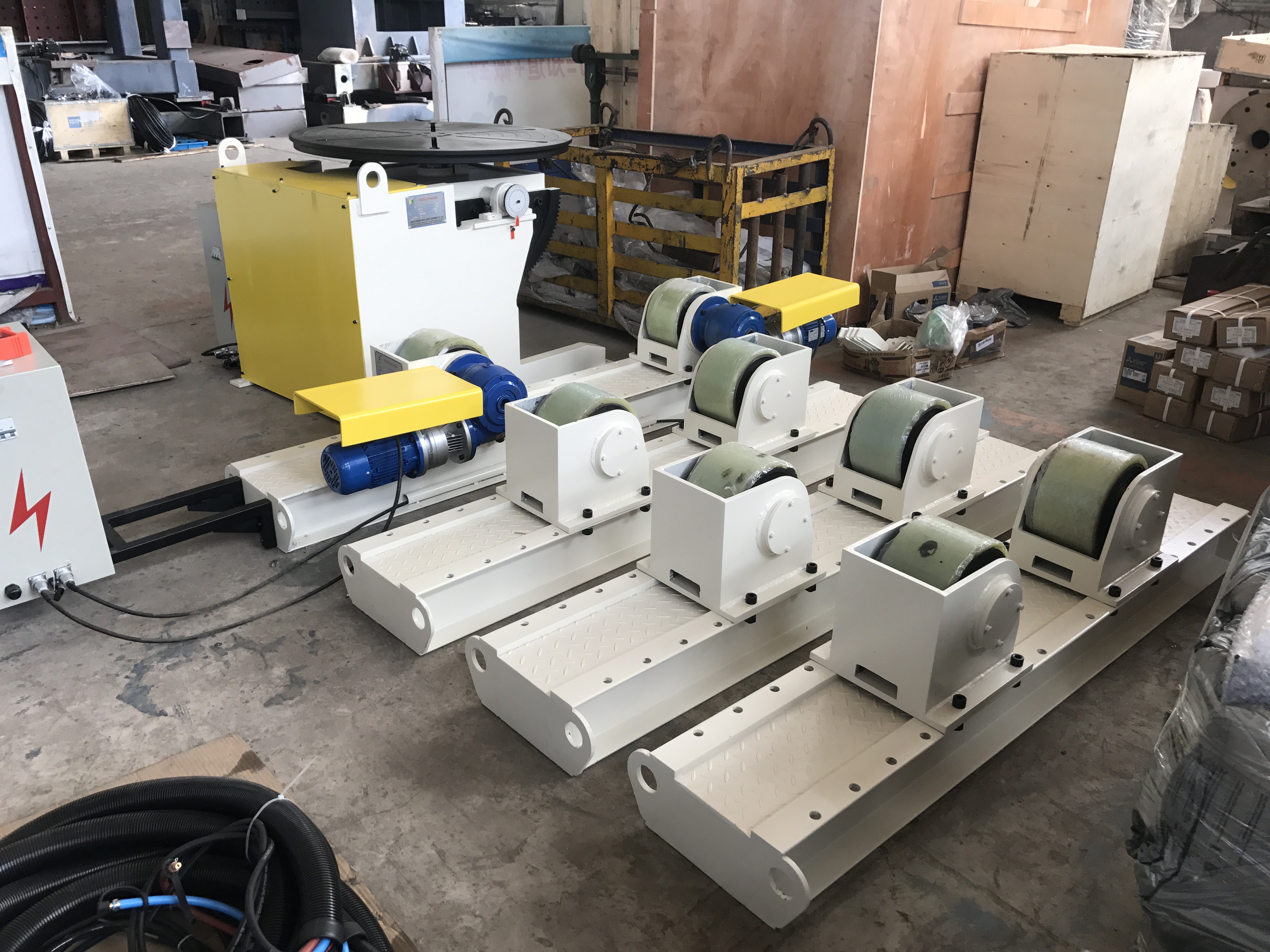
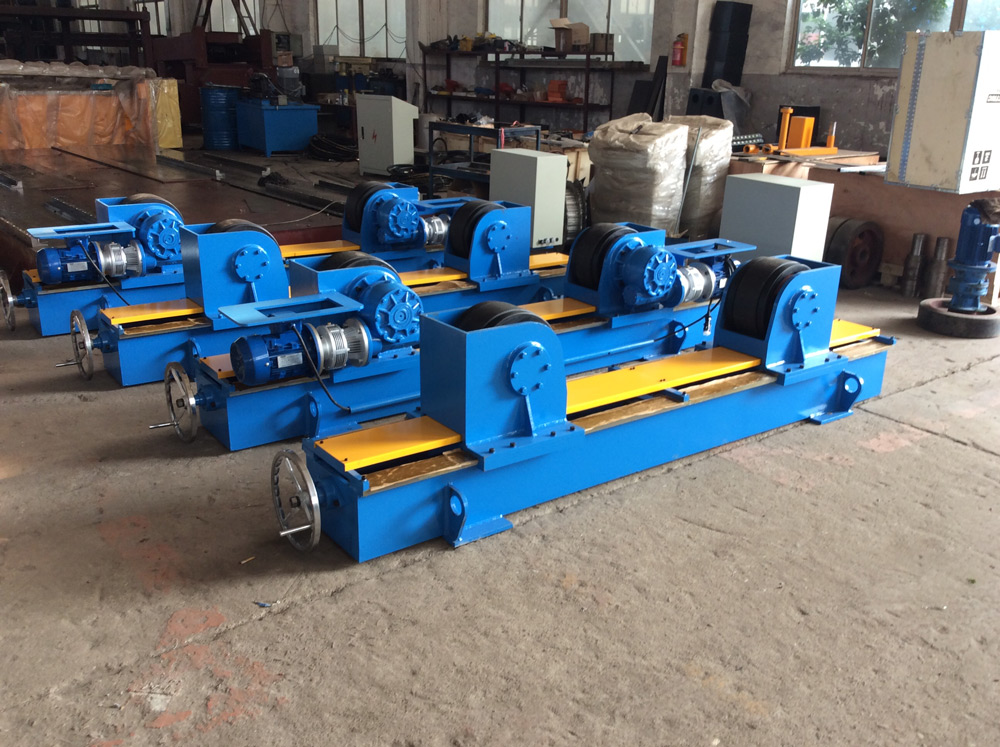
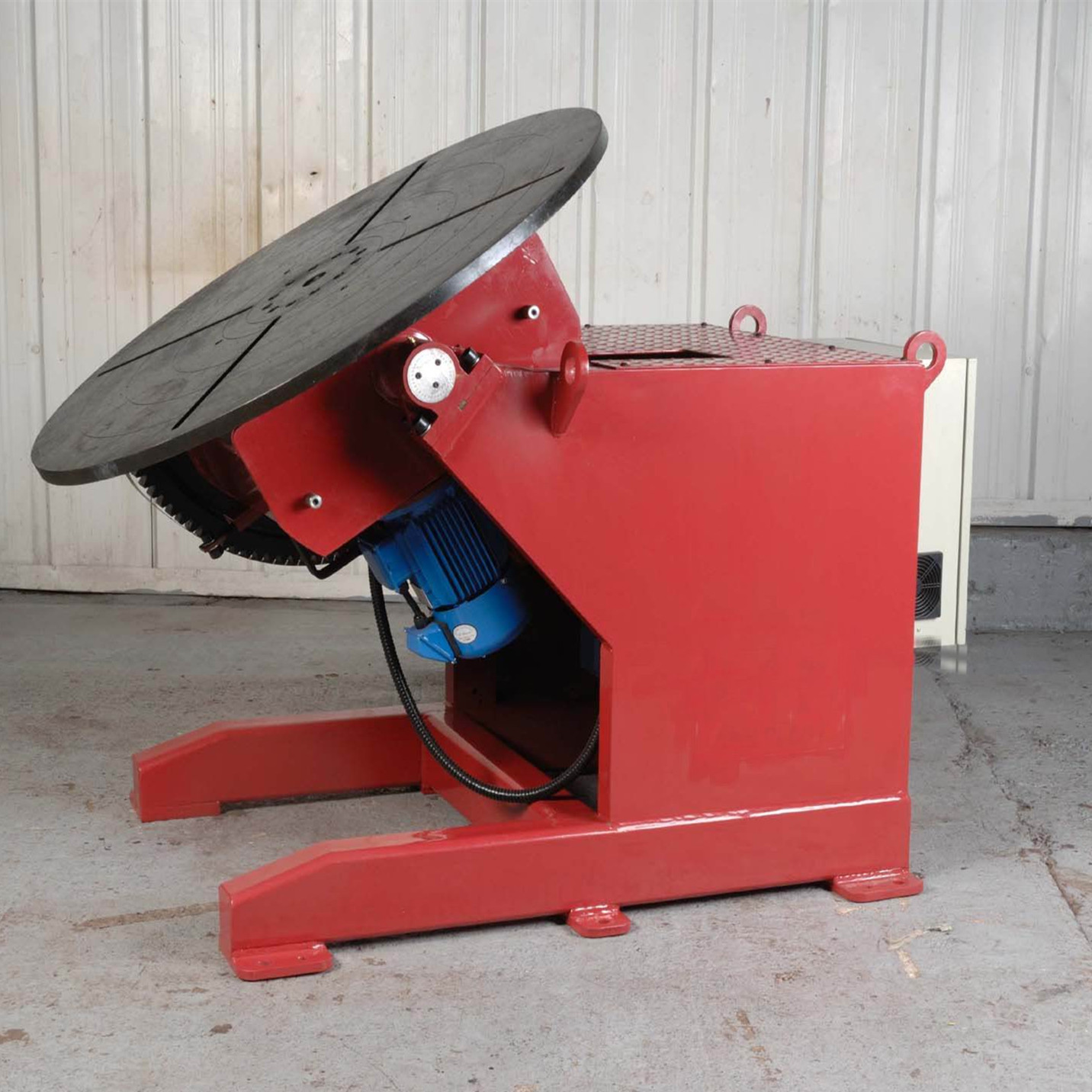
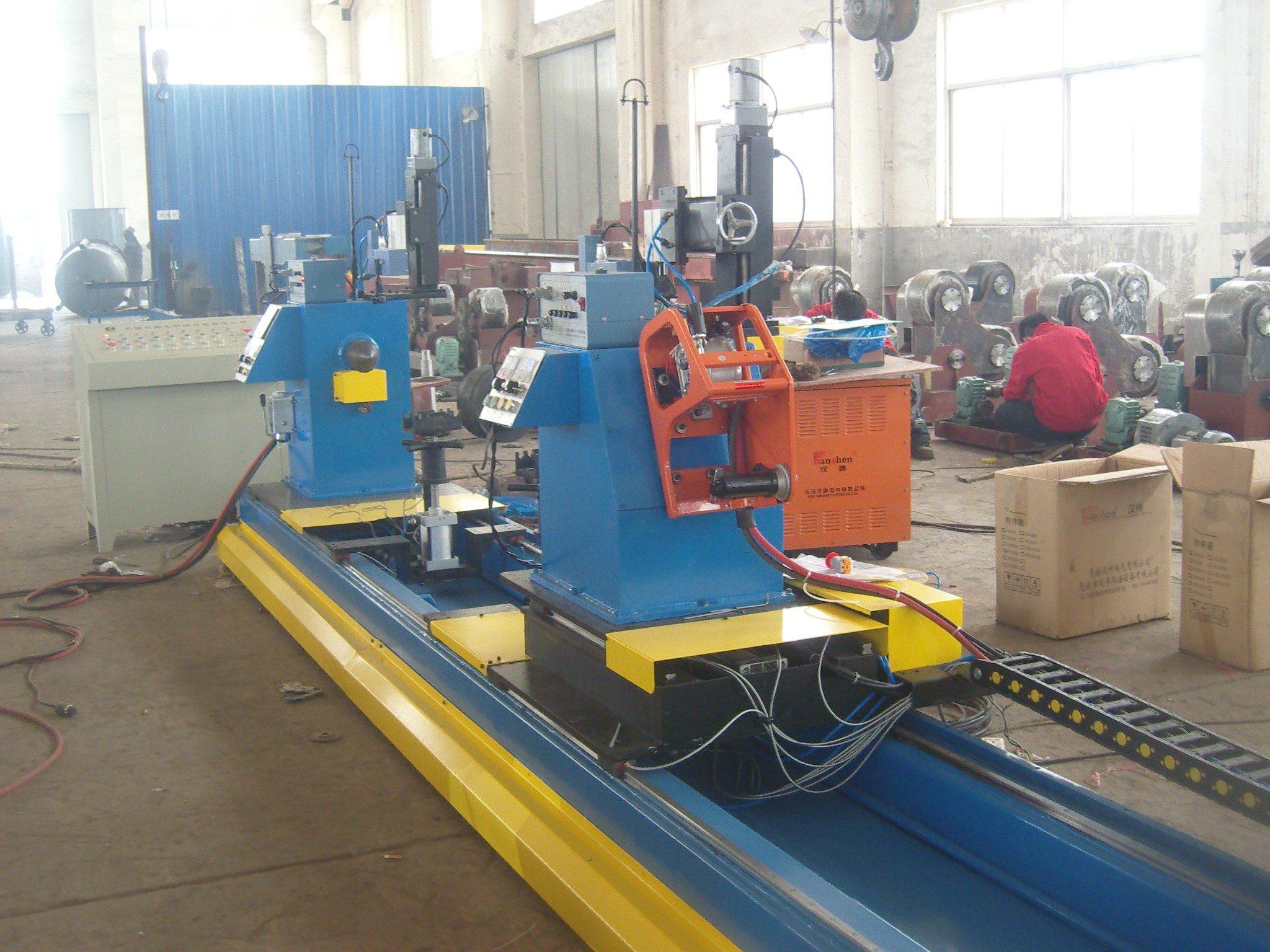
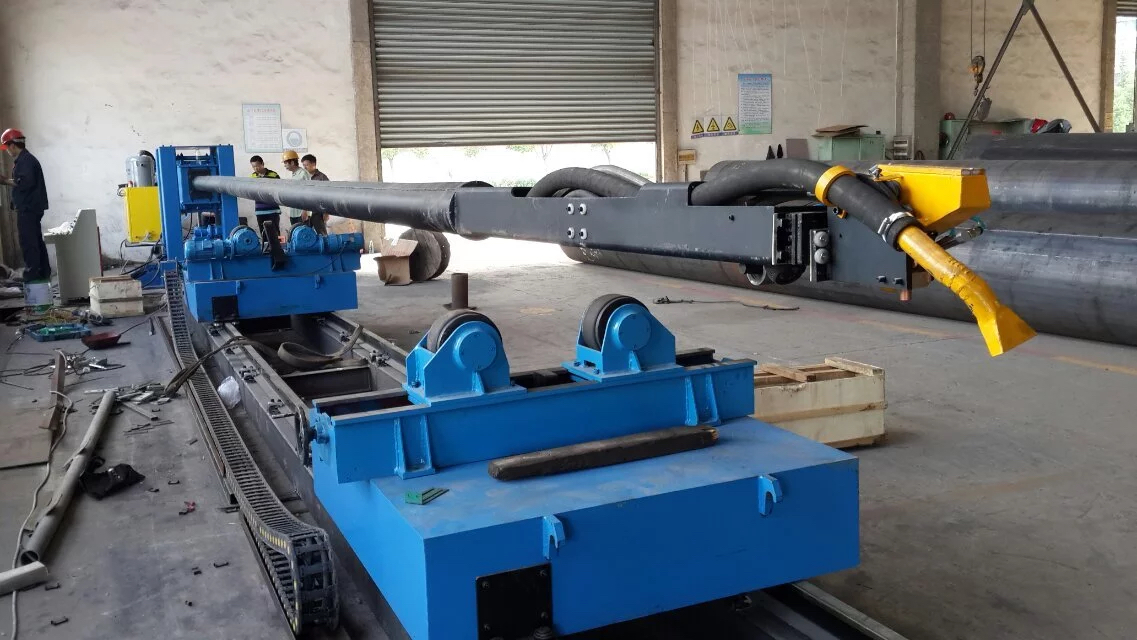
Welding manipulator Description
1. Welding Manipulator (Column & Boom) – Key Features & Specifications
1.1 Lifting & Boom Travel
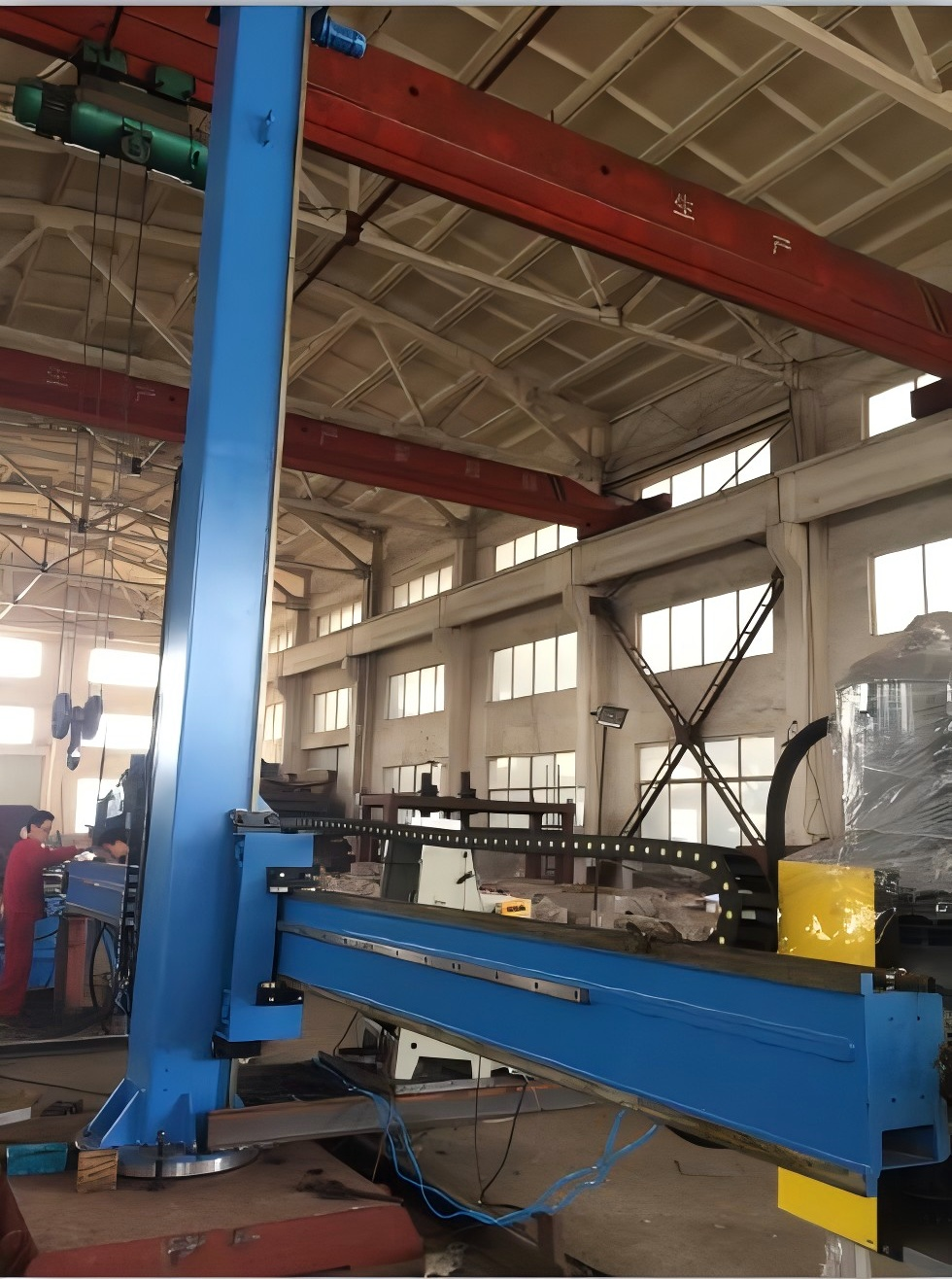
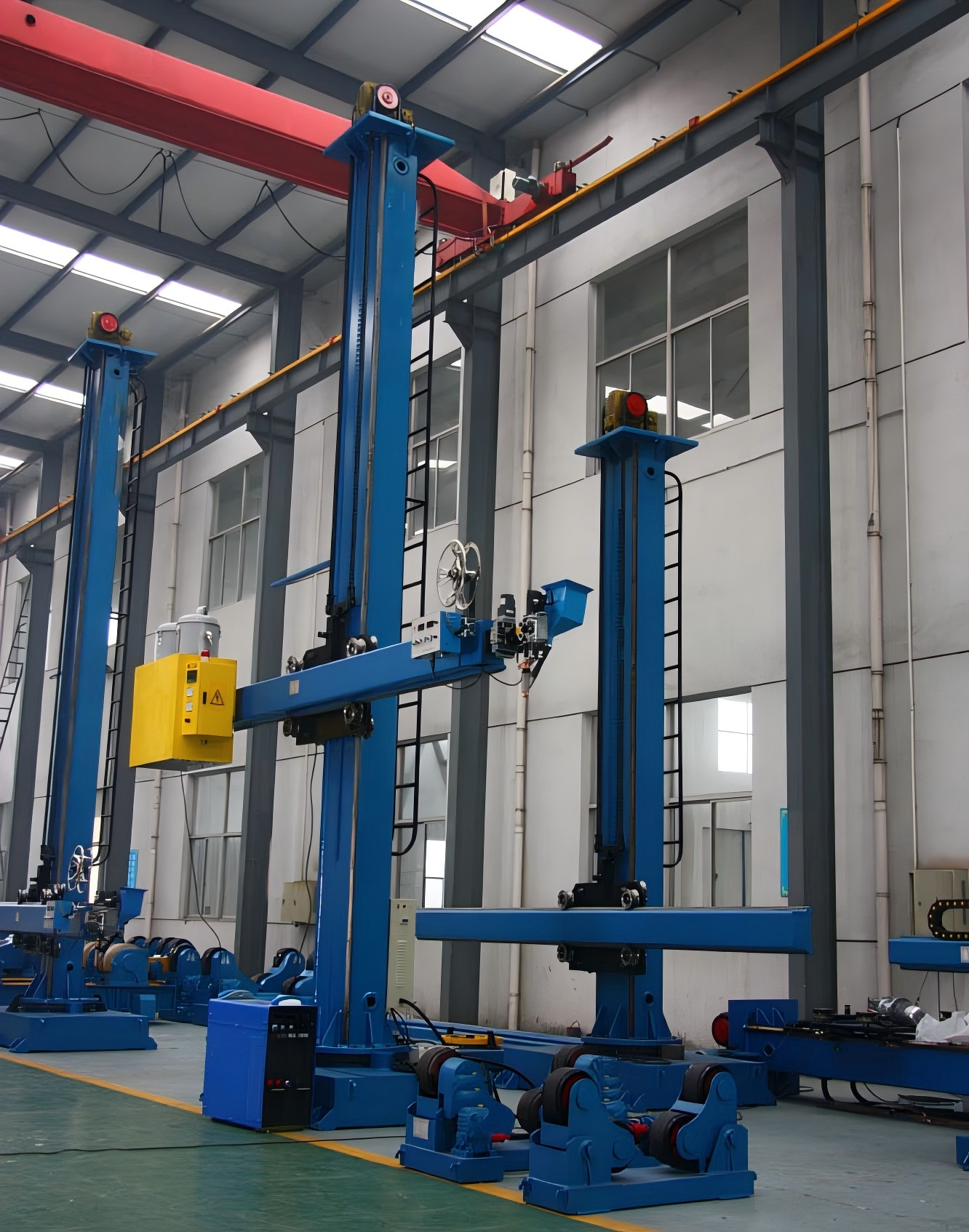
- Offers an effective vertical lifting stroke and horizontal retracting stroke ranging from 1000mm to 7000mm to accommodate various workpiece sizes.
1.2 Boom End Capacity & Slide
- The boom end is capable of supporting loads up to 300kg.
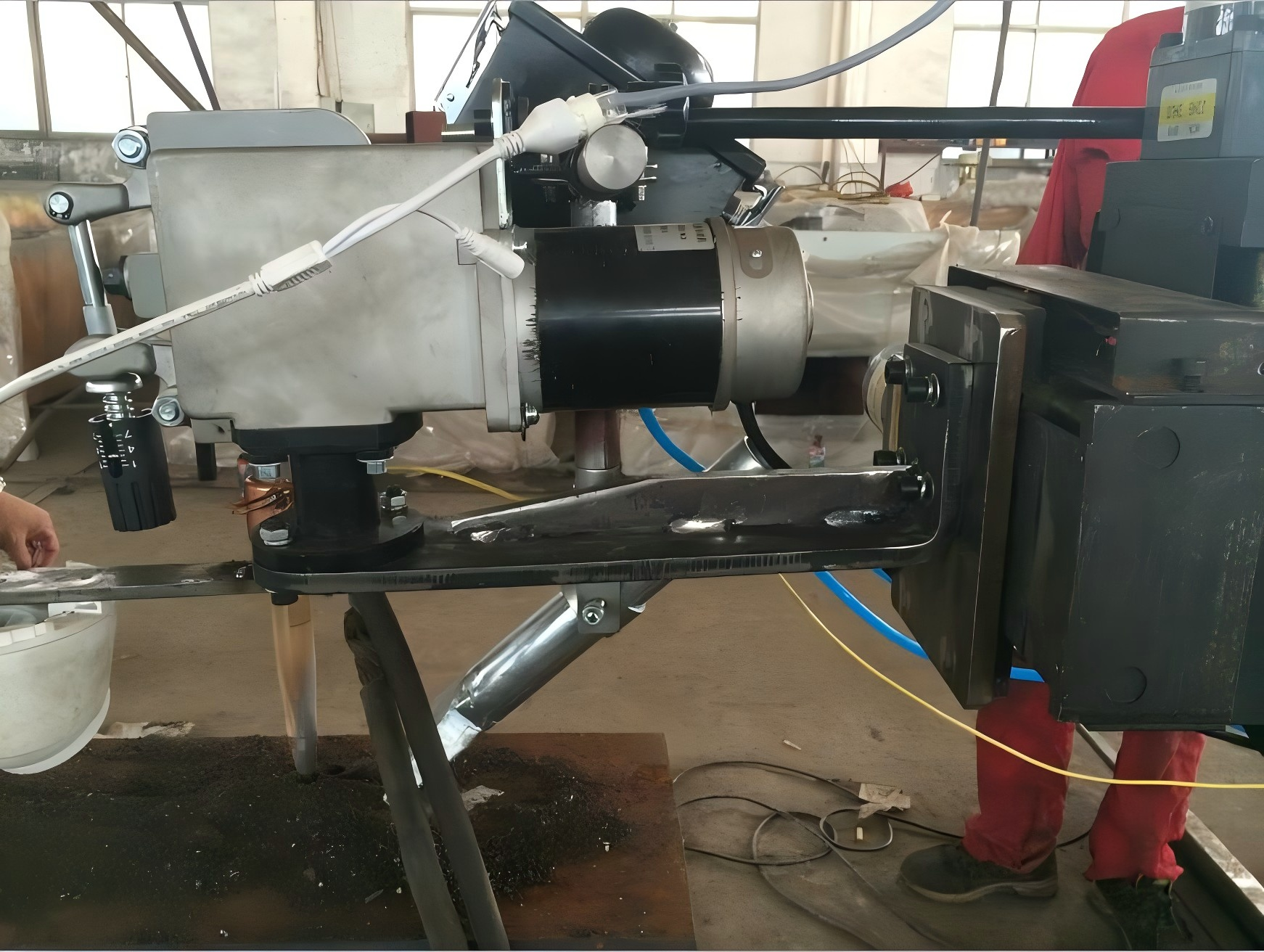
- Equipped with a standard 100x100mm cross-slide unit for precise torch positioning.
1.3 Seam Welding Capabilities
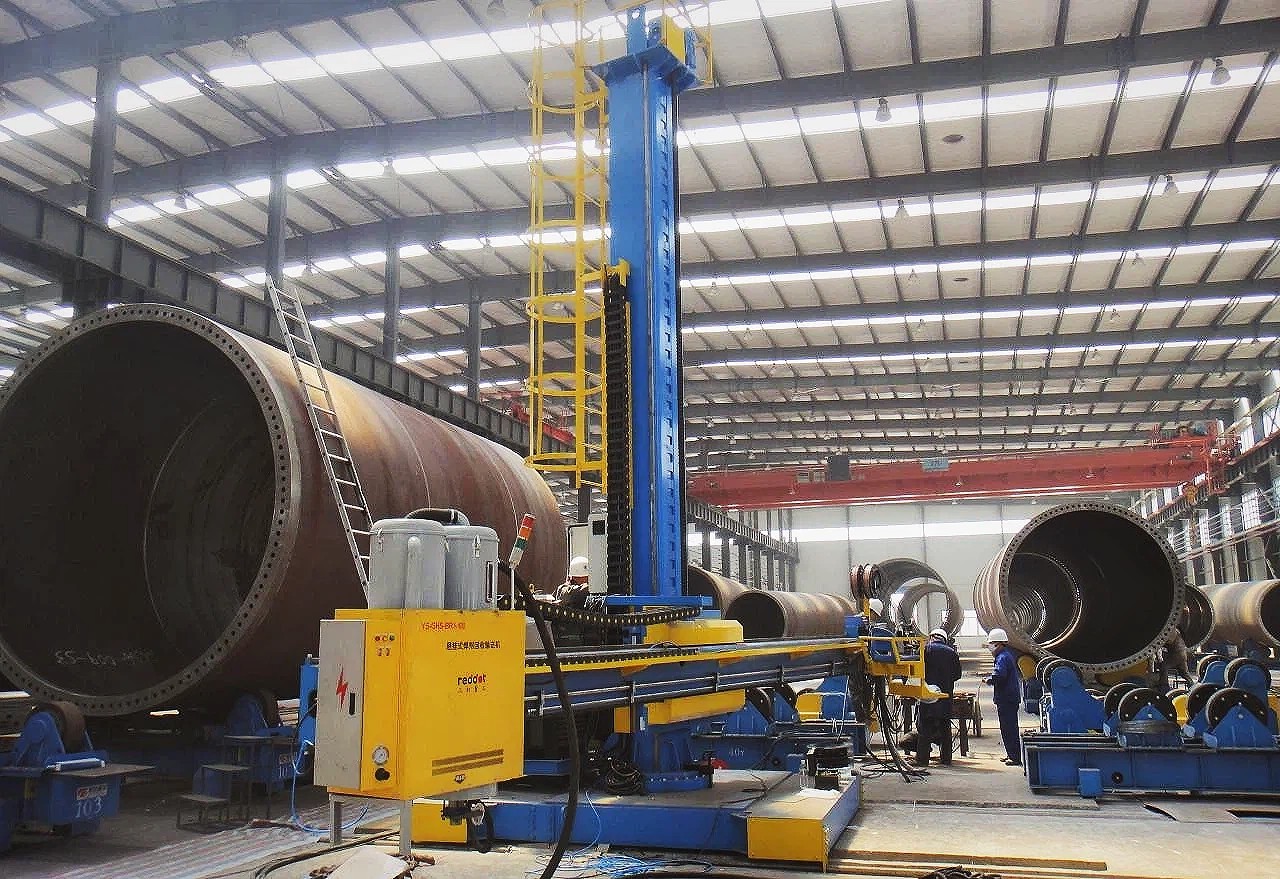
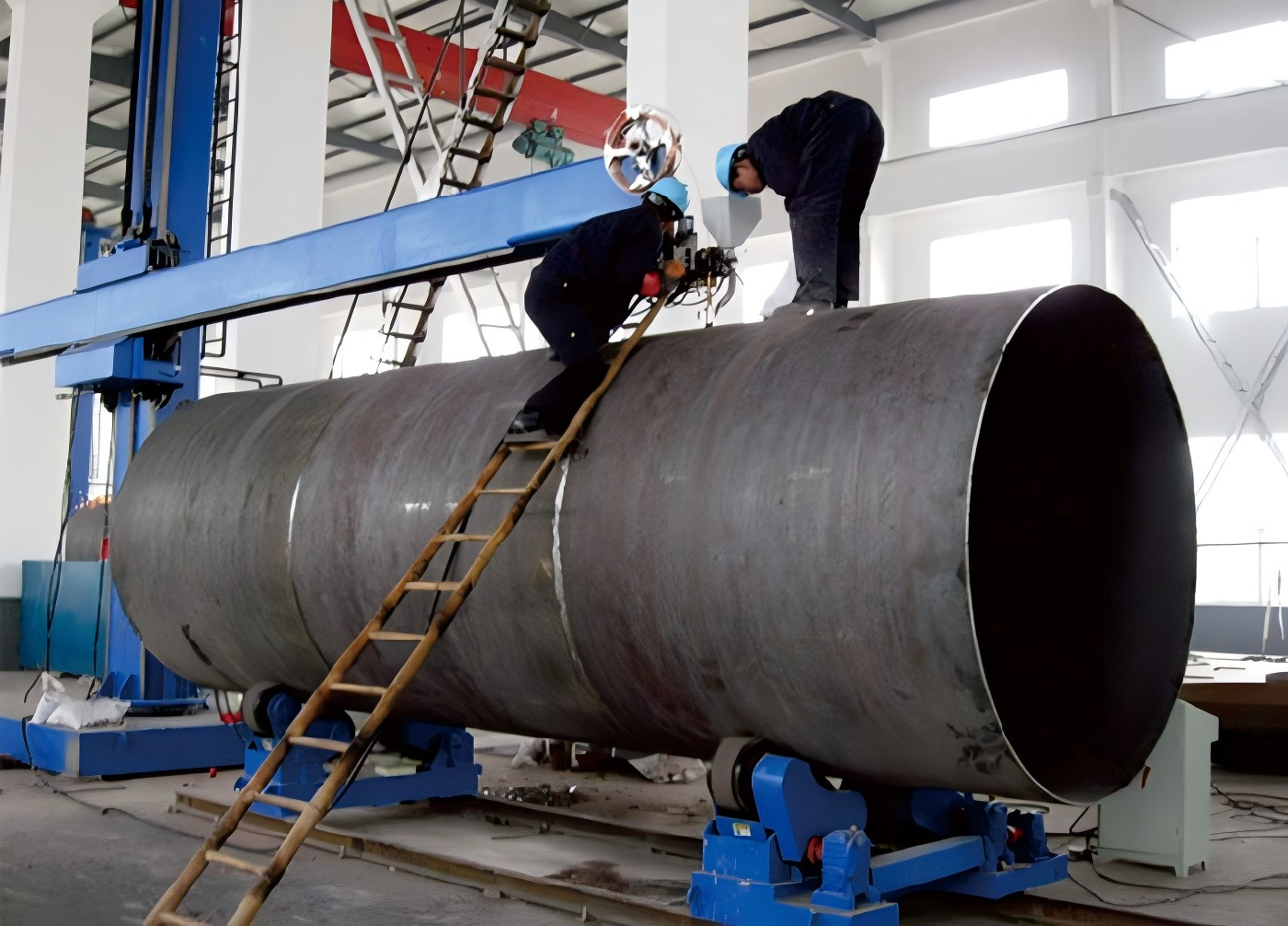
- Ideal for automatic welding of straight seams, circumferential (circle) seams, and internal/external seams on tanks, pipes, and pressure vessels.
1.4 Enhanced Welding Quality
- Can be integrated with a seam tracking system and monitoring equipment to ensure superior and consistent welding results.
1.5 Optional Auxiliary Equipment
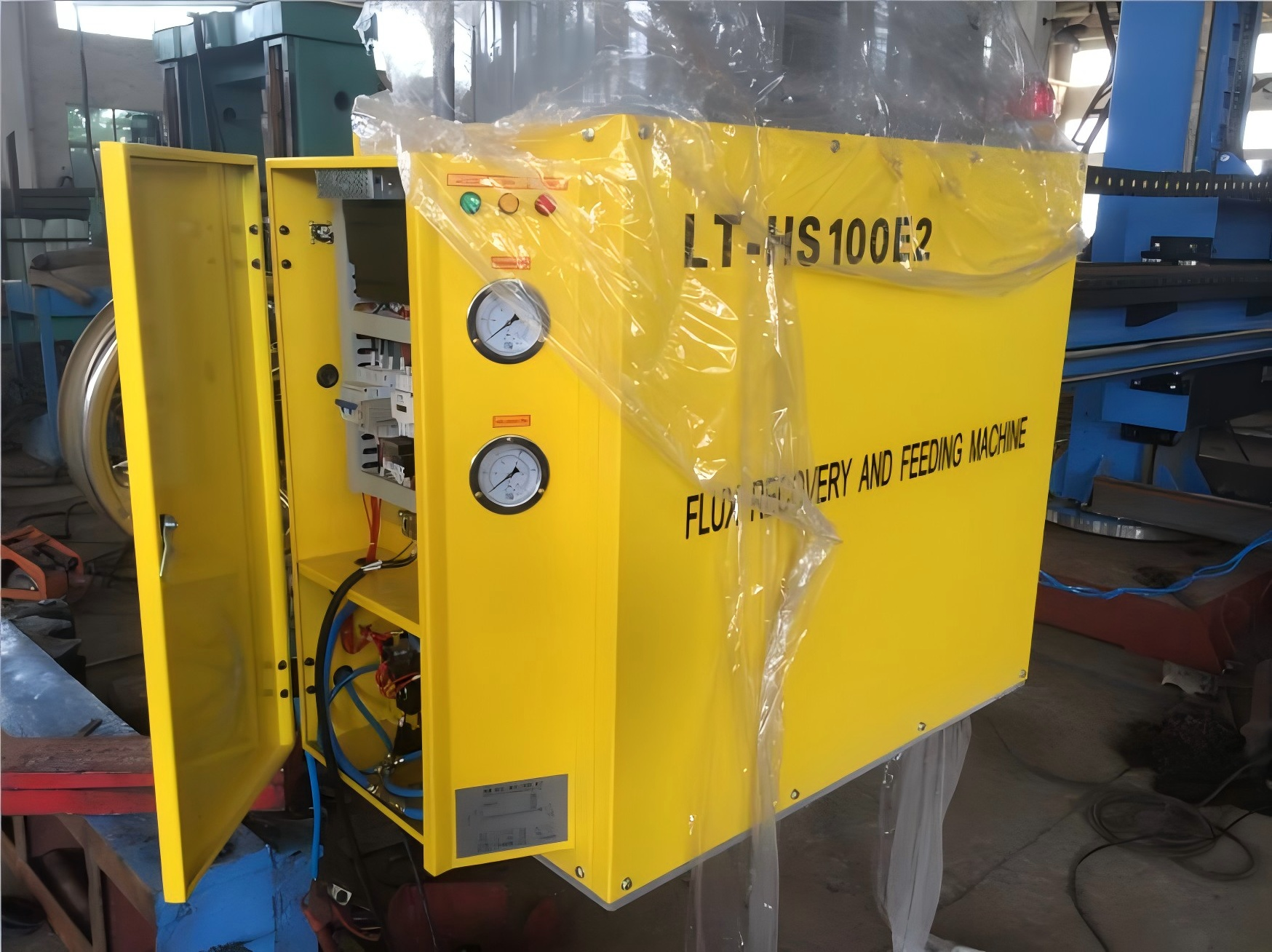
- A flux recovery machine is available as an optional add-on for submerged arc welding processes.
1.6 Power Supply Customization
- The manipulator supports a wide range of electrical requirements, with customizable voltage options including 220V, 380V, 480V, and 600V, at 50 or 60Hz.
1.7 Standard Control System
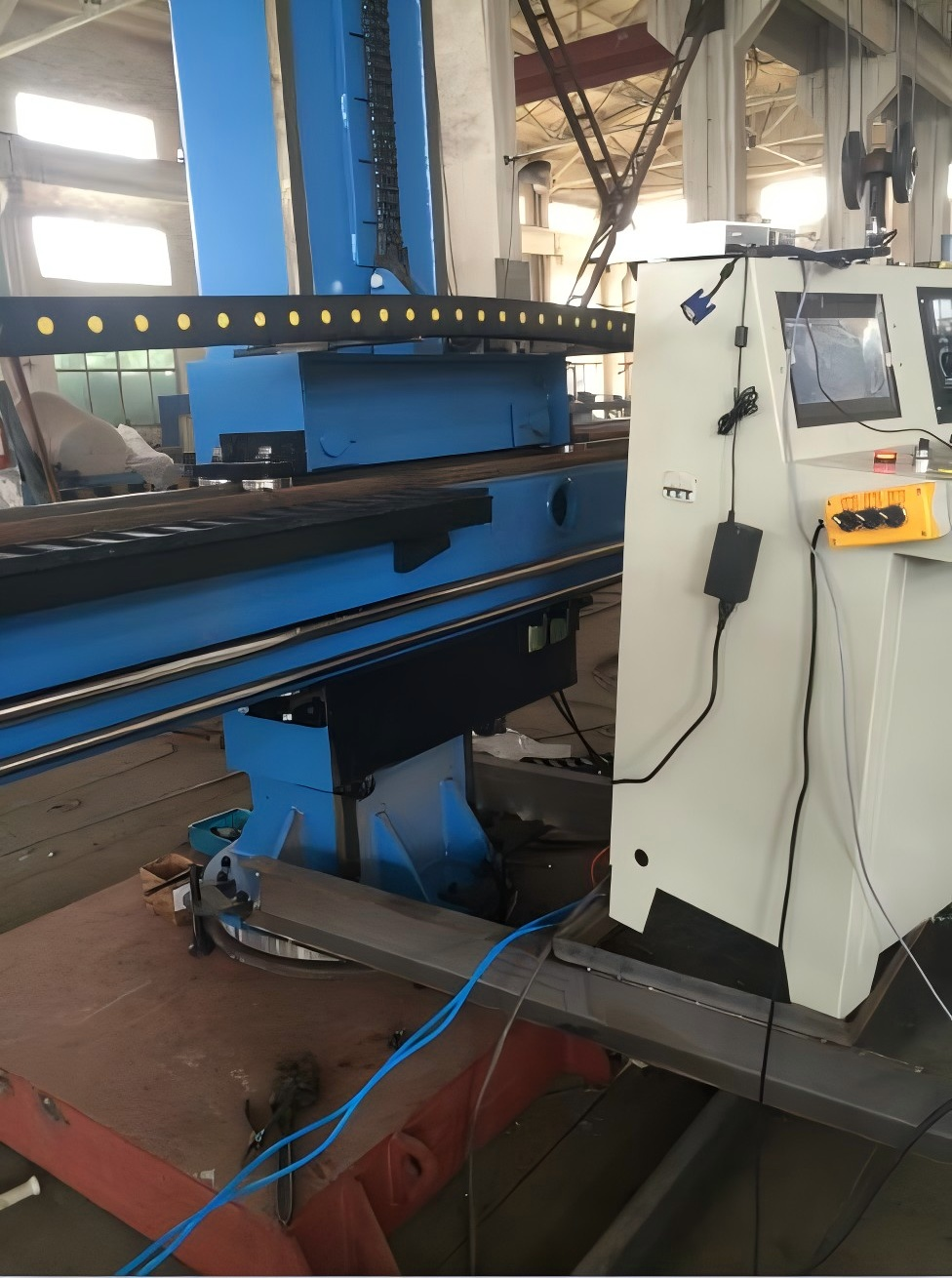
- A remote hand control box is included as standard equipment for convenient and safe operation from the floor.
1.8 System Integration
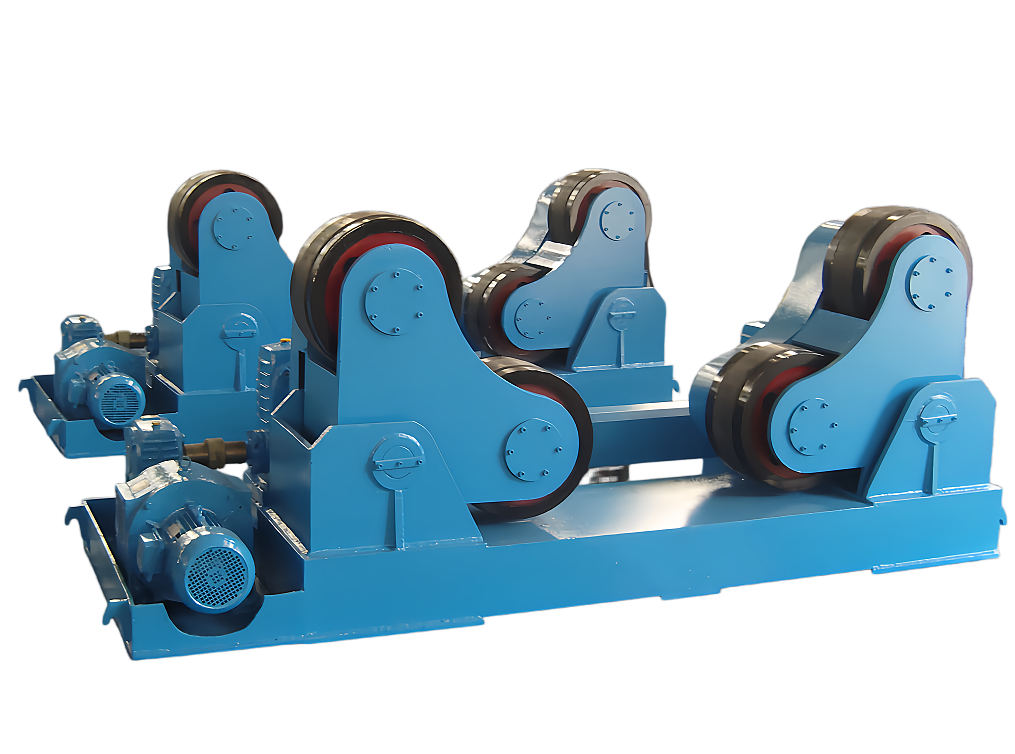
- Designed to work seamlessly with other welding positioning equipment, such as welding rotators and positioners, to form a complete automated welding system.
1.9 Welding Source Compatibility
- Compatible with a variety of welding power sources, including TIG, MIG, SAW, and even plasma welding, providing flexibility for different materials and processes.
2.Technical parameter for welding manipulator
3. Welding Manipulator – Key Features & Design Advantages
3.1 Flexible Installation & Mobility Options
The manipulator is available in three structural configurations to suit different workshop layouts and production needs: fixed type, fixed with rotation, and movable with rotation (trolley-mounted).
3.2 Robust & Stress-Relieved Construction
The main structural components are fabricated from high-quality steel using a cold-blending process, followed by annealing heat treatment. This effectively eliminates internal stresses, ensuring long-term dimensional stability and resistance to deformation.
3.3 Enhanced Operational Safety
An integrated anti-falling safety device is incorporated to prevent the boom from accidentally descending, ensuring maximum protection for personnel and equipment during lifting operations.
3.4 Precise & Stable Boom Retraction
The boom retraction mechanism is driven by a Variable Frequency Drive (VFD) , providing smooth, reliable, and precisely controllable movement for accurate torch positioning.
3.5 Precision Slide & Remote Control
The X-Y cross slide is securely mounted at the boom end and can be precisely adjusted using the remote control panel, allowing the operator to fine-tune the torch position conveniently from the floor.
3.6 Convenient Column Rotation
The column rotation can be easily controlled either by manual operation (for basic models) or by an electric drive system for powered, effortless positioning.
3.7 Extensive Optional Accessories
To enhance functionality and automation, a wide range of optional add-ons is available, including:
Mobile trolley (for movable types)
Seam tracking system
Real-time monitoring system
Flux recovery machine
And other custom accessories.
3.8 Premium Components for Durability
All critical spare parts and electrical components are sourced from well-known, internationally recognized brands. This commitment to using premium quality parts guarantees the equipment's superior reliability, consistent performance, and extended service life.
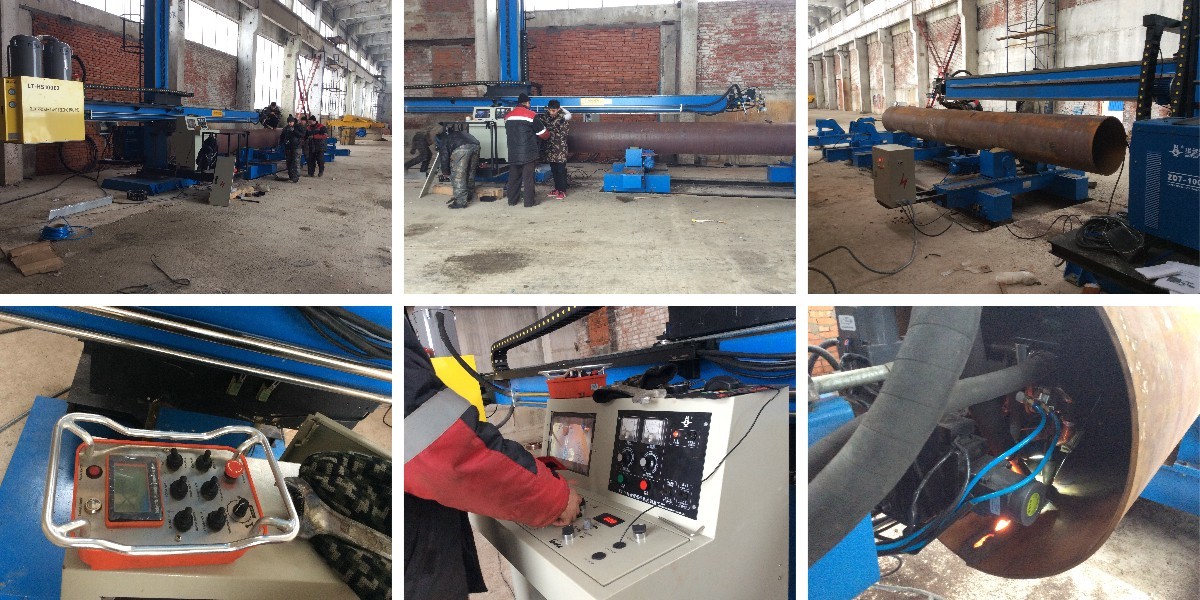
4.Projects for Welding manipulator
products faq
A standard welding machine is a single power source that requires manual operation and external positioning equipment. An Automatic Welding Center, by contrast, is an integrated system that combines welding power source, wire feeder, manipulator, positioner, and PLC control into one coordinated unit. It automates the entire welding process—including torch movement, workpiece rotation, and parameter adjustment—delivering higher consistency, faster throughput, and reduced operator dependence.
Depending on the configuration, an Automatic Welding Center can support multiple processes including GMAW (MIG/MAG), GTAW (TIG), submerged arc welding (SAW), and RMD (regulated metal deposition) for root pass welding. Some advanced designs integrate up to three welding methods on a single manipulator, switchable by rotating the boom 180°, offering exceptional flexibility for diverse applications.
The system is designed primarily for cylindrical and rotational components, including pressure vessels, boiler shells, pipelines, wind tower sections, and hydraulic cylinders. It is suitable for both longitudinal seam welding and circumferential seam welding. With modular positioning accessories such as roller frames, positioners, and lifting supports, it can adapt to a wide range of diameters, lengths, and material thicknesses.
Quality is maintained through several integrated features: PLC-based parameter control ensures repeatable welding conditions; laser seam tracking (on advanced models) maintains torch alignment within ±1% tolerance; frequency converters provide stepless speed regulation for smooth motion; and real-time monitoring systems halt welding immediately if any subsystem anomaly is detected, preventing defects before they occur.
Yes. The system features user-friendly interface panels and remote control boxes for flexible operation. Setup involves basic parameter entry for the specific weld job—such as speed, current, voltage, and travel distance—after which the center executes the programmed sequence automatically. Batch program storage allows quick changeovers for mixed-product manufacturing. Operator training is typically straightforward and supported by comprehensive documentation.
Routine maintenance includes inspecting welding cables, torch consumables, and grounding connections; checking lubrication of moving parts (manipulator arms, roller drives, and linear guides); and monitoring the cooling system and wire feeder condition. The PLC and frequency drive systems are generally maintenance-free but should be kept free of dust and moisture. We recommend regular inspection schedules based on operating hours, with full technical support and spare parts available from our service team.