




Welding Manipulator: The Complete Guide to Types, Structures, and Industrial Applications
What A Welding Manipulator Is And Why It Matters
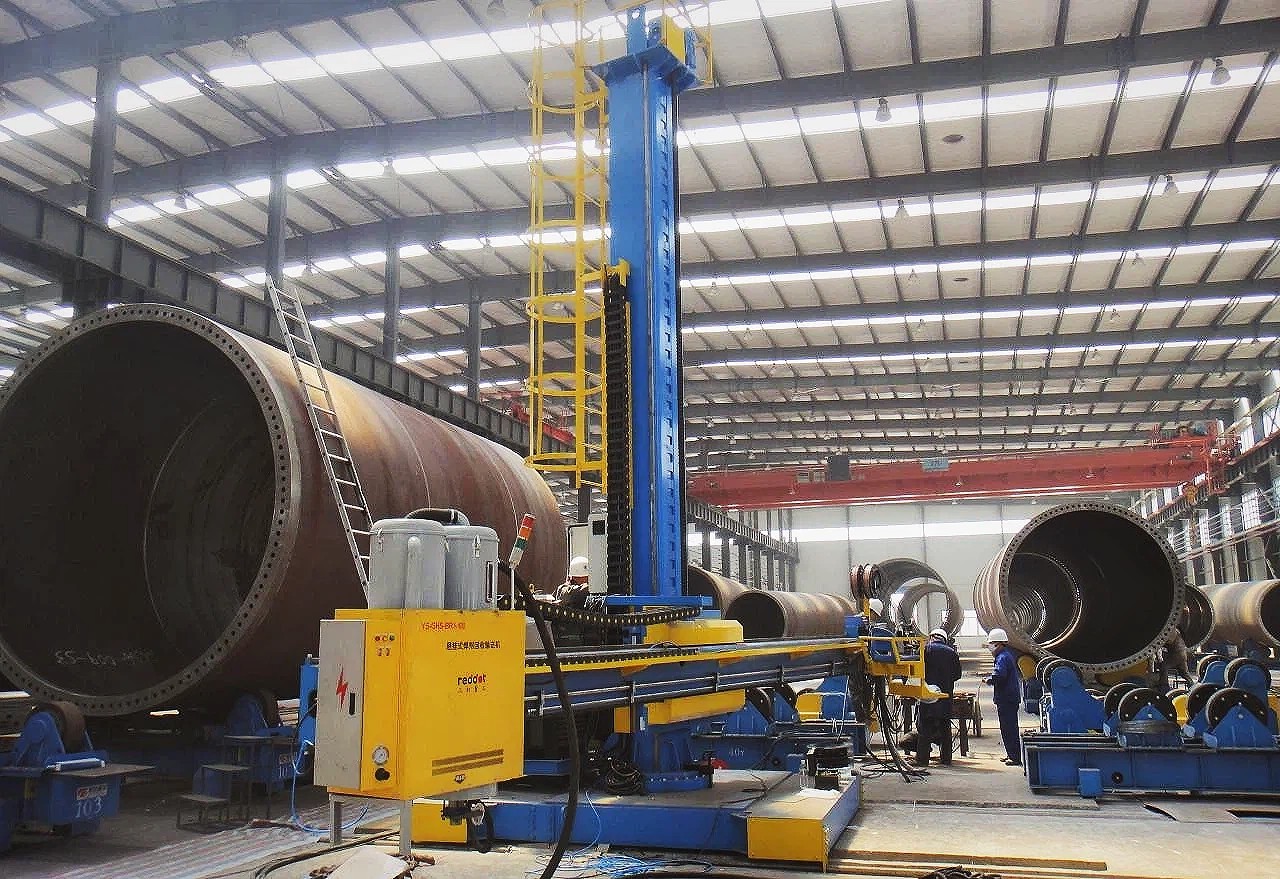
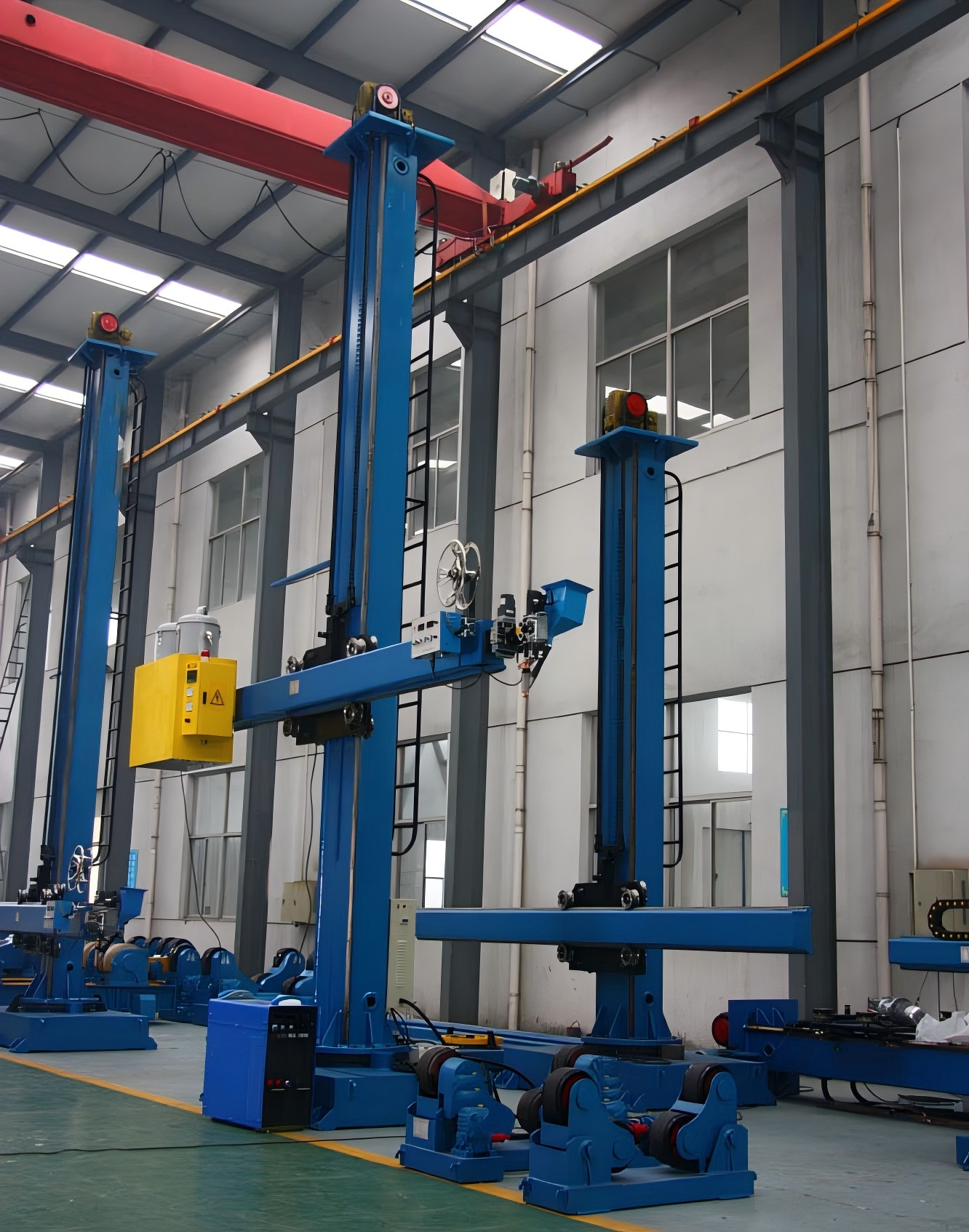
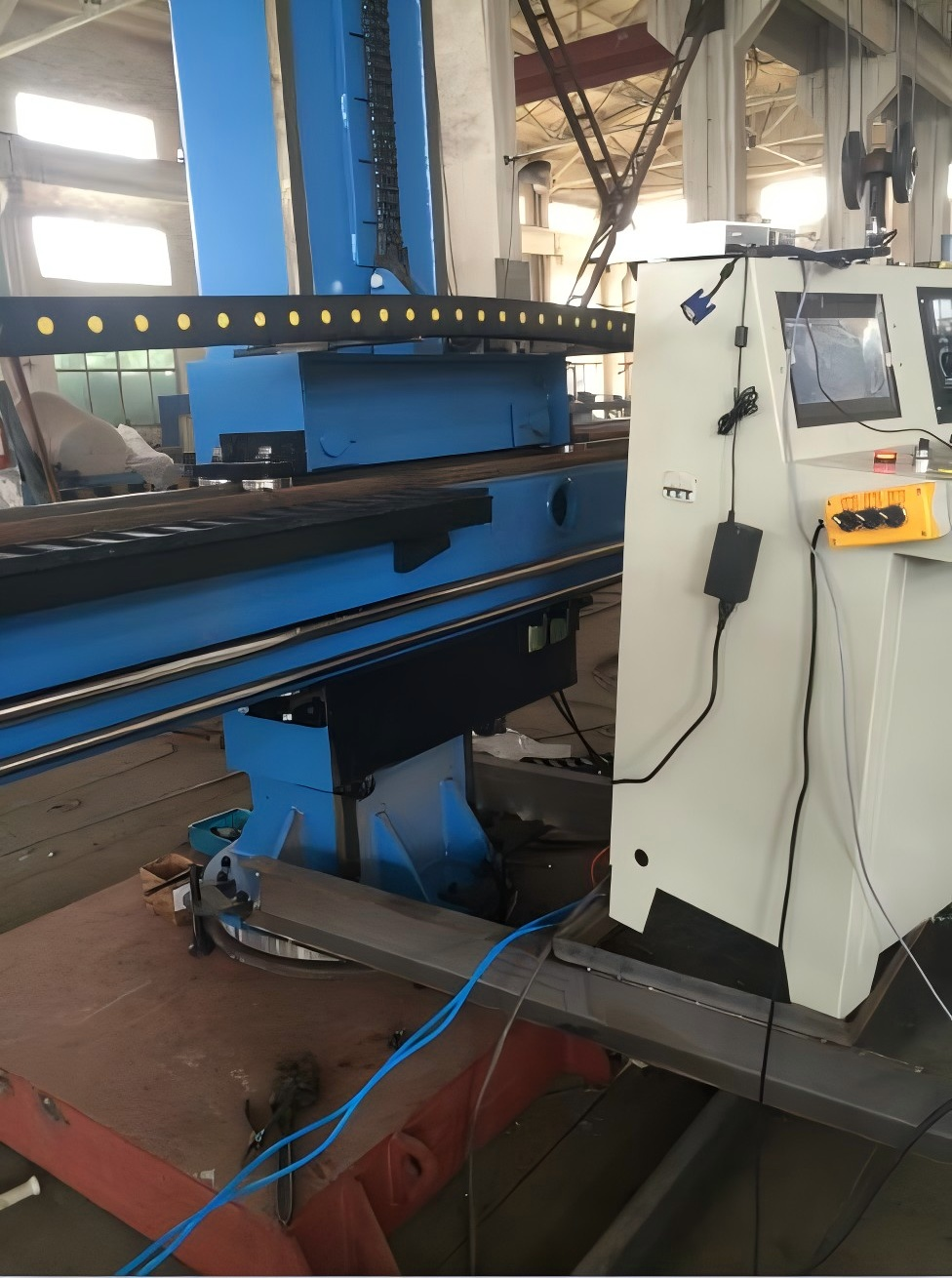
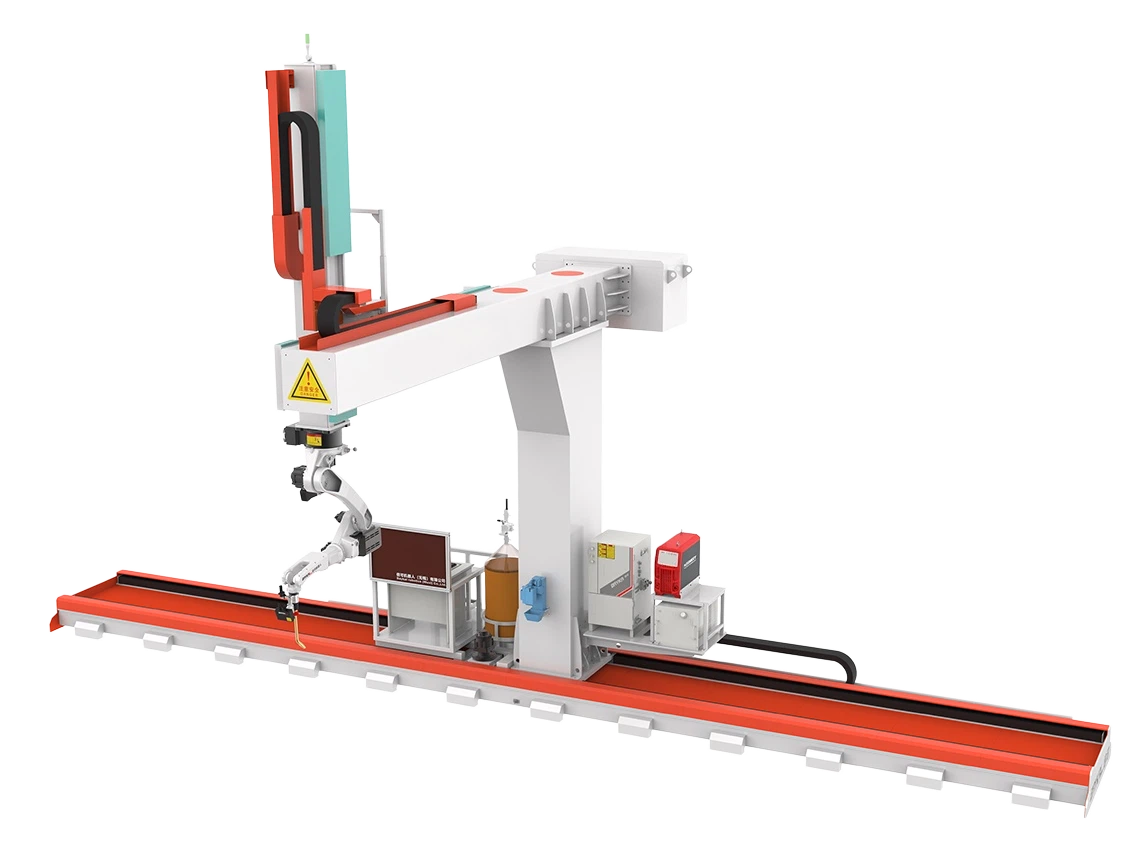
A Welding Manipulator is an industrial positioning system built to move a welding head or welding torch with controlled vertical and horizontal travel around large, heavy, or long workpieces. In most configurations, it consists of a column, a boom, a carriage, drive systems, control units, and a welding package that may include SAW, MIG, MAG, TIG, or plasma welding equipment. Its purpose is not to clamp the workpiece like a positioner, but to bring the welding process to the right location with repeatable motion.
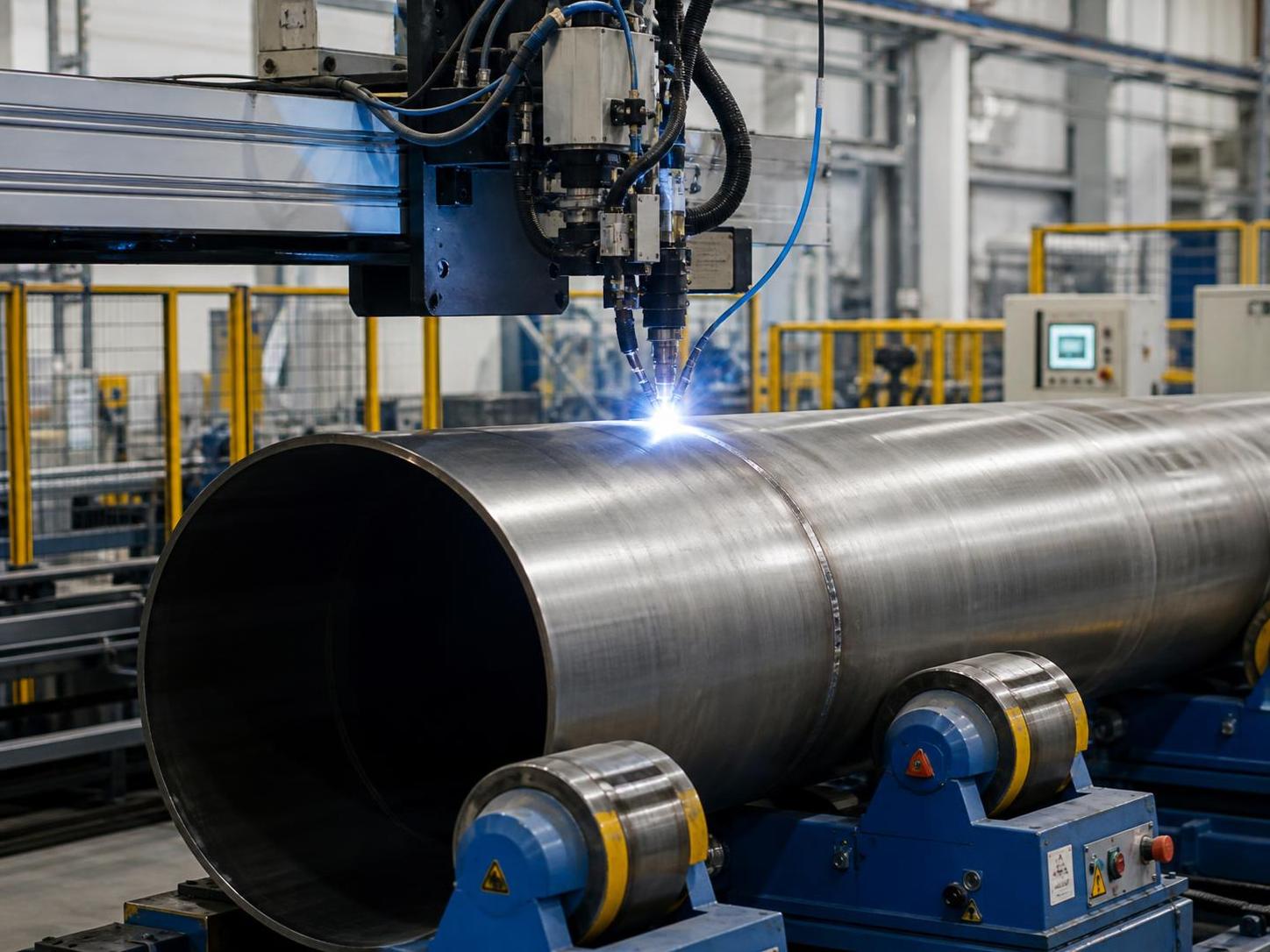
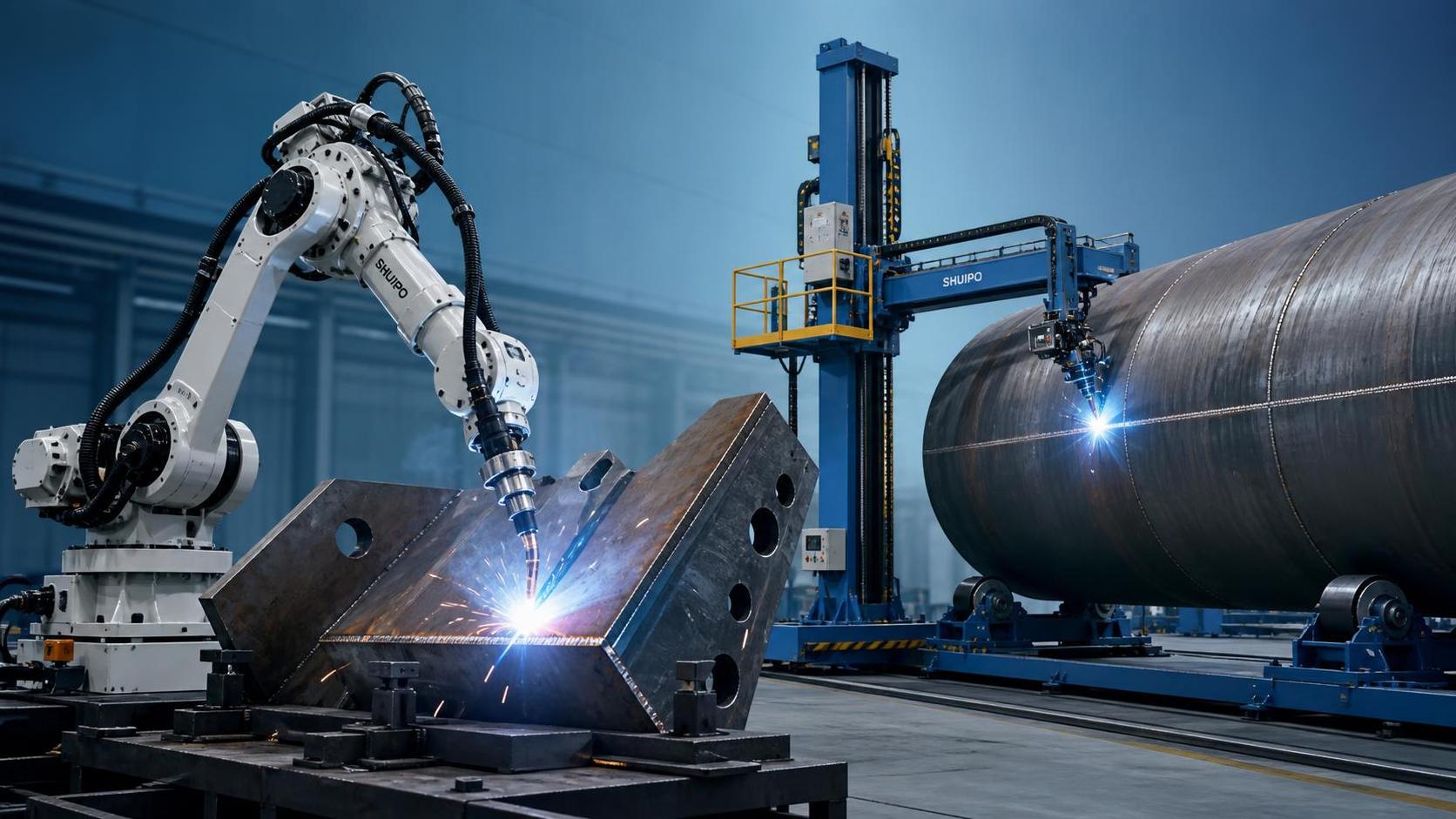
In fabrication plants, the Welding Manipulator is commonly paired with welding rotators, turning rolls, or positioners to create a synchronized welding station. This combination is especially important when handling cylindrical tanks, pressure vessels, pipes, wind tower sections, and structural steel assemblies that are too large for manual welding to remain efficient or consistent. By stabilizing travel and torch position, the system reduces variation caused by operator fatigue, access difficulty, and changing weld orientation.
From a production perspective, the value of a Welding Manipulator lies in process control. Better torch alignment, steadier travel, and easier integration with automation support higher deposition efficiency, more uniform weld appearance, and lower rework rates. For buyers serving energy, petrochemical, offshore, construction, transport equipment, and heavy machinery sectors, it is often a practical step between manual welding and fully robotic cells.
For global buyers evaluating supply options, the machine should be understood as part of a wider welding line rather than as a stand-alone motion frame. Suppliers such as Wuxi Samgins typically offer Welding Manipulator systems alongside welding rotators, welding positioners, long seam welding machines, and customized robot solutions, which matters because coordinated line design often determines whether a project achieves stable output after installation.
Technical Principle And Core Structure
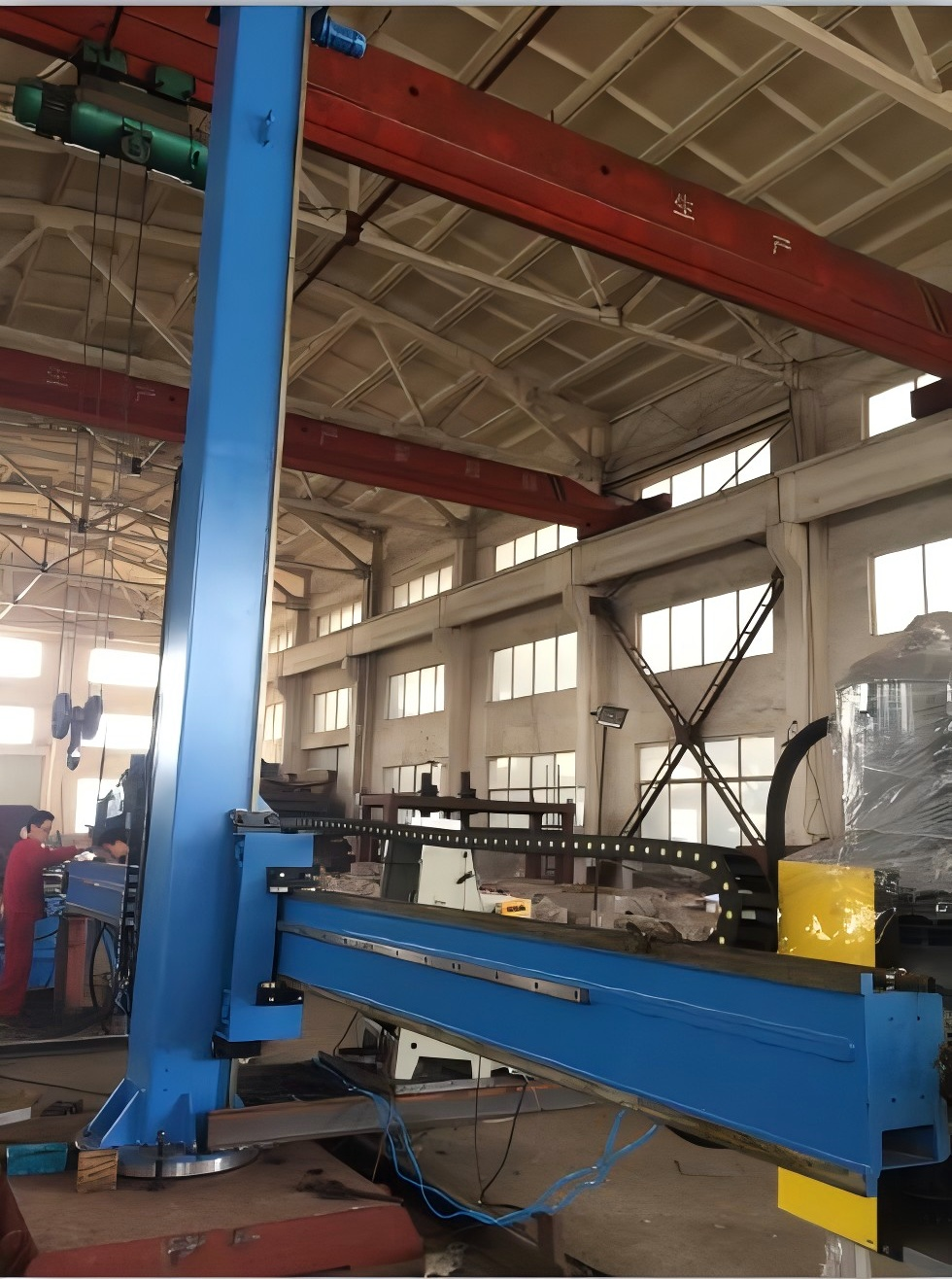
The basic operating principle of a Welding Manipulator is controlled linear movement in two axes. The boom extends or retracts horizontally to reach the weld joint, while the carriage moves vertically along the column to match the elevation of the seam. Depending on the machine design, the boom may also rotate around the column, and the torch support can include cross slides, oscillation units, seam tracking, AVC, or camera-based monitoring to maintain welding position throughout the operation.
Structurally, the column and boom must provide adequate rigidity under dynamic load. Deflection is a critical engineering issue because even small movement at the torch end can influence bead shape, penetration, and arc stability, especially on long seams or narrow-joint applications. Heavy-duty models therefore rely on reinforced steel structures, accurate guide rails, stable drive assemblies, and suitable balancing systems. The larger the reach, the more important stiffness, base stability, and installation accuracy become.
The drive system usually includes motorized travel with speed control, often coordinated through inverter or servo control depending on the required precision level. In practical use, the Welding Manipulator may be mounted on a fixed base, a stationary pedestal, or a motorized travel carriage that moves on rails. Rail-mounted machines are common when one manipulator must serve multiple stations or when extra longitudinal reach is needed for long vessels and pipe sections.
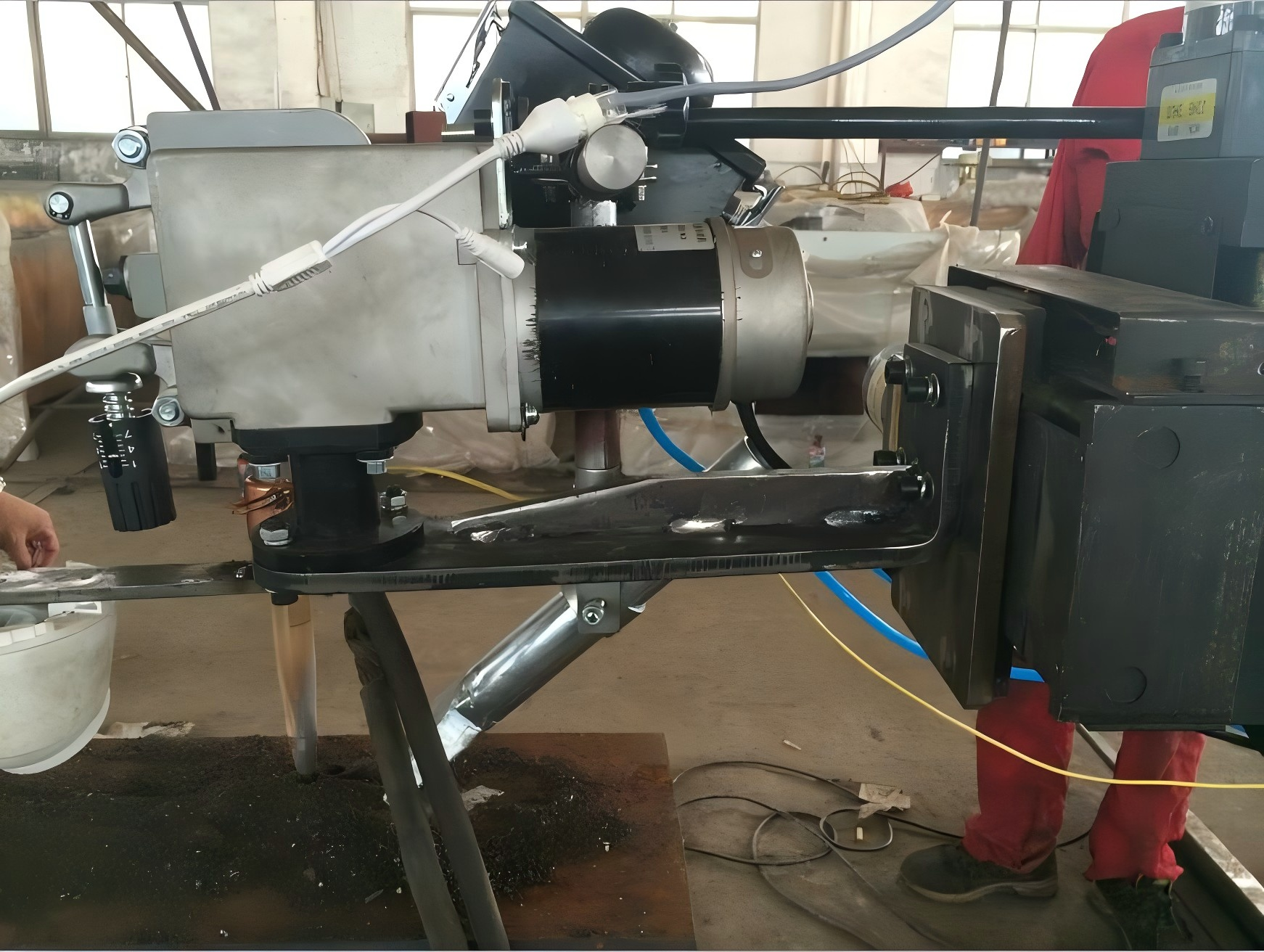
The welding package is equally important. Flux recovery, wire feeders, control panels, power sources, operator pendants, and safety interlocks should be matched to the process and the joint design. Wuxi Samgins emphasizes imported key hydraulic, servo, and CNC components in relevant machine systems, a useful consideration for buyers focused on long service life, control stability, and easier sourcing of replacement parts in industrial export projects.
Main Types Of Welding Manipulator Systems
Welding Manipulator systems are usually classified by load duty, mobility, boom reach, and degree of automation. Light-duty units are suitable for smaller tanks, general fabrication, and repair work where the welding head and accessories are relatively compact. Medium-duty systems are common in vessel shops and steel processing plants, while heavy-duty systems are built for thick-wall pipes, large-diameter storage tanks, pressure vessel shells, and other high-mass industrial workpieces.
Another useful classification is fixed versus travel-carriage type. Fixed-base machines are appropriate when the work zone is concentrated and floor space is limited. Travel-carriage Welding Manipulator units run on rails and are better for long production lines, multiple vessel stations, or applications where the manipulator must shift between assembly, tack welding, and final welding zones. This choice affects layout planning, foundation work, and long-term workflow efficiency.
Systems can also be divided by process integration. A basic manual-assist unit may provide motion only, with the operator setting position and monitoring the arc. A semi-automatic version may add oscillation, seam tracking, and programmed travel control. Higher-spec installations can integrate with rotators, PLC logic, welding power sources, data logging, and coordinated multi-axis automation. For factories moving toward digital production, this layer of integration can be as important as mechanical size.
In specialized applications, buyers may compare a conventional Welding Manipulator with a cantilever welding robot or a 9-axis automation solution. Wuxi Samgins lists both Welding Manipulator systems and 9 axis cantilever type welding robot solutions, which is relevant when a project needs greater path flexibility than a standard column-and-boom frame can provide. The right choice depends on seam complexity, production mix, and whether the work is repetitive or highly variable.
Who Uses It And Where It Delivers The Most Value
The typical users of a Welding Manipulator are manufacturers handling large fabricated components where welding quality and throughput both matter. This includes pressure vessel makers, storage tank fabricators, pipe and spool manufacturers, wind tower producers, shipbuilding subcontractors, heavy equipment workshops, and structural steel plants. These companies often face the same production challenge: seams are long, access is difficult, and weld consistency becomes expensive when managed only by manual skill.
The machine is particularly valuable for circumferential and longitudinal welding on cylindrical workpieces. When combined with rotators, it allows steady welding around shells and tanks. When integrated with long seam welding equipment, it supports straight, repeatable travel on vessel sections or plate-formed assemblies. For pipe and vessel shops, this can reduce setup effort across repeated jobs and improve schedule predictability during peak production periods.
For buyers in export-oriented industries, application suitability is also linked to code compliance and documentation requirements. While the Welding Manipulator itself does not guarantee procedure qualification, it can help maintain process repeatability under production conditions aligned with customer quality expectations. Wuxi Samgins states familiarity with ASME, API, and other local industry codes, which is useful for projects serving regulated sectors such as oil and gas, pressure equipment, and infrastructure fabrication.
Real-world relevance is reflected in international demand across different markets and manufacturing profiles. Customer names provided for Wuxi Samgins, including URALSTANKOIMPORT, MD Calbah Industries Pty Ltd, Zein Steel Industries Co. LLC, PT. Cahaya mas Cemerlang, and Lincoln Electric-MENA, suggest exposure to varied industrial environments where welding automation, heavy fabrication, and process reliability are commercial priorities.
How To Select The Right Welding Manipulator
Selection should begin with the workpiece, not the machine catalog. Buyers need to define maximum diameter, length, weight, joint type, welding process, wall thickness range, and production rhythm. A Welding Manipulator for thin-wall stainless vessels with TIG or MIG control will differ substantially from one intended for submerged arc welding on heavy carbon steel tanks. Reach, column height, boom load capacity, travel speed range, and torch-end accessory load must match the actual operating envelope.
The second layer is workflow integration. Ask whether the machine will work with rotators, positioners, turning rolls, or rail travel. Evaluate whether one station is enough or whether several vessel sizes will be processed in the same area. If the factory handles both standard products and custom jobs, flexibility may matter more than maximum speed. If the line is dedicated to one geometry, a more specialized Welding Manipulator configuration often gives better efficiency and easier operator training.
Control features also deserve careful review. Essential questions include whether the system needs seam tracking, AVC, boom anti-fall protection, remote pendant control, welding oscillator, camera monitoring, or programmable travel memory. In many cases, the difference between a workable machine and a productive machine is found in these details rather than in column height alone. Reliability of electrical components, cable routing, and maintainability should be reviewed early, especially for overseas installations.
Supplier capability matters when the application is not standard. Wuxi Samgins positions customization as a core strength across welding robots, long seam welding machines, and heavy-duty welding rotators. For a buyer building a tank line, pipeline station, steel structure workshop, or sheet metal factory, this broader engineering range can reduce integration risk because the manipulator, supporting motion equipment, and upstream or downstream fabrication machines can be planned as a coordinated package.
Manufacturing Quality, Installation, And Operational Control
A good Welding Manipulator is not defined only by dimensions. Manufacturing quality depends on structural fabrication accuracy, machining precision on guide interfaces, alignment of travel components, and stable integration of electrical and motion systems. Poor structural straightness or weak guide assemblies can create vibration, inconsistent torch angle, and premature wear. Buyers should request clear information on fabrication tolerances, assembly inspection, component sourcing, and factory testing before shipment.
Installation quality has a direct effect on welding performance. Foundations, rail straightness, vertical alignment, cable support, grounding, and integration with the welding power source all influence smooth travel and arc stability. Commissioning should include no-load motion checks, loaded boom tests, interlock verification, speed calibration, and trial welding under real production parameters. In export projects, practical documentation and remote technical support can matter as much as hardware specification.
Operational control should focus on repeatability and safety. Operators need clear travel controls, emergency stop access, anti-drop protection, and stable observation of the weld pool. If the station uses flux, fume extraction, or wire handling equipment, these should be considered part of the work cell design. A Welding Manipulator that is difficult to observe or awkward to adjust can slow production even if its nominal specification is acceptable.
Wuxi Samgins states that its machines comply with ISO9001 quality system requirements and EU CE Machinery and LVD directives, and that it provides long-term warranty and technical support. For buyers comparing suppliers from a risk perspective, these points are relevant because after-sales responsiveness, electrical compliance, and documentation quality often determine how quickly the equipment becomes productive after delivery.
Total Cost Of Ownership And ROI Considerations
The purchase price of a Welding Manipulator is only one part of the financial decision. Total cost of ownership includes shipping, foundation work, installation, electrical integration, operator training, consumable behavior under the selected process, preventive maintenance, spare parts strategy, and possible downtime caused by poor matching with the actual product mix. A lower initial quotation may become expensive if the machine lacks the rigidity, controls, or service support needed for stable production.
For ROI evaluation, buyers should quantify labor savings, arc-on time improvement, reduced rework, faster setup on repeated seams, and the ability to handle larger or more demanding contracts. In many fabrication shops, the strongest return does not come from eliminating welders but from allowing skilled operators to supervise a more stable process with less physical strain and fewer interruptions. This is especially true when product quality penalties or project delay costs are significant.
Machine configuration strongly affects cost. Rail travel, seam tracking, oscillators, digital controls, heavy-duty booms, and special welding packages all raise capital expenditure, but may reduce unit cost over time when production volume is high. Buyers should model best-case and realistic utilization rates, because an advanced Welding Manipulator only delivers expected returns when the workshop has enough workload and process discipline to keep it productive.
Suppliers with wider fabrication portfolios can sometimes improve ROI through system matching rather than through one machine alone. Because Wuxi Samgins also supplies welding rotators, welding positioners, pipe welding machines, long seam welding machines, H-beam lines, and cutting equipment, buyers planning a workshop expansion may gain from evaluating line-level productivity instead of pricing the Welding Manipulator in isolation.
Maintenance Cycles, Upgrades, And Future Trends
Maintenance for a Welding Manipulator should follow actual usage intensity and environmental conditions. Routine tasks usually include guide lubrication, fastener inspection, cable and hose checks, drive system review, limit switch verification, boom movement inspection, and cleaning of flux, dust, or spatter contamination around moving parts. Plants running multi-shift production should set shorter inspection intervals than workshops using the machine intermittently for project-based jobs.
Upgrades are common when production requirements change. A plant may begin with a standard manipulator and later add rail travel, seam tracking, oscillation, digital monitoring, or synchronized control with rotators. The possibility of modular upgrading should therefore be discussed before purchase. A machine that supports future process expansion can remain useful longer, especially in sectors where contract size and product type vary from year to year.
The future direction of the Welding Manipulator market points toward smarter controls, easier integration with robotic and semi-robotic systems, more data visibility, and stronger demand for customized heavy-fabrication solutions. Rather than replacing all column-and-boom systems, automation is likely to segment the market: standard manipulators will remain practical for many repetitive large-part jobs, while advanced multi-axis systems will grow in complex seam applications.
For procurement teams, the best long-term strategy is to treat a Welding Manipulator as part of a scalable production platform. Suppliers with export experience, customization capability, and a broader machine ecosystem are often better positioned to support that path. In that context, Wuxi Samgins is relevant not only as a Welding Manipulator supplier, but as a manufacturing equipment partner able to align welding automation with cutting, forming, beam processing, and complete fabrication line requirements.
search
Recommended Products
 9 axis cantilever type welding robot9 axis cantilever type welding robot for large steel workpieces with auto tracking, 3D import, and efficient CNC welding automation.
![星星1]()
 Welding manipulatorThis welding manipulator is a core piece of equipment designed specifically for automated welding applications. Combined with welding positioners, roller frames, and other components, it forms a highly efficient automated welding workstation. The equipment features strong structural rigidity and flexible operation, making it suitable for longitudinal, circumferential, and internal/external seam welding in industries such as pressure vessels, pipelines, and steel structures.
![星星1]()

Recommended blogs
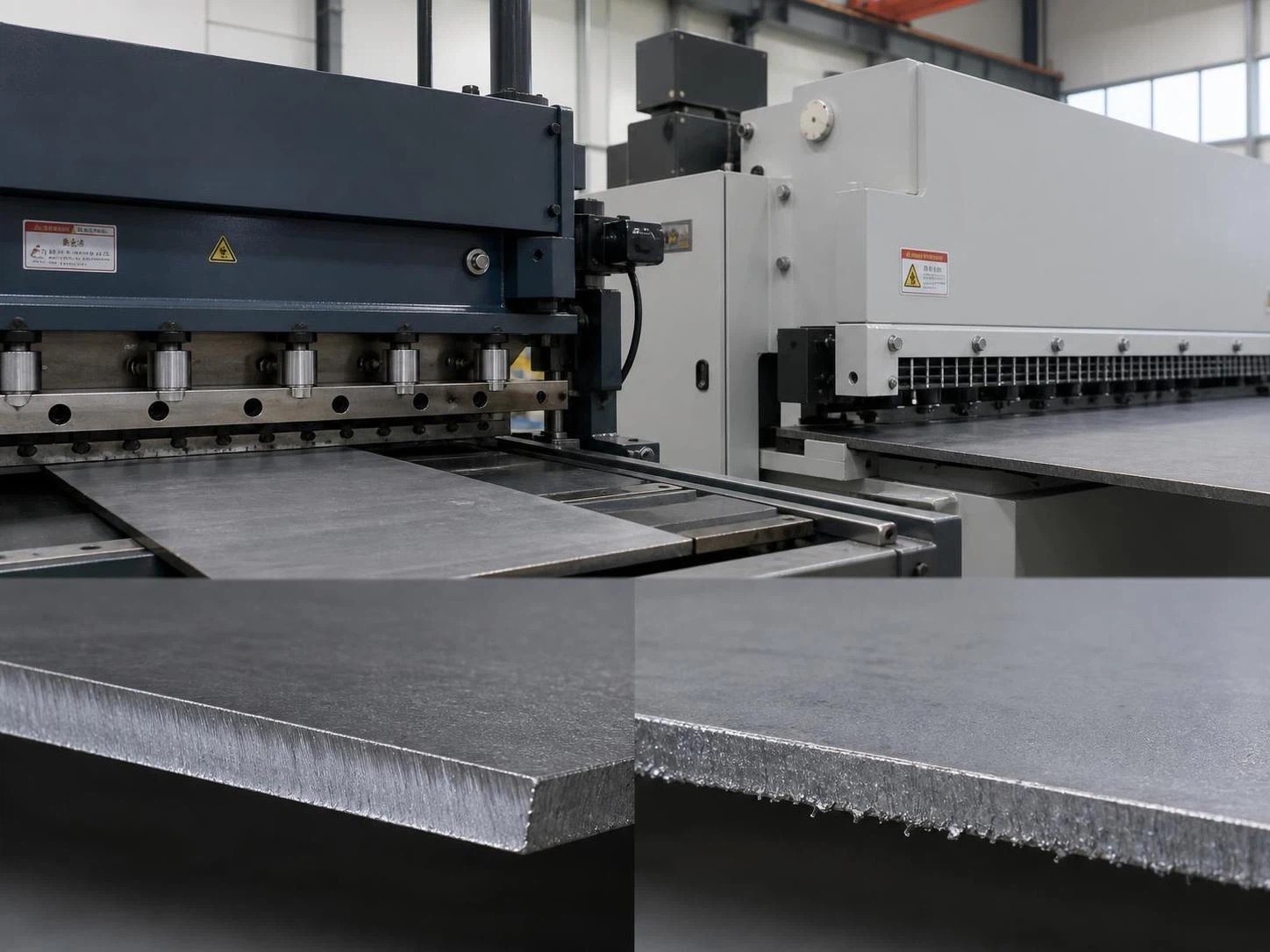
 Hydraulic Shearing Machine Cost Factors That Affect ROI
- What to Check Before Buying a Plate Drilling Machine with CE
 When Does an Automatic Welding Manipulator Improve Weld Consistency and Output?
- Welding Robot vs. Welding Manipulator: What’s the Difference for Thick Plate Work?
- Hydraulic Swing Beam Guillotine vs Guillotine Shear: Which Cuts Better for Mild Steel?
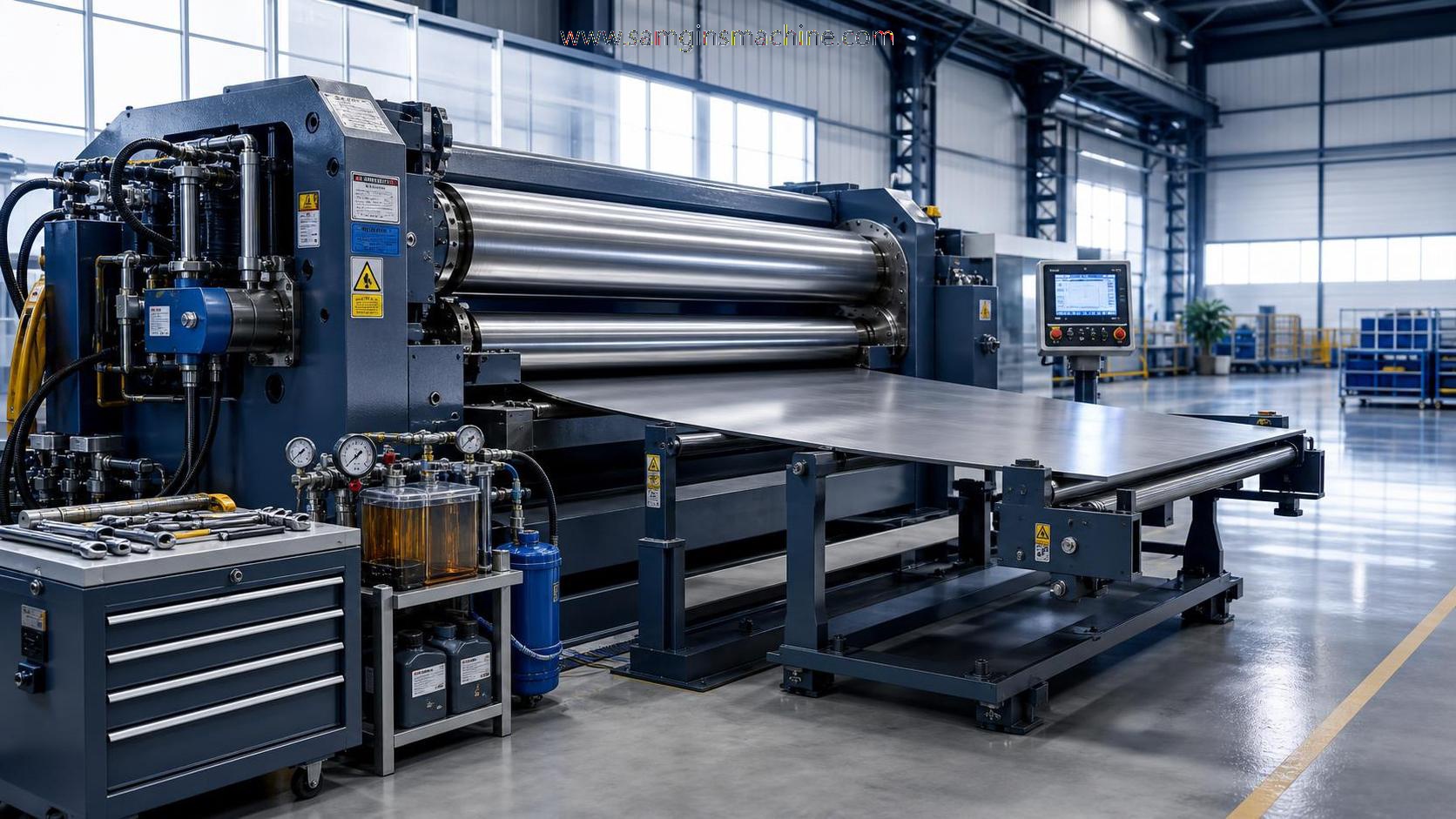
- Rolling Machine Maintenance Checklist to Prevent Downtime
Send Us A Message
Send us a Message
A dedicated person will follow up on your needs one-on-one and provide personalized customized solutions according
to your needs.
Get In Touch
We look forward to hearing from you for in-depth communication on how to fulfill your mixing requirements.