




Common Hydraulic Problems in Shearing Machines and How to Fix Them
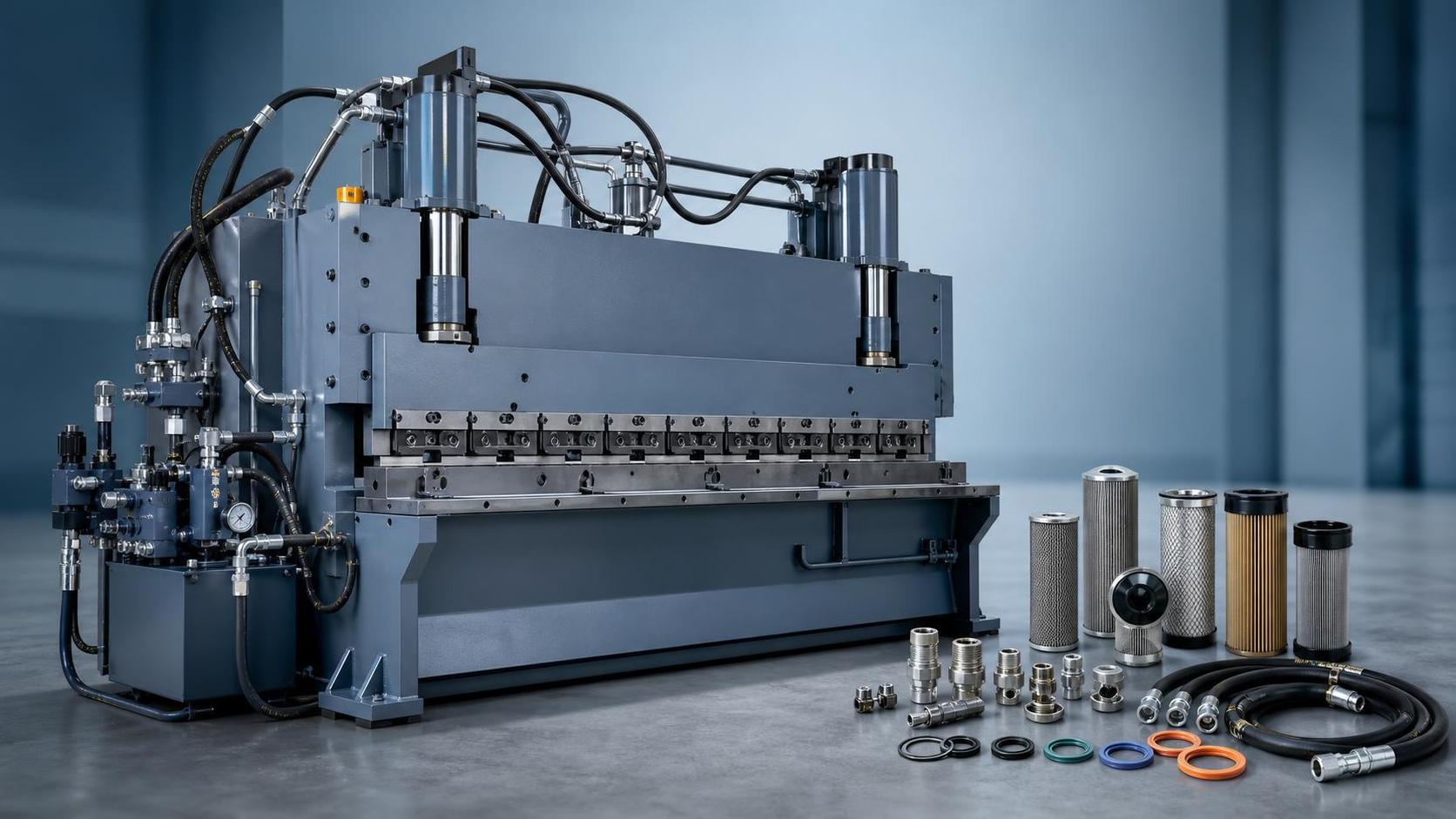
What are the common hydraulic issues in shearing machines and how to fix them? In most cases, the real problems are not mysterious. Pressure loss, oil leakage, overheating, slow blade movement, and unstable cutting usually point to a limited number of hydraulic faults. If these issues are identified early and handled correctly, operators can avoid costly downtime, poor cut quality, and premature component failure.
For metal fabrication businesses, hydraulic reliability is directly tied to output, accuracy, and operating cost. A shearing machine may look mechanically simple, but its hydraulic system controls force, speed, stability, and repeatability. When the system is not working properly, the machine cannot deliver clean cuts, consistent cycle times, or safe performance.
This guide explains the most common hydraulic problems in shearing machines, what causes them, how to troubleshoot them, and what actions usually solve them. It is written for plant managers, maintenance teams, equipment buyers, and operators who want practical answers instead of generic theory.
Why hydraulic problems in shearing machines matter more than many users expect
In a shearing machine, the hydraulic system does more than move the blade up and down. It regulates pressure, supports stable motion, and helps the machine maintain cutting force across different plate thicknesses and materials. Even a minor fault can affect both production efficiency and finished part quality.
When a hydraulic issue starts, the first visible symptom is often not total machine failure. It may appear as slower return speed, inconsistent cutting angle, unusual vibration, excessive noise, or rough edges on the sheet. These early warning signs are important because they usually appear before a major breakdown.
For production managers, the cost of ignoring these signs is rarely limited to repair bills. There may also be scrap, missed delivery schedules, overtime labor, and safety risks. For equipment buyers, understanding these common hydraulic issues helps them evaluate machine quality, maintenance requirements, and long-term operating cost before purchase.
Pressure loss: the most common cause of weak or inconsistent cutting force
One of the most common hydraulic issues in shearing machines is pressure loss. When system pressure drops below the required level, the blade may fail to cut thicker material cleanly, or the machine may need more than one attempt to complete a cut. In some cases, the blade movement becomes noticeably weak or hesitant.
Pressure loss usually comes from internal leakage, worn seals, a failing hydraulic pump, blocked filters, or incorrectly adjusted pressure valves. Air entering the system can also reduce pressure stability. If the machine has been used heavily for a long period, normal wear on valves and cylinders is often part of the problem.
The first step is to check the pressure gauge and compare the actual reading with the machine’s specified operating range. If the reading is unstable or too low, inspect the pump, relief valve, cylinder seals, and main hydraulic lines. Also check whether the hydraulic oil level is too low or whether the oil has become contaminated.
In many cases, the fix involves replacing worn seals, cleaning or changing the filter, adjusting the pressure valve, or servicing the pump. If the pump shows serious wear, replacement is usually more economical than repeated short-term repairs. After correction, the system should be retested under load, not only at idle.
Oil leakage: a small visible leak can indicate a larger hidden failure
Oil leakage is another frequent issue in hydraulic shearing machines. External leaks are often seen around hose joints, cylinder connections, valve blocks, or seal surfaces. While some users treat leakage as a minor maintenance nuisance, it can quickly become a sign of pressure instability, component wear, and unsafe operation.
Leaks usually happen because of aged seals, loose fittings, cracked hoses, poor installation, excessive vibration, or overheating that hardens rubber components. In lower-quality machines, leakage may appear earlier due to weaker sealing materials or poor machining accuracy at connection points.
The obvious fix is to identify the exact leak point and replace the damaged seal, hose, or fitting. However, effective repair also means checking why the leak developed. If vibration, pressure spikes, or excessive heat caused the failure, replacing the seal alone may only provide a temporary result.
After repair, clean the affected area thoroughly and monitor it during several production cycles. This helps confirm whether the problem is fully resolved. It also prevents old oil residue from being mistaken for a new leak. A clean hydraulic system is easier to inspect and much easier to maintain correctly.
Hydraulic oil overheating: a direct threat to machine life and cutting stability
Overheating is one of the most damaging hydraulic problems in shearing machines because it affects oil viscosity, lubrication quality, sealing performance, and component wear. When oil temperature rises too high, the system becomes less stable, and both performance and service life begin to decline.
Common causes include overloaded operation, poor heat dissipation, low oil level, blocked coolers, dirty filters, incorrect oil grade, or internal leakage that forces the system to work harder. Continuous operation beyond the machine’s intended duty cycle can also lead to excessive heat buildup.
Typical symptoms include unusually hot oil tank surfaces, slower machine response, increased noise, reduced pressure consistency, and visible seal wear. In some cases, the machine may still operate, but cut quality becomes unstable as the hydraulic fluid no longer performs as designed.
To fix overheating, start by checking the oil level, oil grade, filter condition, and cooling system. Clean the cooler, remove blockages, and confirm that the fan or cooling circuit is functioning normally. If the oil has deteriorated, replace it completely rather than topping it up with fresh fluid.
It is also important to review whether the machine is being used beyond its real capacity. A shearing machine selected too close to the maximum plate thickness requirement may run hot more often. In this case, the solution is partly operational and partly a matter of proper machine sizing.
Slow blade movement or delayed response: often a sign of flow restriction
If the upper blade descends too slowly, returns sluggishly, or hesitates before movement begins, the issue is often related to restricted hydraulic flow. This can happen even when pressure appears acceptable, which is why users sometimes misdiagnose the problem and focus only on the pump.
Flow problems commonly come from clogged filters, dirty valve passages, worn pumps, partially blocked pipelines, or oil that has become too thick because of contamination or low ambient temperature. Solenoid valve problems can also delay response if the control signal is normal but valve action is incomplete.
A practical troubleshooting approach is to inspect the filter first, then test valve function, and then assess pump output. If the machine has electronic controls, confirm that the hydraulic command is reaching the valve correctly. Mechanical and control issues should be separated clearly during diagnosis.
Solutions may include filter replacement, valve cleaning, hydraulic line flushing, pump repair, or switching to the recommended oil specification. Where contamination is severe, partial maintenance is often not enough. The tank, lines, and valves may all need proper cleaning to prevent repeated faults.
Unstable cutting performance: when the hydraulic system affects cut quality directly
Many users ask what are the common hydraulic issues in shearing machines and how to fix them because they notice poor cut quality before they notice a hydraulic alarm. This is common. Burrs, uneven cut edges, inconsistent blade stroke, or material distortion may all be linked to hydraulic instability.
When hydraulic pressure fluctuates or cylinder movement is not smooth, the blade may not maintain consistent force through the cutting cycle. This directly affects precision. The problem may become more visible when processing thicker sheets, high-strength materials, or jobs that require repeatable dimensional accuracy.
Hydraulic causes include air in the system, pressure valve instability, cylinder wear, contaminated oil, or uneven synchronization between components. Of course, blade clearance and blade wear must also be checked, because not every cut defect is hydraulic. Good diagnosis means separating hydraulic causes from mechanical ones.
The fix depends on the root cause. Bleeding trapped air, recalibrating pressure settings, replacing worn seals, and restoring oil cleanliness are common actions. If unstable cutting continues after hydraulic service, blade alignment, hold-down performance, and frame rigidity should be inspected as part of a broader machine check.
Abnormal noise and vibration: useful warning signs that should not be ignored
Hydraulic systems usually give warnings before they fail completely. If a shearing machine starts producing knocking sounds, whining pump noise, or unusual vibration, maintenance teams should treat these changes as diagnostic clues rather than background shop noise.
Noise can result from air entering the pump suction line, low oil level, cavitation, worn pump components, loose mountings, or blocked filters. Vibration may also be linked to pressure pulsation, unstable valves, or deteriorated couplings. These issues often develop gradually, which makes early intervention especially valuable.
To troubleshoot, check the suction line for looseness or air ingress, verify that the reservoir oil level is correct, and inspect whether the oil is foaming. Foaming often indicates air contamination. Also review filter condition and listen for whether the noise changes during loading, idling, or return stroke.
Corrective action may include tightening suction connections, replacing damaged hoses, cleaning the filter, refilling with proper oil, or servicing the pump. If cavitation is already severe, continued use can damage internal pump surfaces quickly. At that point, delaying repair usually increases both cost and downtime.
Contaminated hydraulic oil: the root cause behind many repeat failures
In practice, contaminated oil is one of the biggest reasons hydraulic problems return after repair. Dirt, metal particles, water, and degraded oil byproducts circulate through the system and damage pumps, valves, cylinders, and seals. This creates a cycle where symptoms are repaired, but the real cause remains active.
Signs of contamination include darkened oil, unusual smell, sticky valve movement, recurring seal failure, pressure instability, and excessive component wear. Machines operating in dusty fabrication environments are especially exposed if sealing and filtration are not maintained carefully.
The correct response is not simply to add new oil. The system should be inspected to determine the contamination source, such as poor filtration, damaged breathers, careless oil handling, or internal wear debris. Then the tank, filter elements, and sometimes the full circuit need to be cleaned properly.
For buyers comparing shearing machine suppliers, hydraulic cleanliness standards are worth asking about. Machine design, filter quality, sealing reliability, and assembly discipline all affect how well the hydraulic system performs over time. A lower purchase price may lead to much higher maintenance costs later.
How to prevent hydraulic failures before they stop production
The most effective hydraulic repair is often prevention. A basic but disciplined maintenance routine can reduce unplanned failures significantly. This includes checking oil level, oil temperature, visible leaks, pressure readings, filter condition, and abnormal sound at regular intervals rather than waiting for serious symptoms.
Operators should also avoid treating every hydraulic problem as a simple component replacement task. Repeated failures usually indicate a system issue involving contamination, heat, overload, or incorrect settings. Maintenance records help identify patterns and support better decisions about service timing and spare parts planning.
Scheduled oil analysis is useful for larger operations because it reveals contamination, wear metals, and fluid degradation before performance drops sharply. For smaller workshops, even a simpler routine of visual inspection, temperature monitoring, and timely filter replacement can prevent many expensive shutdowns.
Training matters as well. Operators who understand the early signs of hydraulic trouble can report problems before they turn into production losses. In many plants, the gap between a low-cost maintenance action and a high-cost breakdown is simply whether someone recognized the warning signs in time.
What buyers should look for when choosing a hydraulic shearing machine
For companies purchasing new equipment, knowing the common hydraulic issues in shearing machines is useful not only for maintenance but also for supplier evaluation. Better hydraulic design reduces leakage risk, improves heat control, stabilizes pressure, and makes service work faster and more predictable.
Key points to review include hydraulic component brand, seal quality, accessibility of maintenance points, filter design, cooling arrangement, pressure stability, and compliance with quality standards. It is also worth asking whether the supplier provides commissioning support, spare parts access, and technical guidance after installation.
A machine built under consistent quality systems and proven manufacturing practice generally delivers more reliable hydraulic performance over time. For industrial users, the real value is not only the initial machine cost but also uptime, cut consistency, maintenance efficiency, and total lifecycle return.
Companies such as Wuxi Samgins International Trade Co., Ltd, with experience in mechanical equipment and sheet metal processing machinery, understand that buyers increasingly want both machine performance and dependable long-term service support. That is especially important when hydraulic stability directly affects production quality and output.
Conclusion
So, what are the common hydraulic issues in shearing machines and how to fix them? The most frequent problems are pressure loss, oil leakage, overheating, slow response, unstable cutting, abnormal noise, and contamination. Most of them can be traced to wear, poor maintenance, incorrect oil management, or system design weaknesses.
The practical solution is not to wait for a full breakdown. Regular inspection, correct troubleshooting, clean hydraulic oil, and timely replacement of worn parts will protect cut quality, reduce downtime, and extend machine life. For both operators and buyers, understanding these hydraulic problems leads to better maintenance decisions and better equipment investment decisions.
In metal fabrication, hydraulic reliability is not a minor technical detail. It is a core factor behind productivity, safety, and consistent output. When the hydraulic system is kept in proper condition, a shearing machine performs the way it should: accurately, efficiently, and with fewer interruptions.
search
Products Navigation
Send Us A Message