




CNC Hydraulic Shearing Machine Selection Guide: Stroke, Backgauge, and Control System
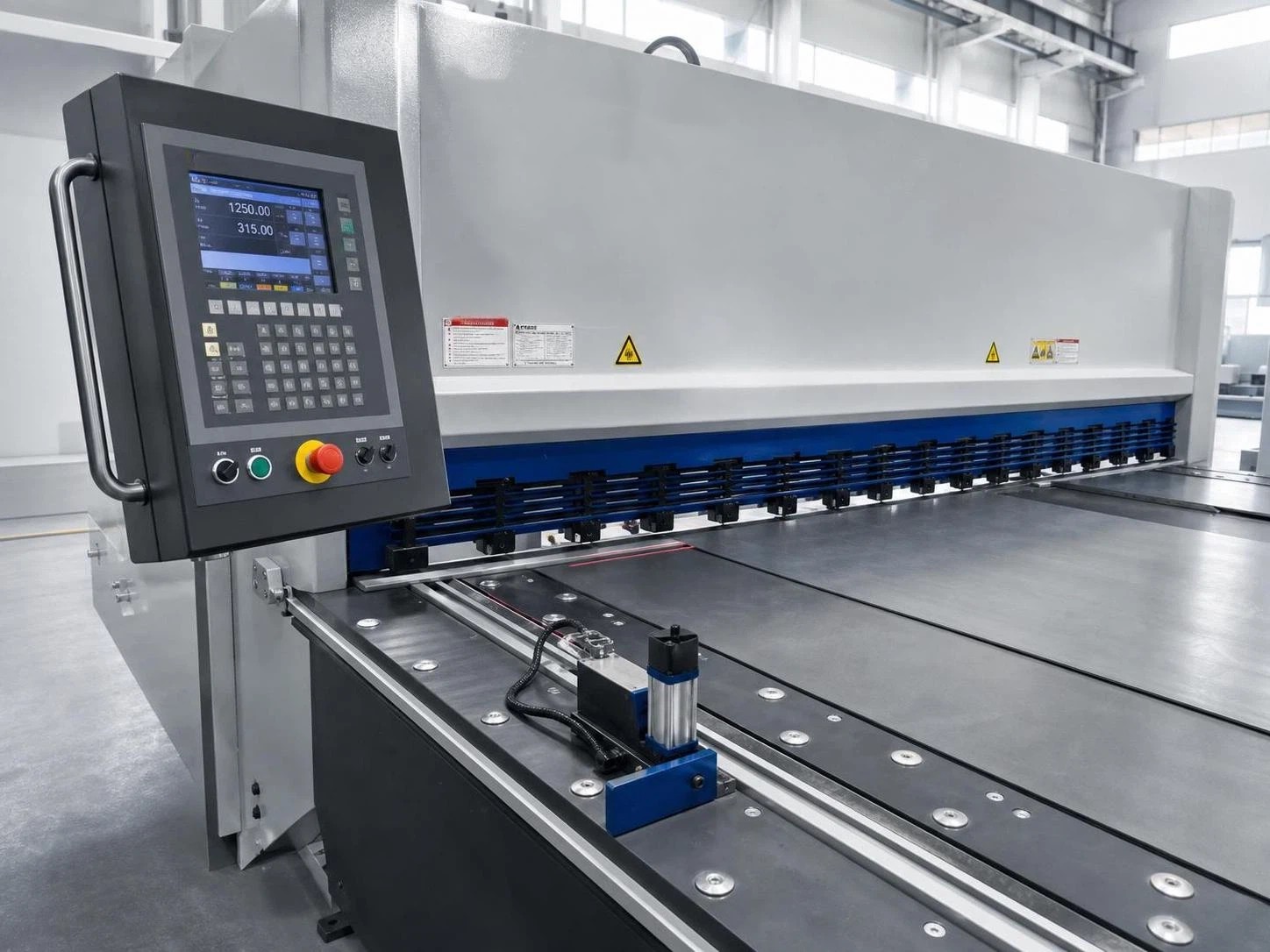
Choosing a cnc hydraulic shearing machine is rarely a simple price comparison. Stroke length, backgauge accuracy, and control system capability directly shape cut quality, cycle time, scrap rate, and the stability of downstream fabrication. In sheet metal and plate processing, those differences quickly become visible in project cost control.
That is why a practical selection guide matters. A machine may look suitable on paper, yet still underperform when material thickness changes, order batches vary, or operators need faster setup. The better decision usually comes from matching machine behavior to real production conditions rather than chasing the highest specification.
Why This Equipment Decision Matters
A cnc hydraulic shearing machine sits near the front of many fabrication workflows. If the cut edge is unstable, later bending, welding, beveling, and assembly stages inherit that inconsistency.
In current manufacturing projects, delivery windows are tighter and material costs remain sensitive. That makes repeatability more valuable than nominal capacity alone. A machine that cuts accurately every shift often creates more value than one with oversized tonnage and weak process control.
For export-oriented production, equipment decisions also connect with compliance and reliability. Suppliers with broad mechanical equipment experience and stable quality systems can reduce evaluation risk, especially when projects involve multiple metalworking processes and long operating cycles.
Start With the Real Meaning of Stroke
Stroke is not just a line in a catalog. In a cnc hydraulic shearing machine, it determines how far the upper blade travels during each cutting cycle.
A longer stroke can support thicker material and broader cutting tasks. However, extra travel usually increases cycle time when the job mostly involves thinner sheets. That means unnecessary motion can quietly reduce daily output.
A shorter optimized stroke often improves productivity. It reduces idle blade movement and helps the machine return faster between cuts. This becomes especially useful in repetitive batch work with fixed sheet ranges.
Questions that sharpen stroke selection
- What is the actual thickness range processed every week, not just the maximum occasional order?
- Are most jobs long straight cuts, short sections, or mixed nesting patterns?
- Will the machine mainly handle mild steel, stainless steel, or aluminum?
- Does the production plan require high cycle speed or heavier reserve capacity?
A practical approach is to size stroke for the dominant workload, while keeping enough margin for occasional heavier material. Oversizing every parameter often looks safe but weakens cost efficiency.
Backgauge Precision Has More Impact Than Many Expect
When buyers discuss a cnc hydraulic shearing machine, backgauge design sometimes receives less attention than blade force. In daily production, that is a mistake.
The backgauge controls sheet positioning before each cut. Its repeatability affects part length consistency, angle stability, and whether operators can trust the first-piece setup.
If the backgauge is rigid, smooth, and accurately driven, setup becomes faster and rework declines. If it drifts or vibrates, even a strong hydraulic frame cannot fully protect cut quality.
What to examine in the backgauge system
Usually, the right question is not whether the backgauge is CNC-controlled. The better question is whether it remains precise under the material sizes and handling rhythm of the actual workshop.
Control System Quality Changes Daily Operations
The control system is where a cnc hydraulic shearing machine becomes either easy to manage or unnecessarily dependent on operator habit. Good controls reduce setup time, standardize repeated jobs, and simplify shifts between different materials.
A modern interface should do more than store programs. It should support quick parameter entry, clear stroke adjustment, backgauge control, job recall, diagnostics, and alarm visibility. These functions matter when batches are short and product variants change often.
In mixed fabrication environments, control simplicity also affects training cost. A machine that is technically advanced but cumbersome to use can slow production more than a modest model with stable, clear controls.
Useful control features to prioritize
- Programmable stroke adjustment for different thicknesses
- Memory for frequent jobs and material recipes
- Real-time fault prompts and maintenance reminders
- Clear human-machine interface with intuitive parameter navigation
- Compatibility with broader shop process planning
How Application Context Changes the Right Choice
No cnc hydraulic shearing machine should be selected in isolation. The right specification depends on what happens before and after the cutting stage.
For example, when cut parts move into bevel preparation, welding, or assembly, edge consistency becomes more important. In container manufacturing, shipbuilding, and special vehicle production, dimensional deviation creates downstream fitting delays that cost more than the original cut.
This is also why many buyers evaluate adjacent equipment together. In some lines, edge preparation follows shearing closely, and a solution such as CNC Square & Pipe Beveling Machine may be relevant for square, rectangular, and round tube work.
That type of equipment can process carbon steel, stainless steel, and aluminum plates, with adjustable speeds from 0 to 1500 mm/min and one-pass bevel formation. For operations balancing cut quality with later weld preparation, that workflow connection is worth reviewing early.
Supplier Capability Is Part of the Machine Decision
Machine selection is also a supplier assessment. Consistent manufacturing standards, export experience, and technical coordination all influence the final result after installation.
Wuxi Samgins International Trade Co., Ltd., based in Wuxi near Shanghai, has focused on mechanical equipment since 2012. Its product range covers shearing machines, bending machines, CNC cutting systems, milling machines, lathes, welding robots, laser cutting machines, and H-beam line equipment.
That wider portfolio matters because fabrication projects often involve linked decisions rather than single-machine purchases. Experience across multiple processing steps can help align machine capacity, layout planning, and future expansion.
Quality management also deserves attention. Production organized under ISO9001 systems and EU CE standards provides a stronger basis for documentation, process discipline, and international project acceptance.
A Practical Evaluation Framework
Before final selection, it helps to compare each cnc hydraulic shearing machine against a short list of operational questions instead of relying on brochure highlights.
- Does the stroke match the real material mix and expected cycle time?
- Is the backgauge accurate enough for repeat production without frequent manual correction?
- Can the control system shorten setup when orders change several times per day?
- Will spare parts, service response, and training support long-term uptime?
- Does the machine fit the full process, including bending, beveling, and welding stages?
This method keeps attention on production logic. It also makes supplier discussions more concrete, because each specification can be tested against a measurable workshop need.
Where to Focus Next
A cnc hydraulic shearing machine creates value when its stroke, backgauge, and control system are balanced around the workload, not when each parameter is simply pushed to the maximum. The strongest selection usually comes from process mapping, sample-part review, and a clear understanding of downstream quality requirements.
The next step is to organize actual plate thicknesses, sheet sizes, tolerance expectations, and daily batch patterns into a short comparison sheet. With that in hand, different machine options become easier to judge on performance, operating rhythm, and total project fit.
search
Products Navigation
Send Us A Message