




CNC Hydraulic Shearing Machine Explained: Working Principles, Types, and Key Buying Factors
What Is A Cnc Hydraulic Shearing Machine?
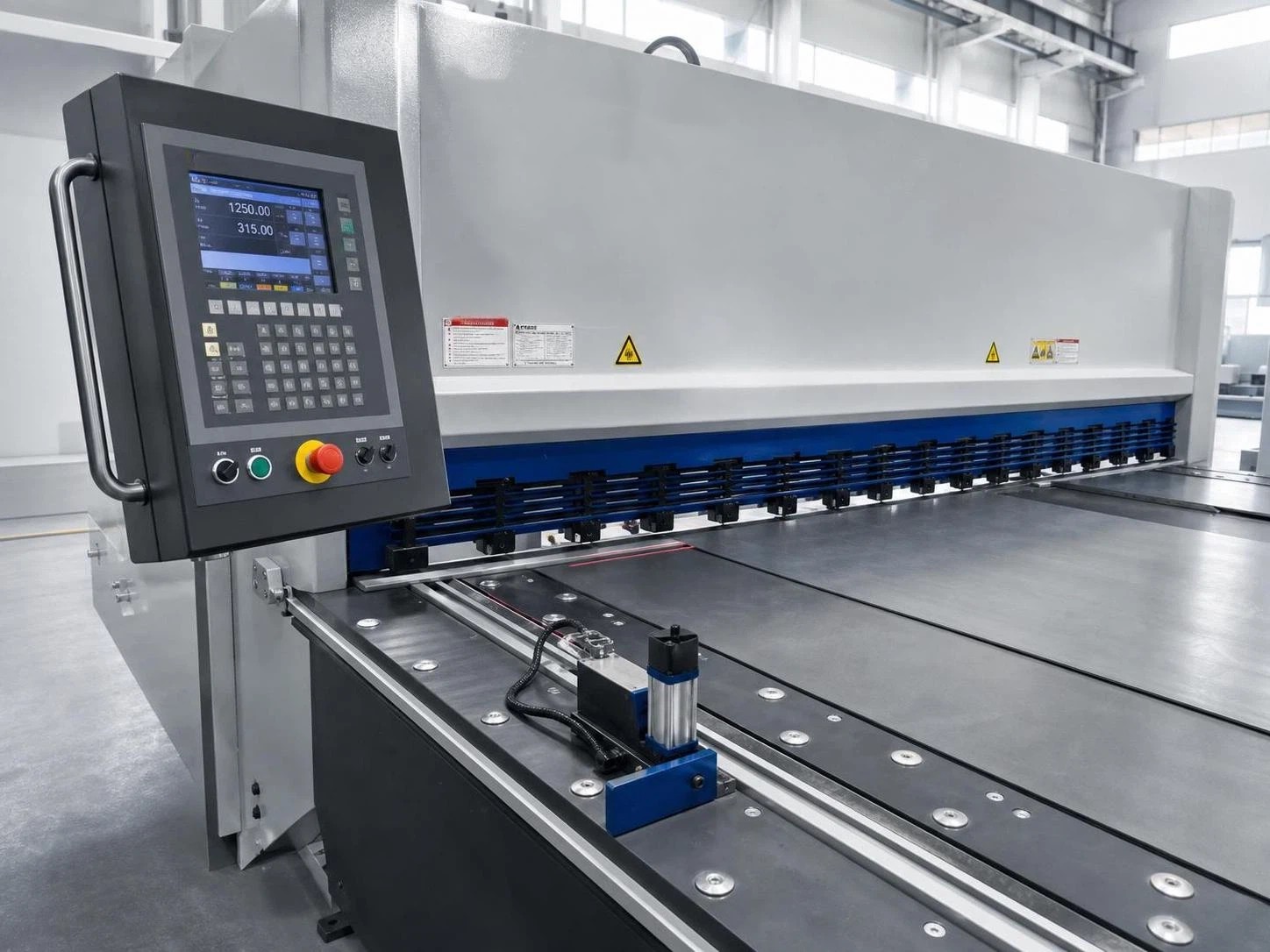
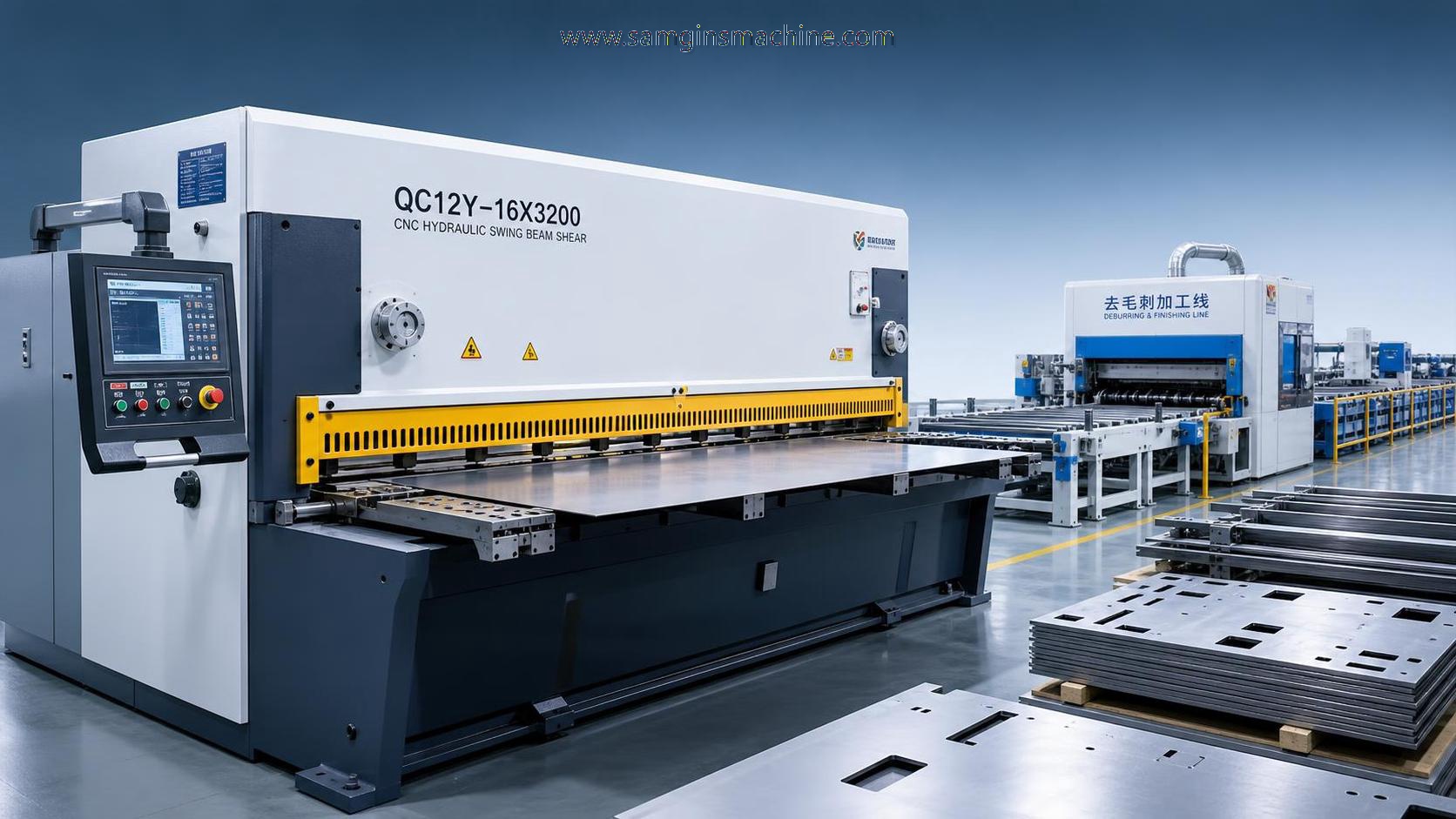
A cnc hydraulic shearing machine is an industrial sheet metal cutting machine that uses hydraulic force to drive the upper blade and a CNC control system to manage stroke, backgauge position, cutting angle, and production parameters. It is commonly used to process carbon steel, stainless steel, aluminum, and other metal sheets into straight-edged blanks for fabrication.
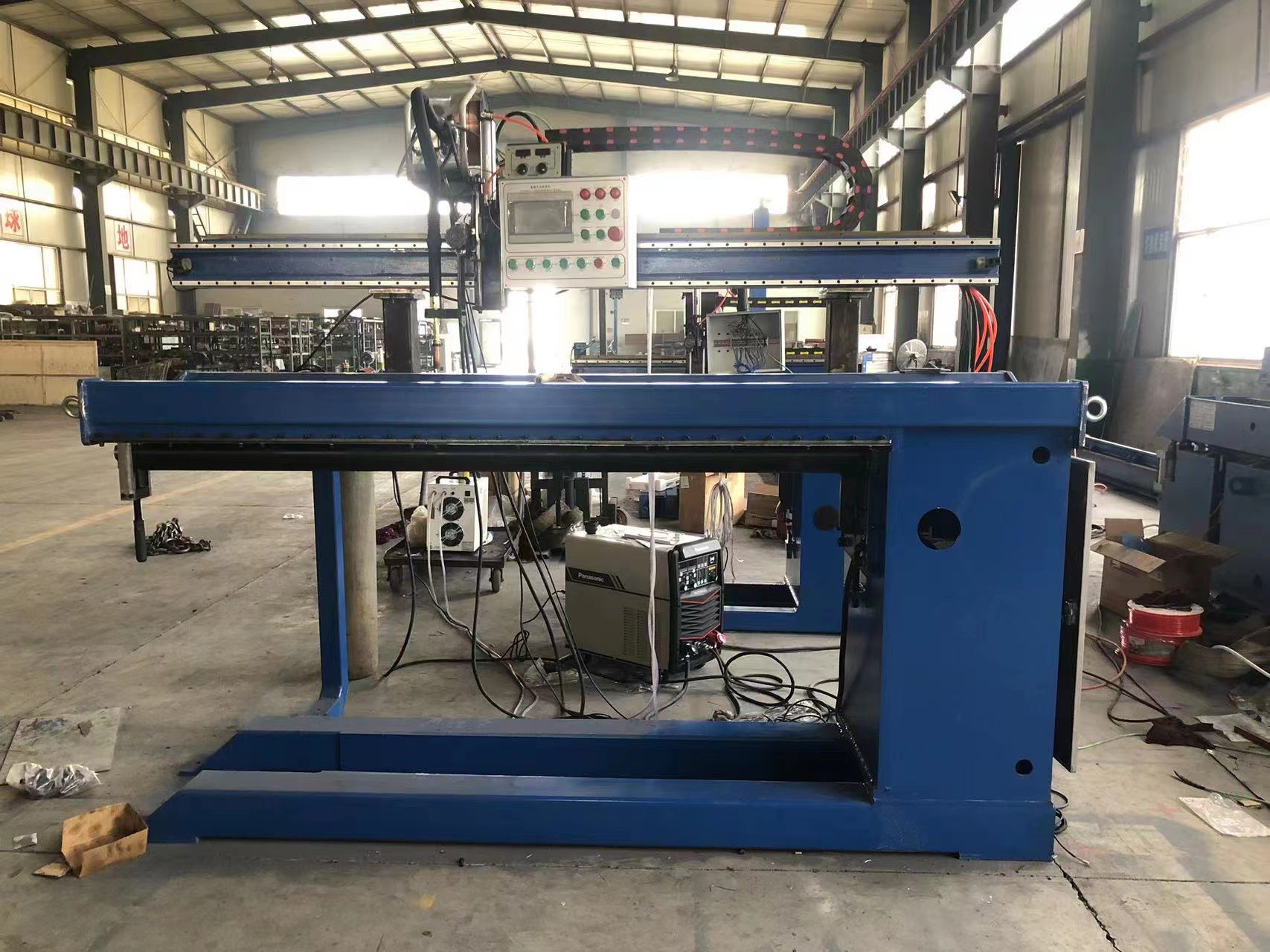
In practical factory terms, this machine sits between raw sheet stock and downstream forming or welding processes. Fabricators rely on it when they need repeatable strip cutting, panel sizing, and blank preparation before bending, rolling, drilling, or welding. In many workshops, it works together with a press brake, plate rolling machine, or longitudinal seam welding machine as part of a broader production flow.
The term covers several machine architectures, but the common idea is controlled hydraulic shearing with programmable settings. Compared with simpler mechanical shears, a cnc hydraulic shearing machine gives operators better consistency, faster setup changes, and stronger control over part dimensions, especially when production involves multiple sizes or frequent batch shifts.
From an industrial standards perspective, buyers usually focus on safe hydraulic design, electrical conformity, blade quality, guarding, controller stability, and machine accuracy suitable for the target material thickness. For export-oriented buyers, compliance with common quality and safety requirements matters as much as cutting force or nominal capacity.
How The Working Principle Supports Precision Cutting
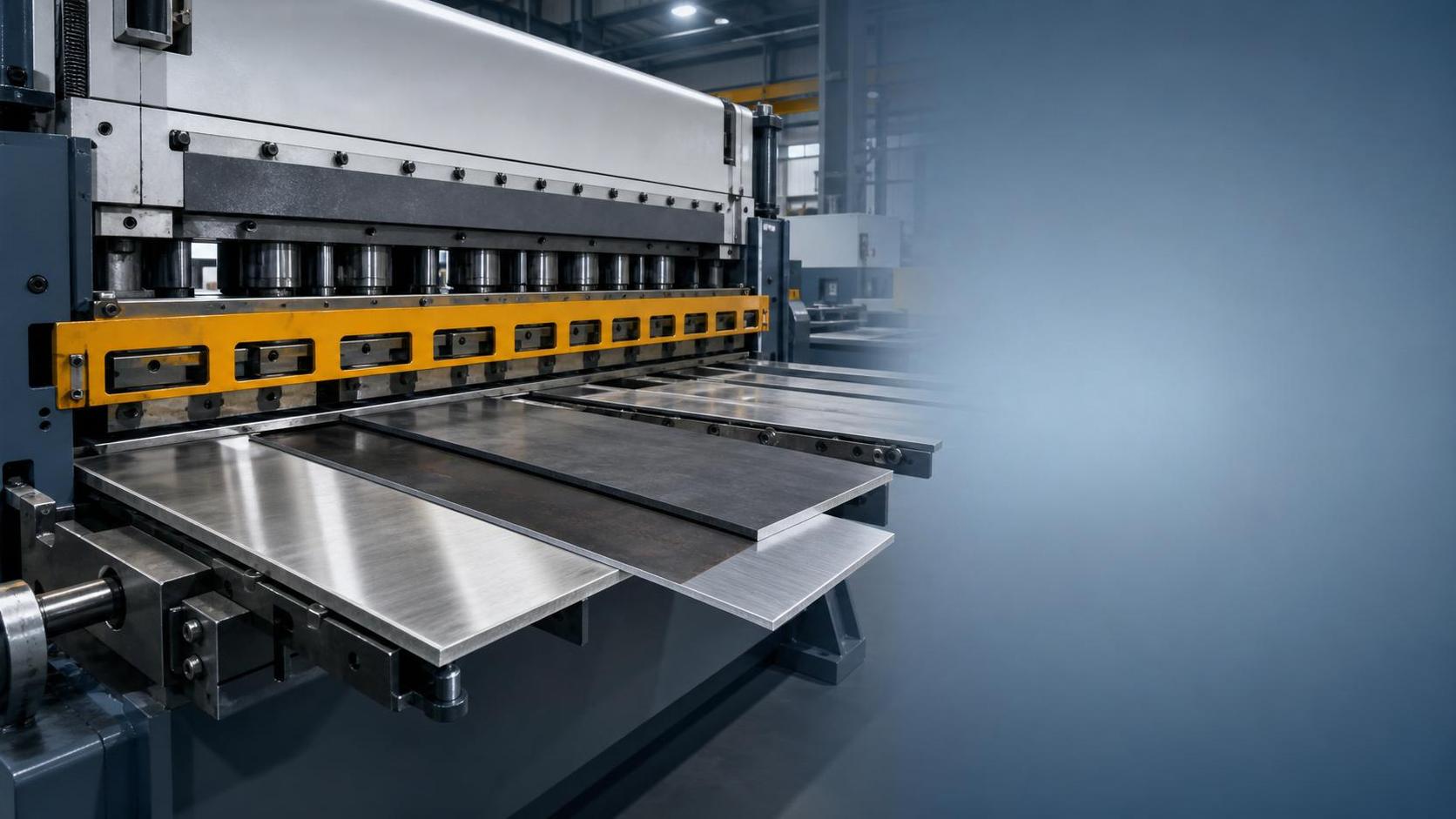
The basic working principle is straightforward: the sheet is positioned against the backgauge, clamped to reduce movement, and cut as the upper blade travels downward past the lower blade. Hydraulic cylinders generate the shearing force, while the control system manages the movement sequence and cutting parameters. The resulting cut depends on blade clearance, hold-down force, rake angle, stroke setting, and material condition.
A cnc hydraulic shearing machine improves this process by replacing trial-and-error adjustments with stored programs and controllable axes. The operator can set backgauge distance for target lengths, optimize stroke for cycle efficiency, and adjust settings for different materials. This reduces setup time and helps maintain dimensional repeatability across production lots.
Cut quality is closely tied to the relationship between material thickness and blade clearance. If the clearance is too small, blade wear may increase and the cut edge can distort. If it is too large, burrs and edge deformation become more likely. Good hydraulic and CNC coordination allows the machine to hold stable operating conditions, which is important for both edge quality and blade life.
For buyers comparing machines, the working principle matters because performance is not only about tonnage. Frame rigidity, hydraulic responsiveness, controller usability, and backgauge accuracy all influence real-world productivity. This is why serious manufacturers emphasize imported hydraulic, servo, and CNC components when precision, stability, and long service life are priorities.
Main Types And Where Each One Fits
The two mainstream categories are swing beam hydraulic shears and guillotine hydraulic shears. A swing beam design is widely used for general fabrication because it is structurally practical, efficient for many standard sheet cutting jobs, and often competitive in cost. It is a common choice for buyers who process routine thickness ranges and want dependable output without unnecessary complexity.
A guillotine hydraulic shear uses a more vertical blade movement and is often preferred where higher cutting precision, better control of blade clearance, or broader material flexibility is required. For workshops handling varied materials, tighter tolerance expectations, or heavier production schedules, a guillotine-style cnc hydraulic shearing machine can provide stronger process control.
Machines can also be grouped by control level. Entry CNC configurations typically manage backgauge and basic stroke functions, while more advanced systems support richer programming, material libraries, and finer adjustment logic. The right control level depends on whether the plant runs repetitive simple parts or mixed production with frequent parameter changes.
Another practical distinction is application scale. Lighter-duty shears suit sheet metal service centers, appliance parts, and light fabrication. Heavier-duty machines are more relevant for steel structure plants, pressure vessel workshops, ship-related fabrication, pipeline projects, and plate processing lines. Buyers should classify the machine by actual job profile, not by maximum advertised thickness alone.
Who Uses It And Why It Is Essential In Fabrication
Typical users of a cnc hydraulic shearing machine include sheet metal fabricators, steel structure manufacturers, tank and vessel workshops, HVAC component producers, agricultural equipment plants, transport equipment builders, and general job shops. Any factory that needs straight, repeatable cutting before bending, welding, or assembly is a likely user.
The machine becomes essential when raw sheet utilization, part consistency, and labor efficiency start affecting profit. Manual measuring and conventional cutting methods can slow throughput and increase scrap, especially when operators switch among multiple part lengths. CNC-controlled shearing helps stabilize output, lower dependence on operator judgment, and support more predictable scheduling.
It is also valuable in production cells that combine cutting with forming and welding. For example, when sheet blanks move from shearing to a press brake and then into a longitudinal seam welding machine, dimensional stability at the cutting stage reduces downstream fit-up issues. That matters for cylinders, ducts, cabinets, frames, and other fabricated assemblies where edge quality influences later process performance.
For buyers managing broader fabrication lines, suppliers with related equipment can reduce integration risk. Wuxi Samgins operates across welding, cutting, rolling, leveling, bending, and beam-processing equipment, which is useful for customers that prefer one source capable of supporting a more complete metalworking workflow rather than an isolated machine purchase.
Key Buying Factors Buyers Should Evaluate First
The first buying factor is the real material mix: sheet type, thickness range, tensile characteristics, sheet width, and expected edge quality. Buyers often overfocus on the maximum mild steel rating, but an effective machine choice depends on the daily production profile. Stainless steel, thicker plate, narrow strips, and sensitive surface finishes can change the selection logic significantly.
The second factor is control and backgauge capability. A cnc hydraulic shearing machine should match the complexity of the factory’s part mix. If the plant runs repeated fixed lengths, a simpler control may be enough. If it handles short batches, multiple dimensions, or frequent changeovers, better programming functions and stable backgauge performance can save substantial setup time over the life of the machine.
Third, buyers should examine frame construction, blade material, hydraulic components, and electrical configuration. These affect machine rigidity, cutting stability, service life, and maintenance burden. Wuxi Samgins highlights the use of well-known imported brands for key hydraulic, servo, and CNC components, which aligns with what experienced buyers usually look for when long-term precision and reliability matter.
Fourth, review support scope in detail: commissioning, training, spare parts, response time, documentation, and warranty terms. A machine with strong nominal specifications but weak after-sales support can become costly in practice. Buyers should also confirm whether the supplier understands applicable codes or factory standards in the destination market, particularly for export projects with stricter compliance expectations.
Quality Control, Compliance, And Manufacturing Considerations
For a cnc hydraulic shearing machine, manufacturing quality is reflected in frame welding quality, stress management, machining accuracy, hydraulic assembly discipline, blade installation, and electrical consistency. Even a capable design can underperform if these basics are weak. Buyers should therefore ask not only for a data sheet, but also for information about assembly process, inspection checkpoints, and final testing methods.
Compliance should be reviewed as part of commercial risk control. Based on the supplied information, Wuxi Samgins states that its machines comply with the ISO9001 quality system and EU CE Machinery and LVD directives. For many international buyers, these are useful baseline indicators when screening suppliers, although project-specific local requirements should still be confirmed before purchase.
In application scenarios tied to pressure vessels, structural steel, tanks, or pipeline-related fabrication, the upstream cutting machine must support a stable downstream process. Wuxi Samgins also notes experience with ASME, API, and local industry codes, which can be relevant when buyers need equipment aligned with industrial fabrication environments rather than generic workshop use.
Quality assurance also extends to service continuity. Long-term warranty support, technical guidance, and spare parts planning can matter more than small differences in initial price. For capital equipment that may remain in operation for years, buyers should treat documentation quality and support responsiveness as part of the machine specification, not as optional extras.
Applications, Global Use Cases, And Timing For Replacement
A cnc hydraulic shearing machine is used in production planning whenever straight cutting becomes a bottleneck or a quality risk. Common situations include launching a new fabricated product line, replacing inconsistent manual cutting, adding capacity before a press brake cell, or improving blank accuracy for welded assemblies. The timing is usually driven by throughput pressure, scrap cost, labor constraints, or downstream quality issues.
The customer list provided for Wuxi Samgins, including companies in different international markets such as URALSTANKOIMPORT, MD Calbah Industries Pty Ltd, Zein Steel Industries Co. LLC, PT.Cahaya mas Cemerlang, and Lincoln Electric-MENA, indicates experience serving varied industrial users. Without overstating project details, this kind of export footprint suggests familiarity with cross-border supply expectations and different fabrication environments.
Replacement or upgrade decisions often appear when maintenance downtime increases, cut edges become inconsistent, or production complexity outgrows an older control system. Another signal is when operators spend too much time on measurement and repositioning rather than cutting. In such cases, moving to a CNC-controlled hydraulic shear can improve both part flow and labor efficiency.
For plants expanding into more integrated production, replacement timing should be coordinated with adjacent equipment. A new shear may deliver more value when installed alongside a new press brake, plate rolling machine, or seam welding line, because the full process chain benefits from more stable blank dimensions and better production rhythm.
Total Cost Of Ownership, Maintenance, And Future Trends
The purchase price is only one part of the total cost of ownership. Buyers should account for tooling and blades, freight, installation, operator training, energy use, hydraulic oil management, spare parts, maintenance labor, downtime exposure, and scrap reduction potential. A cheaper machine can become more expensive if it consumes more setup time, wears faster, or lacks dependable support.
Routine maintenance usually includes hydraulic system inspection, lubrication, fastener checks, blade condition review, backgauge verification, electrical inspection, and cleaning of moving areas. Maintenance intervals depend on workload and operating environment, but the commercial question is simple: how easily can the machine stay in specification over time? Stable components and clear service support help protect ROI.
From an ROI perspective, the strongest gains typically come from reduced scrap, faster changeovers, improved dimensional consistency, and lower dependence on highly experienced operators for every setup. Buyers should estimate payback using their own production volumes, not only theoretical cycle speed. The best-fit cnc hydraulic shearing machine is the one that improves the whole fabrication process, not just the cut itself.
Future trends point toward smarter controls, easier parameter storage, tighter integration with digital production management, and stronger demand for reliable machines that can work within broader automated fabrication lines. Suppliers with broad product coverage, customization capability, and experience in welding and cutting systems, such as Wuxi Samgins, are well positioned for buyers seeking coordinated equipment planning across multiple metal processing stages.
search

Send Us A Message
Send us a Message
A dedicated person will follow up on your needs one-on-one and provide personalized customized solutions according
to your needs.
Get In Touch
We look forward to hearing from you for in-depth communication on how to fulfill your mixing requirements.