




Fiber Laser Cutting Machine vs CO2: Which Fits Modern Metal Shops
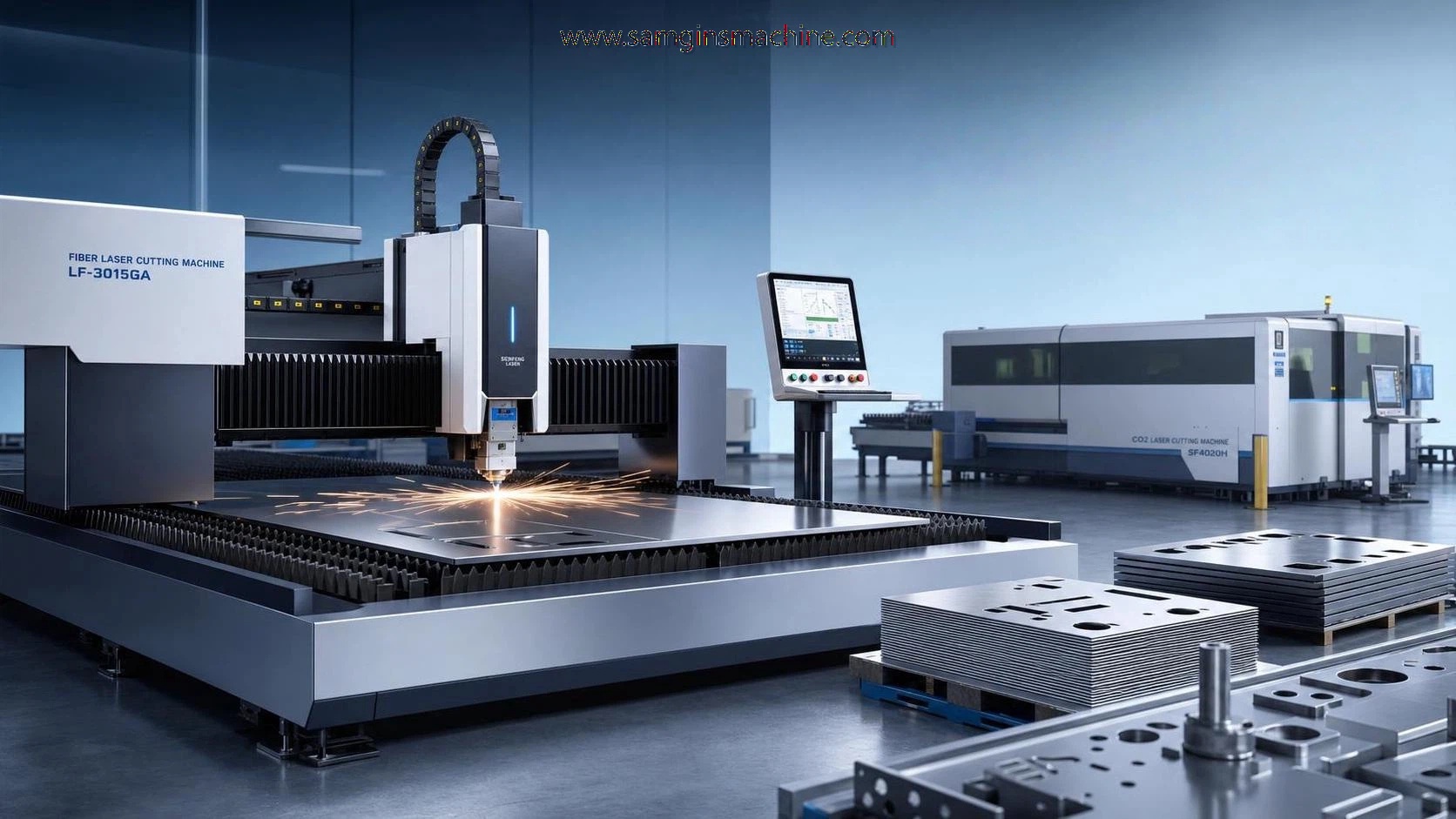
Fiber Laser Cutting Machine vs CO2: Which Fits Modern Metal Shops
For modern metal shops, the machine choice shapes output, cost, and market position.
A Fiber laser cutting machine and a CO2 system can both cut metal.
But they do not deliver the same speed, energy profile, or operating economics.
That gap matters more today because delivery windows are shorter and margins are tighter.
In practical terms, the right investment depends on your material mix, thickness range, labor setup, and growth plan.
This guide compares both options in a direct, business-focused way.
The goal is simple: help you judge which system fits modern production, not yesterday’s workflow.
Why This Comparison Matters More Now
Metal fabrication has changed fast in the last few years.
Customers expect shorter lead times, cleaner edges, and more stable part quality.
At the same time, electricity, labor, and maintenance costs are rising.
That is why the Fiber laser cutting machine has gained so much attention.
It is not only about faster cutting.
It is also about lower downtime, easier automation, and better cost control.
CO2 machines still have value in certain niches, but the market center has clearly moved.
How Fiber and CO2 Technology Differ
A Fiber laser cutting machine uses a solid-state laser source and fiber delivery system.
That design converts electricity into laser energy more efficiently.
A CO2 machine uses gas excitation and beam delivery with mirrors.
This creates a longer optical path and more components to align and maintain.
From an engineering view, fiber systems are more compact and usually easier to integrate.
That difference shows up in daily production far more than many buyers first expect.
Core technical distinctions
- Fiber systems usually offer higher electrical efficiency.
- CO2 systems involve mirrors, gases, and more optical maintenance.
- Fiber laser cutting machine setups are often better for reflective metals.
- CO2 can still perform well on some non-metal materials.
- For metal-focused shops, fiber usually aligns better with current demand.
Speed and Throughput in Real Production
Speed is often the first reason buyers compare these two technologies.
In thin to medium metal sheets, a Fiber laser cutting machine usually wins clearly.
The cutting speed advantage becomes obvious in stainless steel, carbon steel, and aluminum.
Faster piercing and sharper acceleration also reduce cycle time between contours.
That means more parts per shift, not just a better line in a brochure.
CO2 may remain acceptable for slower, stable runs with known material patterns.
But where order mix changes daily, fiber is usually more competitive.
What throughput really depends on
- Material type and reflectivity.
- Average thickness, not maximum thickness alone.
- Nesting efficiency and software quality.
- Loading, unloading, and automation level.
- Operator experience and process standardization.
Precision, Edge Quality, and Downstream Impact
Cutting quality is not just a visual issue.
It affects fit-up time, welding quality, finishing effort, and scrap rates.
A Fiber laser cutting machine often provides narrow kerf width and stable precision.
That is especially useful for parts with fine contours or dense nesting layouts.
The cleaner the cut, the less rework your next process needs.
This matters even more when shops combine cutting with forming and welding.
For example, heavy fabrication lines may cut parts first, then roll thick plates.
In those cases, equipment such as Mechanized bending machine with 3 roller supports accurate downstream forming.
That kind of workflow link is where machine selection starts affecting the whole shop, not one station.
Operating Cost: Where the Difference Gets Serious
Purchase price matters, but ownership cost matters more.
A Fiber laser cutting machine usually uses less power than a comparable CO2 system.
It also tends to require fewer consumables and less optical maintenance.
CO2 ownership often includes higher energy draw, mirror care, gas management, and alignment work.
Those costs may look manageable monthly, then become significant over three to five years.
For many metal shops, this is the point where the business case clearly shifts toward fiber.
Typical cost areas to compare
- Electricity consumption per shift.
- Consumables and assist gas use.
- Scheduled maintenance hours.
- Unexpected downtime risk.
- Operator training and process stability.
Material Range and Thickness Considerations
No machine should be chosen by speed alone.
You need to compare your actual material profile.
If most orders involve sheet metal and common industrial metals, fiber is usually the stronger option.
It performs very well on stainless steel, mild steel, brass, copper, and aluminum.
CO2 technology may still be considered when mixed material work includes non-metal cutting.
However, many modern shops are becoming more specialized in metal processing.
That trend makes the Fiber laser cutting machine a better strategic fit for many buyers.
Automation, Labor, and Production Flexibility
Labor is now a major selection factor.
A Fiber laser cutting machine usually integrates well with automatic loading, storage, and sorting systems.
That supports lights-out production and more predictable output.
It also reduces dependence on a few highly experienced operators.
CO2 systems can be automated too, but they are often less attractive for new line planning.
This matters when a business wants to scale without adding complexity everywhere.
A modern shop needs machines that fit digital scheduling, not just mechanical cutting ability.
When CO2 Still Makes Sense
CO2 is not obsolete in every case.
It may still fit operations with existing CO2 expertise, stable product types, and already-depreciated equipment.
It can also make sense where non-metal cutting remains important.
But those cases are more specific than they used to be.
If your business is mainly metal processing, the burden of proof now usually falls on CO2, not fiber.
A Practical Decision Framework
A good purchase decision starts with your order book, not with a catalog.
Use a short checklist before comparing brands and power levels.
- List your top materials by volume and margin.
- Measure average thickness and batch size.
- Calculate downtime cost, not just machine price.
- Check future automation needs for the next three years.
- Review downstream processes such as welding, rolling, and assembly.
- Ask suppliers for sample cuts from your real parts.
This approach helps avoid buying either too much machine or the wrong machine.
It also keeps the decision tied to return, not to marketing claims.
Final Verdict for Modern Metal Shops
For most current metal fabrication environments, the Fiber laser cutting machine is the stronger choice.
It usually delivers better speed, lower operating cost, easier automation, and stronger long-term competitiveness.
CO2 still has a place, but that place is narrower than before.
If your workflow centers on metal parts, fiber is often the more future-ready investment.
Wuxi Samgins International Trade Co., Ltd supports manufacturers with laser cutting equipment and broader fabrication solutions.
That includes complementary systems for forming, welding, and heavy plate processing.
For shops handling thicker plate work, Mechanized bending machine with 3 roller can support accurate rolling of cylindrical, conical, arc-shaped, and partial section parts.
The best next step is to compare both technologies against your actual jobs, target costs, and expansion plan.
search
Products Navigation
Send Us A Message