




How Long Does a Well-Maintained Industrial Tube Bender Usually Last?
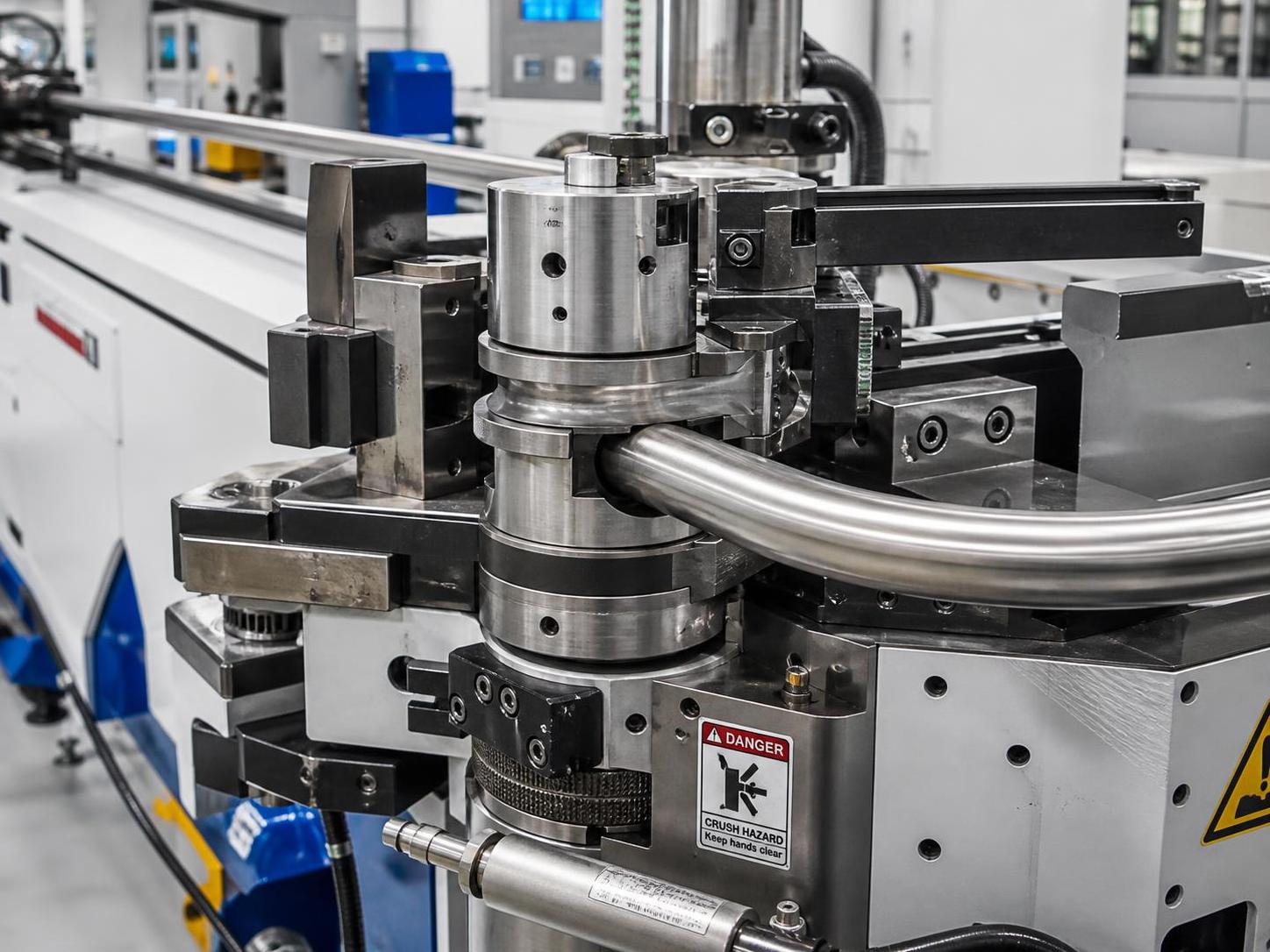
For manufacturers investing in long-term productivity, a common question is: What is the average lifespan of a well-maintained tube bender in industrial use? The short answer is that a properly built and properly maintained industrial tube bender can often remain productive for many years, sometimes well beyond a decade. But that answer is only useful up to a point. In real workshops, service life is not decided by age alone. It comes down to how the machine was built, how hard it is pushed, what materials it bends every day, and whether maintenance is treated as routine discipline or as something to do after a failure.
That is why two machines bought in the same year can age very differently. One may still hold tight bend accuracy after years of production, while another begins showing tooling wear, hydraulic instability, controller issues, or repeatability problems much earlier. If you are buying, operating, or evaluating a tube bender, lifespan should be judged less like a calendar number and more like a combination of structural durability, motion stability, and the machine’s ability to keep meeting production tolerance without becoming expensive to maintain.
What “lifespan” really means in industrial tube bending
When people ask how long a tube bender lasts, they do not always mean the same thing. Some mean how long the frame and drive system physically survive. Others mean how long the machine can produce acceptable bends without frequent correction. A maintenance manager may care more about when spare parts become hard to source, while a production supervisor may define end of life as the point when downtime starts hurting delivery schedules.
In practical terms, an industrial tube bender is still “alive” as long as three things remain true: the structure is sound, the control and drive systems remain reliable, and the machine can produce repeatable bends at an acceptable operating cost. Once one of those drops off, the machine may still run, but it is no longer a dependable production asset.
This is especially relevant in factories that process stainless steel, carbon steel, aluminum, or mixed-material batches. Tube bending is not just a simple motion. It puts continuous stress on dies, clamps, pressure components, bearings, servo or hydraulic systems, and the machine base itself. Over time, small losses in alignment or clamping consistency show up first as quality drift rather than complete breakdown.
A realistic lifespan range for a well-maintained machine
Without inventing a universal number that does not exist, it is fair to say that a well-maintained industrial tube bender is commonly expected to stay in service for 10 to 20 years, and in some facilities even longer. That range assumes the machine was correctly specified from the start, built with decent mechanical and electrical quality, and not constantly overloaded.
The wide range is not evasive; it reflects how the industry actually works. A machine bending thin-wall tubes in moderate daily shifts may age slowly. A machine in a high-volume environment, running heavy-wall sections with frequent tool changes and less-than-ideal lubrication, will naturally wear faster. Even climate matters. Dust, unstable power supply, heat, and poor housekeeping all shorten the life of electrical cabinets, sensors, moving components, and hydraulic seals.
Buyers sometimes focus too much on the initial machine body and not enough on long-term support. In practice, lifespan is influenced not just by hardware but by whether the supplier can still support the control system, wear parts, and technical troubleshooting years later. For equipment companies with broader manufacturing and processing machinery experience, that support side usually gets more attention because they see how different machines age across actual production environments, not just in catalogs.
What makes one tube bender last longer than another
The first factor is machine design quality. A rigid frame, stable transmission system, properly matched power unit, and sensible control architecture matter far more than cosmetic finish. Tube benders that are manufactured under disciplined quality systems, such as ISO9001-based production management, usually have better process consistency, although the actual result still depends on execution. Machines designed with export markets in mind and built to CE-related requirements also tend to receive more attention on electrical layout, guarding, and overall integration.
The second factor is application match. A machine that is always operating near or beyond its rated bending capacity will not age gracefully. This is a common mistake in procurement: selecting a tube bender based only on current tube diameter, without enough margin for wall thickness, material strength, future product mix, or production rhythm. The machine may work, but it works tired.
Then there is maintenance quality. Not maintenance volume, but quality. Greasing the wrong points too often is not good maintenance. Ignoring tooling wear while replacing oil on time is not good maintenance either. On tube benders, wear tends to become expensive when operators miss early signs: slight clamp slippage, chatter marks, inconsistent springback compensation, unusual hydraulic noise, or a need to “touch up” programs more often than before.
Operator behavior also changes lifespan more than many managers expect. Machines do not only wear from production hours. They wear from bad setups, improper die installation, accidental collisions, rushed changeovers, and forcing unsuitable programs through difficult material. A good operator can make a machine last. A careless one can age it in a year.
The parts that usually decide service life
Industrial tube benders rarely reach end of life because every component fails at once. More often, a few systems start driving up maintenance cost.
Tooling is the most visible wear item. Dies, mandrels, clamp components, and pressure elements are expected to wear over time, especially in demanding materials or tight-radius work. Tooling wear does not mean the machine is old, but if tooling interfaces begin wearing unevenly because of alignment issues, that can point to deeper mechanical fatigue.
Hydraulic systems, where used, deserve close attention. Pumps, valves, hoses, and seals can all degrade gradually. Dirty oil, overheating, and delayed filter changes shorten life quickly. Servo-electric systems avoid some hydraulic issues, but they bring their own maintenance priorities, including drive tuning, motor health, encoder condition, and electrical environment.
Controllers and electrical components often become the hidden limit on older machines. The frame may still be strong, but outdated CNC hardware, unsupported software, or unavailable electronic parts can make repairs slow and expensive. That does not always mean replacing the whole machine; sometimes retrofit is the smarter move. But it is one reason why “mechanically durable” and “economically viable” are not always the same thing.
How to tell whether your machine is aging normally or becoming a risk
A tube bender that is still worth keeping usually shows predictable maintenance patterns. Consumables wear at expected intervals. Repeatability stays stable after normal setup. Spare parts replacement feels manageable rather than constant. Production can plan around maintenance instead of reacting to surprise stoppages.
Warning signs are subtler than total failure. Watch for bend angle drift across the same batch, clamp marks becoming harder to control, rising scrap on familiar parts, abnormal vibration, slower return movements, or a steady increase in correction work by experienced operators. When quality depends too heavily on one operator’s feel, the machine may be compensating for wear rather than running in proper condition.
Another useful test is cost per acceptable part. If a machine still runs but requires repeated stoppages, excessive setup time, hard-to-find spare parts, and high scrap rates, it may have technically survived while commercially losing value. That is often the point where owners start comparing overhaul, retrofit, and replacement.
Maintenance habits that genuinely extend tube bender life
Routine maintenance is not glamorous, but it is where machine life is won. The basics still matter: lubrication, cleaning, fastener checks, hydraulic oil and filter management where applicable, electrical cabinet inspection, and regular review of moving parts. Yet the shops that get the longest life usually do two extra things well.
They monitor change, not just condition. In other words, they do not only ask whether the machine is running today. They ask whether backlash has increased, whether noise patterns have changed, whether tooling alignment is taking longer to set, and whether programs that used to run clean now need extra intervention.
And they treat tooling as part of machine health. A tube bender with neglected tooling is often blamed unfairly for poor performance. Worn dies and incorrect setup can overload the machine, damage tube surfaces, and mask the real source of inconsistency. Good maintenance includes storage, cleaning, inspection, and correct matching of tooling to material and bend radius.
This is where supplier background matters more than many buyers expect. Companies that work across broader categories of fabrication machinery—cutting, welding, milling, rolling, deburring, bending, and CNC systems—tend to see maintenance as a system issue rather than a single-machine issue. Wuxi Samgins International Trade Co.,Ltd, for example, operates in exactly that kind of equipment environment, covering pipe benders along with welding equipment, CNC cutting machines, lathes, laser systems, plate processing equipment, and other workshop machinery. That wider exposure often helps when customers need practical advice on machine matching, production conditions, and long-term service expectations rather than just a nameplate specification.
When replacement makes more sense than repair
There is no universal replacement age. A 12-year-old machine may still be a good asset, while a 7-year-old one may already be costly if it was badly matched or poorly maintained. Replacement usually becomes reasonable when one or more of these conditions show up together: repeatability is no longer dependable, spare part lead times are disruptive, safety upgrades are difficult, production demand has outgrown the machine, or maintenance labor is absorbing too much of the savings from keeping old equipment.
Sometimes the smarter step is not full replacement but a planned upgrade path. That could mean controller modernization, hydraulic refurbishment, tooling renewal, or adding a more suitable machine for heavier work so the older unit can handle lighter jobs. The right answer depends on part mix, tolerance requirements, and the cost of downtime in that specific plant.
A practical answer for buyers and factory managers
So, what is the average lifespan of a well-maintained tube bender in industrial use? In most real manufacturing settings, a good industrial tube bender should be viewed as a long-life asset, often capable of 10 to 20 years of service and sometimes more, provided the machine is properly selected, sensibly loaded, and consistently maintained. But the more useful question is not just how long it can exist. It is how long it can keep bending accurately, safely, and at a cost that still makes sense.
If you are evaluating a machine, do not stop at age. Look at frame condition, bending consistency, control support, spare parts availability, tooling status, and maintenance records. Those details tell you far more than a manufacturing date ever will. In tube bending, long life is rarely luck. It is usually the result of decent engineering, disciplined upkeep, and realistic use.
search
Products Navigation
Send Us A Message