




Hidden Costs to Check Before Importing a Rolling Machine From China
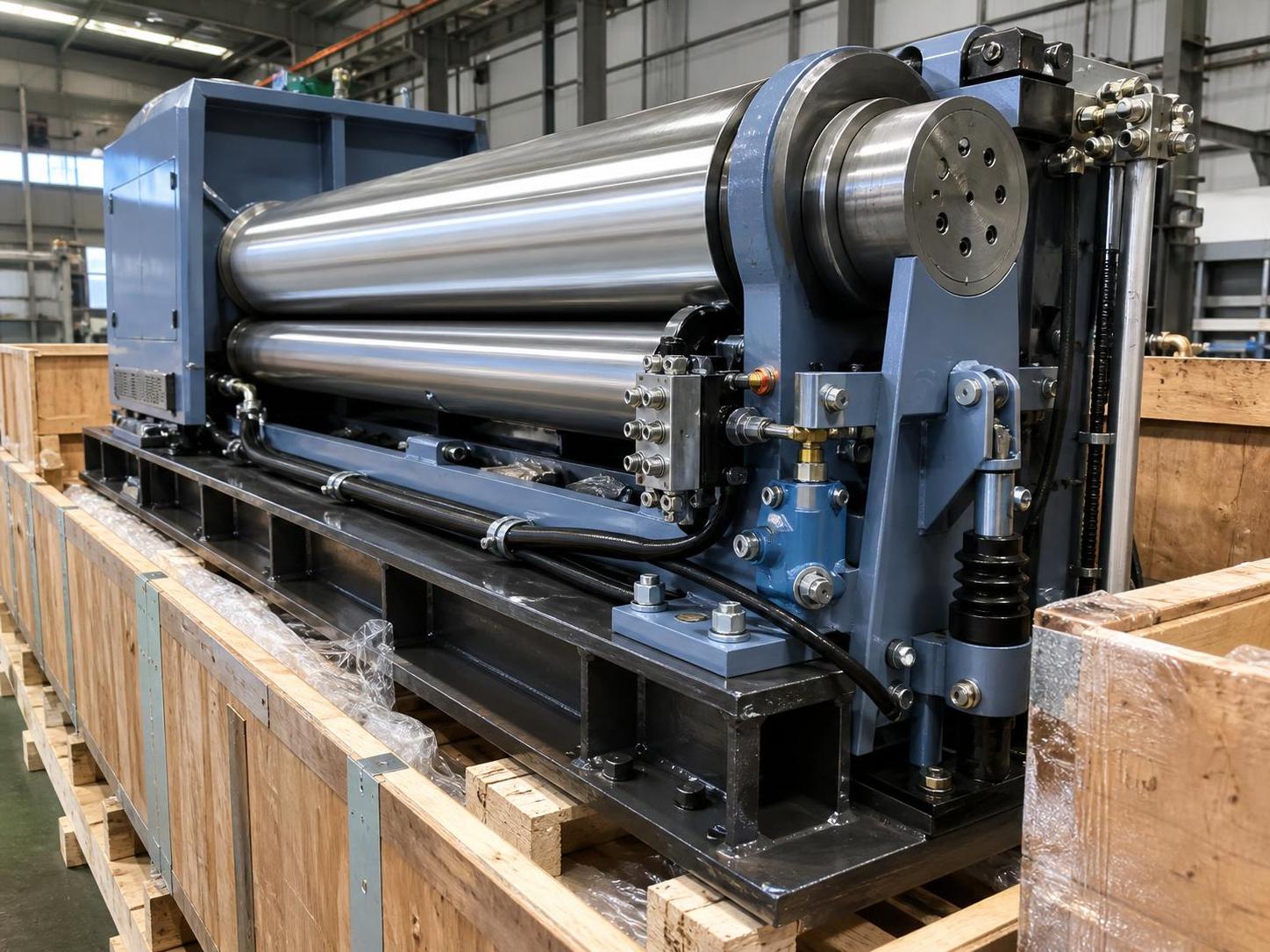
Are there any hidden costs when importing a rolling machine from China? Yes, and they usually have nothing to do with the number on the first quotation. The machine price is only one part of the real budget. In actual purchasing work, the overruns usually come from mold or roller customization, export packing, inland trucking, port charges, import duty, electrical adaptation, commissioning, and service after delivery. If you check these items early, importing a plate rolling machine from China can still be cost-effective. If you ignore them, a “good price” can turn into an expensive project.
A lot of buyers run into the same problem: they compare two suppliers based on FOB or EXW machine price, then discover later that one quote excluded critical items that the other had already built in. That is why the right question is not just “How much is the rolling machine?” but “What is the full landed and usable cost?”
Start with the machine scope, not the machine price
One of the most common mistakes is assuming every rolling machine quote covers the same configuration. It rarely does.
A basic three-roll or four-roll plate rolling machine may be quoted with the core frame, standard rollers, and main motor only. But your actual production may require hardened rollers, special diameters, side supports, overhead supports, conical bending devices, NC or CNC control, branded electrical parts, safety guarding upgrades, or material-specific adjustments for stainless steel, aluminum, or higher-strength plate. Those are not small details. They directly change both price and usability.
If you are rolling thin mild steel in routine sizes, a standard setup may be enough. If you are processing thicker plates, polished stainless material, or variable batch jobs, the “extras” are often not optional at all.
Before comparing suppliers, ask for a written scope that lists:
- Maximum plate width and thickness under real working conditions
- Material type assumed in the quotation
- Minimum rolling diameter
- Control system level: manual, NC, or CNC
- Included accessories and excluded accessories
- Electrical brand, hydraulic brand, and key component origin
This step alone prevents a surprising number of hidden costs.
Are there any hidden costs when importing a rolling machine from China? The short answer
Yes. The hidden costs usually appear in six places: machine configuration gaps, logistics, customs and taxes, compliance requirements, installation and training, and long-term maintenance. Buyers who only focus on factory price often miss the much larger cost of delays, rework, and poor fit for the job.
Packaging and transport are often underestimated
Rolling machines are heavy, long, and not especially forgiving in transport. Freight is not just “book a container and ship it.” The cost depends on machine size, packing method, loading method, and destination port conditions.
Some machines fit standard containers. Some need open-top containers, flat racks, or breakbulk shipment. Once that happens, the freight model changes, and so does the risk profile. Export wooden packing, steel base fixing, anti-rust protection, lifting points, and port handling all matter. If the supplier only quotes the machine ex works, then inland transport from the factory to the port, export documentation, port terminal handling, and loading supervision may all show up later.
Another practical point: cheap packing can become expensive damage. A rolling machine with hydraulic, electrical, and polished roller surfaces needs proper protection. Replacing a damaged roller or repairing a misaligned machine after arrival costs far more than better packing at the start.
Customs, duty, and local clearance fees are not the same thing
Many first-time importers treat “customs cost” as a single line item. In reality, it is several different charges, and some are country-specific.
You may need to account for import duty, VAT or GST, customs broker fees, terminal handling charges at destination, port storage if documents are delayed, inspection fees, and inland delivery from port to your workshop. The exact amount depends on your country, the machine classification used in customs declaration, trade terms, and whether any trade agreement applies.
That means no article should invent a universal number here. These charges must be checked against your local customs rules and broker advice. Still, from a budgeting perspective, the lesson is simple: do not treat the supplier’s sea freight estimate as your final logistics cost.
Also watch document accuracy. If the commercial invoice, packing list, HS code, or CE-related paperwork does not match what customs expects, the real hidden cost becomes delay. And delay in a production project can be more painful than duty itself.
Certification and compliance can be a real budget item
This point matters more than many buyers expect, especially in Europe, Australia, and some industrial sites with strict internal compliance rules.
A supplier may say the machine is built to CE standards, but you still need to confirm what that means in practice. Is the machine supplied with complete documentation, electrical drawings, operation manual, risk-related information, and nameplate details? Does your local market require additional inspection, guarding changes, or electrical modifications before startup? If the answer is yes, that cost belongs in your import budget.
Companies such as Wuxi Samgins International Trade Co.,Ltd, which state that they organize production according to ISO9001 quality systems and EU CE standards, can be easier to evaluate for export projects, especially when you need formal documentation rather than only a machine shipment. Still, buyers should verify document completeness for the exact model they are purchasing instead of assuming every exported machine package is identical.
This is one of those areas where a lower initial quote can become misleading. If one supplier includes proper export documentation and another leaves the buyer to solve local compliance gaps, the cheaper quote may not stay cheaper for long.
Installation is where “usable cost” becomes visible
A rolling machine is not a plug-and-play office device. Even when the machine itself is well built, installation can add cost fast if the site is not prepared.
Check the following before shipment:
- Foundation or floor load requirements
- Available voltage, frequency, and phase
- Hydraulic oil, lubrication oil, and consumables needed at startup
- Crane or forklift capacity for unloading and positioning
- Space for feeding long plates and removing rolled shells
- Operator training and commissioning support
Some buyers assume the machine supplier will handle commissioning automatically. Often, that depends on the contract. In some cases, remote guidance is included but on-site service is charged separately. Travel, visa, accommodation, interpreter support, and local labor can all become part of the final bill.
If your team already has experience with plate rolling machines, remote commissioning may be realistic. If this is your first machine, or if you are buying a CNC model with a more complex control system, on-site support is usually money well spent.
After-sales support is not a side issue
Many people think hidden costs end when the machine enters the workshop. They do not.
The real operating cost depends on spare parts availability, troubleshooting response, roller reconditioning needs, hydraulic seal replacements, electrical component replacement, and the quality of the manual. If a low-cost machine uses obscure electrical parts or undocumented control logic, every breakdown becomes slower and more expensive to solve.
That is why experienced buyers ask a few boring but valuable questions:
- Which wearing parts should be stocked locally?
- Are electrical and hydraulic components from brands available in my market?
- How quickly can the supplier send drawings and troubleshooting support?
- Can my maintenance team service the machine without depending entirely on the factory?
This matters even more when production downtime is expensive. A machine that is 8% cheaper upfront is not really cheaper if one failed part stops your line for three weeks.
Watch the trade terms carefully
EXW, FOB, CIF, and similar terms are often treated as shipping jargon, but they directly shape hidden cost exposure.
With EXW, the buyer usually takes on more responsibility from the supplier’s door. That can work well if you already have a strong freight forwarder and import process. If not, it creates room for surprise costs in local pickup, export clearance, and coordination. FOB is often easier for overseas buyers because the seller handles delivery to the port and export side formalities. CIF may look simple, but destination charges can still vary, so it is not a guarantee of full cost clarity.
There is no single best term for every deal. The right one depends on who controls logistics better. The mistake is agreeing to a term without understanding which costs remain yours.
Cheap can be expensive for technical reasons, not just commercial ones
In plate rolling equipment, pricing differences are not always margin differences. Sometimes they reflect real technical differences: frame rigidity, roller material, hydraulic stability, control consistency, machining accuracy, or safety component level.
If your work is basic and tolerance is loose, a simpler machine may be perfectly reasonable. If you need repeatability, cleaner pre-bending, or stable rolling across different thicknesses, the lower-end option may create hidden cost through scrap, operator adjustment time, and rework.
This is where buyers should be careful with overconfidence. On paper, two machines may show similar thickness and width capacity. In operation, they may behave very differently.
A practical way to budget before placing the order
When buyers ask whether there are any hidden costs when importing a rolling machine from China, the most useful answer is to build the budget in layers.
- Machine price: base machine plus all required options for your actual job.
- Factory-side charges: packing, inland transport, export documents, loading.
- International logistics: sea freight, insurance if used, destination handling.
- Import-side charges: customs duty, taxes, broker fees, inland delivery.
- Startup cost: unloading, positioning, wiring, oils, commissioning, training.
- Operating reserve: initial spare parts, consumables, and service contingency.
This approach is not complicated, but it forces the right conversation with the supplier and your logistics partners. It also makes quote comparison more honest.
For buyers sourcing from established machinery regions such as Wuxi in Jiangsu Province, where many metal fabrication and machine tool suppliers are concentrated, it is often worth shortlisting exporters that already handle overseas documentation, plate rolling equipment, and related fabrication machinery on a regular basis. Experience in export markets does not remove every risk, but it usually reduces preventable mistakes.
What to confirm before you pay the deposit
Ask for the final proforma invoice and technical agreement to show exactly what is included. Then review three things very carefully: the machine specification, the delivery terms, and the service scope after arrival.
If any item feels vague, it is probably a future cost.
That is the practical answer to “Are there any hidden costs when importing a rolling machine from China?” There can be plenty, but most of them are visible before purchase if you know where to look. A disciplined check at the quotation stage is far cheaper than solving surprises after the machine reaches your factory.
FAQ
Is the cheapest rolling machine quote usually the best deal?
Not necessarily. Lower quotes often exclude options, packing, service, or documentation that you will still need. Compare full usable cost, not just base price.
Should I choose FOB or CIF when importing from China?
It depends on your logistics control. FOB is often easier to audit clearly. CIF can be convenient, but destination charges still need separate confirmation.
Do I need CE documents for every country?
No. Requirements depend on your market and your plant’s internal standards. If you sell or use equipment in regulated markets, confirm local compliance needs before ordering.
Is remote installation support enough?
It can be enough for experienced teams and simpler machines. For first-time buyers or more complex CNC setups, on-site commissioning is usually safer.
What is the most overlooked hidden cost?
Downtime caused by weak after-sales support. Freight and taxes are visible. Slow spare parts and poor technical response usually hurt more later.
Internal Link Anchor Text Suggestions
- Anchor text: plate rolling machine buying guide - Suggested page: product selection guide or category page
- Anchor text: FOB vs CIF for machine imports - Suggested page: logistics or import terms explainer
- Anchor text: how to choose a CNC plate rolling machine - Suggested page: technical comparison article
- Anchor text: CE documentation for industrial machinery - Suggested page: compliance or export support page
- Anchor text: common maintenance parts for rolling machines - Suggested page: spare parts or service support page
External Authority Source Directions
- National customs or trade authority pages for import duty, tax, and customs clearance rules
- Official machinery safety and compliance guidance from EU or local regulatory bodies
- Original technical documentation from major electrical, hydraulic, or control component brands
search
Products Navigation
Send Us A Message