




Plate Rolling Machine Buying and Knowledge Guide: Capacity, Materials, Accuracy, and Common Industry Uses
What A Plate Rolling Machine Is And Why It Matters
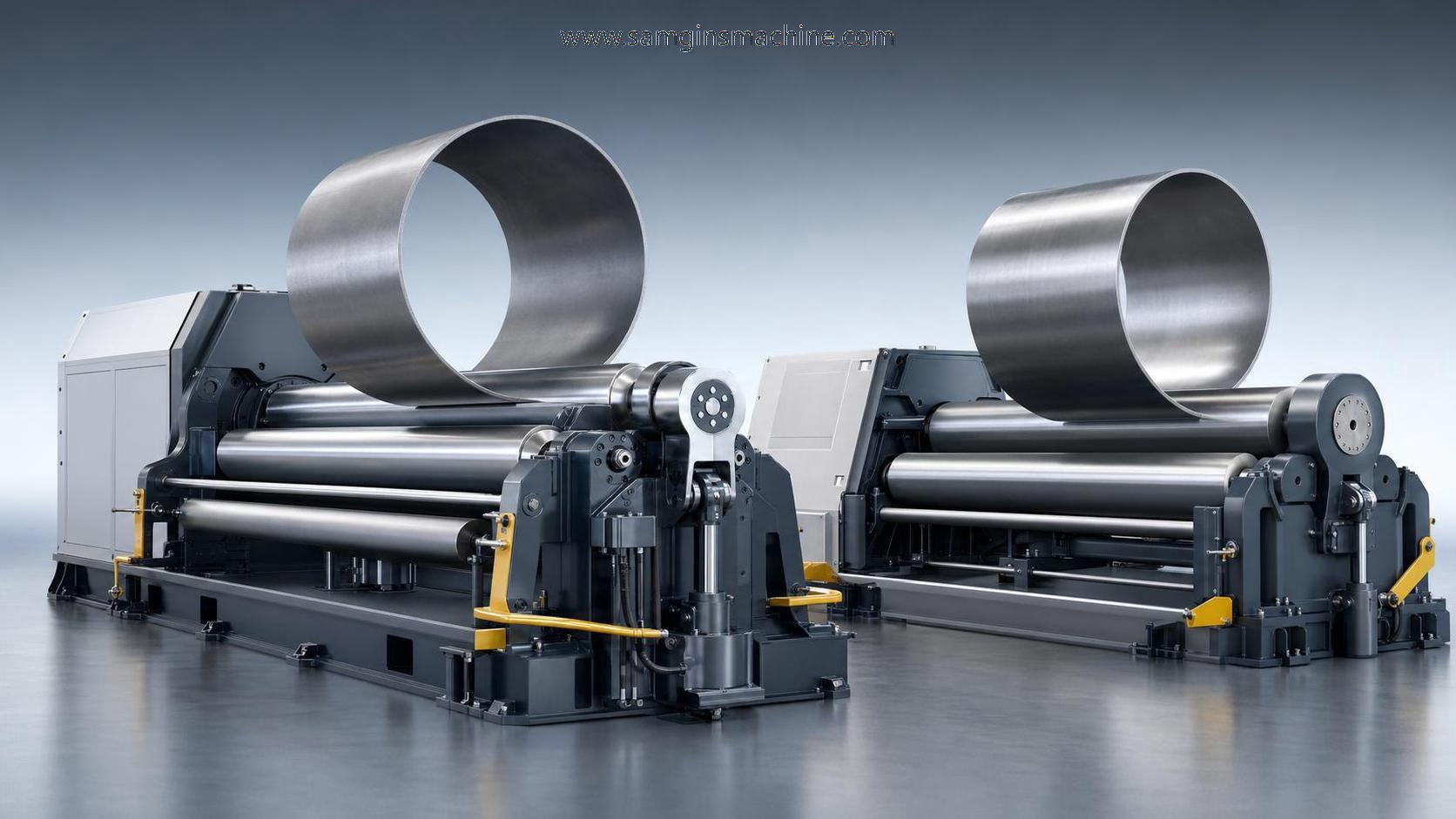
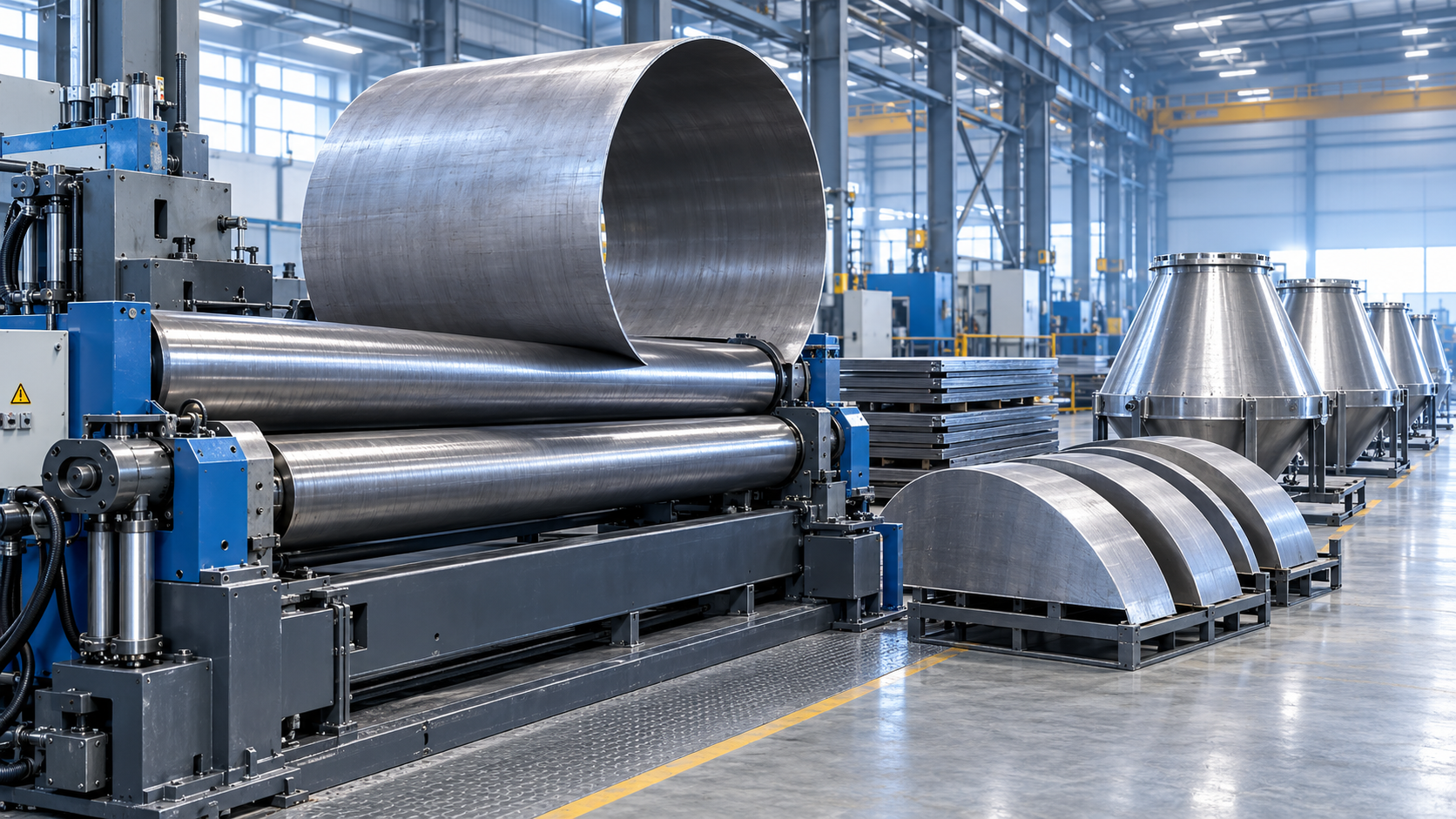
A Plate Rolling machine is a forming system that bends flat steel, stainless steel, aluminum, and other metal plates into round, arc, or conical shapes through controlled pressure between rollers. It is a core machine in fabrication shops that build storage tanks, pressure-related shells, ducts, silos, pipe sections, marine components, and structural transition parts.
In industrial buying terms, the machine is not defined by price alone. Its real value comes from how consistently it can process a target plate thickness and width, how well it controls pre-bending and roundness, and how efficiently it fits upstream cutting and downstream welding, fit-up, and inspection steps.
For many manufacturers, a Plate Rolling machine reduces dependence on manual forming methods that are slower, less repeatable, and harder to scale. Better forming accuracy lowers rework during seam welding and shell assembly, which has a direct effect on throughput, labor use, and final dimensional quality.
This is why the machine is common across process equipment, steel construction, transport equipment, energy projects, and general fabrication. It is not only a bending tool; it is a production control asset that influences material yield, welding preparation, and delivery reliability.
Technical Principle And Key Performance Factors
The working principle is straightforward: the plate passes through rollers while the relative position of the upper and lower or side rollers creates progressive plastic deformation. By adjusting roller displacement and the feeding sequence, the operator can create partial arcs, full cylinders, or cone-like forms depending on the machine structure and tooling setup.
However, performance depends on more than nominal rolling force. Yield strength of the material, plate width, minimum rolling diameter, edge straightness, and required residual flat edge all affect actual forming results. A machine rated for a given thickness on mild steel may handle less thickness when the job switches to higher-strength or stainless material.
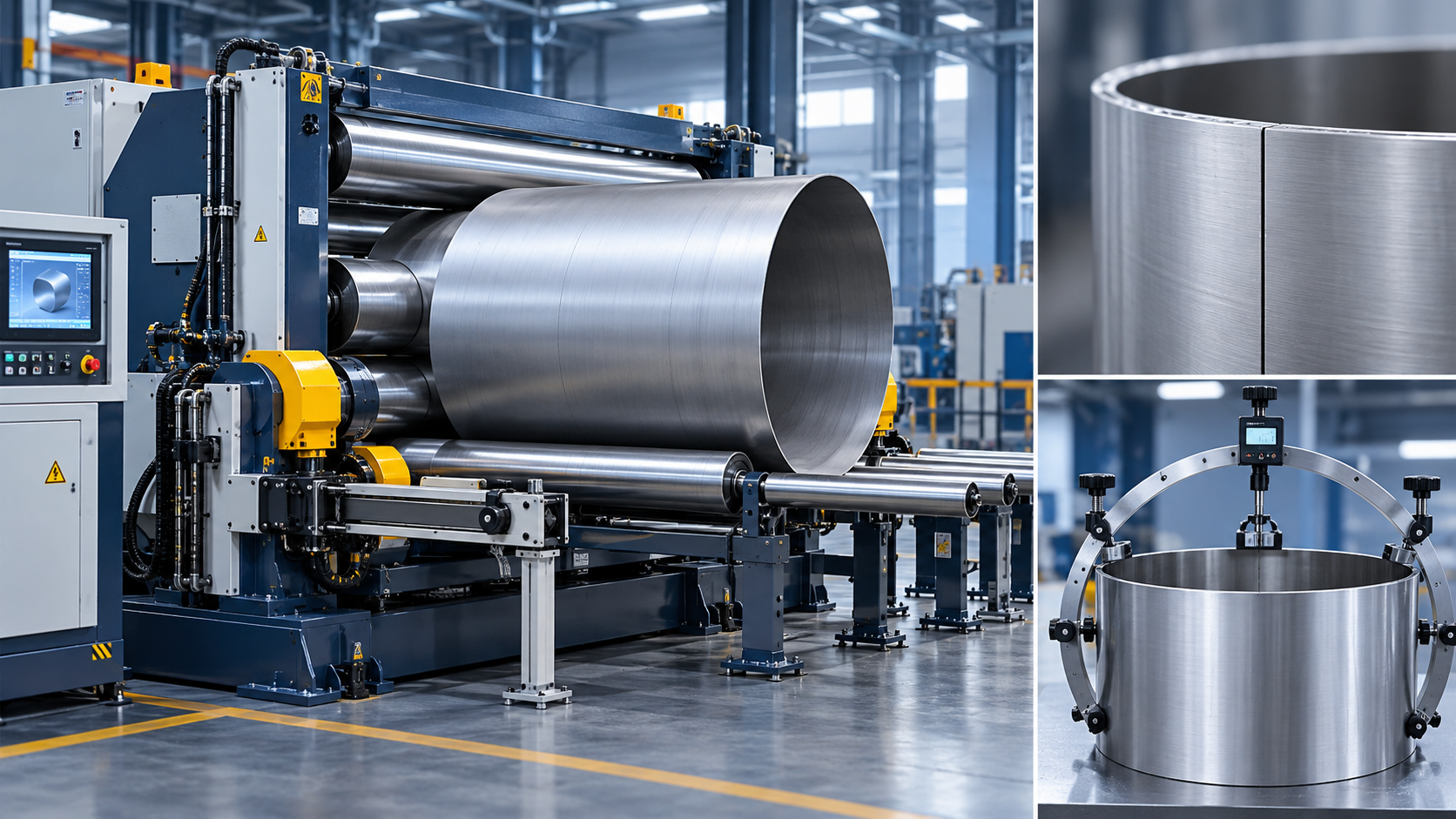
Accuracy is usually judged by roundness, edge pre-bend quality, repeatability between batches, and how much correction is needed before tack welding. Hydraulic stability, roller parallelism, frame rigidity, and CNC or position control quality all influence those outcomes. Imported hydraulic, servo, and CNC components are often preferred in serious production environments because control consistency matters as much as raw force.
A buyer should also look at practical factors such as loading direction, operator access, cone rolling support, drop-end mechanism, safety interlocks, and compatibility with plate handling systems. These determine whether the machine remains efficient on the shop floor after installation, not just in a quotation sheet.
Main Types Of Plate Rolling Machine
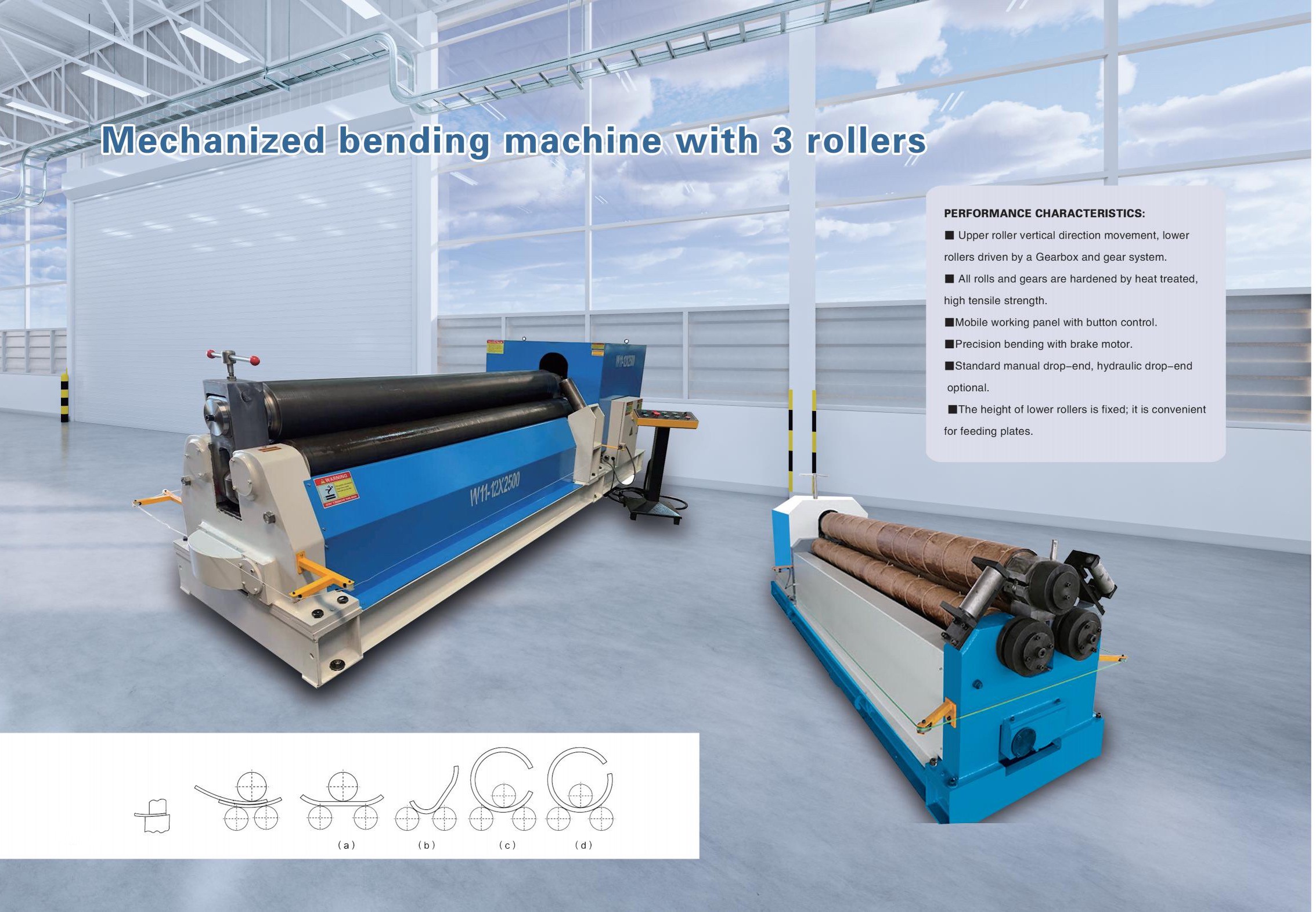
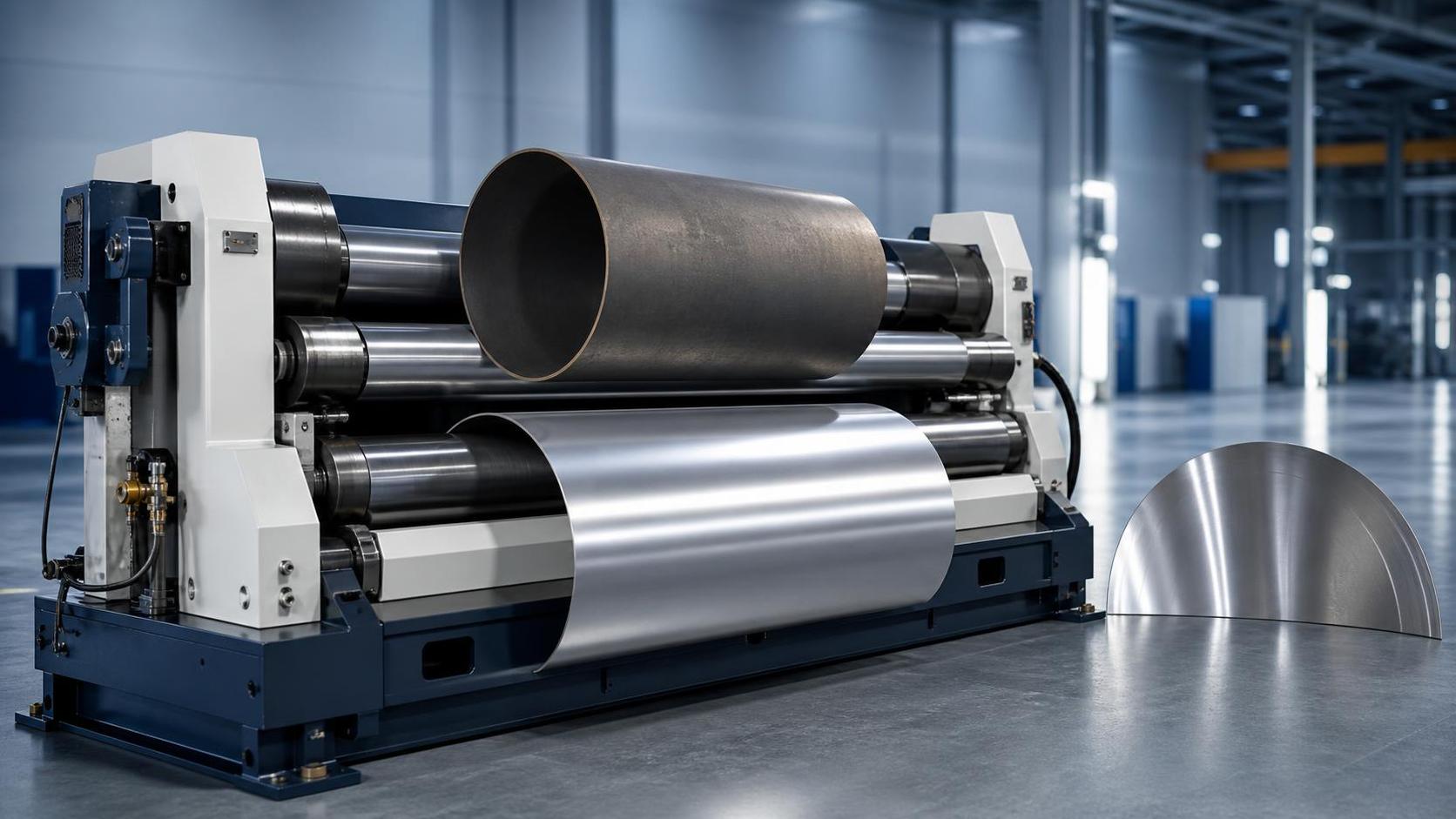
The mainstream categories are 3-roll mechanized machines, 3-roll hydraulic machines, and 4-roll CNC bending machines. A mechanized bending machine with 3 roller is often used where budgets are tighter and production complexity is moderate. It can be suitable for general workshops handling straightforward cylindrical work with experienced operators.
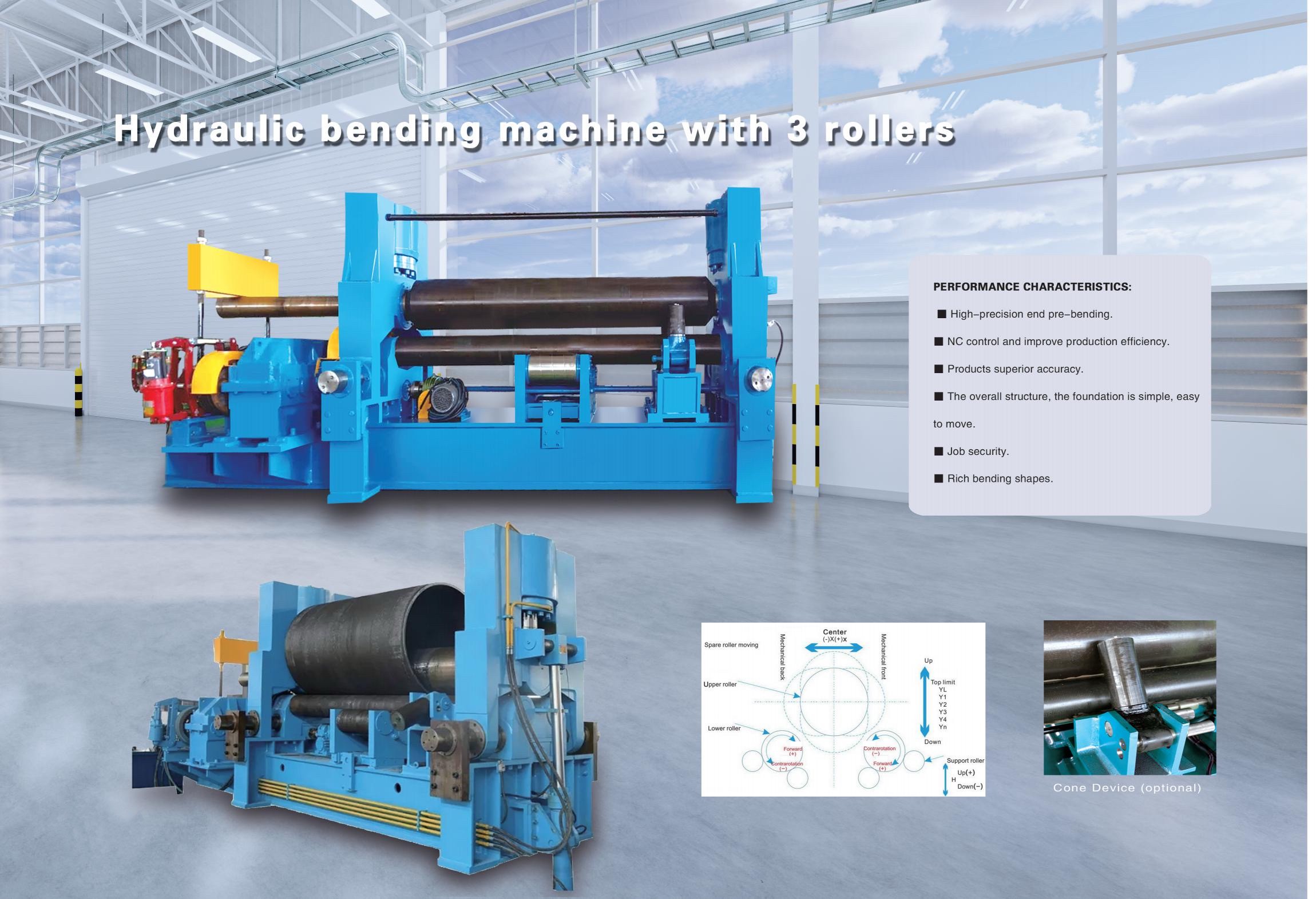
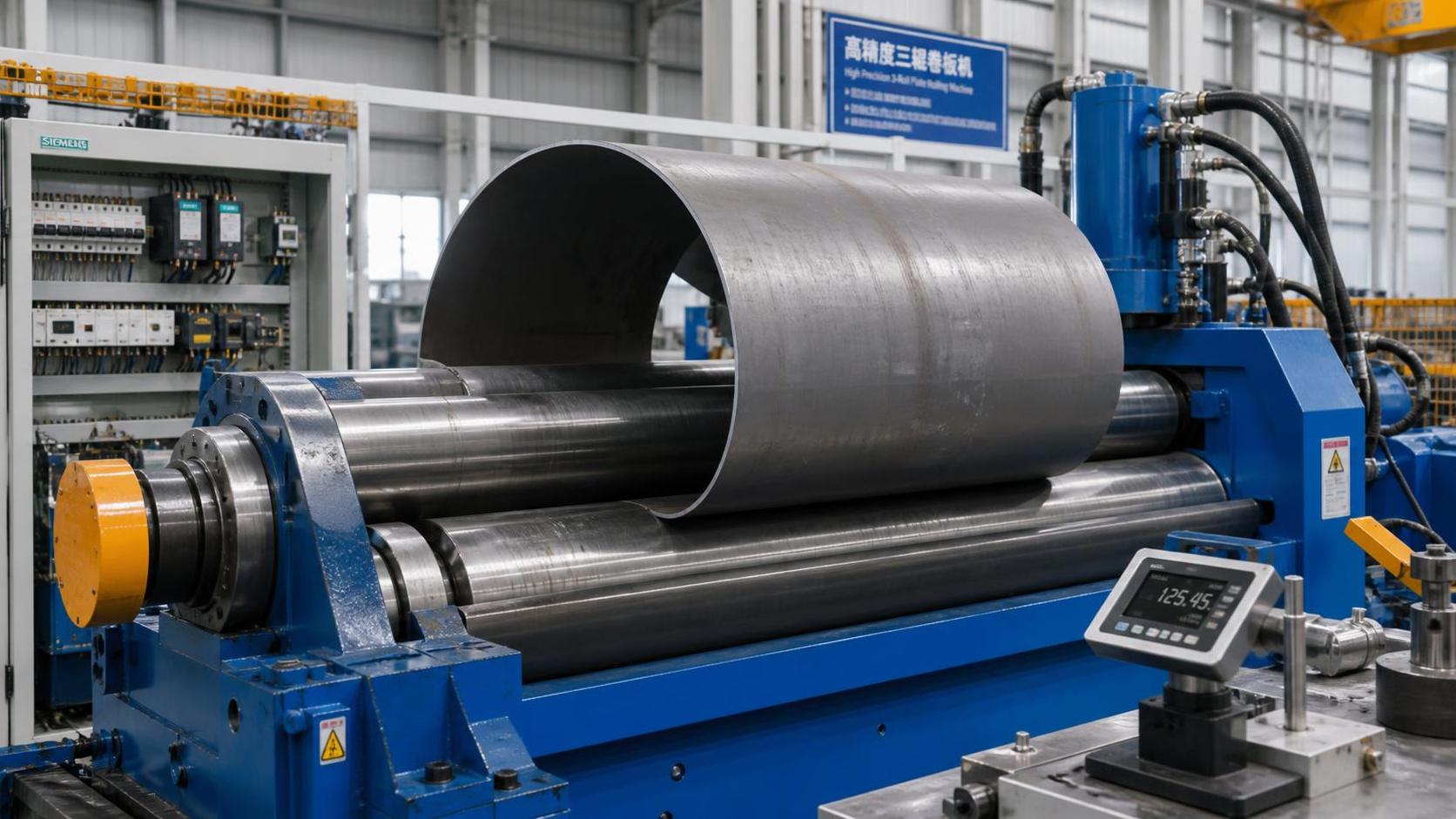
A hydraulic bending machine with 3 roller adds stronger forming capability and more stable pressure control, making it a common choice for thicker plate and heavier industrial jobs. This configuration is widely used in tank and shell fabrication because it balances investment level and forming power for many standard applications.
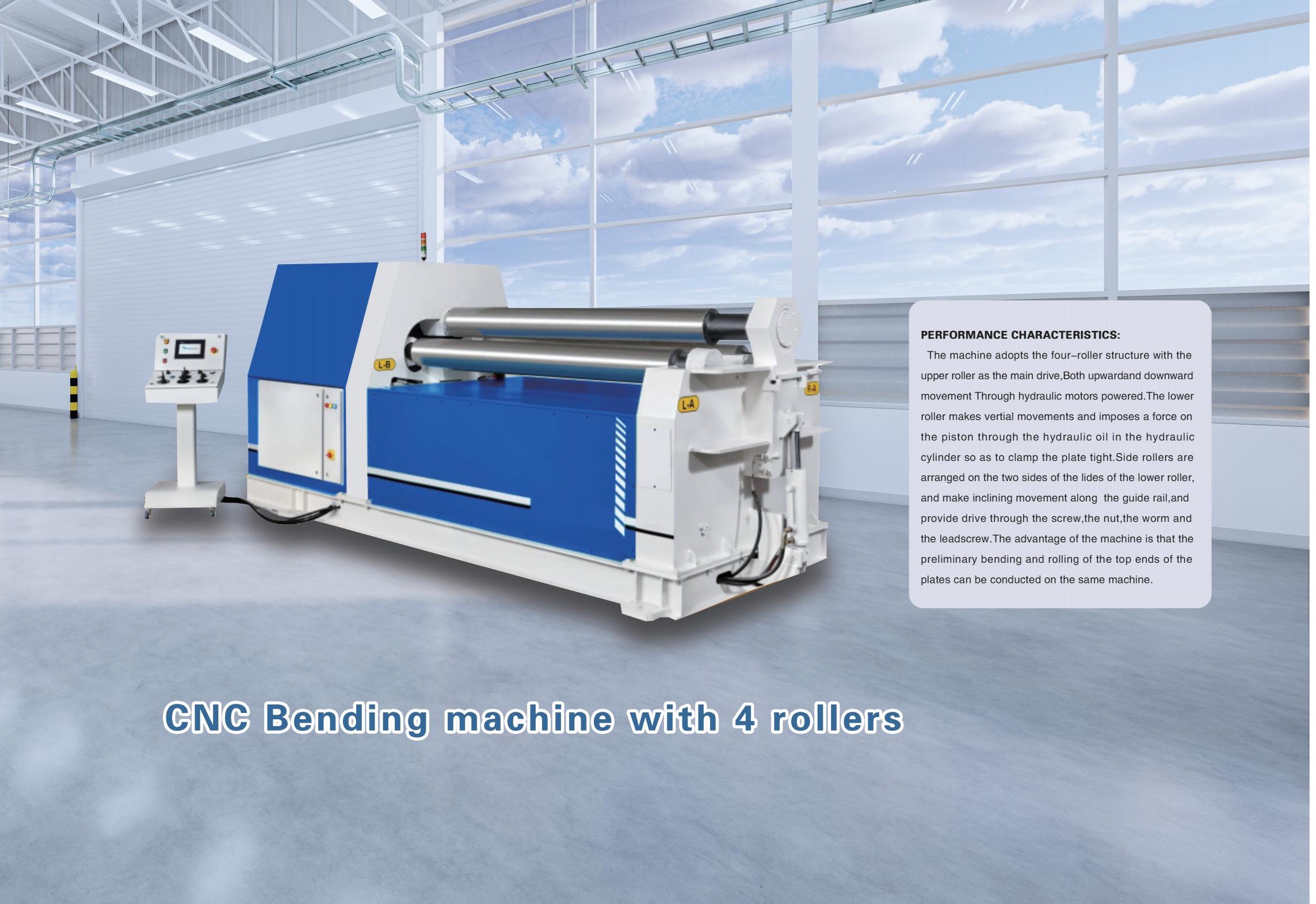
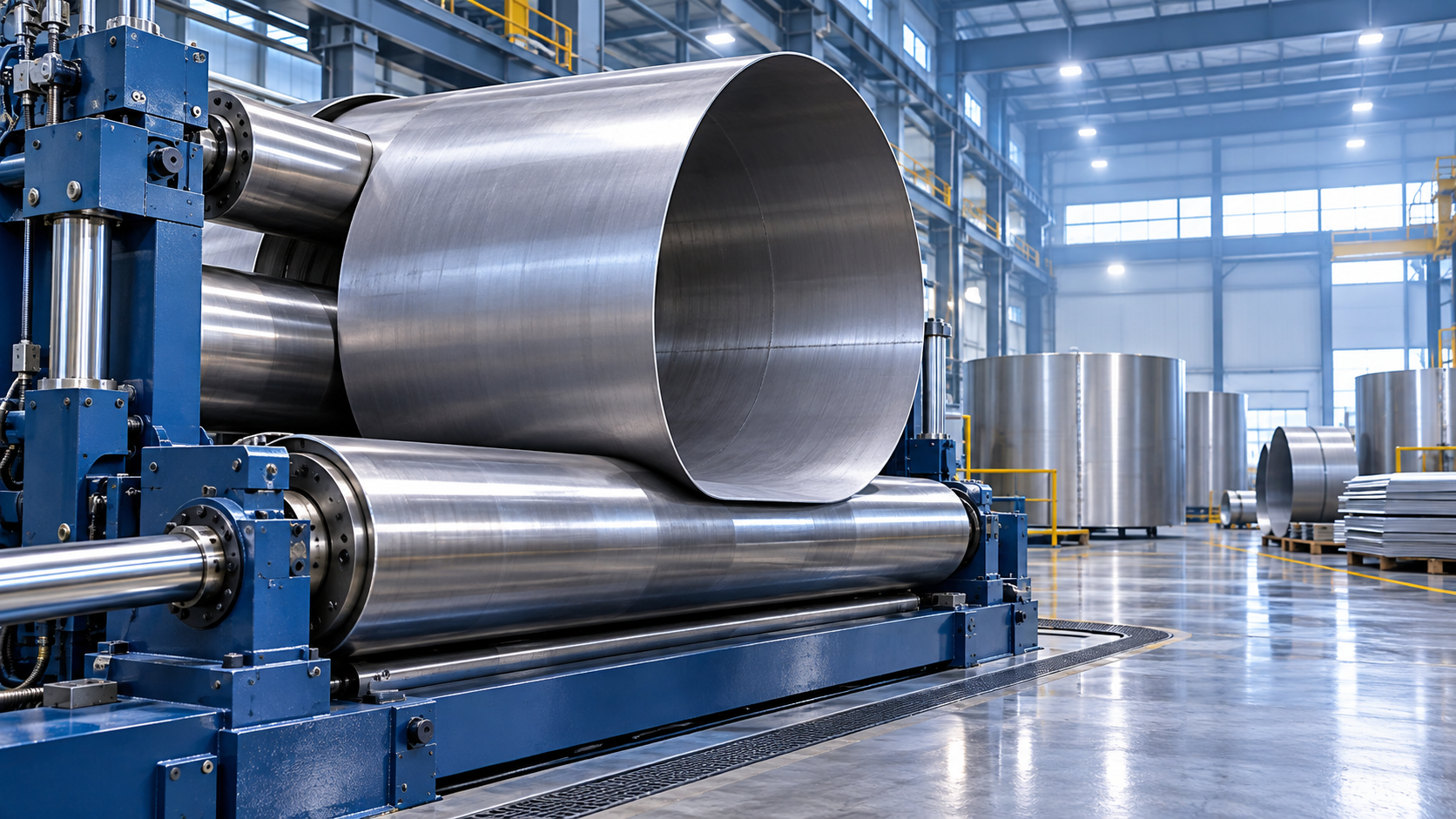
A CNC bending machine with 4 roller is usually chosen when buyers need stronger pre-bending control, easier plate alignment, higher repeatability, and lower operator dependency. Four-roll designs can simplify operation because the plate can be clamped more securely, which helps with consistency in batch production and with jobs that demand tighter dimensional control.
Selection between three-roll and four-roll systems should be tied to the actual product mix. Buyers comparing forming control may also review the tradeoffs discussed in topics such as four roller versus three roll bending performance. In practice, the better option depends on edge quality targets, labor skill level, changeover frequency, and how much correction the plant can tolerate after rolling.
How To Match Capacity Materials And Accuracy To Your Job
The first screening step is capacity. Buyers should define plate thickness, usable plate width, material grade, minimum inside diameter, and expected annual volume. It is risky to choose only by maximum thickness stated in a catalog because many ratings assume carbon steel under standard conditions rather than higher-strength or more spring-back-prone materials.
Material mix changes the machine requirement significantly. Carbon steel is common and relatively predictable, but stainless steel often demands stricter surface protection and more compensation for springback. Aluminum can require careful control to avoid marking or distortion. If the factory handles mixed jobs, the Plate Rolling machine should be assessed for versatility rather than for one ideal test piece.
Accuracy requirements should be discussed in production language, not vague terms. Ask what roundness tolerance is needed, how much residual straight edge is acceptable, whether shells must fit automatic longitudinal seam welding, and how much downstream correction is allowed. Shops producing pressure-related shells or high-fit-up assemblies normally need more consistent pre-bending and positioning control than shops making simple covers or guards.
It is also useful to map the machine against real workflow. If the plate comes from CNC flame cutting, CNC plasma cutting, or CNC fiber laser cutting, edge quality and dimensional consistency may already be high, which can support better rolling results. If the plant also uses edge milling, face milling, welding manipulators, welding rotators, or longitudinal seam welding machines, then the rolling machine should be chosen as part of a linked fabrication cell rather than as a standalone purchase.
Who Uses It And Which Applications Create The Most Value
Typical buyers include tank manufacturers, steel structure companies, pipe and duct fabricators, ship-related workshops, pressure equipment subcontractors, and heavy sheet metal processors. These users usually care about stable shell geometry because errors at the rolling stage multiply during tack welding, seam welding, flange fit-up, and final assembly.
A Plate Rolling machine is especially valuable where product geometry repeats over time. Batch production of cylinders, shell sections, support cones, and transition parts benefits from consistent setup and lower manual correction. In these cases, better forming control supports shorter lead time and more predictable labor planning.
For custom project work, the machine still matters because flexibility becomes the differentiator. Shops that process mixed thicknesses or serve energy, transport, water treatment, food equipment, or infrastructure projects need a machine that can switch between materials and diameters without creating major setup delays or excessive scrap.
This is where a supplier with a broader fabrication portfolio can be useful. Wuxi Samgins supplies not only Plate Rolling machine solutions, but also press brakes, shearing machines, edge milling machines, welding rotators, welding positioners, welding manipulators, and automated welding equipment. For buyers planning a complete fabrication line, that wider scope can simplify compatibility discussions and layout planning.
Industry Standards Application Scenarios And Global Project Considerations
In export-oriented fabrication, buyers often need machines that can support work destined for projects governed by common industrial codes or customer specifications. While a Plate Rolling machine itself does not determine final code compliance, its forming accuracy affects whether shells and curved parts can move cleanly into qualified welding, inspection, and dimensional verification stages.
Wuxi Samgins states that its machines comply with ISO9001 quality system requirements and EU CE Machinery and LVD directives, and the company notes export experience of more than ten years. It also indicates familiarity with ASME, API, and related local industry codes, which is relevant for buyers supplying tanks, pipelines, and steel structures into regulated or specification-heavy markets.
Application scenarios vary by region and project type. A contractor in oil and gas support fabrication may focus on heavier wall shells and fit-up efficiency. A general engineering workshop may prioritize mixed-material flexibility. A steel structure manufacturer may need rolled transition pieces that integrate with drilling, welding, and blasting operations inside a broader production line.
The customer list provided, including URALSTANKOIMPORT, MD Calbah Industries Pty Ltd, BatysMunaiGazZhabdyktary LLP, Estructuras Metalicas Girders Chile Limitada, and Lincoln Electric-MENA, indicates experience serving different industrial markets and regions. For a buyer, this matters less as a marketing point than as a signal that project communication, export packing, and cross-border technical coordination are familiar parts of the supplier’s work.
Manufacturing Quality Control Installation And Service Support
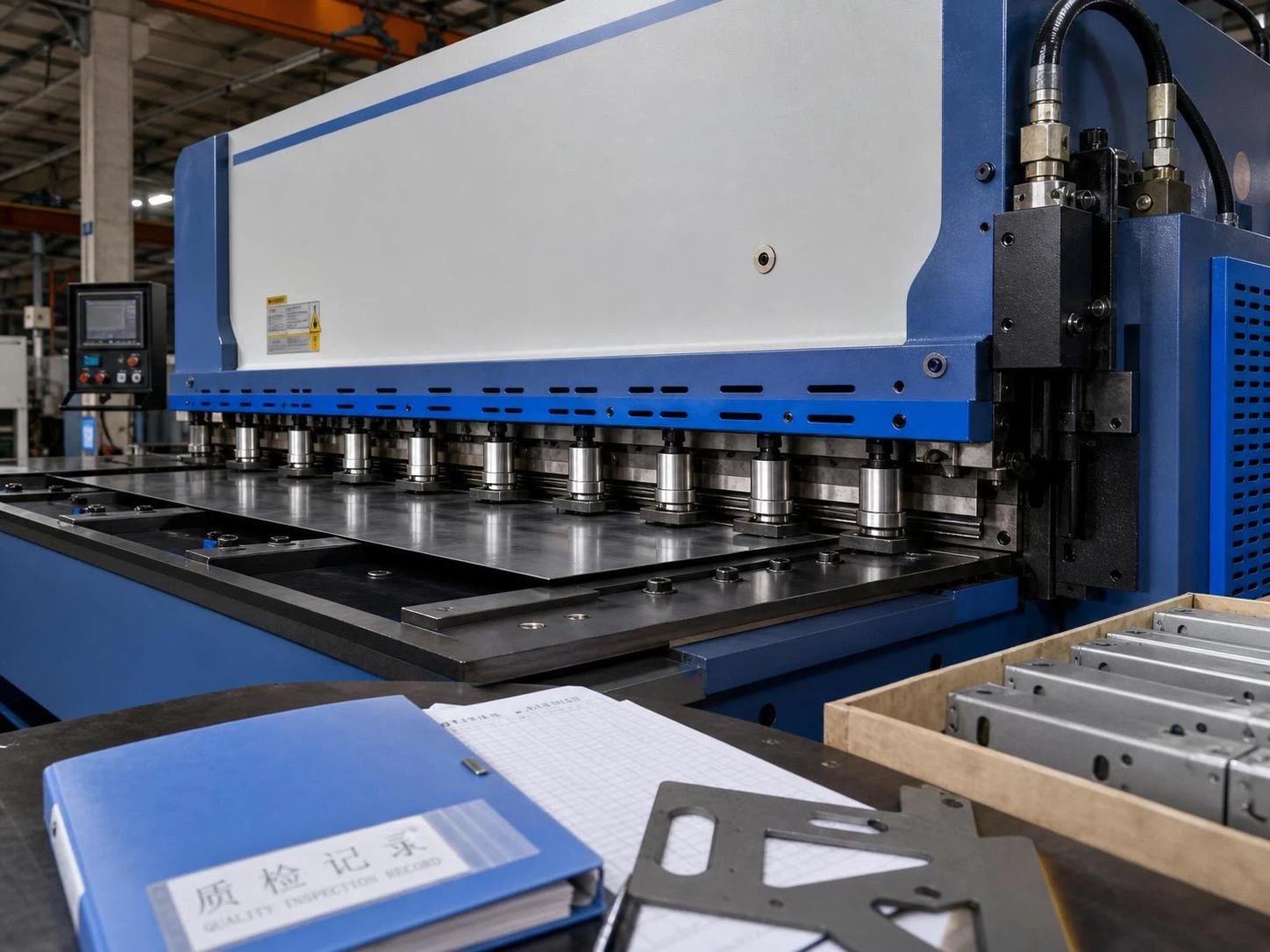
A capable Plate Rolling machine depends on disciplined manufacturing and assembly. Frame welding quality, stress management, roller machining precision, hydraulic integration, and final alignment all influence long-term performance. Buyers should ask how the rollers are processed, how parallelism is checked, how hydraulic sealing quality is controlled, and what acceptance tests are performed before shipment.
For many B2B buyers, the most practical quality question is whether the machine will maintain stable geometry after months of real production rather than on the day of factory inspection. This is why the quality of hydraulic, servo, and CNC components matters. Wuxi Samgins highlights the use of world-famous imported brands for key control components, which aligns with the goal of long service life and better operational stability.
Installation planning should cover floor conditions, power supply, material handling space, operator safety, and the route by which rolled parts move to welding or finishing. Shops that pair the machine with plate leveling machines, shot blasting machines, welding robots, or seam welding systems should confirm process order in advance to avoid bottlenecks after commissioning.
After-sales support is also a real part of machine quality. Long-term warranty terms, spare parts responsiveness, remote troubleshooting, and technical support during startup can reduce unplanned downtime. For export buyers, service discipline often matters as much as purchase price because delays in resolving hydraulic, electrical, or control issues can disrupt contract delivery schedules.
Maintenance Upgrade Timing And Future Industry Trends
Routine maintenance for a Plate Rolling machine typically includes lubrication checks, hydraulic system inspection, roller surface cleaning, fastener verification, electrical review, and periodic calibration of control positions. The correct interval depends on workload, plate material, and the production environment, but ignoring preventive maintenance usually leads to gradual accuracy drift before it leads to complete failure.
The right time to upgrade is often signaled by process pain rather than age alone. Repeated manual corrections, high scrap on thicker plates, operator-dependent quality variation, or difficulty matching automated welding workflow are common signs that an older machine no longer fits present demand. At that point, a hydraulic or CNC upgrade can be easier to justify than continuing to absorb hidden rework costs.
Industry direction is moving toward better control integration, easier programming, and stronger alignment with semi-automated or automated fabrication lines. Buyers increasingly want rolling machines that communicate better with digital job settings, support repeatable production across shifts, and reduce reliance on highly individual operator technique.
Another trend is line-level thinking. Instead of buying isolated machines, manufacturers are evaluating how cutting, edge preparation, rolling, positioning, welding, and finishing work together. Suppliers that understand this broader chain are better placed to recommend whether a shop needs only a Plate Rolling machine or a more coordinated package involving leveling, bending, rotating, welding, and handling equipment.
How Much It Really Costs TCO And ROI Buying Advice
The purchase price of a Plate Rolling machine is only one part of the decision. Total cost of ownership includes tooling or accessories, freight, installation, commissioning, training, maintenance parts, hydraulic and electrical servicing, energy use, operator labor, and the cost of quality losses such as scrap, correction time, and delayed welding throughput.
Low upfront cost can become expensive if the machine has weak pre-bending, poor repeatability, or limited support after export delivery. In production terms, every extra correction step consumes crane time, welder time, and floor space. Buyers should compare quotations against expected usable output per shift, not just against machine list price.
A practical ROI approach is to estimate how the new machine will affect three items: reduction in forming rework, increase in daily throughput, and expansion into higher-value jobs such as thicker material, larger diameters, or more demanding shell quality. If these gains are measurable, a more capable hydraulic or CNC machine can often be justified even when its initial cost is higher.
For sourcing discussions, buyers should request sample job evaluation based on real plate grades and dimensions, clarify acceptance criteria before production, and ask how the supplier supports future line expansion. Where production involves rolling plus welding and steel fabrication, Wuxi Samgins can be relevant not only as a Plate Rolling machine supplier but as a broader equipment partner for connected fabrication processes.
search
Recommended Products
 CNC Bending machine with 4 rollerA roll bending machine is a forming device that uses rotating working rollers to progressively bend sheet metal into desired profiles. Capable of producing cylindrical, conical, and arc-shaped components, it is an essential piece of equipment in modern metal fabrication. The forming process relies on hydraulic or mechanical force to actuate the working rollers, whose coordinated movements—through rotation and positional adjustment—enable the production of a wide variety of curved geometries.
![星星1]()
 Hydraulic bending machine with 3 roller1.Introduction for Hydraulic bending machine with 3 roller:
A roll forming machine is a device that bends sheet materials into shapes through the action of working rolls. It can form various parts such as cylindrical pieces and conical pieces. It is a very important processing equipment. The working principle of a roll forming machine is to use external forces such as hydraulic pressure and mechanical force to make the working rolls move, thereby bending or rolling the sheet materials into shapes. Depending on the rotational movement and position changes of the working rolls of different shapes, parts such as elliptical pieces, arc-shaped pieces, and cylindrical pieces can be processed.![星星1]()
 Mechanized bending machine with 3 rollerA roll forming machine is a processing device that bends sheet materials into desired shapes through the action of working rollers. It is capable of producing various components, including cylindrical and conical parts, making it essential equipment in metal fabrication.
The machine operates by applying external forces—hydraulic or mechanical—to move the working rollers, which bend or roll the sheet into shape. Depending on the rotational movement and positional changes of differently shaped rollers, it can process elliptical, arc-shaped, and cylindrical workpieces.![星星1]()

Recommended blogs
 Can One Rolling Machine Handle Steel Plate and Aluminum Sheet?
 Why Source a Hydraulic Shearing Machine from China? Factory Capacity, Cost, and Risks
- What is a plate roller machine used for in metal fabrication?
- What jobs are best suited to a 3 roller plate rolling machine?
- Can an automatic plate rolling machine reduce variation between operators?
- How to Evaluate 3 Roll Plate Bending Machine Manufacturers Before Buying
Send Us A Message
Send us a Message
A dedicated person will follow up on your needs one-on-one and provide personalized customized solutions according
to your needs.
Get In Touch
We look forward to hearing from you for in-depth communication on how to fulfill your mixing requirements.