




Can One Rolling Machine Handle Steel Plate and Aluminum Sheet?
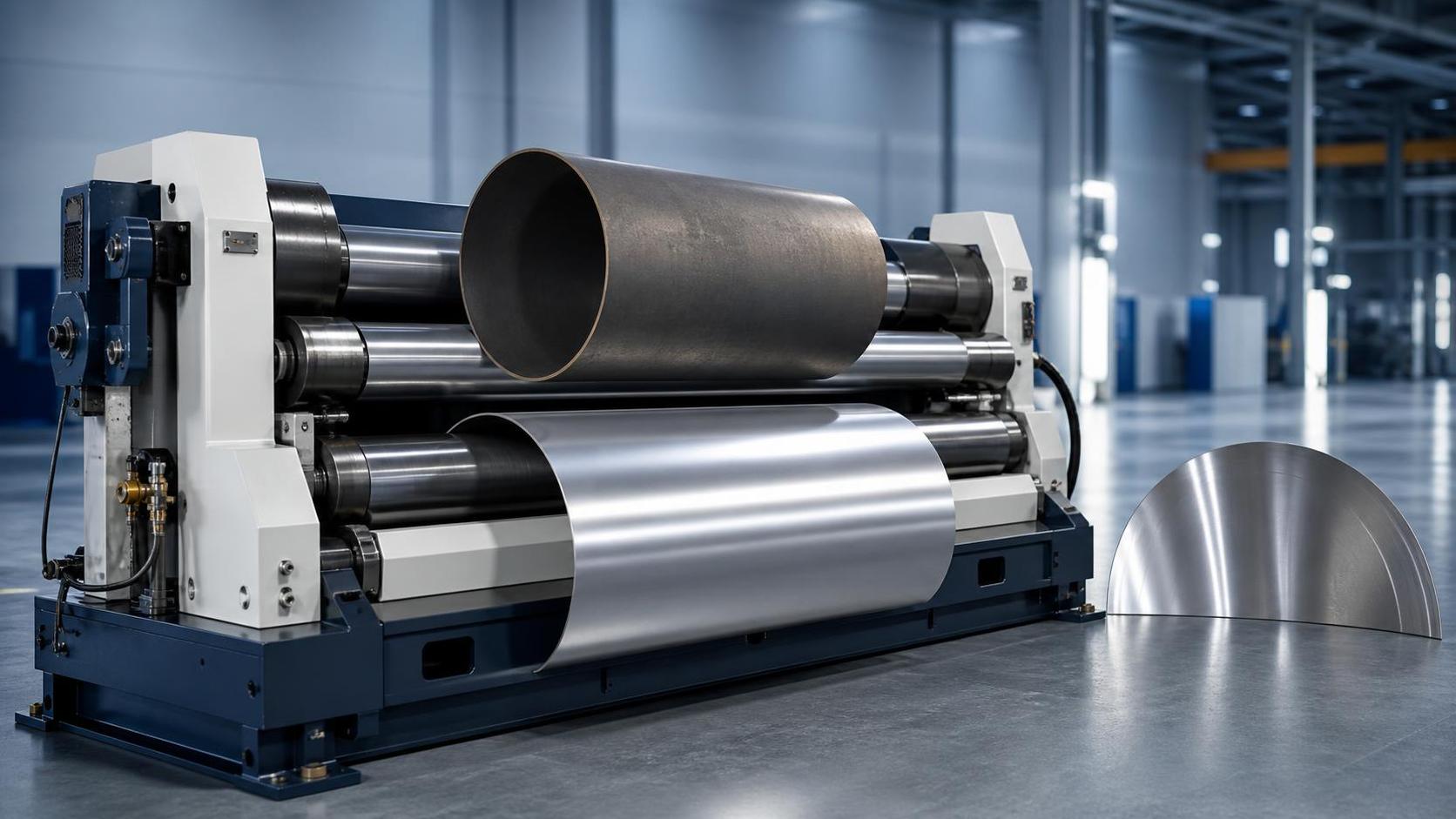
Can a rolling machine be used for both steel plate and aluminum sheet forming? The short answer is yes, but not in a simplistic “one setting fits all” way. In real fabrication work, steel and aluminum behave very differently under pressure. A machine that rolls carbon steel plate smoothly may leave marks on soft aluminum if the operator uses the same roller pressure, feed speed, and handling method. That is why buyers asking this question are usually not just looking for a yes or no. They want to know whether one machine can deliver flexibility without compromising finish quality, forming accuracy, or long-term reliability.
For workshops that process mixed materials, the appeal is obvious. Investing in one plate rolling machine instead of two can save floor space, reduce capital cost, and simplify production planning. But the practical answer depends on material thickness, yield strength, roller design, control system, and how often the machine switches between jobs. A rolling machine can often handle both steel plate and aluminum sheet forming, provided it is selected with the right capacity and operated with material-specific adjustments.
Why this question matters in everyday fabrication
Many metal fabricators do not process only one material. A shop may roll mild steel shells for structural parts one week, then switch to aluminum covers, ventilation components, tanks, or decorative cylinders the next. On paper, plate rolling is still plate rolling. In production, though, steel resists deformation more strongly, while aluminum is softer, more prone to surface damage, and more likely to spring back in ways that surprise less experienced operators.
That difference creates a familiar concern: if the machine is powerful enough for steel, will it be too aggressive for aluminum? And if it is optimized for lighter aluminum work, will it struggle when thicker steel jobs arrive? This is the heart of the decision.
The machine can be shared, but the process cannot be identical
A plate rolling machine does not “see” the name of the metal. It responds to thickness, width, strength, and the force needed to bend the sheet into the required radius. So from a machine-design standpoint, dual-material use is entirely possible. The key is whether the machine has enough control range to work with both hard and soft materials safely.
Steel generally requires higher rolling force because of its greater strength. Aluminum, by contrast, usually needs less force, but it demands cleaner handling and more precise pressure control. If too much force is applied too quickly, the sheet can become marked, warped, or unevenly curved. This means the same machine may process both materials, but it should not use the same setup for both.
That distinction is important for purchasing decisions. Buyers should think less in terms of “Can one rolling machine handle steel plate and aluminum sheet?” and more in terms of “Can this specific machine be adjusted well enough to handle both with repeatable results?”
What determines whether one rolling machine is suitable for steel and aluminum
1. Rolling capacity must be based on the tougher material
If a shop processes both materials, machine capacity should usually be selected according to the more demanding steel application, not the easier aluminum one. A machine that can comfortably roll the required steel thickness will normally be able to handle thinner or comparable aluminum sheet, assuming the control and roller condition are appropriate.
Where mistakes happen is in reading capacity charts too casually. Manufacturers often list rolling capacity based on specific material grades. Mild steel, stainless steel, and aluminum do not require the same force, even at the same thickness. Buyers should confirm the machine’s rated performance for the exact steel range they use most often.
2. Roller surface condition matters more for aluminum
Aluminum sheet is far less forgiving when it comes to roller marks, scratches, and contamination. A roller that works perfectly well on structural steel may still transfer small imperfections onto aluminum surfaces, especially if the application involves visible parts rather than hidden components.
This does not mean a separate machine is always necessary. It means roller maintenance becomes much more important. Smooth roller surfaces, proper cleaning between jobs, and protection from embedded debris can make the difference between acceptable aluminum output and frequent rejection.
3. Control precision affects repeatability
Manual rolling machines can process both materials, but when production includes frequent material changes or tighter tolerances, more precise control becomes valuable. Hydraulic plate rolling machines and CNC-controlled systems offer better consistency in roller positioning, pressure adjustment, and repeat settings.
That is especially useful when the shop needs to move between thicker steel plate and lighter aluminum sheet without wasting time on repeated trial runs. Precision does not just improve quality; it reduces operator guesswork.
4. Minimum and maximum thickness range should be realistic
Some machines are excellent at medium-thickness steel but less stable when handling very thin aluminum sheets. Thin material can slip, deform unevenly, or require special attention during feeding and prebending. If the intended aluminum work is on the lighter-gauge side, buyers should not assume that every heavy-duty steel rolling machine will automatically perform well there.
It is worth reviewing the machine’s practical operating range, not just the maximum capacity headline.
Steel and aluminum do not react the same way during rolling
Understanding the material behavior helps explain why setup changes are necessary. Steel typically resists forming more strongly, so the machine applies greater force over the rolling sequence. Once bent, it tends to hold shape more predictably, though springback still exists. Aluminum often bends more easily, yet it can be trickier in another sense: it may require careful compensation for springback while also being more vulnerable to cosmetic damage.
Operators often notice that aluminum “feels easier” to roll but can become harder to perfect. Radius consistency, edge alignment, and surface appearance all need attention. This is why a dual-use rolling machine should not only be strong enough, but also controllable enough.
How to switch a plate rolling machine from steel to aluminum successfully
If the machine is properly selected, successful material switching usually comes down to discipline in setup and operation.
Clean the rollers before the aluminum job
Any residue, burr fragments, rust particles, or scale left over from steel rolling can mark aluminum immediately. Even a small contaminant can create visible lines on a softer surface. Cleaning is not a minor housekeeping step here; it is part of the forming process.
Adjust pressure gradually
Aluminum generally needs less force. Applying the same rolling pressure used on steel can lead to overbending or surface indentation. A gradual approach helps the operator find the right forming point with less risk.
Review roller alignment and edge condition
Misalignment that goes unnoticed in heavier steel jobs may show up quickly on aluminum. Edge quality of the incoming sheet also affects the result, especially in applications requiring a neat cylindrical or conical form.
Consider protective handling where surface finish matters
Not every aluminum part needs an appearance-grade finish. But if the rolled product will remain visible, extra handling precautions may be worthwhile, such as careful material support and stricter cleanliness around the forming area.
Common misunderstandings buyers should avoid
One common misconception is that if aluminum is softer, any steel plate rolling machine will naturally roll it better. In reality, “softer” does not always mean “easier” in production quality terms. Aluminum may require less force, but it often requires more finesse.
Another mistake is focusing only on maximum rolling thickness. Capacity matters, but so does the machine’s ability to maintain control across a broad range of materials. Shops that process both steel plate and aluminum sheet should evaluate versatility, not just brute strength.
There is also the assumption that changing materials is purely an operator issue. Operator skill certainly matters, yet machine design matters too. Roller geometry, drive stability, hydraulic responsiveness, and control accuracy all influence whether material switching is smooth or frustrating.
Which rolling machine configurations are usually best for mixed-material work?
For many fabrication businesses, 3-roll and 4-roll plate rolling machines can both serve mixed-material production, but the ideal choice depends on workload and expectations. A 3-roll machine may be suitable for many general forming tasks, especially where experienced operators are available and production complexity is moderate.
A 4-roll plate rolling machine often offers advantages when consistency, ease of operation, and shorter setup times are priorities. It can simplify plate feeding and improve control during prebending and full rolling, which is useful when moving between materials with different behaviors. For buyers who need flexibility and repeatability, that can be an important factor.
In companies supplying broader fabrication equipment, such as Wuxi Samgins International Trade Co.,Ltd, plate rolling machines are typically considered as part of a wider production chain rather than as stand-alone assets. A shop that also uses shearing machines, bending machines, CNC cutting systems, deburring equipment, and welding solutions usually benefits from choosing rolling equipment that integrates well with upstream and downstream processes. That broader view often leads to better decisions than selecting a machine based only on a single thickness figure.
When one machine is enough, and when it may not be
One rolling machine is often enough when the material range is manageable, the production schedule allows setup changes, and the quality expectations are clear. This is common in contract fabrication, general metalworking shops, and manufacturers producing varied batches rather than continuous high-volume runs of one material.
Separate machines may become more practical when aluminum surface quality is extremely demanding, when thickness differences are too wide, or when production speed leaves little room for cleaning and resetting between steel and aluminum jobs. In those cases, the issue is less about machine capability and more about efficiency and risk control.
Questions worth asking before you buy
Before choosing a machine for both steel plate and aluminum sheet forming, it helps to ask a few grounded questions:
- What is the thickest and widest steel plate you roll regularly?
- What is the thinnest aluminum sheet you need to form?
- Is aluminum finish quality functional or appearance-critical?
- How frequently will the machine switch between materials?
- Do you need manual adjustment, hydraulic assistance, or CNC repeatability?
- Can the supplier explain practical performance across different materials, not just nominal ratings?
These questions usually reveal whether a “one machine for both” strategy is truly efficient or only seems economical at first glance.
So, can a rolling machine be used for both steel plate and aluminum sheet forming?
Yes, in many cases it can. A well-chosen rolling machine can handle both steel plate and aluminum sheet forming effectively, but success depends on matching machine capacity to the harder steel application while preserving the control, cleanliness, and roller condition needed for aluminum. The machine may be the same, yet the setup, pressure, handling, and expectations should change with the material.
For buyers in manufacturing and processing machinery, this is less a question of possibility than of suitability. If the equipment is selected thoughtfully and used with proper adjustments, one plate rolling machine can be a flexible and sensible solution for mixed-material fabrication. The real value comes from understanding where versatility works well, and where process demands call for a more specialized approach.
search
Products Navigation
Send Us A Message