




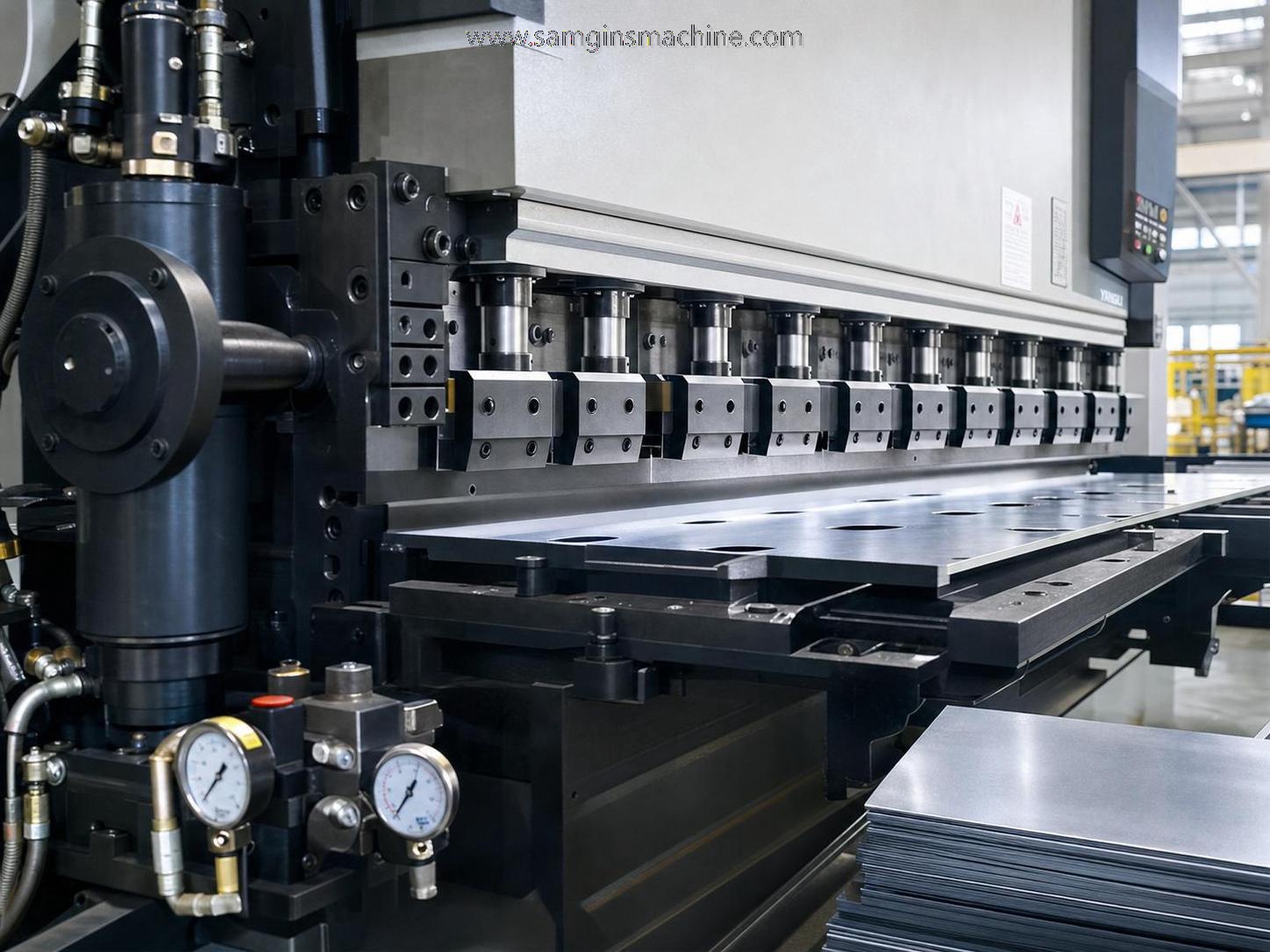
Rolling Machine Explained: Key Components, Process Capabilities, and Selection Basics for Manufacturers
What Is A Rolling Machine In Modern Fabrication
A Rolling machine is a metal forming system that bends plate, sheet, or profile material into controlled radii by passing the workpiece through driven rollers. In industrial use, it is most often applied to produce shells, cylinders, cones, transition sections, and pre-curved edges for downstream welding. The machine converts flat stock into a repeatable curved form while maintaining dimensional accuracy that supports fit-up, seam quality, and efficient assembly.
In practical manufacturing terms, the value of a Rolling machine is not limited to bending alone. It directly affects weld gap consistency, roundness, springback control, and the amount of manual correction required after forming. For fabricators building pressure vessel parts, ducting, heavy structural sections, or architectural components, this makes rolling quality a production issue rather than a standalone forming task.
The term Rolling machine can cover several equipment families. The most common are 3 roller and 4 roller plate rolling machines, while adjacent categories include profile benders and specialized pipe or dish-end forming systems. Selection depends on material thickness, width, yield strength, required diameter, cone capability, and whether the factory prioritizes flexible job-shop work or higher-volume repeat production.
Because rolling normally sits between cutting and welding, it is usually evaluated as part of a broader fabrication line. Manufacturers often connect it with CNC cutting, edge milling, fit-up, seam welding, and handling systems. This is where a supplier such as Wuxi Samgins is relevant, since its wider range of cutting, welding, rolling, leveling, and pipe processing equipment supports buyers who want process compatibility across multiple workshops.
How The Rolling Process Works And Which Components Matter
The operating principle of a Rolling machine is straightforward: rollers apply force to a metal plate until the material exceeds elastic deformation and takes on a permanent curve. The actual forming result, however, depends on a precise relationship between top roll position, lower or side roll movement, material properties, and pass sequence. Stronger or thicker plate requires higher forming force, while larger diameters usually demand gentler curvature and more controlled passes.
The core mechanical elements typically include the top roll, lower roll or rolls, side rolls for bending geometry, a drive system, hydraulic cylinders or servo-actuated positioning systems, a welded or stress-managed frame, and a control unit. In many industrial models, digital readouts or CNC controls help operators repeat known programs, compensate for springback, and reduce setup time when moving from one shell size to another.
Pre-bending is one of the most important capabilities to evaluate. Without adequate pre-bend performance, flat sections remain at the leading and trailing edges, forcing additional pressing or manual correction before seam closure. A capable Rolling machine reduces these unformed ends, improves roundness, and shortens welding preparation. For manufacturers producing tanks or pipes, this directly influences fit-up efficiency and the amount of rework on the shop floor.
Component quality matters because rolling loads are continuous and often severe. Wuxi Samgins emphasizes the use of well-known imported hydraulic, servo, and CNC components in key positions, which is relevant to buyers focused on repeatability, stability, and service life. In real procurement terms, the machine frame, roller hardness, bearing arrangement, drive synchronization, and control reliability often matter more than headline capacity alone.
Main Types Of Rolling Machine And Their Best-Fit Jobs
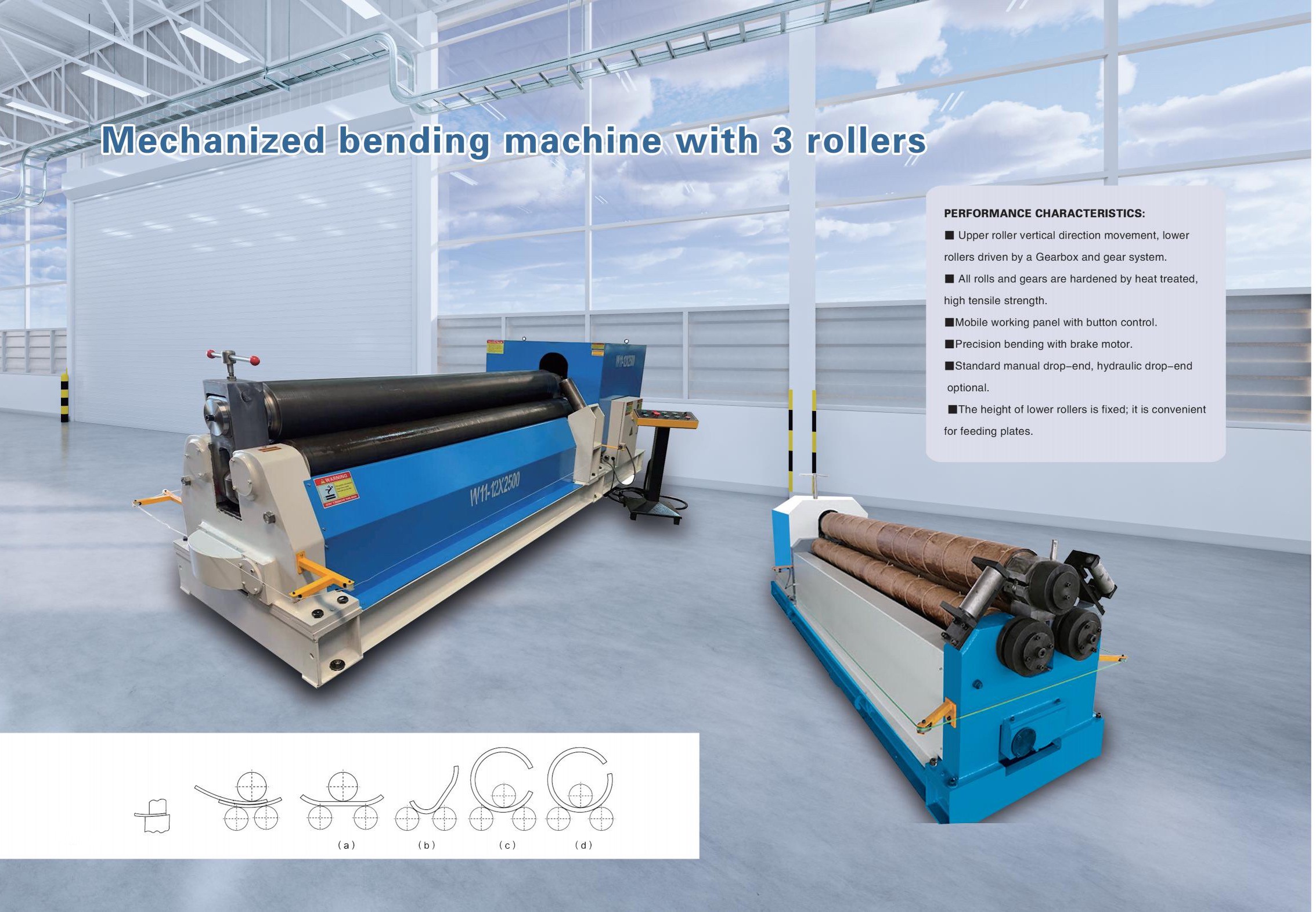
A mechanized bending machine with 3 roller is commonly chosen for general plate rolling where budget discipline and broad applicability are important. In this layout, the plate is fed through three rolls, and the operator adjusts roll position over several passes to reach the target radius. This type remains popular in fabrication shops making shells, ductwork, agricultural equipment, and standard structural curves where cycle time is important but not the only decision factor.
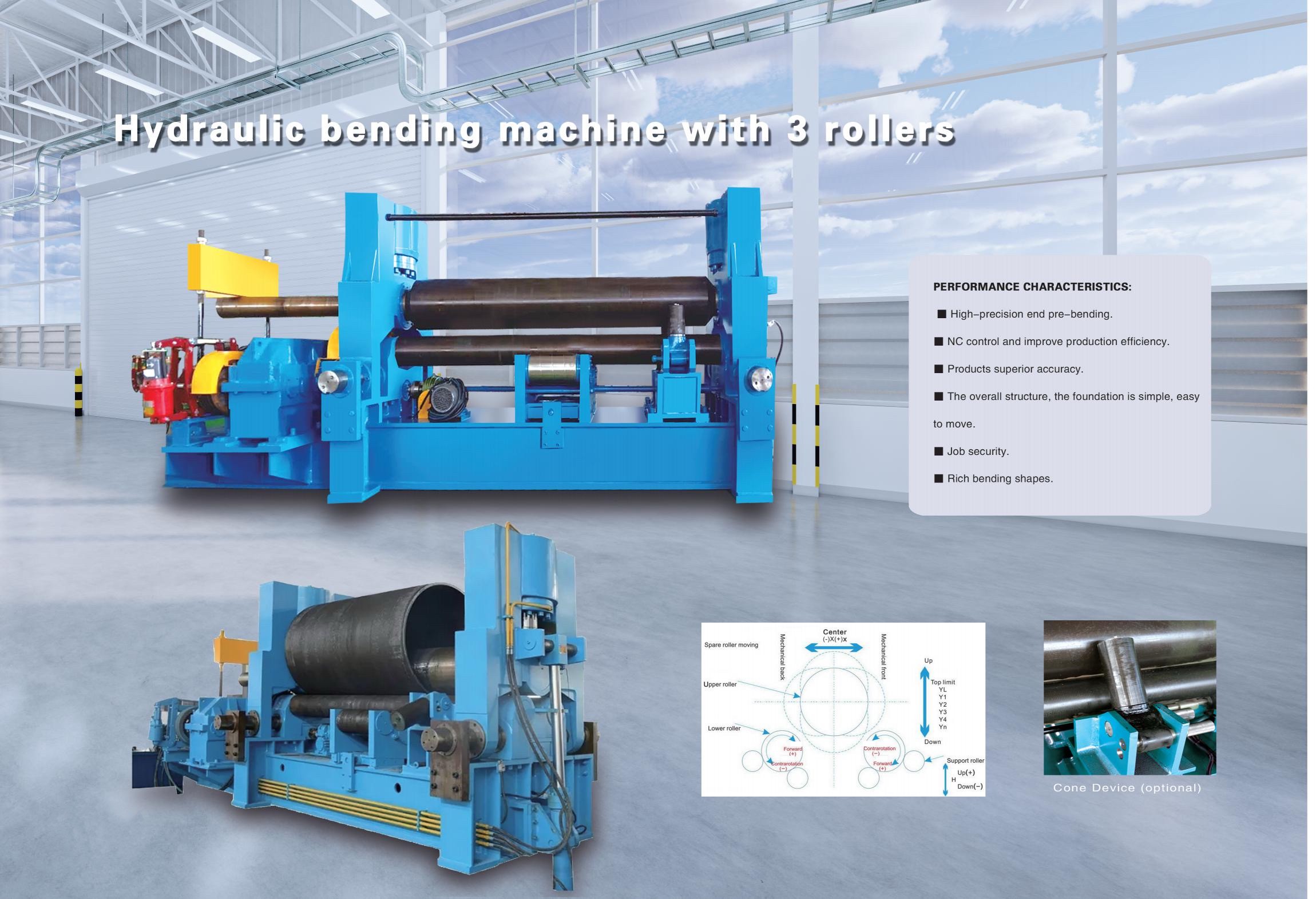
A hydraulic bending machine with 3 roller is typically used when the workload involves heavier plate, higher strength material, or more demanding consistency. Hydraulic actuation improves force delivery and movement control, which helps on thicker jobs and supports smoother adjustment during rolling. For mixed production environments, it often represents a practical middle ground between manual flexibility and more advanced automation.
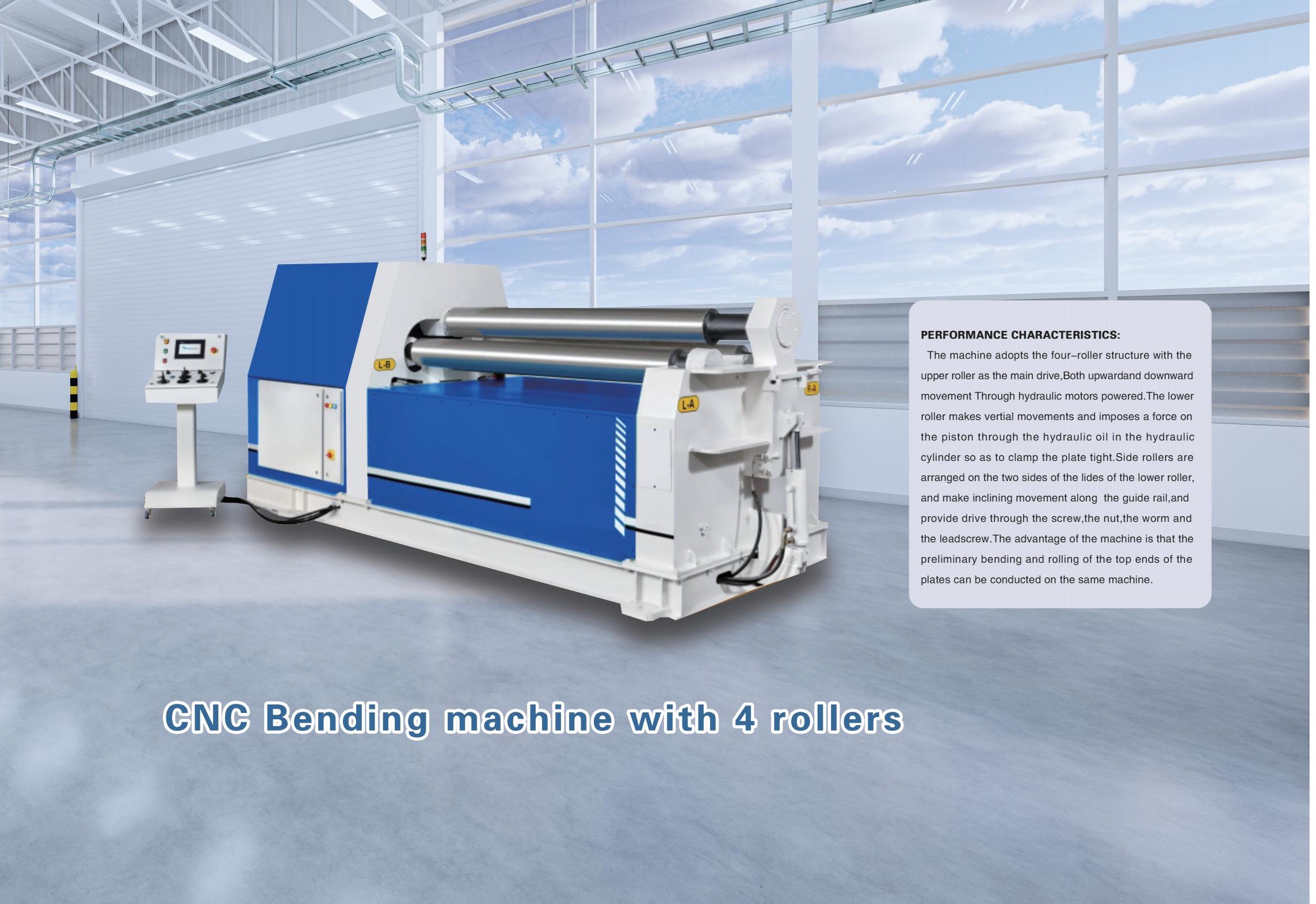
A CNC Bending machine with 4 roller is generally favored when buyers need easier plate feeding, stronger pre-bending, higher repeatability, and faster setup on recurring parts. Four-roll systems are often easier for operators to control because the plate can be clamped during the rolling cycle. This reduces slipping, improves edge handling, and is useful for manufacturers running frequent dimension changes, tighter tolerances, or semi-automated production routines.
Beyond plate rolling, buyers should distinguish between Rolling machine categories and neighboring forming equipment. Profile benders handle beams, channels, tubes, and sections rather than flat plate. Hydraulic pipe bending machines target pipe geometry rather than shell rolling. Dish end forming machines serve pressure vessel heads. A capable supplier should help customers avoid overlap and specify the right equipment family for the actual part geometry, not just the material thickness.
Who Uses A Rolling Machine And Where It Delivers Value
The primary users of a Rolling machine are fabrication companies producing cylindrical or curved metal parts at commercial scale. This includes tank manufacturers, pressure equipment workshops, steel structure processors, HVAC duct producers, ship-related fabricators, pipe spool shops, and general sheet metal factories. In each of these settings, rolling performance affects assembly accuracy, welding throughput, and how much skilled labor is consumed during fit-up.
A Rolling machine is especially valuable when material thickness and part size move beyond what can be formed economically by press brake bump bending or manual methods. For long shells or large diameters, continuous rolling produces smoother geometry, fewer facet marks, and better consistency between batches. That is why rolling becomes essential in projects involving storage tanks, silos, heavy duct sections, filtration bodies, and energy or process equipment components.
In project-oriented manufacturing, the machine also supports responsiveness. A workshop that can cut, bevel, roll, weld, and position large parts internally has stronger control over schedule and quality than one that depends on external forming capacity. Wuxi Samgins positions well in this context because buyers can combine a plate Rolling machine with welding manipulators, welding rotators, welding positioners, edge milling machines, and cutting systems from one industrial source.
The global customer names provided, including URALSTANKOIMPORT, MD Calbah Industries Pty Ltd, Zein Steel Industries Co.LLC, BatysMunaiGazZhabdyktary LLP, and Lincoln Electric-MENA, suggest the practical reach of this equipment across different regional manufacturing environments. For B2B buyers, that matters because machine selection is rarely theoretical; it must align with local fabrication habits, code-driven work, operator skill levels, and available service support.
Selection Basics Buyers Should Check Before Requesting Quotations
The first selection rule is to define the real rolling task, not just a maximum plate thickness. Buyers should specify material grade, width, thickness range, minimum finished diameter, cone requirement, annual production volume, and whether pre-bending is required at both ends. A Rolling machine that handles mild steel at one thickness may perform very differently on stainless steel, higher-yield plate, or parts with tight diameters.
The second rule is to evaluate process flow around the machine. Loading method, plate squaring, edge preparation, part extraction, seam tack-up, and overhead handling all affect productivity. In many factories, the real bottleneck is not the rolling speed itself but the time spent aligning heavy plates or correcting out-of-round shells. Buyers should therefore assess whether the machine will be used as an isolated workstation or integrated into a wider production line.
The third rule is to compare controls and serviceability with discipline. For occasional rolling, a simpler hydraulic machine may be appropriate. For repeat jobs, frequent changeovers, or less experienced operators, CNC control and position memory can produce a lower cost per part over time. Ask about roller material, frame design, synchronization, lubrication points, calibration support, spare parts availability, and how troubleshooting is handled after installation.
For buyers already researching adjacent equipment, it is useful to compare the Rolling machine decision with neighboring process investments. The logic in a practical buying guide is similar to what manufacturers ask when selecting laser cutting, gas cutting, or seam welding equipment: define the part, quantify the workload, understand the process chain, and buy around stable throughput rather than isolated specification peaks.
Quality Control, Standards, And Integration With Fabrication Lines
Quality in a Rolling machine application is measured by more than whether the plate bends. Buyers should pay attention to roundness, straightness along the shell axis, consistency of the weld seam gap, repeatability across batches, surface protection, and how much correction is required before welding. These outcomes are influenced by machine stiffness, control precision, roller condition, operator method, and the consistency of the incoming plate material.
In code-sensitive sectors such as tanks, pipelines, and structural fabrication, rolling accuracy supports compliance because poor geometry can create downstream welding problems and dimensional nonconformance. Wuxi Samgins states that its machines comply with ISO9001 quality system requirements and EU CE Machinery and LVD directives, and that its team is familiar with ASME, API, and other local industry codes. For export buyers, that background is useful when documentation and acceptance expectations differ by market.
Integration is another practical quality issue. A plate that is cut inaccurately, milled poorly at the edge, or mishandled during transfer will not roll optimally, regardless of machine quality. This is why buyers often source rolling equipment together with edge milling machines, face milling machines, welding rotators, manipulators, and welding positioners. The more coherent the line, the easier it is to maintain part accuracy from blank preparation through final seam welding.
For industries processing long shells or heavier assemblies, custom engineering can also matter. Wuxi Samgins highlights customized heavy-duty welding rotators, long seam welding machines, and special welding robot configurations, which can complement a Rolling machine in integrated vessel or structural production. The commercial advantage is not only equipment supply, but reduced mismatch between forming, handling, and welding capacity.
Maintenance, Lifecycle Planning, And Future Industry Trends
A Rolling machine should be maintained on a preventive schedule because wear develops gradually in bearings, hydraulic circuits, seals, controls, and roller surfaces. Daily checks usually include lubrication status, abnormal noise, visible leakage, roller cleanliness, and control response. Periodic maintenance should verify alignment, fastener integrity, oil condition, and the calibration of position feedback systems. The better the routine, the more stable the forming result over the life of the machine.
Replacement timing is not driven by age alone. Buyers should review whether the machine still matches current plate sizes, material grades, tolerance demands, and labor availability. If operators rely on repeated manual correction, if setup time remains too high, or if control reliability affects delivery, an upgrade to hydraulic refinement or CNC capability may be justified even when the machine remains mechanically functional.
Industry trends are moving toward better automation, more data visibility, and tighter process integration. Buyers increasingly expect stored job recipes, more precise position control, safer handling, and compatibility with upstream cutting and downstream welding systems. Four-roll and CNC-equipped Rolling machine platforms are therefore gaining attention in factories that need repeat jobs with lower operator dependency and more predictable throughput.
Another visible trend is solution buying rather than single-machine buying. Manufacturers want suppliers that understand the complete fabrication route, from plate preparation to welding and finishing. With more than ten years of export experience and a portfolio covering rolling, leveling, welding, cutting, drilling, and bending equipment, Wuxi Samgins is positioned for buyers who prefer coordinated equipment decisions instead of isolated capital purchases.
Total Cost Of Ownership And Return-On-Investment Considerations
The purchase price of a Rolling machine is only one part of the investment. Total cost of ownership includes tooling or accessories, installation, freight, commissioning, operator training, spare parts, energy use, maintenance hours, and production loss from downtime or poor forming quality. Machines that appear economical at the quotation stage can become expensive if they require high manual correction or if service support is slow when problems arise.
From a buyer perspective, the strongest ROI usually comes from reduced rework, lower labor dependence, faster shell closure, and more stable downstream welding. A machine that improves pre-bending, roundness, and repeatability can shorten fabrication time on every part. In workshops handling medium to heavy plate, that gain often accumulates faster than savings achieved by selecting the lowest initial price machine.
To compare quotations properly, buyers should normalize the offers against the same job conditions. Ask each supplier to state bending capacity under clear material and diameter assumptions, not generic maximum values. Confirm what is included in controls, support rollers, cone rolling capability, documentation, warranty terms, and after-sales response. This is where long-term support claims should be tested with concrete deliverables rather than broad promises.
For manufacturers building or expanding fabrication capacity, the most rational decision is usually the one that fits the actual product mix and integrates with current workflows. A Rolling machine should be evaluated as part of the full value stream. When the machine, edge preparation, handling, and welding stages are aligned, the result is better throughput, more reliable delivery, and a lower real cost per finished assembly.
search
Recommended Products
 CNC Bending machine with 4 rollerA roll bending machine is a forming device that uses rotating working rollers to progressively bend sheet metal into desired profiles. Capable of producing cylindrical, conical, and arc-shaped components, it is an essential piece of equipment in modern metal fabrication. The forming process relies on hydraulic or mechanical force to actuate the working rollers, whose coordinated movements—through rotation and positional adjustment—enable the production of a wide variety of curved geometries.
![星星1]()
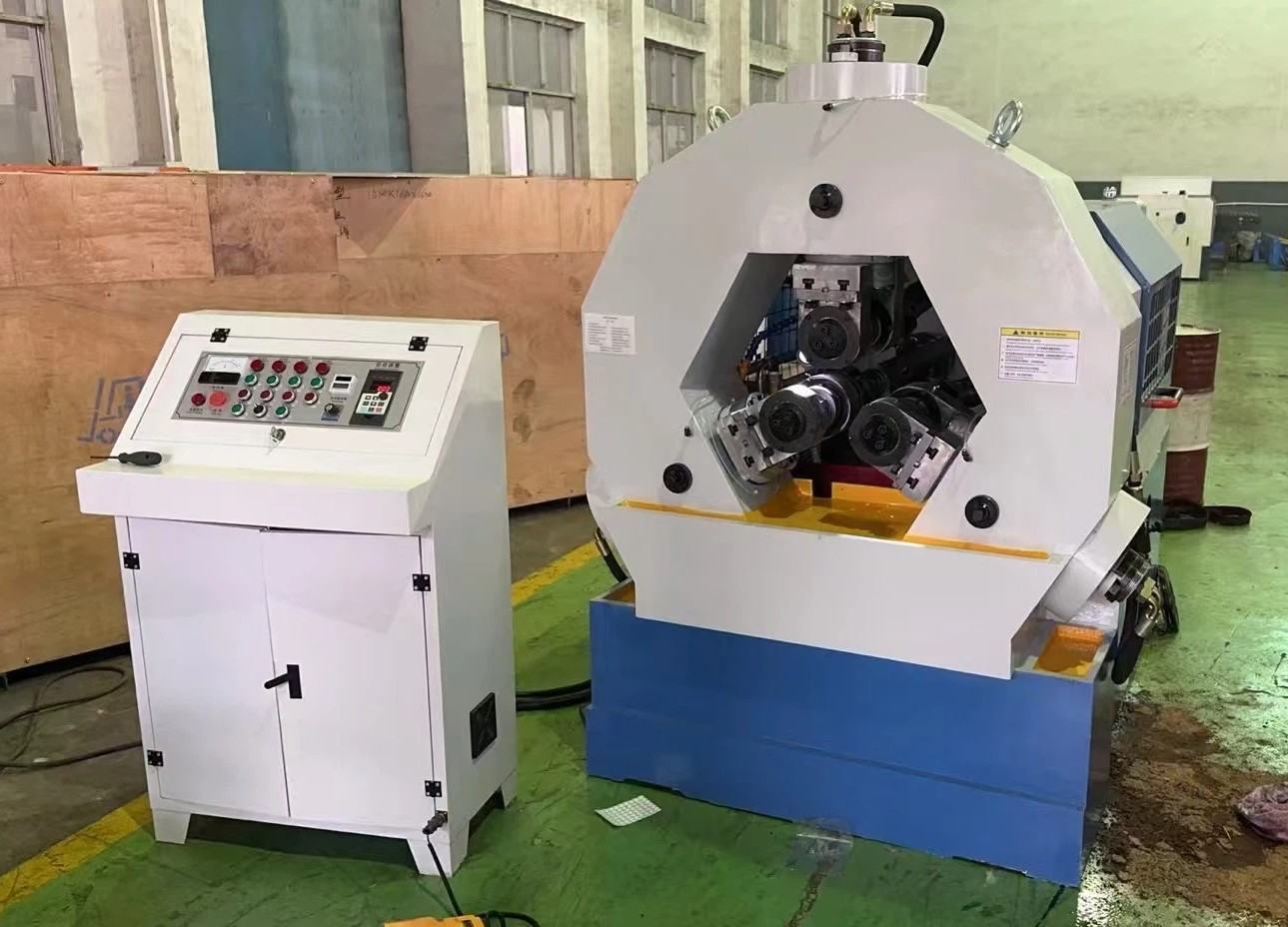
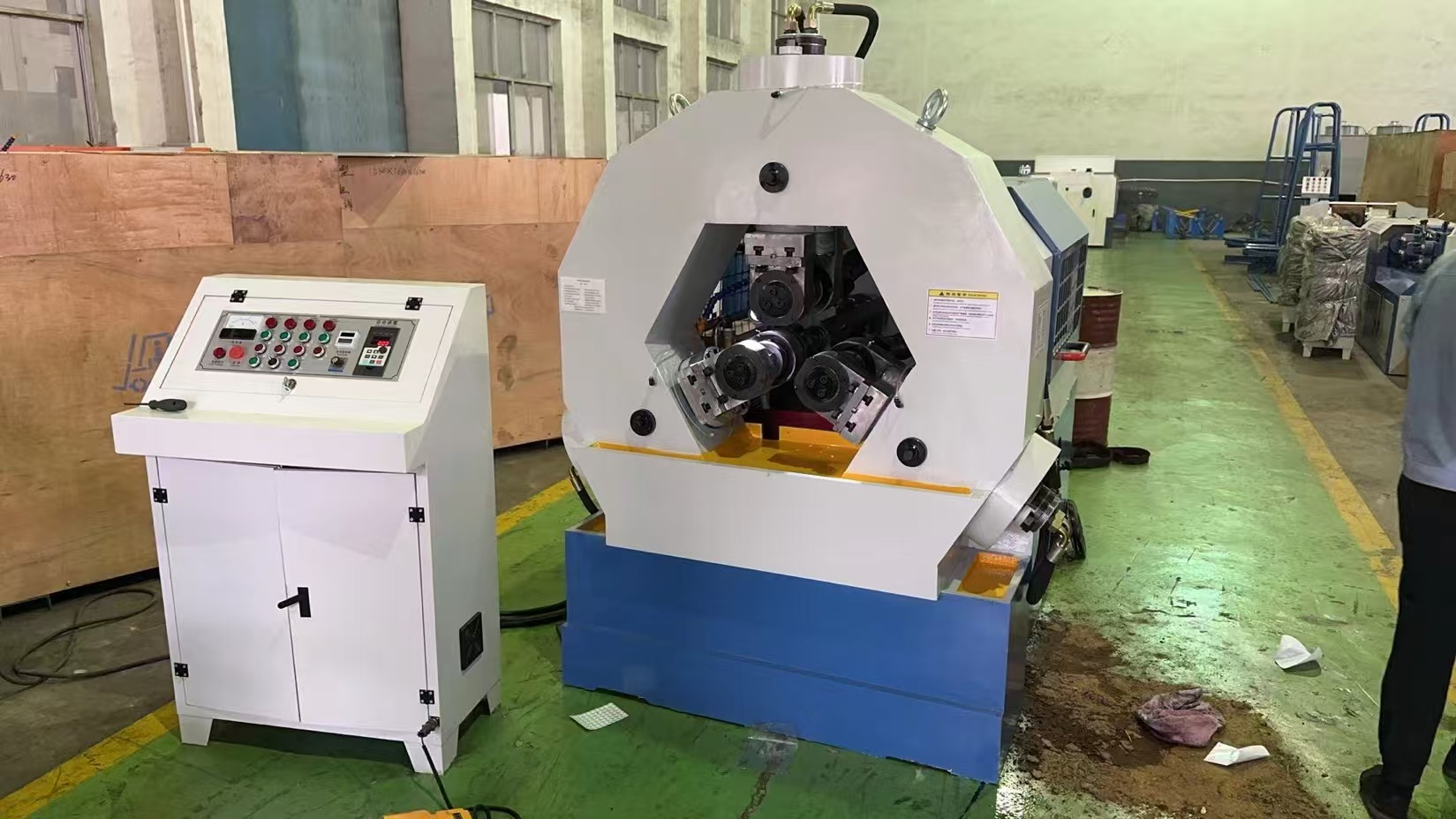
 ZC28-6.3 thread rolling machineThread rolling machines are primarily used for rolling various types of precision external threads, high-strength standard parts, anchor bolts, T-screws, and other workpieces with larger thread pitches.
Automatic thread rolling machines are mainly employed for radial cold roll forming. This cold rolling process represents an advanced non-chip processing technology. The process utilizes rolling tools for extrusion, ensuring continuous metal fibers. The pressure generated during rolling effectively improves surface roughness, hardness, and strength of the workpiece. Compared with cutting processes, thread rolling improves work efficiency by several times or even more, while also saving material and facilitating automated processing.![星星1]()
 ZC28-12.5 thread rolling machineThread rolling machines are primarily used for rolling various types of precision external threads, high-strength standard parts, anchor bolts, T-screws, and other workpieces with larger thread pitches.
Automatic thread rolling machines are mainly employed for radial cold roll forming. This cold rolling process represents an advanced non-chip processing technology. The process utilizes rolling tools for extrusion, ensuring continuous metal fibers. The pressure generated during rolling effectively improves surface roughness, hardness, and strength of the workpiece. Compared with cutting processes, thread rolling improves work efficiency by several times or even more, while also saving material and facilitating automated processing.![星星1]()
 Hydraulic bending machine with 3 roller1.Introduction for Hydraulic bending machine with 3 roller:
A roll forming machine is a device that bends sheet materials into shapes through the action of working rolls. It can form various parts such as cylindrical pieces and conical pieces. It is a very important processing equipment. The working principle of a roll forming machine is to use external forces such as hydraulic pressure and mechanical force to make the working rolls move, thereby bending or rolling the sheet materials into shapes. Depending on the rotational movement and position changes of the working rolls of different shapes, parts such as elliptical pieces, arc-shaped pieces, and cylindrical pieces can be processed.![星星1]()
 Mechanized bending machine with 3 rollerA roll forming machine is a processing device that bends sheet materials into desired shapes through the action of working rollers. It is capable of producing various components, including cylindrical and conical parts, making it essential equipment in metal fabrication.
The machine operates by applying external forces—hydraulic or mechanical—to move the working rollers, which bend or roll the sheet into shape. Depending on the rotational movement and positional changes of differently shaped rollers, it can process elliptical, arc-shaped, and cylindrical workpieces.![星星1]()

Recommended blogs
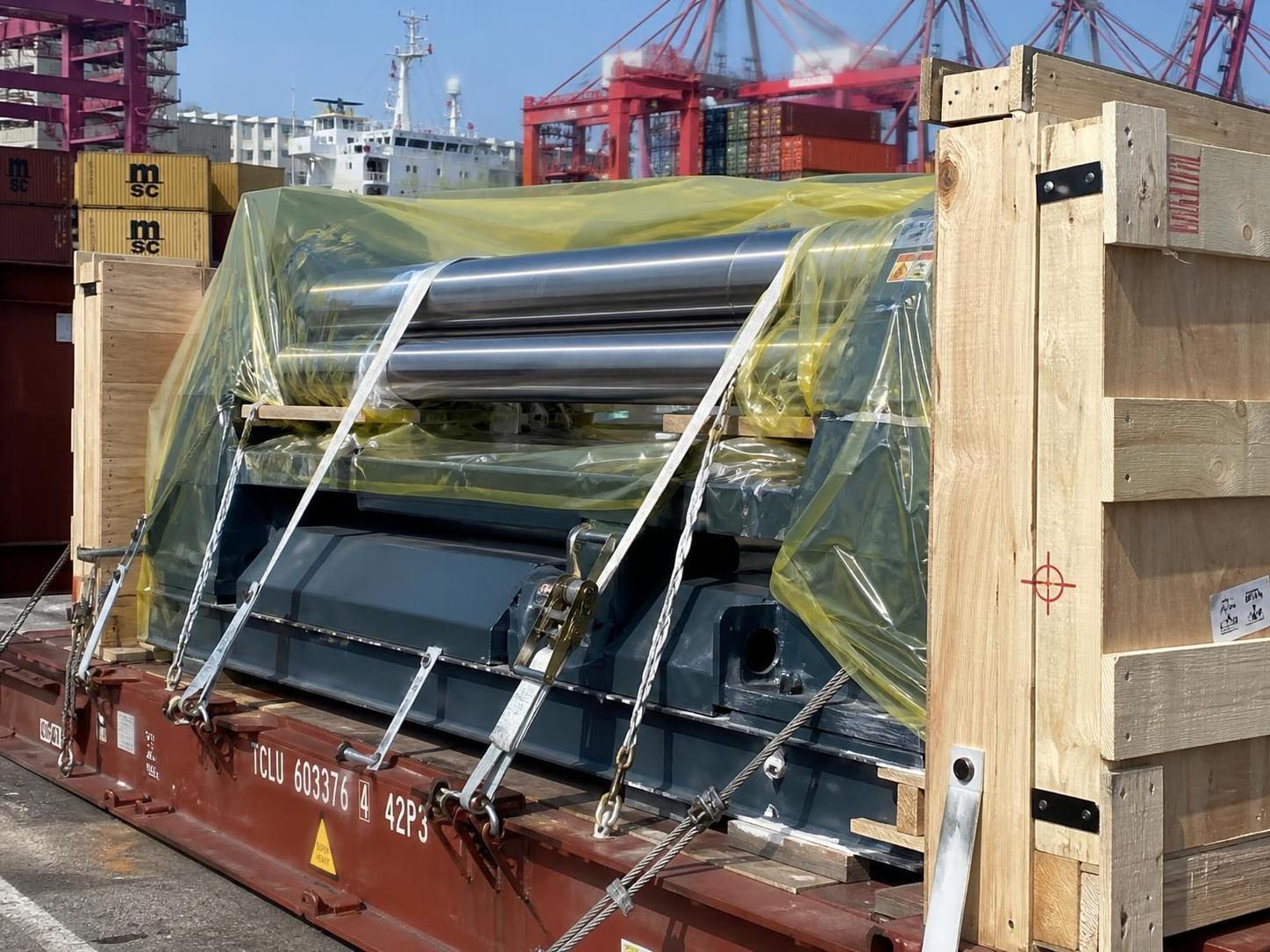
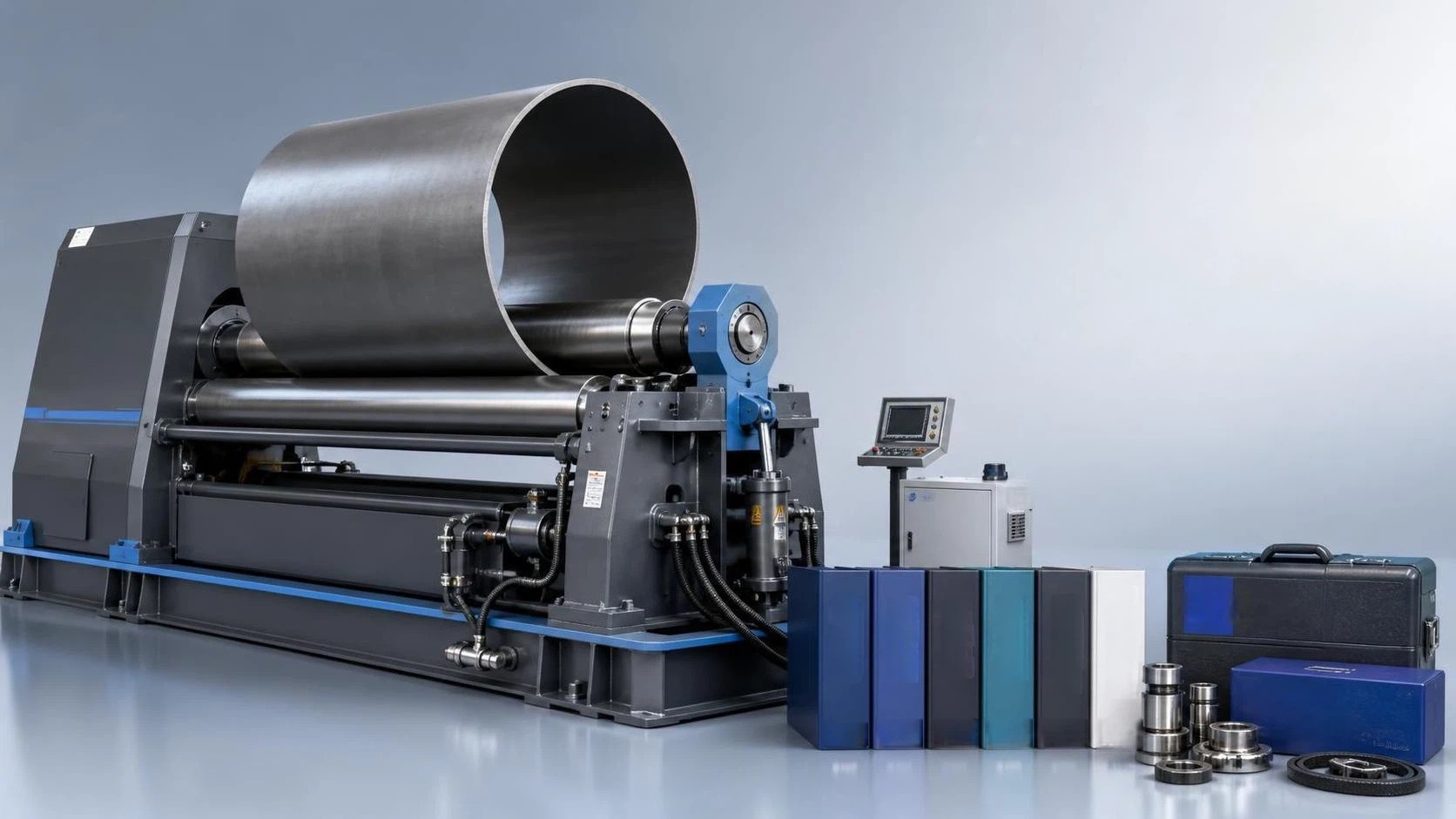
 Typical Shipping Cost for a Rolling Machine From China to Europe
- Common Welding Defects in Automatic Space Frame Systems and How to Fix Them
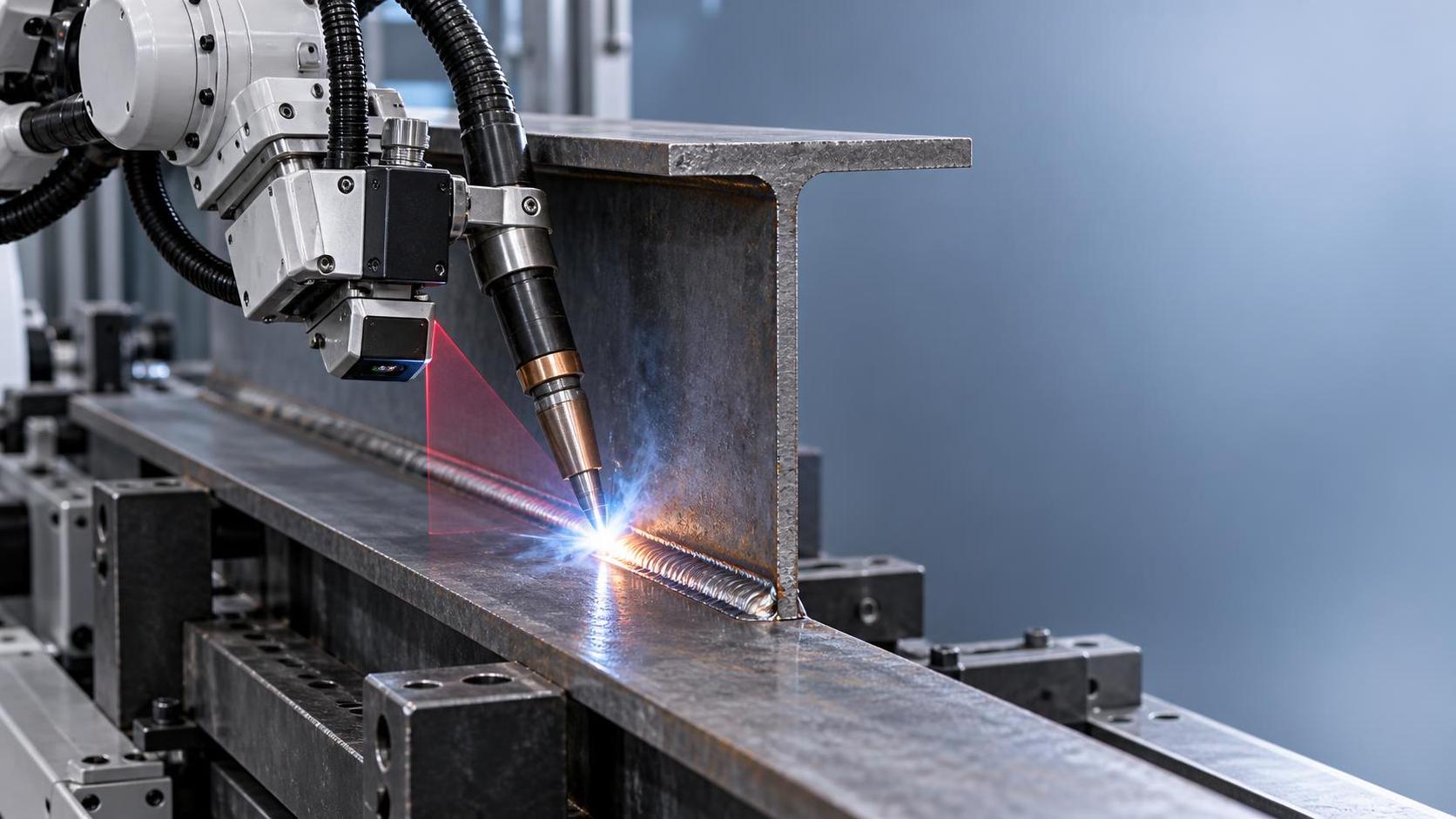
- How welding robot for H beam handles mismatched web-to-flange fit-up tolerances above 1.2mm
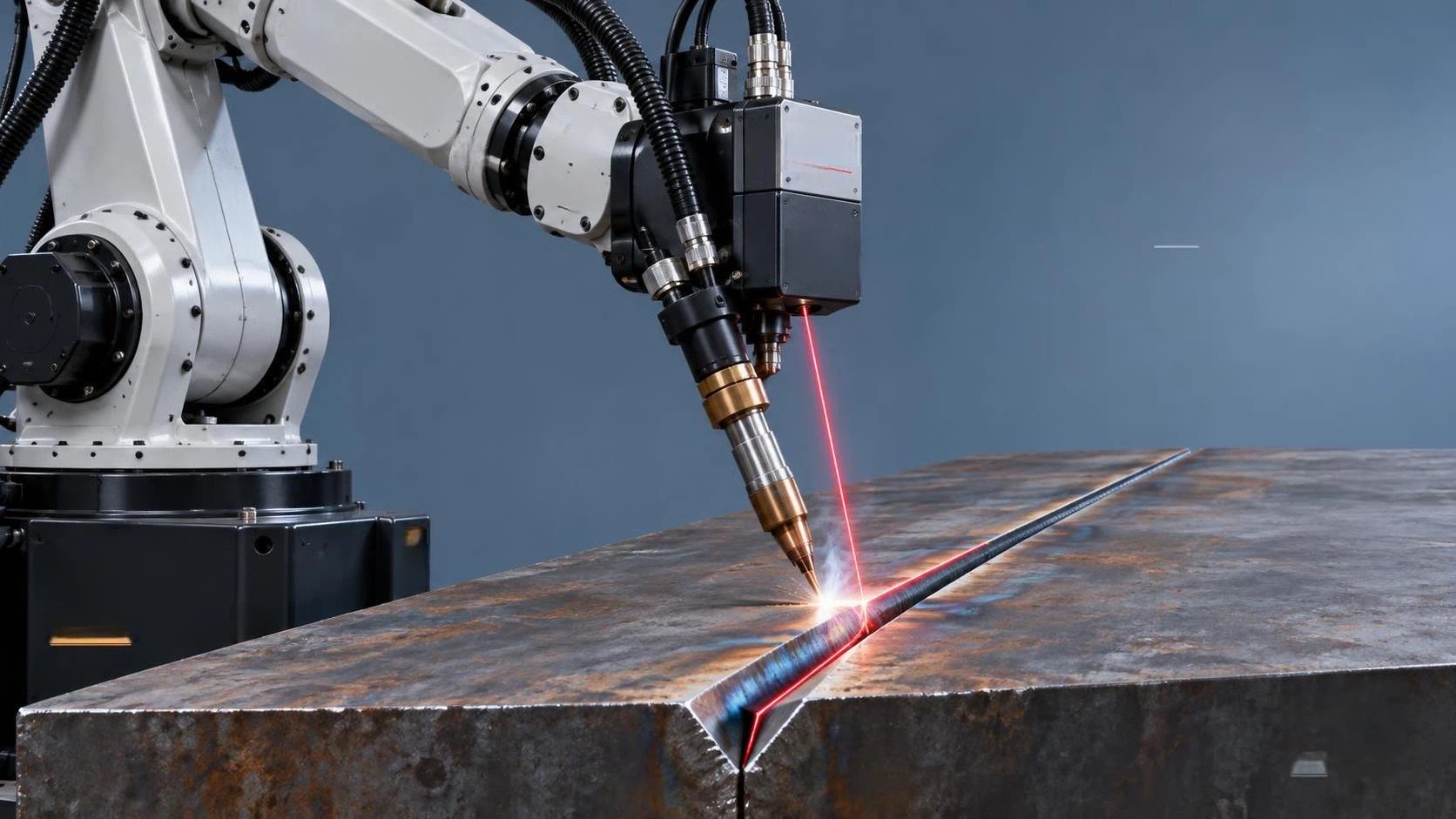
- When does welding robot for long seam welding require laser seam tracking versus vision-based guidance?
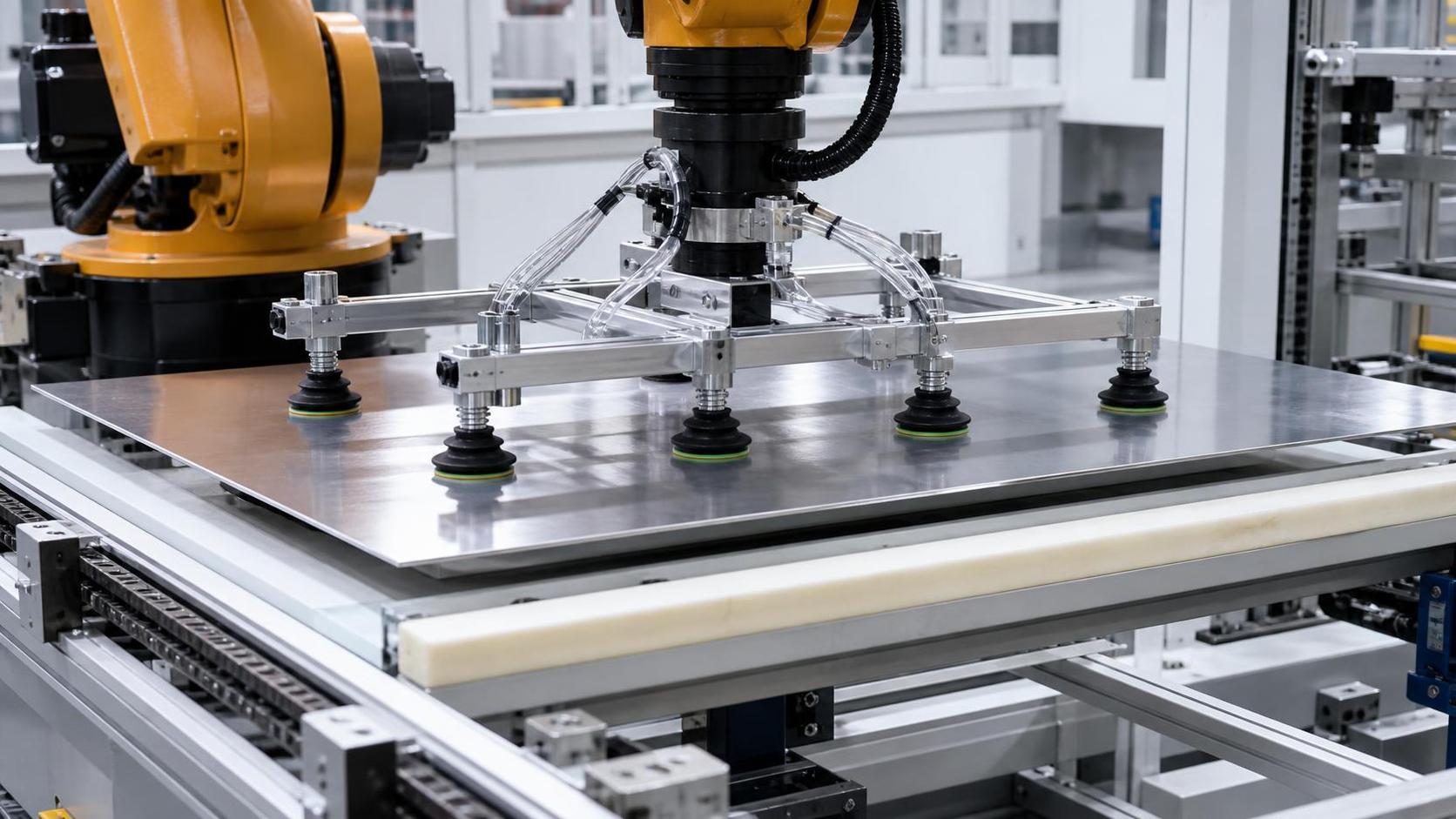
- How can a handling robot arm for steel plates prevent surface damage?
- Is ISO 9001 Certification Enough to Trust a Rolling Machine Manufacturer?
Send Us A Message
Send us a Message
A dedicated person will follow up on your needs one-on-one and provide personalized customized solutions according
to your needs.
Get In Touch
We look forward to hearing from you for in-depth communication on how to fulfill your mixing requirements.