




Typical Shipping Cost for a Rolling Machine From China to Europe
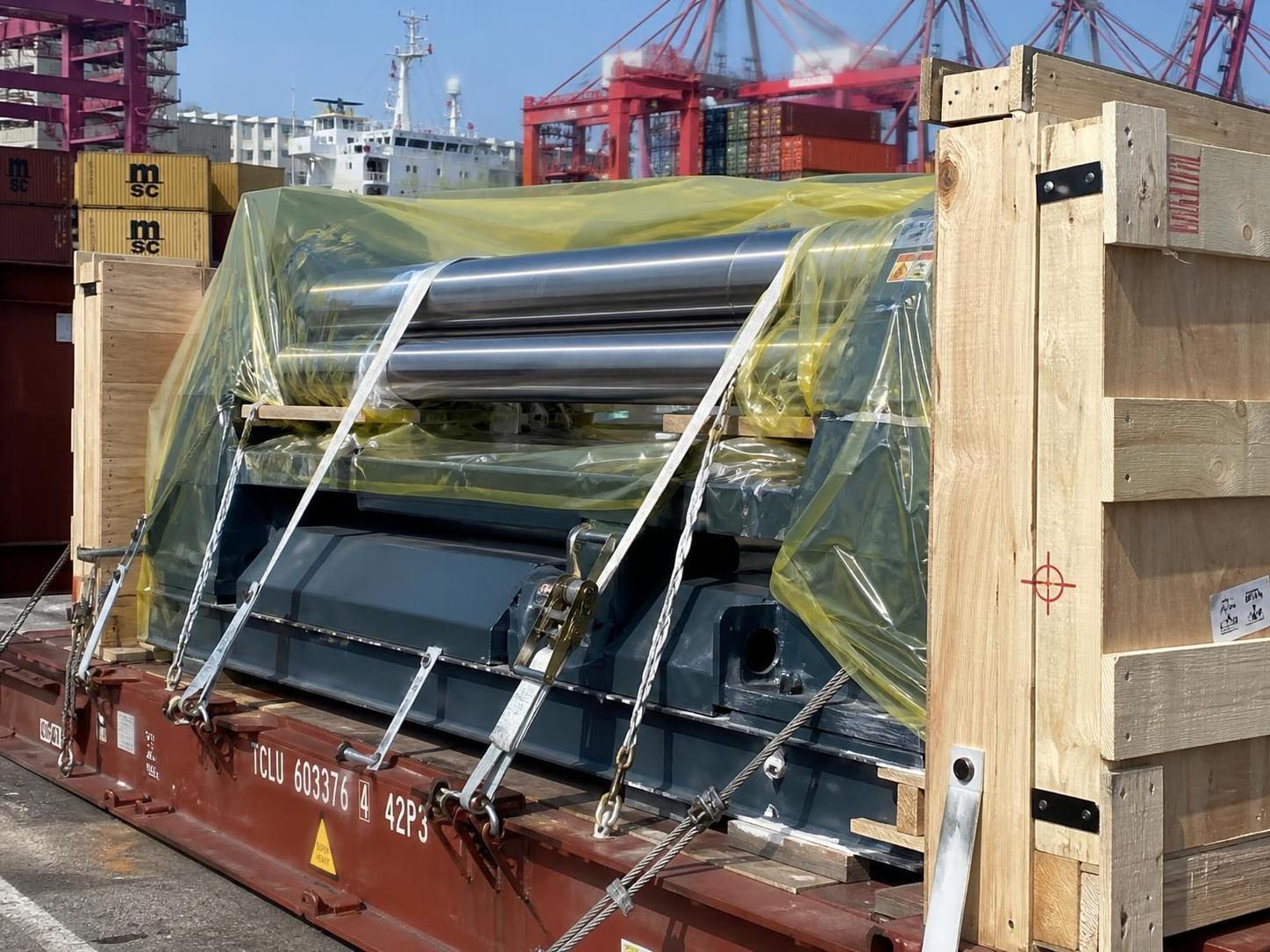
Typical Shipping Cost for a Rolling Machine From China to Europe
How much does shipping a rolling machine from China to Europe typically cost? The short answer is that there is no single number that fits every project. A small plate rolling machine shipped to a major EU port under standard sea freight terms may be manageable in budget, while a heavy-duty machine with oversized dimensions, special packing, inland delivery, and customs-related handling can change the total cost significantly.
For buyers in metalworking, fabrication, and machinery distribution, freight is not just a transport line on a quotation. It affects landed cost, installation timing, customs documentation, insurance exposure, and sometimes even machine selection. A rolling machine that looks competitively priced ex-works can become less attractive once crating, port fees, destination handling, and final delivery are added.
That is why experienced importers usually ask a more useful question: what exactly is included in the shipping cost, and which variables can move it up or down?
What usually shapes the shipping price
A rolling machine is not a standard carton shipment. In many cases, it is heavy, rigid, and not always container-friendly. The biggest pricing factors are machine weight, overall dimensions, packing method, departure port in China, destination port in Europe, and whether the cargo can be loaded into a standard container or needs special handling.
For smaller machines, sea freight often moves under FCL or sometimes LCL if the machine is compact enough and the buyer accepts the added handling risk. For larger plate rolling machines, especially 3-roll or 4-roll units with wider working widths and higher capacity, open top containers, flat racks, or breakbulk solutions may be necessary. Once a machine is classified as oversized or heavy cargo, freight pricing becomes less about a standard tariff and more about route-specific logistics planning.
Air freight is rarely the practical choice for this type of equipment unless the machine is unusually small or the shipment only includes critical spare parts, control units, or accessories. For complete machines, sea freight is usually the default because the cargo weight alone can make air shipment commercially unrealistic.
A realistic way to think about cost ranges
Without fixed machine specifications, it is safer to talk in ranges rather than hard numbers. In practice, buyers normally see the total logistics budget broken into several layers:
- pickup from factory or loading arrangement at origin
- export packing or reinforcement, if needed
- port handling in China
- ocean freight
- marine insurance, if purchased
- destination terminal and handling charges
- customs clearance and import duties or VAT, depending on local rules
- inland transport from the European port to the final site
The freight quote that a buyer receives from a supplier may cover only part of that chain. A CIF quotation, for example, is very different from a DAP or DDP arrangement in terms of what remains on the buyer’s side. This is where confusion often starts. Some purchasers compare two prices that appear similar on paper, but one includes only sea freight to port while the other includes inland delivery and import-side coordination.
So when someone asks, “How much does shipping a rolling machine from China to Europe typically cost?”, the practical answer is usually: enough to justify a line-by-line review before placing the order.
Container shipment or oversized cargo: this changes everything
One of the most important cost triggers is whether the machine fits a standard container. If it does, freight planning is comparatively straightforward. If it does not, the shipment may require flat rack loading, open top loading, or even breakbulk service, all of which can increase cost and coordination effort.
For a compact rolling machine, the logistics team mainly checks lifting points, center of gravity, crate dimensions, and whether the machine can be fixed safely inside the container. For a heavy plate rolling machine with large working width, the questions become more serious: does the machine exceed container height? Will disassembly reduce freight cost? Is the buyer prepared for reassembly at destination? Are special lashing and lifting plans required?
Sometimes paying for partial disassembly at origin saves substantial transport cost. Sometimes it does not, especially if reassembly and alignment on site are complicated. This is a technical decision as much as a logistics one.
Destination in Europe matters more than many buyers expect
Shipping to Rotterdam, Antwerp, Hamburg, Genoa, or a smaller regional terminal does not produce the same result. Major ports usually offer more regular vessel schedules and better heavy cargo handling capacity, but that does not automatically mean lower total landed cost. If the machine ultimately needs to reach an inland workshop or a plant with difficult access, road transport inside Europe can become a major part of the budget.
Buyers sometimes focus on ocean freight and underestimate destination delivery. A machine arriving smoothly at port is only halfway through the job. Narrow factory entrances, unloading equipment limitations, local permit requirements for heavy trucks, and delivery appointment restrictions can all add cost after the vessel arrives.
This is especially relevant for fabrication shops ordering larger rolling equipment as part of a workshop upgrade. If the machine is replacing an existing unit, timing can be just as important as freight price. Delays at the port or a mismatch between delivery truck and site unloading capacity can interrupt installation plans.
Packing is not a minor detail
For machinery exports from China to Europe, proper packing is part of cost control, not just cargo protection. Rolling machines are exposed to vibration, moisture, impact during lifting, and sometimes long dwell times in port areas. A weak packing plan can lead to damage claims, rust, misalignment, or disputes over responsibility.
Export-grade wooden packing, steel reinforcement, anti-rust treatment, waterproof wrapping, and secure base fixing may all be needed depending on machine configuration. If electrical cabinets, rollers, hydraulic units, or control components are packed separately, the packing list and marks need to remain consistent with customs and receiving records.
In machinery trade, the cheapest packing option is often the most expensive decision later.
Customs, CE expectations, and import-side paperwork
Freight cost and import compliance are closely linked. European buyers generally need to confirm not just the shipping route but also the machine documentation required for customs clearance and market entry. Depending on the product scope and local requirements, this may include commercial invoice, packing list, bill of lading, certificate of origin if requested, and technical documentation relevant to CE conformity where applicable.
For machinery suppliers serving overseas markets, familiarity with ISO9001-based production organization and EU CE standards can reduce avoidable friction. Wuxi Samgins International Trade Co., Ltd., based in Wuxi near Shanghai, has long focused on mechanical equipment including plate rolling machines, bending machines, shearing machines, CNC equipment, and related fabrication machinery. For buyers, the practical value of working with an export-oriented supplier is not a slogan; it is the ability to align machine configuration, documentation, packing, and shipment preparation before the cargo reaches the port.
That said, import duty rates, VAT treatment, and customs classification are not points to guess. They should be checked against the actual machine type, declared value, and destination country procedures.
Common budgeting mistakes when importing rolling machines
A frequent mistake is to compare machine prices without aligning Incoterms. Another is to ask for a freight estimate before freezing the final machine dimensions. Even small changes in frame size, roller length, motor arrangement, or skid design can affect whether the cargo remains within standard container limits.
There is also a tendency to ignore secondary costs:
- port storage if documents are delayed
- demurrage or detention on containers
- inspection-related delays
- crane or forklift hire at destination
- installation support after partial disassembly for transport
These items do not appear in every shipment, but when they appear, they rarely stay small.
How buyers can get a more accurate freight estimate
If you want a shipping quotation that is genuinely useful, provide the logistics side with more than the machine model name. The minimum practical information usually includes gross weight, packing dimensions, number of packages, loading port, destination city or port, preferred trade term, and whether on-site unloading equipment is available.
It also helps to ask these questions early:
- Can the machine ship fully assembled, or is partial disassembly recommended?
- Does the quote include export packing and lashing?
- Is marine insurance included or optional?
- Who handles customs clearance at destination?
- Does inland delivery require special vehicles or permits?
For companies purchasing multiple fabrication machines together, combining shipments can sometimes improve freight efficiency, but only if packing, loading sequence, and unloading conditions are planned in advance.
The useful conclusion
Shipping a rolling machine from China to Europe typically costs more than the ocean freight number alone suggests. The real budget depends on machine size, whether it fits container transport, packing level, destination handling, inland delivery, and import-side compliance. For standard machines, the process is usually predictable. For large or customized rolling equipment, cost control comes from early coordination between engineering, packing, freight, and customs planning.
If you are comparing suppliers, ask not only for the machine quotation but also for confirmed packing dimensions, gross weight, applicable shipping method, and document readiness for the European market. That is usually the point where vague estimates turn into a workable landed-cost calculation.
search
Products Navigation
Send Us A Message