




What Training Do Operators Need Before Using a CNC Cutting Machine?
If you are asking what training is needed for operators before using a CNC cutting machine, the short answer is this: they need more than a quick machine demo. A qualified operator should understand safety risks, machine structure, control basics, material behavior, cutting parameters, daily inspection, and what to do when the cut quality starts to drift. That training protects people first, but it also protects production speed, consumable life, and the machine itself.
Many shops make the same mistake at the beginning. They assume a person who has used one CNC machine can immediately run another. In practice, that is rarely enough. A CNC cutting machine may look straightforward from the outside, but poor training often shows up fast through bad edge quality, plate waste, nozzle damage, crashes, or unsafe handling around gas, sparks, smoke, and moving axes.
What training is needed for operators before using a CNC cutting machine?
Before an operator starts independent work, training should cover six core areas: machine safety, machine components and controls, programming and nesting basics, material loading and positioning, cutting parameter adjustment, and routine maintenance with fault recognition. If even one of these areas is skipped, the operator may still be able to start the machine, but that does not mean they are ready to run it properly.
This is where many buyers and production managers need to be realistic. Operating is not the same as pressing start. A trained operator should know what normal looks like, what abnormal sounds like, and when a small issue is likely to become scrap or downtime.
Start with safety, because every other skill depends on it
The first part of training should always be safe operation. That includes emergency stop locations, start-up and shutdown sequence, electrical hazards, hot surface and spark exposure, ventilation requirements, and correct use of personal protective equipment. If the machine uses plasma, flame, or laser-based cutting methods, the exact hazards differ, so the training must match the equipment type.
For example, flame cutting brings fuel gas and oxygen handling into the picture. Plasma cutting adds arc-related risks, fume control, and consumable wear issues. Laser cutting introduces stricter guarding and optical safety rules. The operator does not need to become an engineer on day one, but they do need to know what can cause injury, fire, or major machine damage.
One detail that gets overlooked is material handling safety around the machine. A lot of incidents happen before cutting begins: plate loading, clamp positioning, slat cleaning, and scrap removal. Someone can understand the control panel and still be unsafe around forklifts, lifting devices, sharp edges, and unstable workpieces.
Operators need to understand the machine, not just the buttons
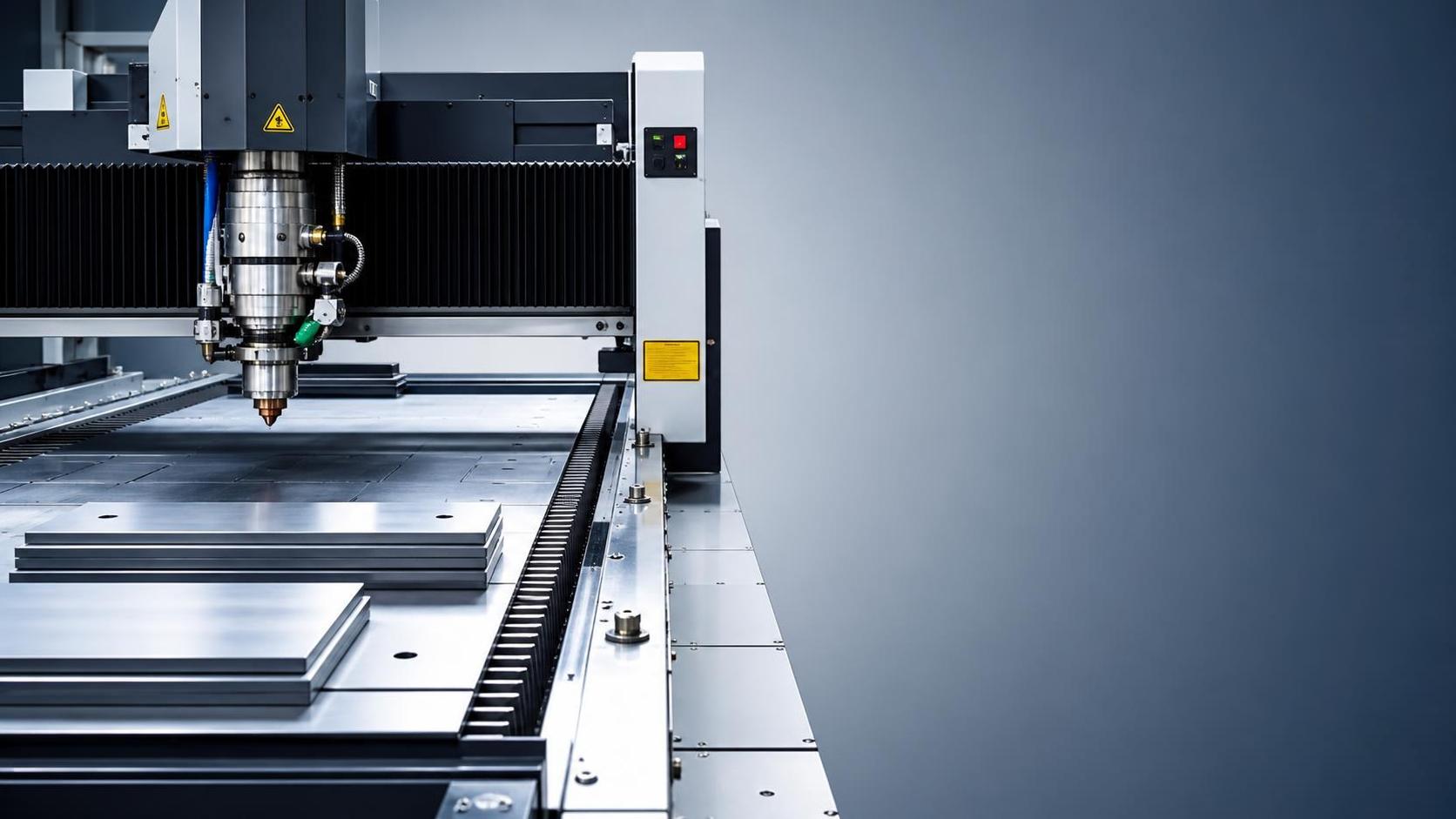
Good training should include a practical walk-through of the machine structure. That means the operator should be able to identify the gantry, rails, drive system, torch or cutting head, height control, gas supply section, control cabinet, worktable, lubrication points, and consumable parts.
Why does this matter? Because operators who understand the machine layout make better decisions during setup and troubleshooting. If torch height behaves erratically, they should know whether to suspect sensor input, a consumable issue, workpiece condition, or a mechanical problem. If they only know screen operations, they tend to stop at the alarm message without understanding the real cause.
This part of training should also cover the CNC interface: file loading, coordinate system basics, manual jogging, home return, dry run, pierce point check, offset adjustment, and job recovery after a pause or interruption. Those are basic shop-floor skills, not advanced programming.
Programming knowledge should be practical, not overly academic
Not every operator needs to write complex programs from scratch. But before using a CNC cutting machine, the operator should understand how the cutting path is created, how nesting affects material utilization, and how incorrect lead-ins, kerf compensation, or cut sequence can spoil the job.
In many real workshops, the programming may be done by a separate technician. Even so, the machine operator still needs enough knowledge to review a program sensibly. They should be able to catch obvious problems such as wrong plate size, unreasonable start point location, excessive pierce count, or a cut path likely to tip small parts and create collisions.
A simple but useful training target is this: the operator should be able to open the job file, confirm material type and thickness, verify the zero position, simulate or dry run the toolpath, and recognize whether the cut order is logical.
Material knowledge matters more than many new operators expect
Machines cut, but materials react. That is why operator training should include the basic behavior of common materials being processed in the shop. Mild steel, stainless steel, and aluminum do not respond in the same way. Plate thickness, surface condition, rust, scale, flatness, and even residual oil can affect cutting quality.
New operators often assume that if the machine parameters are stored in the system, the result will always be stable. That is not how production works. Stored parameters are a starting point. Real conditions still need judgment.
For instance, warped plate can affect height control. Rusted material can influence arc stability or cut consistency. Thin sheet may deform if the cut sequence is poorly planned. A trained operator does not just blame the machine when edge quality drops. They check the material condition too.
Parameter setting is where training turns into production value
This is the part that separates a basic machine user from a dependable operator. Training should cover the main cutting variables relevant to the machine type: cutting speed, pierce height, cutting height, gas pressure, current or flame condition, nozzle or tip selection, and stand-off control.
The operator should not only memorize parameter values. They should understand the effect of changing them. If cutting speed is too high, the cut may not fully penetrate. If it is too low, dross increases and edge quality drops. Incorrect gas settings can create unstable cuts. Worn consumables can produce poor kerf quality even when the program is correct.
One of the best training methods is to let operators compare actual cut samples. Seeing the difference between a clean edge, a lagging cut, excess dross, top-edge rounding, or pierce splash gives them a reference that manuals alone cannot provide.
Inspection training should come before full production release
Operators should be trained to inspect their own work at the machine. That includes checking dimensions, hole quality, edge condition, bevel or perpendicularity where relevant, part distortion, and marking clarity if the machine includes marking functions.
This is not about turning operators into full-time quality inspectors. It is about preventing a full batch of bad parts. A workshop loses money when problems are found only after downstream fitting, welding, or assembly.
At minimum, the operator should know when to stop and ask for review. That threshold matters. An operator who keeps cutting while hoping the quality issue will disappear usually creates more scrap, not less.
Daily maintenance training is not optional
A CNC cutting machine lasts longer and performs more consistently when operators handle routine maintenance correctly. Training should cover daily cleaning, slat and table condition checks, consumable replacement, cable and hose inspection, lubrication according to the machine requirement, gas line observation, and basic calibration or verification tasks that the manufacturer recommends.
Here, a common misunderstanding is that maintenance belongs only to the service team. That is too narrow. Preventive care starts with the operator. They are the first person in position to notice unusual vibration, irregular motion, poor ignition, torch collision marks, or signs of contamination in the working area.
What they should not do is equally important. Operators should know which adjustments are within their responsibility and which ones require a technician or the machine supplier. Untrained intervention inside electrical systems, servo settings, or control parameters can create more serious faults.
How much training is enough before someone works alone?
There is no universal number of training hours that fits every shop, because machine type, automation level, material range, and production complexity all vary. Still, the practical benchmark is clear: the operator should not work independently until they can complete a full cycle safely and consistently.
That full cycle includes pre-start inspection, correct loading and positioning, program confirmation, trial run, parameter check, monitored cutting, in-process quality judgment, shutdown, and routine cleaning. If they still need help at several points in that sequence, training is not finished yet.
A useful way to structure this is in stages:
- Stage 1: safety and machine familiarization
- Stage 2: supervised operation on simple jobs
- Stage 3: parameter adjustment and quality recognition
- Stage 4: independent operation with periodic review
This staged approach is usually more effective than one-time classroom instruction followed by immediate full responsibility.
Common training gaps that cause trouble later
In actual production, a few gaps show up again and again.
- Operators can run stored programs but cannot judge cut quality.
- They know how to replace consumables but not when replacement is necessary.
- They understand screen commands but not safe restart after interruption.
- They rely on default parameters even when material condition has changed.
- They treat maintenance as housekeeping rather than performance control.
These are not minor weaknesses. They are the reasons many shops see unstable output even when they have invested in a capable machine.
What buyers and workshop managers should ask machine suppliers
If you are purchasing equipment, operator training should be part of the discussion before installation, not after. Ask what on-site or remote training is included, whether the training covers both operation and maintenance, what documents are provided, and whether the content is adapted to your machine configuration.
This is especially relevant when the machine is part of a broader fabrication line. Companies such as Wuxi Samgins International Trade Co.,Ltd, which supply CNC cutting machines along with welding equipment, milling machines, lathes, H-beam line equipment, and other metalworking systems, are often in a better position to understand how upstream and downstream processes affect operator training needs. That matters when your goal is not just to cut plate, but to fit the machine into a real production workflow.
It is also reasonable to confirm whether the equipment is organized and designed in line with recognized quality and compliance frameworks, because operator training is more effective when manuals, safety instructions, and machine logic are documented clearly.
A simple standard for deciding if training has worked
The best test is not whether the operator remembers terminology. It is whether they can produce acceptable parts safely, repeatably, and without constant intervention. A trained operator should know how to prepare the machine, recognize a bad cut early, protect consumable life, and avoid preventable downtime.
So, what training is needed for operators before using a CNC cutting machine? Enough training to make safe operation, stable quality, and basic machine care part of normal work from the first real job onward. Anything less usually becomes expensive later.
FAQ
Can an experienced metalworker use a CNC cutting machine without formal training?
Usually not. Metalworking experience helps, but each CNC cutting machine has its own control logic, safety points, consumables, and process settings. Experience reduces the learning curve, but it does not replace training.
Do operators need programming skills?
They need basic practical understanding, even if a separate programmer prepares the files. An operator should be able to verify the job, review the cut path, and spot obvious setup errors before cutting starts.
How long does CNC cutting machine operator training take?
It depends on the machine type and job complexity. Simple supervised operation can be learned fairly quickly, but independent production work usually takes longer because safety judgment, quality recognition, and troubleshooting need hands-on practice.
Is maintenance training really necessary for operators?
Yes. Operators do not need to perform every repair, but they should handle daily checks, cleaning, consumable monitoring, and early fault recognition. That is part of reliable operation.
What is the biggest mistake in new operator training?
Focusing only on machine start-up and basic cutting, while skipping quality judgment and abnormal condition handling. That gap often leads to scrap, downtime, and unsafe habits.
Internal Link Anchor Text Suggestions
- Anchor text: CNC cutting machine maintenance checklist - suggested page type/topic: maintenance guide
- Anchor text: how to choose a CNC plasma cutting machine - suggested page type/topic: buying guide
- Anchor text: common CNC cutting defects and solutions - suggested page type/topic: troubleshooting article
- Anchor text: laser cutting vs plasma cutting for metal fabrication - suggested page type/topic: comparison page
- Anchor text: H-beam production line equipment overview - suggested page type/topic: product category or solution page
External Authority Source Suggestions
- Occupational safety regulator guidance on machine operation, ventilation, and operator protection
- CNC cutting machine brand official technical manuals and maintenance documentation
- Industry association resources on thermal cutting practices, operator safety, and fabrication quality standards
search
Products Navigation
Send Us A Message