




How to Choose a CE-Certified Fiber Laser Cutting Machine Supplier
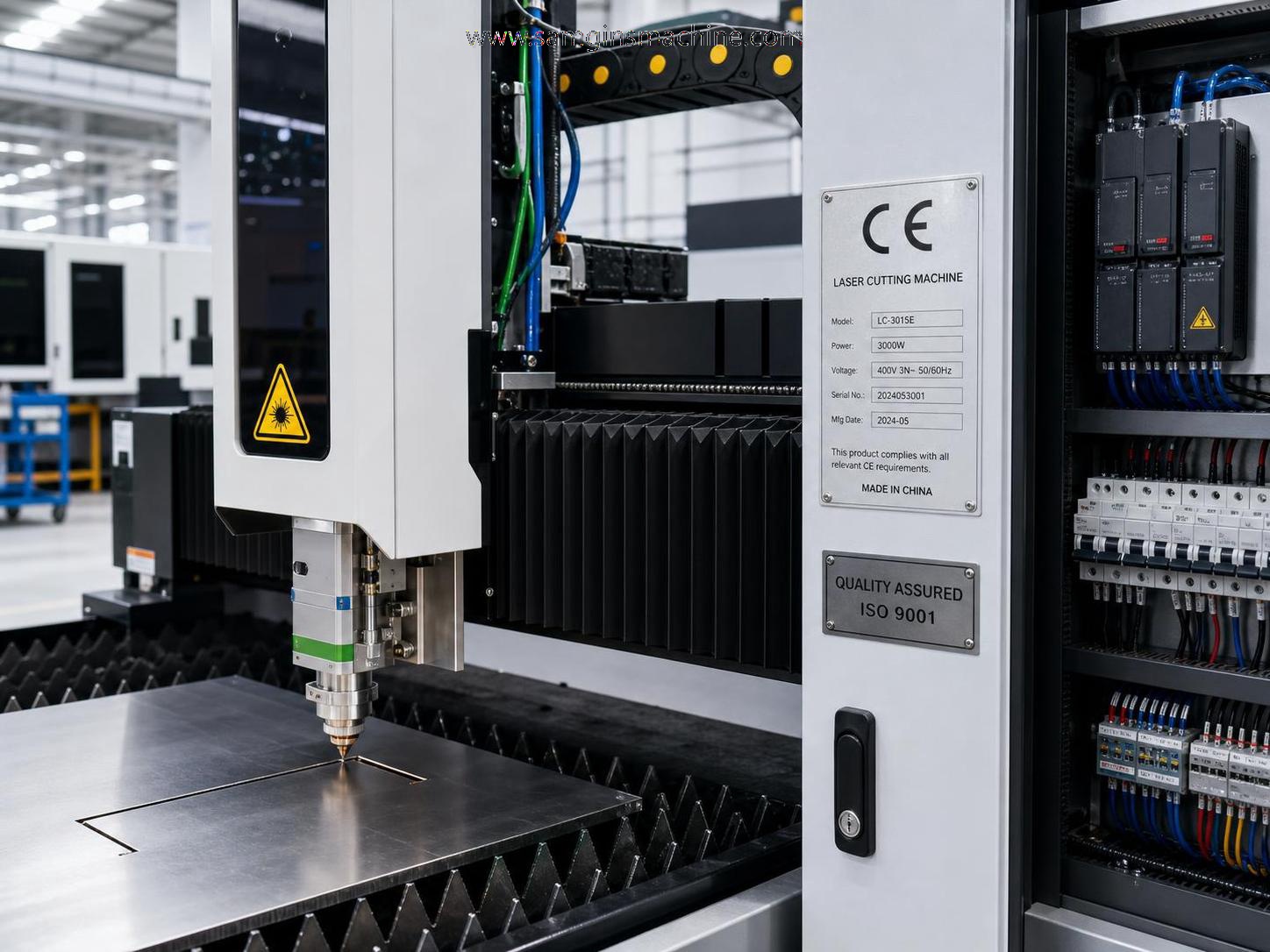
Choosing a fiber laser cutting machine CE certified supplier is not just about finding a machine with a compliance mark. For most buyers, the real goal is to reduce operational risk, secure consistent cutting performance, and avoid costly problems after installation. A qualified supplier should combine valid CE compliance, stable manufacturing quality, responsive service, and enough export experience to support your production over the long term.
For manufacturers, fabricators, and equipment purchasers, the best supplier is usually not the one with the lowest quotation. It is the one that can prove machine safety, explain technical specifications clearly, deliver reliable parts and training, and match the machine configuration to your actual workload. This guide explains how to evaluate a fiber laser cutting machine CE certified supplier in a practical way.
What Buyers Really Need From a CE-Certified Supplier
When someone searches for a fiber laser cutting machine CE certified supplier, they are usually trying to make a safe purchasing decision. They want confidence that the machine can enter their market legally, operate reliably, and support production targets without hidden compliance or maintenance risks.
In most cases, the buyer is comparing several overseas suppliers that appear similar on paper. The challenge is that brochures often look strong, while the actual difference lies in manufacturing discipline, component selection, documentation quality, and post-sale responsiveness. That is why supplier evaluation must go beyond price and standard marketing claims.
For business owners and procurement managers, the main concerns are straightforward. Will the machine pass local import or customer audit requirements? Will it cut the required material thickness accurately and efficiently? Can the supplier provide parts, service, and technical help when production is under pressure? These are the questions that matter most.
Why CE Certification Matters Beyond Basic Compliance
CE certification is often treated as a simple sales label, but serious buyers should view it as part of a wider risk-control process. A CE-compliant fiber laser cutting machine is expected to meet relevant European safety and technical requirements, including electrical safety, machinery design, and operator protection.
However, not all CE claims carry the same value. Some suppliers only place a CE mark on the machine without offering complete technical documentation, risk assessment records, wiring standards, or clear declarations of conformity. That creates unnecessary exposure for importers, distributors, and end users.
A dependable supplier should be able to explain which directives and standards the machine follows, provide a Declaration of Conformity, and show supporting technical documents when needed. This is especially important for buyers serving Europe or multinational customers that require strict compliance records during procurement or plant audits.
In practical terms, CE matters because it often reflects how carefully the machine is designed and assembled. Suppliers that take compliance seriously usually also pay closer attention to enclosure safety, emergency systems, cable management, labeling, and machine stability. Those details directly affect daily operation and operator confidence.
How to Verify Whether a Supplier’s CE Claim Is Genuine
One of the most common mistakes buyers make is accepting CE status at face value. A professional purchasing process should include document verification before any deposit is paid. Ask the supplier for the CE Declaration of Conformity, machine model information, electrical drawings, and user manual.
Check whether the documents are complete, consistent, and specific to the machine you plan to buy. Generic certificates with vague model descriptions or mismatched company names are warning signs. A serious supplier should have no difficulty explaining which machine version the certification covers and how the file was prepared.
You should also confirm whether the electrical components, laser source, cutting head, and safety enclosure align with the supplied documentation. If the machine shown in videos or quotations differs significantly from the documented configuration, ask for clarification immediately. Consistency is a good indicator of real factory control.
For buyers importing into regulated markets, it is wise to ask whether the supplier has previous shipments to Europe or other compliance-sensitive regions. Export history does not replace certification review, but it does help show whether the supplier understands paperwork, packaging, and technical expectations in demanding markets.
What Technical Capabilities Separate Strong Suppliers From Weak Ones
Once certification is confirmed, the next issue is machine capability. A fiber laser cutting machine CE certified supplier should be able to recommend the right configuration based on your materials, thickness range, production volume, and precision requirements. If the supplier only pushes high power without understanding your application, that is a concern.
Strong suppliers usually ask clear technical questions before quoting. They want to know whether you cut carbon steel, stainless steel, aluminum, brass, or mixed materials. They ask about maximum sheet size, daily output, edge quality expectations, gas availability, and whether automation such as loading systems will be required later.
This matters because machine value depends on system matching, not isolated power rating. The right combination of laser source, cutting head, control system, servo motors, guide rails, and bed structure will affect speed, accuracy, kerf quality, consumable life, and maintenance cost. Good suppliers explain those tradeoffs instead of hiding behind specification tables.
You should also evaluate whether the supplier offers the machine categories your operation may need in the future. A company with broader manufacturing and equipment experience often understands production workflows better and can support related needs such as welding, bending, deburring, pipe processing, or automated handling integration.
Why Manufacturing Strength and Quality Control Matter So Much
A supplier may present itself well online, but real long-term value depends on production discipline. For laser cutting machines, structural stability, assembly accuracy, and inspection standards influence performance just as much as the branded core components. Even an excellent laser source cannot compensate for a weak machine frame or poor alignment.
Buyers should ask about the supplier’s production process, inspection routines, and quality management system. A company that organizes production according to ISO9001 principles and follows documented procedures is generally better positioned to maintain consistency across machine batches. This becomes especially important when you plan repeat purchases.
Look for evidence of practical quality control, not just certificates on a wall. Ask whether the machine bed is stress-relieved, how guide rail alignment is checked, how electrical cabinets are tested, and whether trial cutting is performed before shipment. These operational details reveal whether the supplier manages quality systematically.
Factory photos and videos are useful, but a live video inspection is better. If possible, request a remote walkthrough showing assembly areas, stock of spare parts, electrical installation practices, and finished machines under testing. This helps distinguish a real manufacturer or organized exporter from a trading company with limited technical depth.
How After-Sales Support Affects the True Cost of Ownership
The purchase price of a fiber laser cutting machine is only part of the investment. Downtime, operator errors, delayed spare parts, and weak technical support can quickly make a lower-cost machine more expensive than a better-supported alternative. That is why after-sales capacity should be part of supplier selection from the beginning.
Ask how installation support is handled, whether remote commissioning is available, and how quickly engineers respond to troubleshooting requests. Buyers should also confirm training scope, software guidance, maintenance instructions, and spare parts availability for wear items and key electrical components.
A reliable supplier should be clear about service boundaries. They should explain warranty terms, response time expectations, and which problems can be solved remotely versus on-site. Vague statements such as “lifetime service” are less useful than a specific support process with named channels and technical documentation.
For many factories, especially those outside the supplier’s country, export-oriented service experience is a major advantage. Suppliers that regularly serve Southeast Asia, Europe, the Americas, and Oceania usually understand time-zone coordination, remote diagnosis, packing protection, and the practical urgency of keeping customer production lines running.
Questions You Should Ask Before Comparing Quotes
Many buyers compare quotations too early, before defining what they are actually buying. To evaluate suppliers accurately, ask each one to quote against the same application conditions. That means the same material types, thickness range, table size, power level, auxiliary equipment, and delivery scope.
Then ask focused questions that reveal commercial and technical substance. Which brand and model are used for the laser source, cutting head, servo system, chiller, and control unit? What safety enclosure is included? What software license is provided? Which consumables and spare parts ship with the machine?
You should also ask for sample cutting videos using material close to your own workload. Request edge quality photos, piercing performance examples, and tolerance references where relevant. Suppliers that are confident in their equipment usually respond with concrete data rather than generic promises.
Commercial questions matter as well. Clarify delivery time, packaging method, installation support, payment terms, and document package. A quote that looks lower at first may exclude important items such as voltage adaptation, training, software, or replacement consumables. Full landed value is what matters, not headline price alone.
Red Flags That Suggest a Supplier May Not Be Reliable
Several warning signs should make buyers slow down. The first is inconsistent documentation, especially when certification files, product photos, and quotation details do not match. Another is a supplier who cannot explain key technical differences between machine configurations and only repeats marketing language.
Be cautious if the company avoids factory verification, provides poor-quality manuals, or gives unclear answers about service and spare parts. These gaps often lead to bigger problems later, especially during installation or warranty claims. Strong suppliers do not need perfect sales language, but they do need operational clarity.
Another concern is unrealistic pricing. If one offer is dramatically lower than comparable quotations, it may involve downgraded components, weak machine structure, missing safety features, or limited support after delivery. Low initial cost often becomes high lifecycle cost in industrial equipment purchasing.
Finally, pay attention to communication quality. A supplier that answers carefully, understands your production goals, and follows up with accurate documents is usually easier to work with over the long term. In industrial trade, responsiveness and precision in communication often reflect internal management quality.
What a Qualified Global Supplier Should Be Able to Offer
A capable supplier in the manufacturing and processing machinery sector should combine product range, technical understanding, and export execution. That means not only supplying laser cutting machines, but also understanding how they fit into wider fabrication workflows such as welding, milling, bending, deburring, and structural steel processing.
Companies with broad equipment experience can often help buyers plan future expansion more effectively. They understand how upstream and downstream processes connect, how material handling affects productivity, and how machine selection influences labor efficiency and finished-part quality. That perspective is valuable for growing manufacturers.
Suppliers with established export business also bring practical benefits. They are more familiar with packing standards, shipping coordination, customs documents, voltage and safety expectations, and communication with overseas technical teams. This reduces friction for buyers who need equipment to arrive ready for organized installation and commissioning.
When a supplier also emphasizes honest service, documented quality systems, and compliance with EU CE standards, buyers gain a stronger basis for trust. Those qualities do not replace technical review, but they do suggest a business culture that takes reliability and customer responsibility seriously.
How to Make the Final Decision With Confidence
To choose the right fiber laser cutting machine CE certified supplier, create a decision framework that balances compliance, machine fit, manufacturing quality, support strength, and total cost. Do not let one factor dominate the whole decision, especially not the initial quotation alone.
Start by eliminating suppliers with weak or unclear CE documentation. Then compare the remaining candidates on application matching, component transparency, quality control process, training plan, and export service capability. This method usually leads to a more stable purchase outcome than simple price comparison.
If two suppliers appear similar, the deciding factor should often be support reliability and technical honesty. A machine is a long-term production asset, not a one-time commodity purchase. The supplier you choose will influence productivity, maintenance pressure, and operating confidence for years.
In the end, the best supplier is the one that can prove compliance, demonstrate manufacturing discipline, understand your real production needs, and support you after the machine is delivered. That is the foundation of a sound investment in laser cutting capacity.
Conclusion
Choosing a fiber laser cutting machine CE certified supplier requires more than checking a certificate or comparing prices. Buyers need to verify genuine compliance, assess technical suitability, review manufacturing strength, and confirm dependable after-sales support. These factors determine whether the machine will create value or become a recurring problem.
For manufacturers seeking safe, precise, and cost-effective equipment, the right supplier is one that combines CE-conscious production, quality control, practical export experience, and honest technical communication. When you evaluate suppliers through that lens, you are far more likely to make a purchase that supports stable production and long-term business growth.
search
Products Navigation
Send Us A Message