




Hydraulic CNC Guillotine Shear: What to Check Before Cutting Thick Sheet Metal?
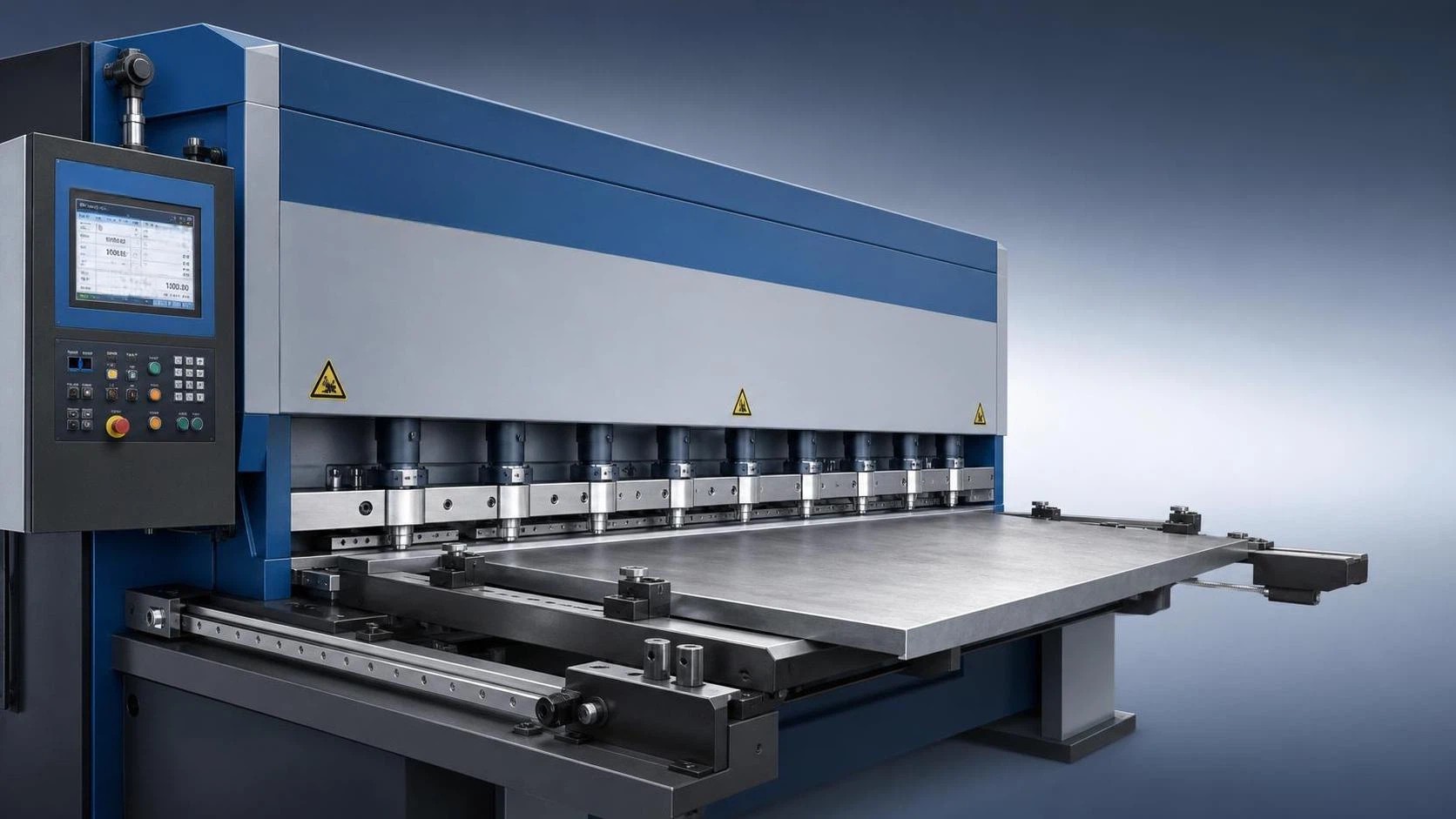
Before cutting thick sheet metal, operators usually want one clear answer: is the machine truly ready for a heavy cut, or will this job create poor edges, blade damage, or a safety risk? With a hydraulic cnc guillotine shear, thick plate cutting is not only about tonnage. It depends on blade condition, clearance setting, hydraulic stability, backgauge accuracy, material support, and whether the sheet itself matches the machine’s real cutting capacity.
If any one of these points is ignored, thick material can cause burrs, twisting, overload alarms, inconsistent dimensions, or premature wear. A disciplined pre-cut inspection helps operators prevent those problems before production starts. It also improves repeatability, which matters when thick sheets are expensive and rework is difficult.
The most practical way to prepare is to check the machine in the same order that cutting force builds during operation. Start with the sheet specification, then confirm blade condition, clearance, hold-down pressure, hydraulic behavior, and gauge positioning. When each checkpoint is verified, the hydraulic cnc guillotine shear can deliver safer and more stable performance.
Why Thick Sheet Cutting Requires More Than a Basic Start-Up Check
Thin sheet can sometimes tolerate minor setup errors, but thick sheet usually cannot. As plate thickness increases, cutting force rises sharply, and any weakness in setup becomes visible in the final edge or in the machine’s running condition.
Operators often notice the first warning signs as excessive burrs, edge rollover, sheet movement, unusual hydraulic noise, or blade marks. These symptoms do not happen randomly. They usually indicate that one or more preparation steps were skipped or adjusted by habit instead of by specification.
That is why pre-cut inspection should be treated as part of production quality, not as extra caution. A few minutes spent checking settings can prevent damaged blades, out-of-tolerance parts, and unplanned downtime during a batch run.
First Check the Actual Material, Not Just the Job Card
Before touching the control panel, verify the real material in front of the machine. Operators should confirm thickness, plate width, material grade, surface condition, and whether the sheet is flat enough to sit properly against the table and backgauge.
Thickness matters because machine capacity is usually rated under specific conditions, often for mild steel with a defined tensile strength. If the material is stainless steel or a higher-strength alloy, the effective cutting load may be much greater than the same nominal thickness suggests.
Surface condition also affects cutting quality. Rust scale, weld spatter, oil contamination, and plate deformation can interfere with hold-down pressure and positioning. If the sheet does not sit steadily, even a correctly adjusted machine may produce inaccurate cuts.
For thick workpieces, operators should also check whether the sheet size creates handling issues. A heavy plate that is poorly supported can tilt during feeding, pull away from the gauge, or stress the operator’s body position during alignment.
Confirm the Machine’s Real Cutting Capacity Before Loading the Plate
A nameplate capacity is not a universal promise. Operators need to compare the machine rating with the actual material type, thickness, and cutting length. A hydraulic cnc guillotine shear may handle one thickness in carbon steel but require a reduced limit for stainless steel or full-length cuts.
It is also important to consider duty cycle. A machine that can complete one heavy cut may not be suitable for repeated continuous cutting at the same maximum load. Heat buildup in the hydraulic system and wear on the blades can become significant during long production runs.
If the job is close to the upper limit, a short trial cut is a better decision than moving directly into batch production. A test piece allows the operator to evaluate burr level, cut squareness, hydraulic response, and whether the plate remains stable under hold-down force.
When the process requires edge preparation after cutting, some shops combine shearing with milling for weld-ready bevels. In these cases, a dedicated solution such as Through CNC Milling machine can improve downstream efficiency for welding preparation, especially on carbon steel, stainless steel, and aluminum plates.
Inspect Blade Condition Before You Trust the Next Cut
Blade condition is one of the most important factors in thick plate cutting. A dull or chipped blade increases cutting resistance and degrades edge quality. It can also create uneven loading across the cutting length, which is especially risky when processing heavier material.
Operators should check for rounding, nicks, localized wear, and whether the blade edge is still uniform from one side to the other. If one area of the blade is more worn, the machine may cut unevenly even when other settings appear correct.
Blade mounting should be checked as well. Loose fasteners, dirt under the blade seat, or improper blade alignment can affect the cutting angle and create vibration. Thick plate cutting amplifies these errors more than thin sheet work does.
If the blade has multiple usable edges, rotate or replace it according to the maintenance plan rather than waiting for severe deterioration. Running a worn blade to save time usually costs more later through poor parts, extra deburring, or damage to related components.
Set Blade Clearance According to Thickness and Material Strength
Incorrect blade clearance is one of the most common causes of poor results on thick sheet metal. If the clearance is too small, the load on the blade and hydraulic system rises sharply. If it is too large, burrs increase and the cut edge may tear instead of shearing cleanly.
Operators should follow the machine manufacturer’s guideline for the specific material and thickness. Clearance should not be set by memory alone, especially when switching between carbon steel, stainless steel, or aluminum.
In practical terms, the right clearance helps balance edge quality and blade life. A properly adjusted hydraulic cnc guillotine shear will show smoother penetration, lower shock, and more consistent cut surfaces across the full plate width.
After adjustment, it is wise to run one sample cut and inspect the fracture zone, burr height, and sheet straightness. These results provide direct feedback on whether the clearance suits the job or still needs refinement.
Check Hold-Down Performance and Sheet Positioning Stability
On thick sheet, strong cutting force can shift the material if hold-down cylinders are not working evenly. Before production, operators should confirm that the hold-down devices engage smoothly and apply stable pressure along the working area.
If one section presses less than another, the plate may lift slightly during cutting. That movement often leads to angle deviation, edge deformation, or visible marks caused by unstable contact between the sheet and the machine table.
Material support is equally important. Large or heavy sheets should be supported so that the operator does not need to fight gravity while trying to maintain gauge contact. Unsupported weight can pull the sheet out of position before or during the cut.
For repeat jobs, simple habits make a difference: keep the table clean, remove scrap pieces immediately, and verify that the sheet sits flat against the locating surfaces. Stable positioning is the basis for accurate cutting, especially when dimensions are tight.
Watch the Hydraulic System for Pressure Stability and Abnormal Behavior
The hydraulic system provides the force that makes the machine reliable on heavy material, so any instability here should be taken seriously. Before cutting, operators should check hydraulic oil level, visible leaks, hose condition, and whether the machine builds pressure smoothly.
Abnormal noise, delayed response, sudden pressure fluctuation, or inconsistent ram movement are warning signs. These symptoms may indicate air in the system, oil contamination, worn seals, valve problems, or pump wear.
Thick sheet jobs place higher demand on the system than ordinary cuts. A problem that seems minor during light work can become a major issue under full load. That is why operators should never ignore changes in sound, speed, or pressure behavior.
If the machine has pressure display or diagnostic information, compare the observed values with normal operating patterns. Stable readings do not guarantee perfection, but they provide a useful reference before the machine enters a demanding batch.
Verify Backgauge Accuracy and Squareness Before Running a Batch
Many cutting errors blamed on the blade are actually caused by positioning problems. Before cutting thick sheets, operators should confirm that the backgauge moves correctly, reaches the programmed value, and remains square to the blade line.
Even a small positioning error becomes costly when cutting expensive thick plate. If multiple parts are produced with the same incorrect setting, the material loss can be significant, and rework is often limited or impossible.
A quick manual verification with a measuring tool is usually worth the time, especially after setup changes, maintenance work, or a collision. Operators should also check whether the sheet contacts the gauge evenly rather than touching only one side.
For jobs that require consistent preparation before beveling or welding, dimensional stability at the shearing stage matters. Shops handling follow-up edge work may pair the shear with processes like high-speed beveling to reduce manual grinding and improve preparation accuracy.
Run a Trial Cut and Inspect the Edge Like a Quality Check, Not a Formality
A trial cut is the best way to confirm whether the machine, tooling, and settings are working together correctly. For thick material, this step should not be skipped simply because the setup looks familiar.
After the sample cut, inspect the edge carefully. Look at burr height, rollover, fracture surface consistency, straightness, squareness, and whether the part dimensions match the requirement. Also check whether the sheet shows twist or surface marking from unstable clamping.
The operator should connect visible edge results to machine conditions. Heavy burrs may suggest excessive clearance, poor blade condition, or unsuitable material support. A rough fractured zone may indicate overload or a mismatch between blade setup and material strength.
Only after the trial piece passes inspection should full production begin. This approach reduces scrap and provides a documented reference for the rest of the batch, especially when material thickness is near the higher end of the machine’s working range.
Do Not Ignore Safety and Operator Position During Heavy Plate Cutting
Thick sheet cutting is not just a machine setting issue. It is also a handling and safety issue. Heavy plates can shift suddenly, create pinch points, or drop sharply after separation if support and operator position are poorly planned.
Operators should confirm that support devices, front arms, or auxiliary handling equipment are ready before feeding the material. Hands should stay clear of pinch zones, and body position should allow stable control without leaning into the cutting area.
Emergency stop access, guarding condition, and foot switch response should also be checked. These points may seem routine, but they become more important when heavy sheets are involved and reaction time is reduced by load handling complexity.
A consistent safety check protects both the operator and the machine. It also supports production quality, because rushed or awkward handling often causes positioning mistakes before the blade even starts to move.
Think About the Next Process, Not Only the Cut Itself
In many workshops, shearing is only the first stage of fabrication. If the thick plate will move into welding, beveling, or assembly, operators should consider whether the cut edge meets the next process requirement or needs additional preparation.
Where weld preparation is part of the workflow, machines designed for precise bevel generation can reduce manual finishing. For example, equipment capable of plate-through processing, one-pass beveling, and angle adjustment from 0 degrees to 90 degrees can help standardize edge preparation for demanding fabrication tasks.
This is where process planning becomes practical rather than theoretical. A clean, dimensionally stable cut from the shear reduces extra handling later. When higher edge preparation quality is needed, dedicated equipment such as a second-pass milling solution may create better consistency than manual grinding.
Looking at the full workflow helps operators and supervisors make better decisions about setup standards, machine selection, and when to shift from basic cutting to more specialized preparation methods.
Conclusion
Before cutting thick sheet metal, the right question is not simply whether the machine can cut. The real question is whether the hydraulic cnc guillotine shear is prepared to cut this specific material safely, accurately, and repeatedly. That means checking the sheet, capacity, blade, clearance, hold-down condition, hydraulics, gauge accuracy, and trial-cut results.
For operators, these checks are the difference between controlled production and avoidable problems. Good preparation protects blade life, reduces scrap, improves cut quality, and keeps the machine stable under heavy load. In thick plate work, discipline before the first cut usually determines the result after the last one.
When those checks become routine, the machine performs more predictably and the operator gains confidence in every batch. That is the practical value of a proper pre-cut process: fewer surprises, better parts, and safer, more efficient production.
search
Products Navigation
Send Us A Message