




Longitudinal Seam Welding for Tanks and Pipes: Process Selection Basics
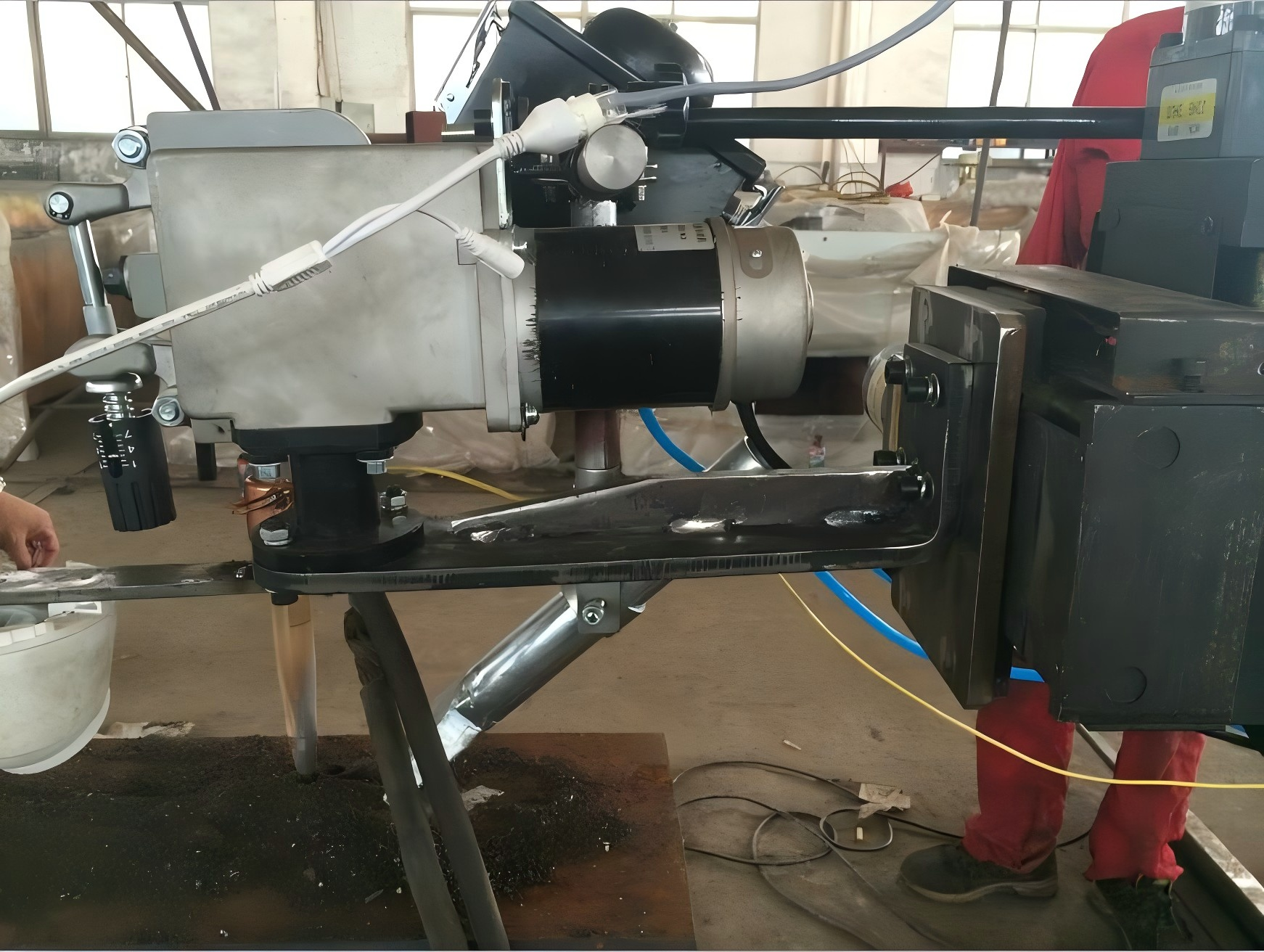
Longitudinal Seam Welding for Tanks and Pipes: Process Selection Basics
Choosing the right longitudinal seam welding method is one of those decisions that looks simple on a drawing and becomes expensive on the shop floor if the basics are missed. For tanks and pipes, the seam is not just a line where two edges meet. It affects pressure integrity, roundness, downstream fit-up, rework rate, inspection workload, and how stable your production rhythm will be. If you are researching longitudinal seam welding for the first time, or comparing equipment options before a purchase, it helps to look at the process the way a production engineer would: not as a single machine choice, but as a chain of decisions around material, edge condition, heat input, automation, and quality control.
This is the short list people usually wish they had before asking for quotations.
Start with what the joint actually has to survive
Not every tank or pipe seam is carrying the same risk. A thin wall ventilation duct, a water tank, and a pressure-related cylinder may all use longitudinal seams, but the acceptable weld profile, penetration level, distortion tolerance, and inspection method are very different. Before comparing welding processes, pin down four things:
- What medium will the product hold or transport?
- Is leakage a nuisance, a product failure, or a safety issue?
- Will the seam be pressure tested, radiographed, dye-checked, or only visually inspected?
- How much post-weld straightening or grinding is acceptable?
That sounds basic, but many selection mistakes start here. Buyers ask for a “high-speed seam welder” before deciding whether they need cosmetic appearance, full penetration, low spatter, or repeatable sealing performance. The machine cannot solve an unclear requirement sheet.
Material and thickness narrow the process quickly
For longitudinal seam welding, material type and wall thickness usually remove half the options immediately. Carbon steel is forgiving compared with stainless steel or aluminum. Stainless raises concerns about heat tint, distortion, and corrosion resistance in the heat-affected zone. Aluminum adds conductivity and oxide layer issues, so edge cleanliness and parameter stability matter more.
Thin material often favors processes that can hold a stable arc with controlled heat input. Thicker sections shift the conversation toward penetration, groove design, multi-pass strategy, and whether backing is used. If you are still early in evaluation, do not ask only for a generic thickness range. Ask what thickness range the supplier can weld consistently at your target travel speed and quality level. Those are not the same thing.
Edge preparation is often where weld quality is won or lost
People spend a lot of time comparing welding heads and not enough time looking at the plate or strip edge. In real production, poor edge preparation creates more trouble than many expect: inconsistent root gap, wandering seam tracking, lack of fusion, spatter increase, and extra finishing work. If your tanks or pipes are formed from plate, the bevel and edge straightness need to match the welding process, not just the cutting process.
This is where upstream equipment matters. A properly prepared bevel can reduce parameter drift and improve seam consistency, especially on thicker material. In some fabrication lines, a dedicated Heavy Edge Milling Machine makes more sense than relying on rough thermal edge quality and secondary grinding. For carbon steel, stainless steel, and aluminum plates, one-pass bevel forming with controlled angle adjustment can help when the later longitudinal seam must hold tighter fit-up. That is not a welding trick. It is process discipline.
A simple check during planning: ask whether the weld process can tolerate the real edge condition you will produce every day, not the best sample made for the sales meeting.
Do not treat “longitudinal seam welding” as one process
The term covers several practical methods. Depending on product design and budget, you may be looking at TIG, MIG/MAG, plasma, laser, submerged arc, or resistance seam-related solutions in certain applications. Each has a different sweet spot.
- TIG is often chosen when appearance, precision, and cleaner welds matter more than raw speed.
- MIG/MAG is common where throughput and broader fabrication flexibility are needed.
- Submerged arc becomes relevant for thicker sections and long, straight seams where deposition rate matters.
- Laser or laser-hybrid solutions may fit high-volume lines with strict distortion control, but the investment threshold is much higher.
No serious supplier should recommend a process without looking at your joint design, production volume, and inspection standard. If the answer comes too fast, ask more questions.
Watch the forming and clamping conditions
A good seam weld can be ruined by poor cylinder forming, unstable tack welds, or weak clamping. On tanks and pipes, seam mismatch is a practical headache. If the two edges do not stay aligned under heat, the welding process becomes a correction tool, and that usually ends badly.
During equipment review, check whether the line includes proper seam alignment, copper backing if required, hold-down stability, and consistent travel. Buyers sometimes separate forming equipment and welding equipment across different vendors, then discover the interfaces were never thought through. The result is finger-pointing during commissioning.
Automation level should match batch reality
This point gets oversold in both directions. Some factories buy highly automated seam welding systems when their product mix changes too often to use them efficiently. Others stay manual too long and absorb avoidable variation, especially on repeat pipe or tank sizes.
A practical rule: if your diameter range, thickness range, and seam length are relatively stable, automation usually pays back through consistency and lower dependence on operator feel. If jobs change constantly, setup time becomes a major cost. In that case, flexibility may matter more than headline welding speed.
When comparing lines, ask for the changeover logic. How long does it take to switch material thickness, seam length, or fixture settings? How much tuning depends on a skilled technician? Those answers often tell you more than the brochure.
Quality control is part of process selection, not a later add-on
For information-stage buyers, this is easy to underestimate. The best longitudinal seam welding setup is not the one that produces a nice-looking sample once. It is the one that can keep passing your required inspection method with normal operators, normal materials, and normal production pressure.
Check what your acceptance route really is. Visual inspection alone has a very different process window from leak testing, radiographic examination, or other code-driven quality checks. Specific code applicability depends on product type, market, and customer requirement, so standards should be confirmed project by project rather than assumed【待核实】.
Also ask how weld data is controlled. If you export to markets that care about documentation, repeatability is not only about the weld bead. You may need traceable parameter records, procedure qualification support, and equipment delivered under systems aligned with ISO9001 and, where applicable, CE-related requirements for the destination market. Wuxi Samgins International Trade Co.,Ltd operates with production and design organized in line with ISO9001 quality system certification and EU CE standards, which is relevant context when evaluating machinery supply discipline, though the exact compliance scope should still be checked for each machine configuration.
Look at the total line, not only the welding station
A seam welder that performs well by itself can still create bottlenecks if edge prep, loading, fit-up, or post-weld finishing cannot keep pace. This is especially true in shops making both tanks and rolled pipes from mixed materials. Longitudinal seam welding should be reviewed alongside plate preparation, rolling, tack assembly, welding, inspection, and finishing.
That is one reason equipment portfolios matter. A supplier dealing only in one machine type may optimize for that single machine. A supplier with broader fabrication equipment experience, from CNC cutting and rolling to welding automation and bevel preparation, is often better placed to discuss where the real constraint sits. Sometimes the right answer is not a more expensive welder. It is cleaner beveling, better plate handling, or more stable fit-up.
For example, if your line handles thicker plates or extra-long workpieces before rolling, upstream bevel consistency can matter enough that an edge milling solution deserves attention. Some users look at an Heavy Edge Milling Machine because one-pass V-, K-, or U-type bevel preparation and stable feeding reduce the amount of correction needed before seam welding. That kind of decision usually comes from production pain, not theory.
Questions worth asking before you request a quote
- What materials, thicknesses, and seam lengths make up at least 80% of your real workload?
- Do you need cosmetic weld appearance, full penetration, leak tightness, code compliance, or a mix of these?
- What is your current edge quality, and is bevel preparation controlled or variable?
- How much rework is acceptable per batch?
- How many product changeovers happen in a normal shift?
- What inspection method will be used after welding?
- Do you need parameter traceability for export or customer audits?
- Who will run the line after commissioning: highly skilled welders, general operators, or a mixed team?
If you can answer those clearly, the process selection discussion becomes much more honest.
For tanks and pipes, the basics of longitudinal seam welding are not mysterious, but they are interconnected. Material, edge condition, forming accuracy, process choice, automation level, and inspection expectations all pull on the same seam. Get those aligned early, and you are far less likely to end up buying capacity that looks good on paper and struggles in daily production.
search
Products Navigation
Send Us A Message