




Plate Drilling Machine Capacity: How Thickness and Hole Size Affect Output
Meta Title: Plate Drilling Machine Capacity: How Thickness and Hole Size Affect Output
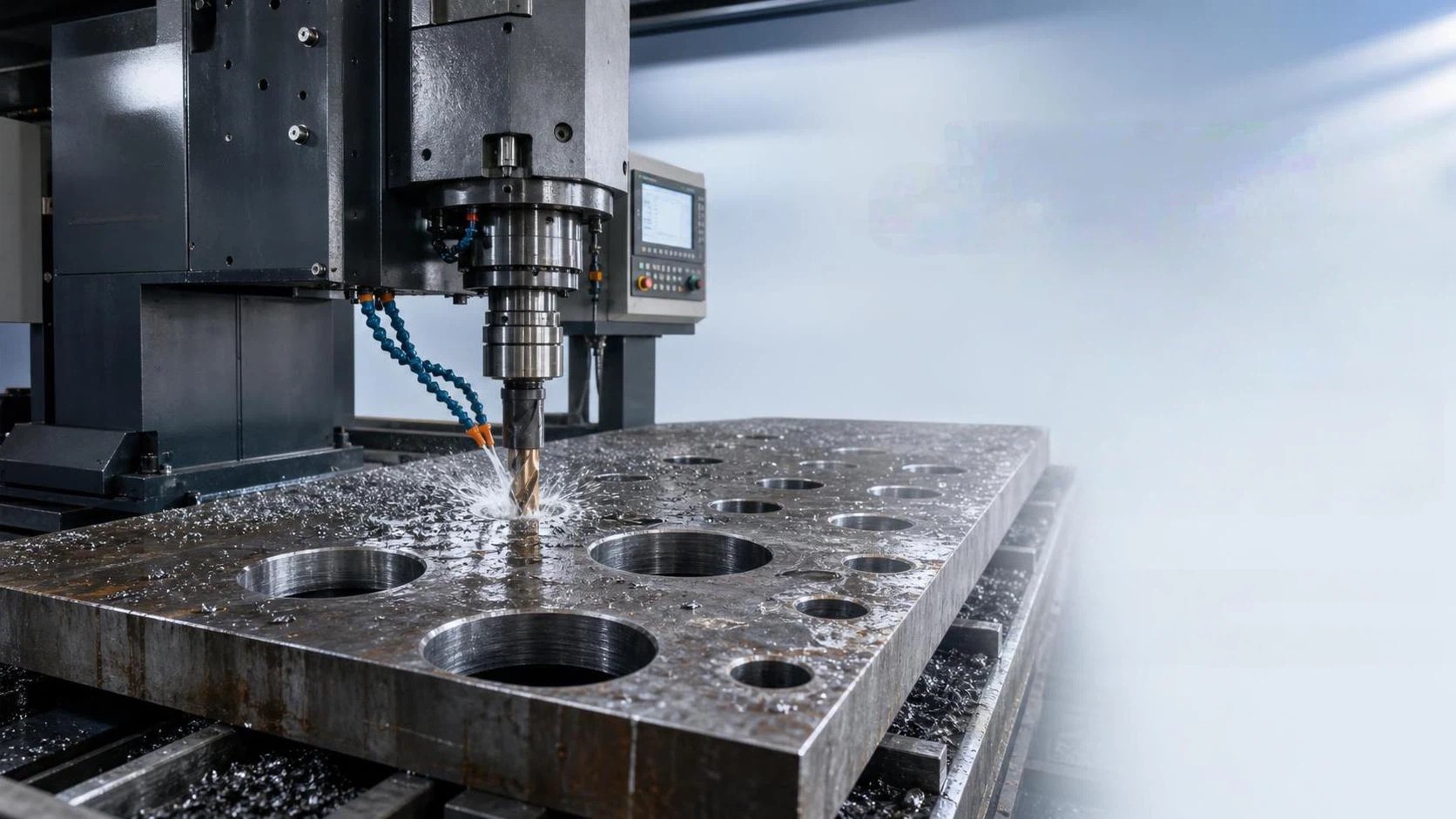
If you are comparing a plate drilling machine, the first thing to understand is that output is not decided by spindle speed alone. In real fabrication work, plate thickness and hole diameter have a direct effect on cycle time, tool load, chip evacuation, accuracy, and even how often the machine has to pause for tool changes or operator intervention. That is why two machines with similar power ratings can deliver very different daily output on the shop floor.
A simple way to think about it is this: thicker plate usually means slower drilling and higher cutting resistance, while larger holes usually mean more material removal per hole. When both happen together, capacity drops faster than many first-time buyers expect. This is where a lot of confusion starts, especially when people read only brochure numbers.
Why plate drilling machine capacity is often misunderstood
Many machine listings highlight maximum drilling diameter, spindle power, or rapid travel speed. Those figures matter, but they do not tell you how many usable parts you can finish in a shift. Actual output depends on the combination of material type, plate thickness, hole quantity, hole pattern, tolerance expectations, and whether the machine is doing only drilling or also marking, tapping, or milling.
For example, drilling 20 mm holes in a 10 mm plate is a very different job from drilling 20 mm holes in a 40 mm plate. The hole diameter is the same, but the tool engagement time is much longer in thicker material. Feed rate may need to be reduced, coolant performance becomes more critical, and chip removal gets harder. In practice, that means the same plate drilling machine may look fast on one job and average on another.
Here is the short answer many buyers are really looking for: a plate drilling machine produces more parts when plate thickness is moderate, hole sizes are within the machine’s efficient working range, and the hole layout allows stable, repeatable drilling with minimal repositioning. Capacity falls when material gets thicker, holes get larger, or process stability becomes harder to maintain.
Thickness changes more than drilling time
People usually expect thicker plate to increase cycle time. That part is obvious. What gets overlooked is how thickness changes the entire cutting condition.
As thickness increases, the tool stays in contact with the material longer. Heat builds up more easily. Chip evacuation becomes less forgiving. If the machine setup, coolant flow, or tool quality is only average, the process may still work on thin plate but become unstable on thicker workpieces. You start to see premature tool wear, poor hole finish, burr growth, and occasional hole position drift caused by vibration or deflection.
On a production line, these issues matter because output is not just “time per hole.” Output also includes downtime for replacing drills, checking dimensions, deburring, and reworking rejected parts. A shop that drills thick structural plates every day usually pays much more attention to rigidity, spindle torque, clamping, and tool management than a shop focused on lighter sheet or medium plate work.
This is one reason experienced buyers ask for a performance range, not just a maximum number. A machine may be able to drill a certain maximum thickness, but that does not mean it will do so efficiently all day, every day.
Hole size affects output in a different way
Larger holes remove more material, so cycle time naturally rises. But there is another layer to it. Hole size influences tool selection, entry stability, breakthrough behavior, and whether the job is best done with one-pass drilling, step drilling, or annular cutting, depending on the application and machine design.
Small and medium holes are often where a plate drilling machine achieves its most stable rhythm, especially in repeat production. Once hole diameters become larger, the machine may need slower feed, more careful chip control, or a different tooling strategy. If the job includes mixed hole sizes across one plate, capacity becomes less predictable because tool changes and process transitions start to matter.
There is also a quality angle. Large holes in thicker plate are more likely to show burrs at breakthrough or require closer inspection if the downstream assembly needs clean fit-up. So even if the machine can technically finish the hole, the total output of accepted parts may still be lower than expected.
What happens when thick plate and large holes come together
This is the combination that exposes the true capability of a plate drilling machine.
Thick material plus large diameter means higher torque demand, longer cutting time, more chip volume, more heat, and a narrower margin for process errors. Machines that look similar in catalog photos can separate quickly here. A rigid frame, stable spindle, reliable feed control, and good coolant delivery become much more important than headline speed claims.
In many workshops, this is where planners discover the difference between “can do” and “can do efficiently.” A machine may complete the task, but if it does so with frequent slowdowns, heavy tool consumption, or manual cleanup, the real output cost rises.
That is why buyers who handle bridge components, construction steel, base plates, heavy brackets, or similar parts should ask suppliers for examples close to their own working range. Not the biggest hole ever drilled once, but the thickness and diameter range the machine can hold consistently in production.
Capacity is also about the whole process, not only drilling
In fabrication, drilled parts rarely go straight from hole-making to shipment. They may need deburring, edge cleanup, surface finishing, or preparation for welding and assembly. This matters because a fast drilling cycle can still leave a bottleneck downstream.
For shops producing sheet metal parts, stamped components, CNC lathe parts, or irregular metal pieces with inner holes and gaps, post-drilling finishing can consume more labor than expected. In that kind of workflow, a compact finishing step such as Standard Magnetic polishing machine can make sense after drilling or machining, especially where burr removal, cleaning, and surface brightening need to be handled in batches. It is not a substitute for choosing the right plate drilling machine, but it is relevant when total output is being limited by secondary finishing rather than drilling alone.
That distinction is worth making. Some shops buy a larger machine to solve a throughput problem that actually comes from deburring or part handling. The machine is not always the bottleneck.
Common mistakes when evaluating output
One common mistake is comparing machines by maximum spindle speed. High speed sounds impressive, but if the job is thick plate with larger holes, rigidity and usable torque matter more.
Another mistake is using only one sample part to estimate capacity. A simple plate with a few standard holes may run beautifully. A real production batch may include different thicknesses, staggered patterns, repeated clamping, and inspection stops. Capacity figures should be based on representative work, not the easiest case.
A third mistake is ignoring tooling and consumables. The machine and the tool work as a system. Poor drill quality, wrong feeds and speeds, weak coolant management, or inconsistent material condition can drag down output even if the machine itself is well built.
And then there is the old assumption that a bigger machine is always safer. Sometimes that is true. Sometimes it just means higher capital cost and underused capacity. If most of your work is medium plate with moderate hole diameters, buying for rare extreme jobs may not be the most efficient decision.
What to check before choosing a plate drilling machine
If you are still at the information-gathering stage, these are the questions that usually bring clarity:
- What plate thickness range makes up most of your daily work, not just occasional jobs?
- What hole diameters are most common?
- How many holes are drilled per plate on average?
- Are you processing carbon steel, stainless steel, or mixed materials?
- Do you need only drilling, or also tapping, marking, countersinking, or light milling?
- How much time is currently lost to setup, burr removal, or rework?
Those answers tell you more than a brochure ever will.
Suppliers with broad fabrication equipment experience are often more helpful here than sellers focused on one isolated machine category. Companies such as Wuxi Samgins International Trade Co.,Ltd, which handle CNC cutting machines, milling machines, lathes, deburring equipment, plate rolling machines, edge milling machines, H-beam production line equipment, and other metalworking systems, tend to understand how drilling capacity fits into the wider production flow. That kind of perspective is useful when your goal is stable throughput, not just a machine that looks strong on paper.
Who should care most about thickness and hole size
If your work is mainly heavy structural steel, flange plates, connection plates, or base plates, these two variables should be near the top of your evaluation list. They will directly affect daily output, tooling cost, and the consistency of finished holes.
If your work is lighter gauge material with smaller holes, capacity may be influenced more by automation, nesting, loading speed, and batch handling than by spindle power alone. In that case, a very heavy-duty configuration may be unnecessary.
That is why there is no single “best” plate drilling machine. The right choice depends on where your actual production sits: thin and fast, thick and demanding, or somewhere in the middle.
Final thought
When people ask how much output a plate drilling machine can deliver, the honest answer is: it depends on the job mix, and thickness plus hole size usually explain most of the difference. If you know your real working range, you can judge machine capacity far more accurately, avoid overspending, and reduce unpleasant surprises after installation.
Near the end of the buying process, bring the discussion back to your own parts: actual plate thickness, actual hole diameters, actual daily volume, and actual finishing steps. That is the point where plate drilling machine specifications start turning into usable production numbers.
FAQ
Can a plate drilling machine with a high maximum diameter automatically deliver high output?
No. Maximum diameter shows capability, not efficient daily productivity. Output depends on how often you run that diameter, on what thickness, and with what tooling.
Does thicker plate always mean a more powerful machine is required?
Not always, but thicker plate usually demands better rigidity, torque, cooling, and process stability. Power alone is not the full answer.
Are larger holes always slower to produce?
In most cases, yes, because more material is being removed. The impact becomes stronger when hole size increases together with plate thickness.
Should I evaluate drilling capacity separately from finishing?
You can, but it is better to look at total workflow. Drilling may be fast while deburring or cleaning becomes the real bottleneck.
Internal Link Anchor Text Suggestions
- plate drilling machine buying guide: guide or category page
- CNC drilling for structural steel plates: application page
- how to reduce burrs after metal drilling: knowledge base article
- deburring equipment for sheet metal parts: product category page
- H-beam production line equipment: solution page
External Authoritative Source Suggestions
- machine tool manufacturer official technical documentation
- metalworking industry association technical guides
- cutting tool supplier application data and drilling parameter references
search
Products Navigation
Send Us A Message