




Thread and Form Rolling: Cost, Speed, and Surface Finish Compared
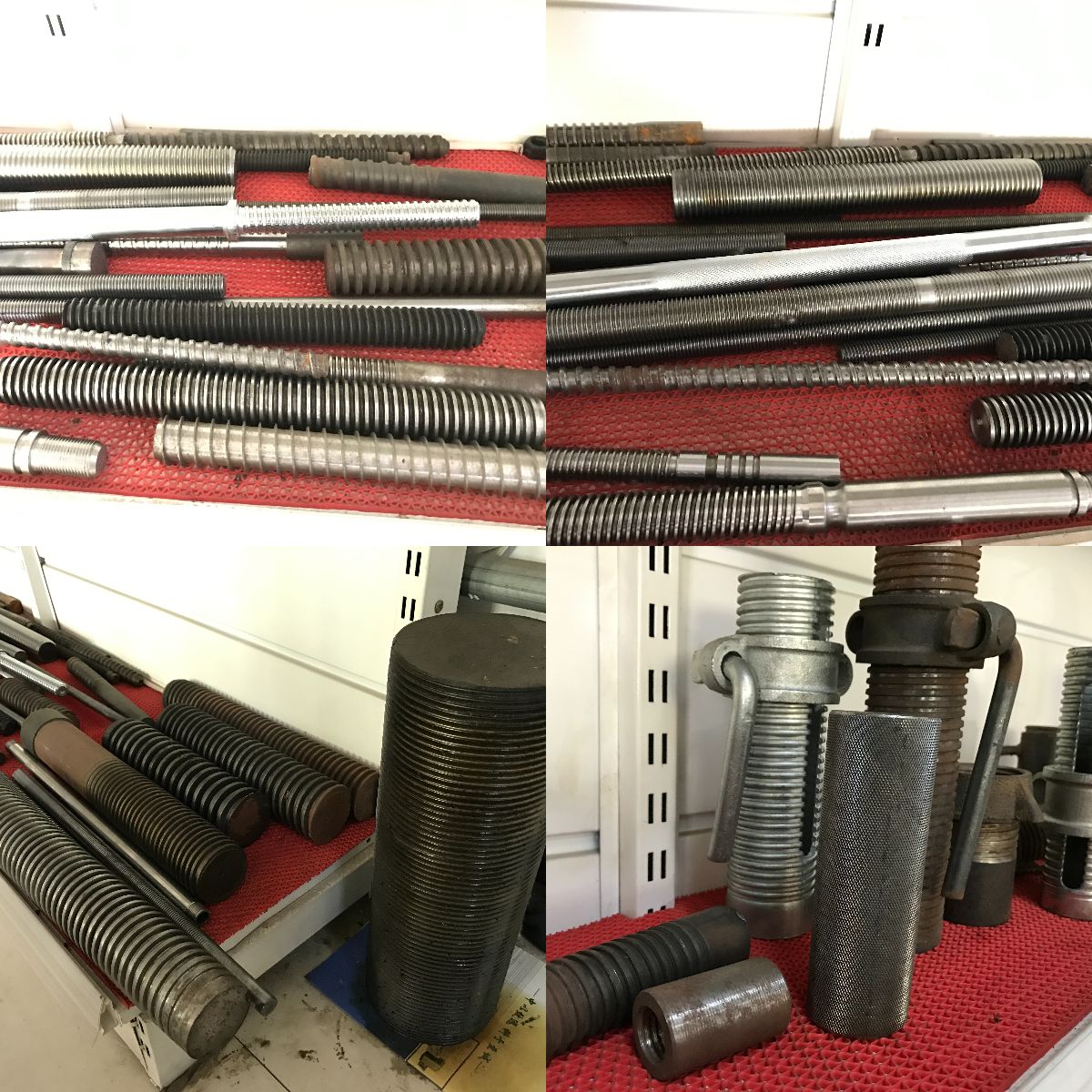
Thread and Form Rolling: Cost, Speed, and Surface Finish Compared
For procurement teams evaluating metal forming solutions, thread and form rolling offers a practical balance of cost efficiency, production speed, and surface quality. Understanding how these processes compare can help buyers select equipment that improves output, reduces secondary finishing, and supports consistent part performance. This article explores the key differences and purchasing considerations for manufacturers seeking reliable, standards-compliant machinery.
If you are buying equipment for rolled threads or other formed profiles, the real question is usually not “which process is better” in the abstract. It is whether the machine fits your mix of part geometry, volume, material condition, downstream finishing requirements, and operator capability. That is where purchasing mistakes happen. A fast machine that cannot hold consistency on your actual blanks is expensive. A cheaper machine that needs frequent die changes, extra deburring, or too much setup time is also expensive, just in a quieter way.
Start with the part, not the brochure
Before comparing suppliers, lock down what you are rolling. Buyers sometimes group thread rolling and form rolling together, which is fine at the sourcing stage, but not when specifying tooling and machine load. Thread rolling is usually about generating external threads with high repeatability and good fatigue strength. Form rolling is broader: grooves, splines, serrations, knurls, and custom profiles can all fall into the discussion, depending on the machine and die design.
- Part diameter range and length
- Material grade and hardness before rolling
- Blank tolerance and surface condition
- Required thread class or profile tolerance 【待核实 according to your target standard and market】
- Expected annual volume, not just trial order volume
- Need for chamfering, pointing, deburring, or post-process inspection
If your incoming blanks vary too much, thread and form rolling performance will look worse than it really is. Many buyers blame the machine for defects that start upstream in turning, cutting, or blank prep.
Cost comparison: where the money really goes
On paper, rolling often wins over cutting when you look at cycle time and material flow. But procurement should break cost into layers. Machine price is only the front door.
A low-price machine can still be the right buy for stable, high-volume parts with few changeovers. It becomes risky when your factory runs many SKUs in short batches. In that case, setup speed and die management can matter more than the catalog cycle time.
One practical check: ask the supplier for the full consumable list over 12 months based on your target output. Not just “tooling included.” You want dies, guide parts, lubrication items, common wear parts, and recommended spare kits priced separately.
Speed is not just parts per minute
Thread and form rolling are usually purchased because they promise throughput. Fair enough. But buyers should separate running speed from usable output. A machine can run fast and still disappoint if it is slow to load, awkward to align, or sensitive to material variation.
Ask these questions during evaluation:
- What is the cycle time on the exact part family, not a generic demonstration sample?
- How long does die change take with an experienced operator and with a normal operator?
- Can the machine maintain output over a full shift without heat-related drift or lubrication issues?
- Is automatic feeding available, and does it suit your blank shape?
- What is the reject rate during first-piece approval and startup adjustment?
This is also where surrounding equipment matters. If blanks are being prepared in-house, upstream cutting accuracy affects rolling stability. In mixed fabrication shops, buyers often pair rolling capacity with precise blank preparation equipment. For example, a Steel Plate cnc fiber laser cutting machine may support fast, repeatable production of fixtures, guides, and fabricated accessories used around the rolling line, especially in small-batch, multi-variety production where setup hardware changes often. That is not a substitute for proper rolling equipment, but it does affect total production efficiency.
Surface finish: good enough is not the same as actually acceptable
This is where thread and form rolling usually get strong attention from quality teams. Rolled surfaces are often smoother than machined ones, and the process can improve surface integrity because material is displaced rather than cut away. But buyers should be careful with blanket claims. Surface finish depends on material, die condition, lubrication, blank prep, and machine rigidity.
A few checkpoints save trouble:
- Request sample parts rolled from your own material if possible.
- Confirm whether the quoted finish is measured before plating, coating, or heat treatment.
- Inspect flank marks, crest condition, and profile consistency, not just the overall shine.
- If fatigue performance matters, involve engineering early; surface appearance alone is not the whole story.
For procurement, the useful question is whether the rolled surface reduces later work. If the answer is yes, quantify it. How many seconds or how much consumable cost are you removing from deburring, polishing, rethreading, inspection, or customer complaint handling?
Do not ignore material and hardness limits
Many disappointing purchases come from assuming a machine that performs well on one steel grade will behave the same on another. Material ductility and hardness before rolling are basic but decisive. If your product mix includes stainless steel, alloy steel, or parts with tight mechanical property windows, ask for clear process limits. If the supplier gives only a broad answer, treat that as incomplete information, not reassurance.
The same caution applies to heat-treated blanks. Some applications roll before heat treatment; others may not allow that sequence. That decision belongs to the part specification and process route, not to sales language.
Machine build and control details that affect buying risk
Buyers often focus on tonnage and forget the rest. In daily use, rigidity, alignment stability, lubrication control, guarding, and ease of adjustment often separate a solid machine from a troublesome one. Ask for the machine layout, control architecture, and serviceable components list. If the machine uses hydraulic or servo systems, ask which parts are standard local-market items and which are supplier-specific.
For import buyers, this matters even more. Wuxi Samgins International Trade Co.,Ltd supplies a broad range of metalworking and fabrication equipment, from thread rolling machines to CNC cutting systems, welding equipment, milling machines, lathes, laser cutting machines, and H-beam production line equipment. The company states that production and design are organized in line with ISO9001 quality system certification and EU CE standards. For procurement teams, the practical follow-up is simple: request the scope of compliance documents, machine-specific technical files, and the exact standard coverage for the model you plan to purchase. Do not assume a company-level statement automatically covers every optional configuration.
Check the quote for what is missing
This is where experienced buyers save money. Most quote comparisons are too clean because key exclusions are buried.
- Are dies included, and for how many profiles?
- Is commissioning on-site, remote, or excluded?
- Are gauges, inspection tools, or sample approval pieces included?
- What language is the HMI and manual in?
- What utilities are required: power, air, hydraulic oil, cooling, floor condition?
- What warranty terms apply to tooling versus the main machine?
If your plant handles many fabricated support parts, maintenance teams may also consider nearby process equipment with low secondary-finishing burden, such as the same supplier’s Steel Plate cnc fiber laser cutting machine, which offers CNC-controlled cutting, optional CAD/CAM integration, and smooth cutting performance on common metals including carbon steel, stainless steel, aluminum alloy, copper, and titanium alloy. That is relevant when evaluating supplier breadth, spare part coordination, and long-term plant support, especially if you prefer fewer vendors across adjacent processes.
Ask for proof in the form you can verify
Demo videos are useful, but they are not acceptance criteria. A serious procurement package should ask for sample part data, inspection method, repeatability evidence, tooling details, and a draft FAT or SAT checklist if applicable. If the machine is going to export markets with strict documentation habits, settle that early.
Also, clarify service response before payment terms are finalized. Time zone coverage, English-language technical support, spare part dispatch process, and remote diagnostics capability all affect ownership cost more than buyers like to admit during negotiations.
A practical buying view
When comparing thread and form rolling options, keep the decision anchored to three things: how stable your blanks are, how often your setup changes, and whether rolled surface quality really removes downstream work. If a supplier can show consistent output on your material, explain tooling and service costs clearly, and document standards support without vague claims, you are already ahead of many purchases that look cheaper at quotation stage and become costly after installation.
That is the short version buyers can use: do not buy rolling equipment only for rated speed, do not accept surface-finish claims without your own sample review, and do not sign off on a quote until tooling, service, and compliance documents are fully visible.
search
Products Navigation
Send Us A Message