




What Warranty Period Should You Expect for an Export Laser Cutting Machine?
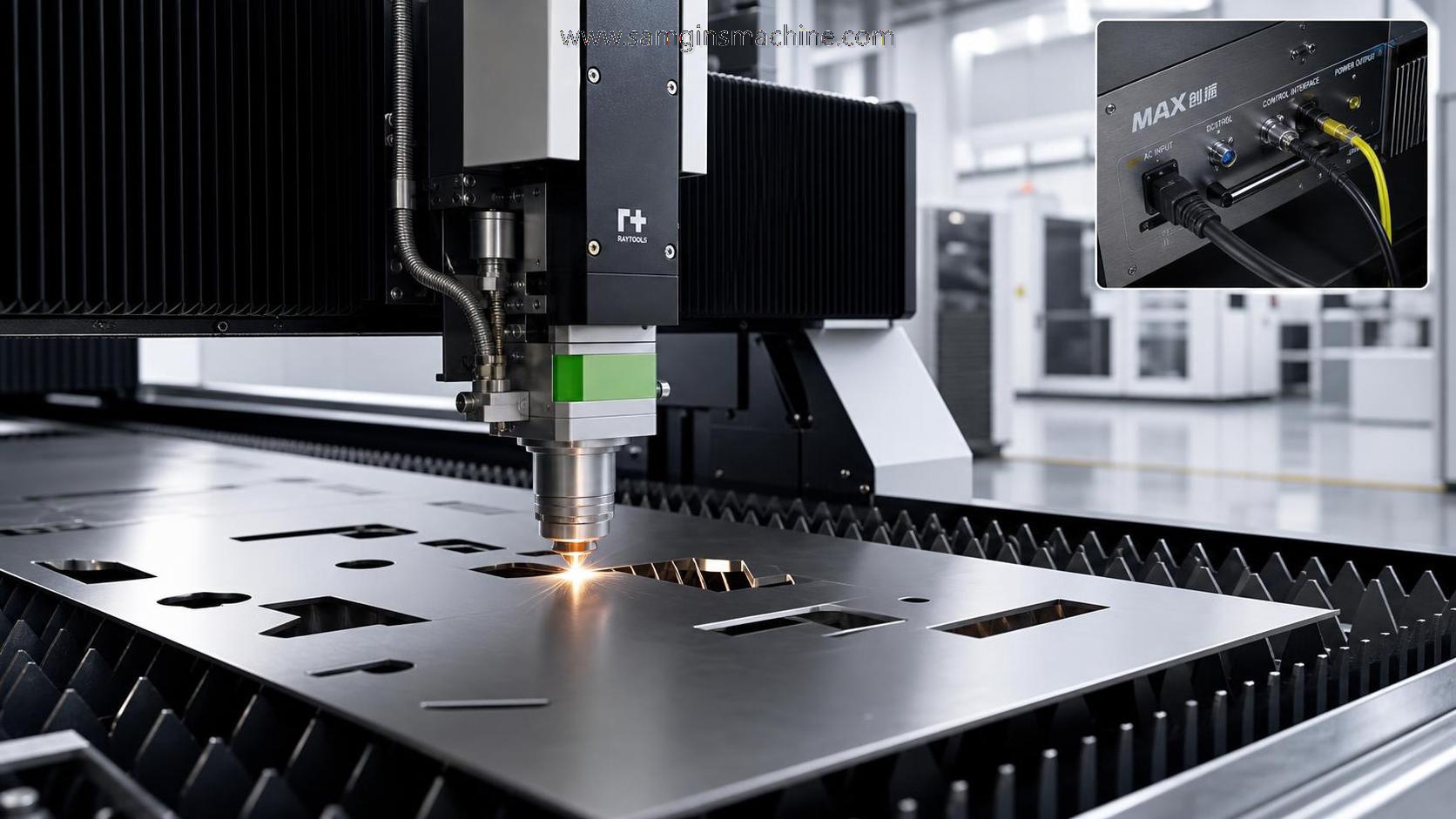
What warranty period should I expect when buying a laser cutting machine for export? For global buyers in the manufacturing and metal processing industry, warranty terms are more than a promise—they reflect product quality, supplier reliability, and long-term service support. When choosing an export laser cutting machine, understanding the standard warranty period helps you reduce risk, control maintenance costs, and ensure stable production from day one.
In cross-border machinery procurement, warranty coverage directly affects total ownership cost, spare parts planning, and after-sales response. For importers, fabricators, and industrial contractors, the right warranty is not only about how many months are written on a quotation. It is about what parts are covered, how service is delivered, how quickly failures are handled, and whether the supplier can support installation, training, and long-term operation in another country.
For export laser cutting machines, the common warranty period in the market is usually 12 months after installation or 14 to 18 months after shipment, depending on which comes first. However, this range can vary based on machine configuration, laser source brand, control system, and the supplier’s service capability. Buyers comparing quotations should therefore assess warranty terms in detail rather than focusing only on machine price.
What Is the Standard Warranty Period for an Export Laser Cutting Machine?
In the manufacturing and processing machinery sector, most export laser cutting machines are offered with a 12-month warranty for the whole machine. Some suppliers also state 24 months for selected mechanical parts, while wear parts and consumables are excluded or covered for a much shorter period, such as 3 to 6 months.
Typical warranty structure buyers will see
A full warranty usually covers core electrical and mechanical faults caused by manufacturing defects under normal use. This often includes the machine frame, motion system, servo components, electrical cabinet, and standard control hardware. The laser source, chiller, and cutting head may follow their own warranty terms from the original component manufacturer.
This is why the question, “What warranty period should I expect when buying a laser cutting machine for export?” should always be expanded into four questions: how long is the whole-machine warranty, how long are the key components covered, what is excluded, and how is overseas service handled.
The table below shows a practical reference for typical warranty periods in the export market.
The key conclusion is that 12 months is the baseline expectation, but real protection depends on component-level detail. A supplier offering 18 months on paper may still provide weaker support if overseas spare parts, remote diagnostics, and service response are unclear.
Why export warranty terms differ from domestic sales
Export transactions involve ocean freight, customs clearance, installation delay, and local utility variation. A machine may take 30 to 60 days to arrive and another 7 to 21 days before installation. Because of this, many suppliers define warranty activation by shipment date, arrival date, or commissioning date, with different conditions attached.
Three timing points that matter
- Shipment date: easy for the supplier to document, but not always fair to the buyer.
- Arrival date: more balanced, though customs delays can complicate proof.
- Commissioning date: often best for the buyer, especially for automated production lines.
When evaluating what warranty period should I expect when buying a laser cutting machine for export, buyers should negotiate a clear start date and written evidence process. This avoids disputes if installation is delayed due to port congestion, factory construction, or local power preparation.
What Should the Warranty Actually Cover?
A long warranty period is only useful when coverage is specific. In laser cutting equipment, the most expensive risks are usually linked to the laser source, control system, servo motion, and optical path components. If the warranty statement only says “one year warranty” without listing covered parts, the buyer is exposed.
Core coverage areas to review before placing an order
Export buyers should ask for a warranty list with at least 6 checkpoints: machine frame, rack and pinion or linear guide system, laser source, cutting head, chiller, electrical cabinet, and software or control system. It is also wise to request a separate exclusion list for items considered consumable or damaged by operation error.
The following comparison helps buyers identify the difference between strong and weak warranty wording.
A strong warranty lowers downtime because it turns written coverage into an operational service process. In production environments where one machine may run 8 to 16 hours per day, slow fault handling can create higher losses than the cost of the damaged part itself.
Common exclusions buyers should not overlook
- Optical consumables damaged by contamination, overheating, or collision.
- Electrical failures caused by unstable voltage, poor grounding, or incorrect wiring.
- Damage from improper assist gas quality, such as oil or moisture in the line.
- Misalignment caused by unauthorized modification or untrained operation.
For sheet metal workshops cutting carbon steel, stainless steel, or aluminum, these exclusions are practical, not unusual. The buyer’s job is to identify them early and prepare site conditions that keep the warranty valid.
How to Evaluate Warranty Value Beyond the Number of Months
Many procurement teams compare 12-month, 18-month, and 24-month offers as if the longest period is automatically better. In reality, warranty value depends on service speed, parts traceability, technical training, and ease of communication across time zones. A 12-month warranty with fast support can be more valuable than a 24-month warranty with weak execution.
Four practical evaluation criteria
- Response time: ask whether first technical feedback is within 12 hours, 24 hours, or 48 hours.
- Parts lead time: confirm whether common spare parts are stocked and whether urgent dispatch is available.
- Remote support depth: verify if the supplier can provide PLC backup, alarm code analysis, and parameter reset guidance.
- Training content: check whether operator and maintenance training covers daily inspection, lens cleaning, gas setting, and fault prevention.
This evaluation framework is especially important for buyers importing fiber laser cutting machines in the 3kW to 20kW range. Higher power means greater productivity, but it also increases the importance of cooling, optics maintenance, and operational discipline.
Why spare parts policy matters as much as warranty policy
Even when a replacement part is covered at no charge, the buyer may still face freight cost, customs delay, and production stoppage. For this reason, many experienced importers ask for a recommended spare parts list with 1 year of expected consumption and 3 levels of priority: critical, fast-wear, and routine maintenance items.
A practical startup stock may include nozzles, protective lenses, ceramic rings, filters, selected sensors, and backup relays. On a busy fabrication line, keeping 5 to 10 critical items on site can cut downtime from several days to a few hours.
Questions that help buyers during negotiation
- Is the warranty counted from shipment, arrival, or commissioning?
- Which parts are covered for 12 months and which are covered for 24 months?
- Who pays international freight for warranty replacements?
- Can the supplier provide remote support during local working hours?
- What documents are needed to validate a claim: videos, alarm screenshots, or serial numbers?
How Reliable Suppliers Reduce Warranty Risk for Overseas Buyers
A trustworthy supplier does more than issue a warranty letter. It standardizes production, documents machine configuration, and supports buyers before shipment and after installation. In export machinery, this process discipline often reduces avoidable faults by addressing problems before the machine enters full production.
What buyers should expect from a capable export partner
Wuxi Samgins International Trade Co., Ltd, based in Wuxi, Jiangsu Province, focuses on mechanical equipment and related products for international markets, including laser cutting machines, CNC cutting equipment, welding systems, machine tools, and sheet metal processing equipment. With exports to Southeast Asia, Europe, North and South America, and Oceania, the company understands that overseas buyers need not only machinery performance but also dependable service procedures.
For export buyers, production and design aligned with ISO9001 quality management practices and EU CE standards can improve consistency in manufacturing, documentation, and inspection. While no machine is completely free from maintenance, a disciplined production process usually leads to more stable delivery quality and clearer after-sales coordination.
The following checklist shows what a buyer should request before final payment and shipment.
These items strengthen warranty execution because they create traceability. If a machine issue appears after installation, the supplier and buyer can identify the exact component, configuration, and service history much faster.
Site conditions that affect warranty claims
Many export machine issues are not caused by manufacturing defects. They come from unstable input voltage, insufficient air dryness, poor ventilation, dust contamination, or cooling water outside the recommended range. In fiber laser cutting, even small site deviations can shorten component life.
Before installation, buyers should confirm grounding, air compressor quality, chiller placement, and ambient temperature. A common target is a clean, dry operating area with stable power and controlled temperature, often around 10°C to 30°C depending on supplier guidance. This protects both performance and warranty validity.
Common Misunderstandings About Export Laser Cutting Machine Warranties
Misunderstanding warranty language is one of the most common reasons for disputes in machinery import projects. Buyers often assume that a longer warranty means free on-site service, free freight, and full component replacement in all cases. In practice, each of these points may be limited by contract wording.
Misunderstanding 1: All parts are covered equally
This is rarely true. Optical consumables and operator-sensitive items usually follow separate terms. Buyers should always distinguish between structural components, electrical control parts, branded core components, and consumables.
Misunderstanding 2: Warranty includes any local labor cost
Many export warranties cover replacement parts and remote support, but not local technician fees, travel, crane service, or customs duties. If on-site service is required, the contract should state the charge basis, visa responsibility, and expected response window, such as 5 to 10 working days after travel approval.
Misunderstanding 3: Warranty alone guarantees low maintenance cost
A machine with poor operator training can still generate frequent lens damage, nozzle loss, and alignment issues. Good maintenance discipline often saves more money over 12 months than a nominal extension of warranty from 12 to 18 months.
Best practice for buyers
Ask the supplier to attach the warranty policy, spare parts list, installation conditions, and maintenance schedule to the contract. This turns the purchase into a managed equipment project instead of a simple shipment transaction.
How to Make a Better Purchase Decision
If you are comparing multiple export offers, do not judge warranty by duration alone. A balanced decision should combine machine specification, service capability, documentation quality, and the supplier’s experience in international delivery. For most buyers, the best result comes from matching machine power, table size, and support level to actual production demand rather than buying only on headline price.
A simple 5-step evaluation process
- Confirm your production range, such as material type, thickness, and expected daily operating hours.
- Review the full warranty document and separate component warranties.
- Check pre-shipment testing, training scope, and remote support process.
- Compare spare parts readiness and claim handling time.
- Match supplier experience with your market, voltage standard, and installation environment.
When asking, “What warranty period should I expect when buying a laser cutting machine for export?” the most practical answer is this: expect 12 months as the standard baseline, request detailed component coverage, and prioritize suppliers that can support your machine through installation, operation, and troubleshooting across borders.
For buyers seeking dependable laser cutting machines and broader metal processing equipment solutions, Wuxi Samgins International Trade Co., Ltd offers experience in export-oriented machinery supply, ISO9001-based production organization, and products designed in line with EU CE standards. If you want to compare warranty terms, review machine configurations, or discuss a solution tailored to your factory, contact us now to get product details and a customized export proposal.
search
Products Navigation
Send Us A Message