




The Complete 2026 Guide to 3 in 1 Beam Welding Machine: Principles, Applications & Industry Standards
What Is A 3 In 1 Beam Welding Machine?
A 3 in 1 beam welding machine is a fully integrated, CNC-controlled production system designed specifically for structural steel fabrication. It simultaneously performs three critical operations on H-beams: (1) automatic assembly of flange and web plates, (2) high-precision submerged arc or MIG welding of both fillet joints, and (3) in-line mechanical straightening to correct thermal distortion and ensure beam flatness within ±0.3 mm/m. Unlike sequential standalone machines, this configuration eliminates manual transfer, repositioning, and measurement delays—reducing cycle time by 40–55% while maintaining ISO 3834-2 weld quality compliance.
Technically, it comprises synchronized servo-driven clamping modules, dual welding carriages with seam tracking, a hydraulic straightening unit with real-time deflection feedback, and a unified PLC-HMI interface supporting recipe-based job setup. The term “3 in 1” reflects functional integration—not physical stacking—and distinguishes it from modular or semi-automated alternatives that require operator intervention between stages.
Wuxi Samgins’ 3 in 1 h beam welding machine features rigid welded steel frames, imported servo motors (Yaskawa/SEW), and CE-compliant safety interlocks. Its modular design allows scalable configurations—from 200×200 mm to 1200×1200 mm beam sections—with optional flux recovery and fume extraction systems compliant with EU Directive 2006/42/EC.
Why Choose Integrated Beam Welding Over Traditional Methods?
Traditional H-beam production relies on separate assembly jigs, welding manipulators, and offline straightening presses—introducing cumulative tolerances, rework loops, and non-value-added handling. A 3 in 1 beam welding machine eliminates these bottlenecks by enforcing geometric continuity: the same datum is maintained from assembly through welding to correction. This yields measurable advantages—reduced scrap rates (typically<0.8% vs. 2.5–4.2% in conventional lines), consistent weld penetration depth (±0.4 mm), and full traceability via embedded data logging (weld voltage, current, travel speed, heat input).
From a labor perspective, one operator can oversee two parallel 3 in 1 beam welding machine lines versus six technicians managing fragmented stations. Energy consumption drops 22–28% due to optimized arc-on time and regenerative braking in servo axes. Crucially, Wuxi Samgins’ systems embed ASME Section IX and EN ISO 15614-1 qualified welding procedures directly into control software—ensuring every joint meets project-specific code requirements without manual parameter recalibration.
For fabricators serving oil & gas (API RP 2A), bridge (AASHTO LRFD), or building (EN 1090-2) sectors, this integration translates directly into faster third-party inspection acceptance and reduced non-conformance reports (NCRs)—a key differentiator highlighted by clients like URALSTANKOIMPORT and Lincoln Electric-MENA.
Who Uses 3 In 1 Beam Welding Machines?
Primary users are medium-to-large structural steel fabricators producing ≥5,000 tons/year of H-beams for infrastructure, industrial plants, shipbuilding, and prefabricated construction. These include EPC contractors requiring certified weld records (e.g., BatysMunaiGazZhabdyktary LLP in Kazakhstan), heavy-equipment OEMs needing repeatable beam geometry (e.g., Zein Steel Industries Co.LLC in UAE), and modular building suppliers prioritizing just-in-time delivery (e.g., S.P Blue Fisheries LDA in Mozambique).
Secondary adopters are steel service centers upgrading from manual cutting/welding to automated lines—particularly those supplying wind turbine towers, transmission pylons, or offshore platforms where weld integrity directly impacts fatigue life. Regional engineering works and Estructuras Metalicas Girders Chile Limitada use Wuxi Samgins’ 3 in 1 h beam welding machine not only for throughput but also for achieving EN 1090 EXC3 execution class certification with minimal external audit support.
Notably, end-users span diverse regulatory environments: PT.Cahaya mas Cemerlang (Indonesia) leverages the machine’s built-in documentation module to satisfy SNI 07-2052 compliance; Rienzie Group (South Africa) uses its programmable straightening algorithm to meet SANS 10162-1 tolerances for crane runway beams.
Where And When Is It Deployed? Global Applications & Standards Alignment
Wuxi Samgins’ 3 in 1 beam welding machine operates across 32 countries, with deployments calibrated to regional codes. In North America, units supplied to MD Calbah Industries Pty Ltd (Australia) integrate ASME B31.4 pipeline alignment checks and API RP 2X hydrotest prep sequences. In the EU, CE-marked systems for Contevix comercio e servicos ltda (Brazil) comply with Machinery Directive 2006/42/EC and Low Voltage Directive 2014/35/EU—including emergency stop redundancy and laser-scanned light curtain zoning.
Critical applications include offshore substructure fabrication (where beam straightness ≤0.2 mm/m prevents bolt-hole misalignment), pre-engineered building (PEB) columns requiring Class C surface finish per ISO 8501-1 Sa 2.5), and rail infrastructure projects demanding EN 15085-2 CL2 certification. Ersay International Transport deployed a Wuxi Samgins line in Turkey to produce crane girders meeting TS EN 13001-2 dynamic load testing protocols—cutting commissioning time from 14 weeks to 5.
Maintenance cycles align with ISO 12100 risk assessment: major servicing every 12 months (hydraulic oil, servo encoder calibration), minor checks every 2000 operating hours (weld torch alignment, straightening roll wear). Firmware updates—delivered remotely via encrypted VPN—are scheduled biannually to incorporate new AWS D1.1 or EN ISO 15614-1 revision support.
How Is Quality Engineered Into Every 3 In 1 Beam Welding Machine?
Wuxi Samgins applies a zero-defect philosophy rooted in precision manufacturing: all structural frames undergo stress-relief annealing and 3D coordinate measuring machine (CMM) verification before machining. Critical motion components—linear guides, ball screws, and servo reducers—use NSK, THK, and SEW parts, ensuring positional repeatability of ±0.02 mm over 10-year service life. Welding power sources are Lincoln Electric or Kemppi units, pre-integrated with digital arc waveform control for spatter-free start/stops.
Each 3 in 1 beam welding machine undergoes 72-hour continuous factory acceptance testing (FAT) simulating worst-case beam profiles (e.g., tapered flanges, asymmetric sections). Real-time strain gauges monitor frame deformation; thermal imaging validates cooling efficiency of rectifier cabinets. Final QA includes weld procedure qualification (WPQ) on client-specified material grades (S355JO, ASTM A572 Gr.50, Q345B) using radiographic testing (RT) and ultrasonic testing (UT) per ISO 17636-2 and ISO 17640-2.
Installation follows a 5-phase protocol: foundation survey (laser level + inclinometer), mechanical alignment (dial indicator + optical transit), electrical grounding verification (≤5 Ω earth resistance), network security hardening (firewall rules, disabled unused ports), and operator certification (2-day hands-on training with bilingual manuals and QR-linked video tutorials).
How Much Does Total Ownership Really Cost?
Total cost of ownership (TCO) for a 3 in 1 beam welding machine spans five years and includes: (1) Acquisition (65–72% of TCO), covering base machine, optional accessories (flux recovery, fume extraction), and shipping/duties; (2) Installation & Commissioning (8–12%), including foundation prep, utility upgrades, and FAT supervision; (3) Consumables & Maintenance (10–14%), primarily welding wire, flux, electrodes, and hydraulic oil; (4) Energy (4–6%), with typical consumption of 42–58 kWh/ton of welded beam; and (5) Training & Support (1–3%), factoring in remote diagnostics subscriptions and spare part logistics.
ROI accelerates when quantifying hidden savings: reduced floor space (30–45% less than three standalone machines), lower insurance premiums (CE/ISO compliance reduces liability exposure), and avoided overtime labor (2–3 operators saved per shift). Clients report breakeven at 14–18 months for mid-volume operations (≥800 tons/month), with IRR exceeding 22% over five years. Wuxi Samgins offers flexible financing—including lease-to-own and performance-based payment milestones—to de-risk capital allocation.
Importantly, TCO modeling must account for local factors: electricity tariffs in Chile (CLP/kWh), import VAT in Nigeria (7.5%), and mandatory third-party certification costs in Saudi Arabia (SASO). Wuxi Samgins provides region-specific TCO calculators during quotation—factoring in duty exemptions under ASEAN-China FTA or COMESA trade agreements where applicable.
Future Trends Shaping 3 In 1 Beam Welding Technology
Three converging trends define the 2026–2030 evolution of the 3 in 1 beam welding machine: First, AI-driven adaptive welding—using real-time vision systems (e.g., Cognex In-Sight) to auto-adjust parameters for mill-scale variation or edge mismatch, now piloted by Wuxi Samgins with Engiplas engineering plastics in Malaysia. Second, digital twin integration: every machine ships with OPC UA-enabled data streams feeding cloud-based analytics for predictive maintenance (bearing temperature trends, weld deposit volume decay) and energy optimization dashboards.
Third, sustainability mandates are accelerating adoption of hybrid processes—combining laser-arc hybrid welding for deeper penetration with lower heat input (reducing post-weld straightening load) and recycled-flux formulations meeting REACH SVHC thresholds. By 2027, >60% of new installations will include carbon footprint reporting modules aligned with GHG Protocol Scope 1&2 metrics.
Wuxi Samgins’ roadmap includes 2026 launch of a modular 3 in 1 h beam welding machine variant with plug-and-play robotic torch changers (supporting MIG, TIG, and SAW in one station) and blockchain-tracked consumable traceability—addressing growing demand from Tier-1 automotive suppliers requiring IATF 16949-compliant weld logs.
search
Recommended Products
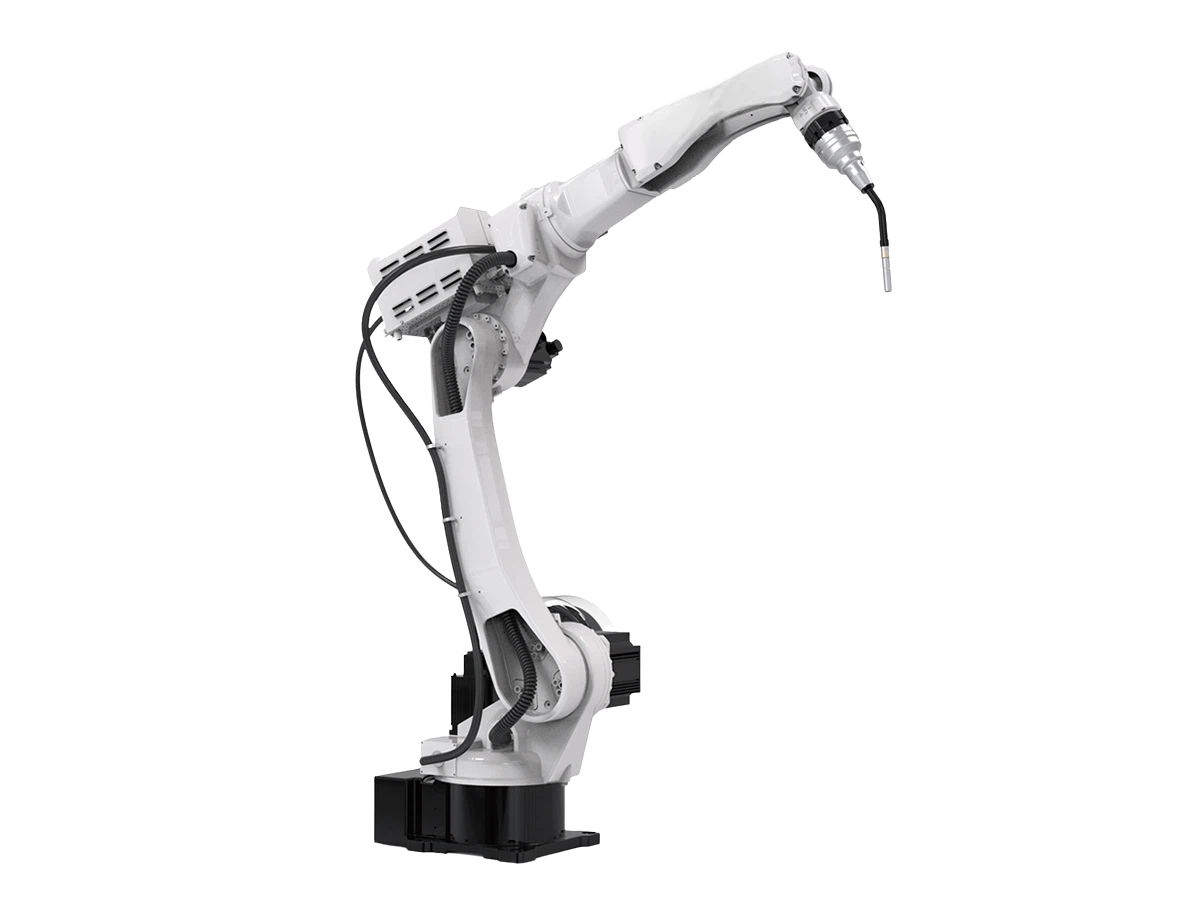
 6 Axis 2000mm ArmSpan MlG Industrial Welding RobotThis welding robot is designed for reliable arc welding in harsh production environments, featuring a long reach, stable repeatability, and flexible installation.
![星星1]()
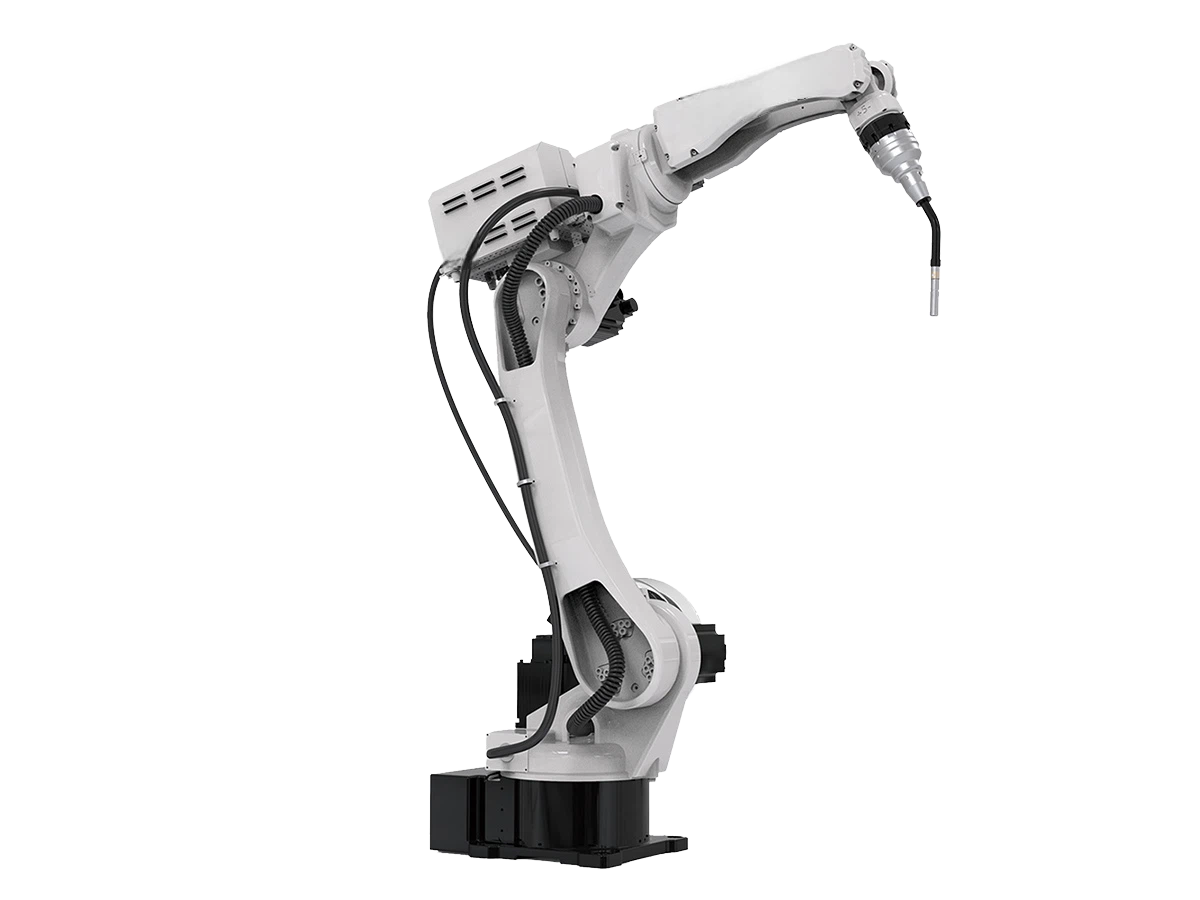
- 6 Axis 1800mm ArmSpan MlG Industrial Welding RobotThe welding robot with 1945mm reach, 6kg payload and ±0.08mm repeatability for consistent automated welding.
![星星1]()
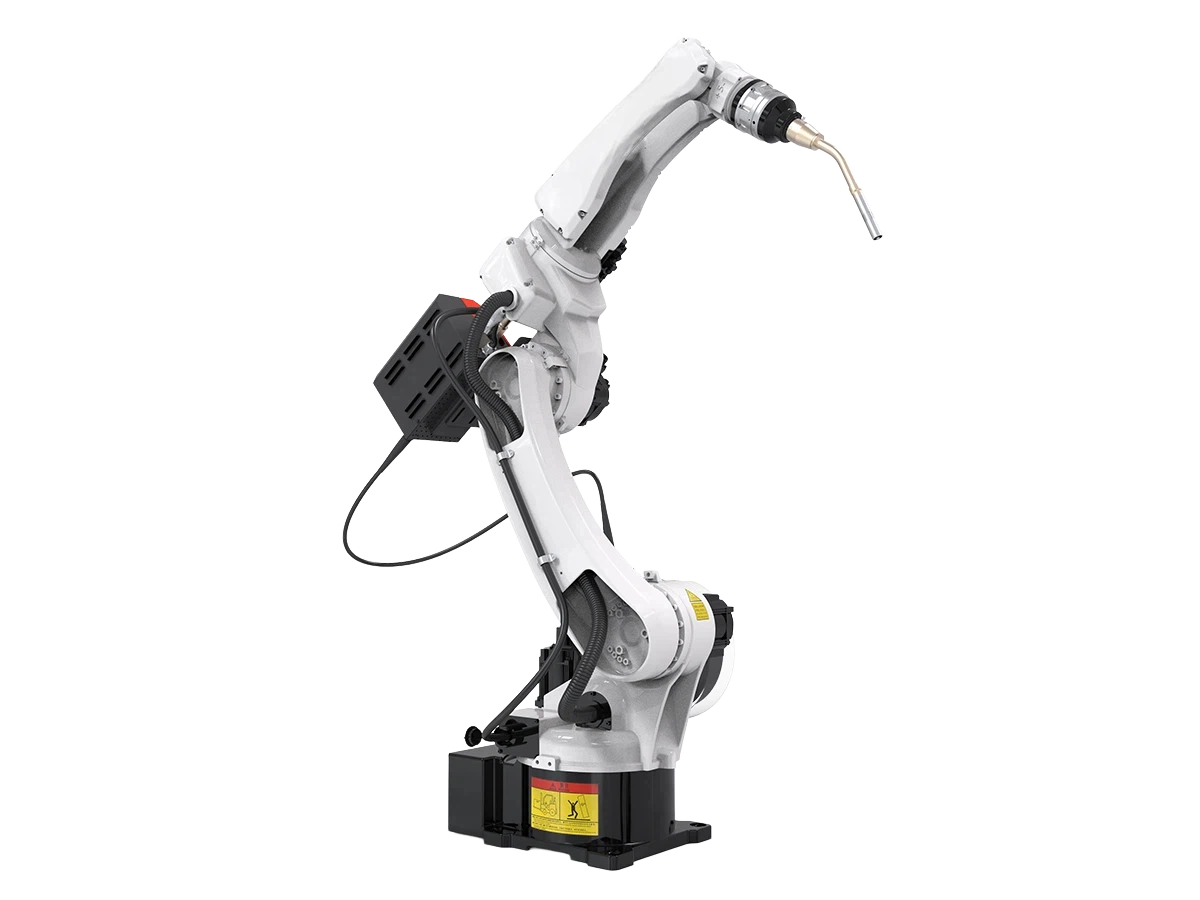
- 6 Axis 1500mm ArmSpan Industrial Welding RobotWith a maximum reach of 1594 mm, the robot is well suited to medium-scale welding cells where coverage matters.
![星星1]()

Send Us A Message
Send us a Message
A dedicated person will follow up on your needs one-on-one and provide personalized customized solutions according
to your needs.
Get In Touch
We look forward to hearing from you for in-depth communication on how to fulfill your mixing requirements.