




Non-standard Edge Milling Machine Without Pressure Beam
Full-range Machinery & Customized Non-standard Solutions
Authorized Certificates & Independent R&D Patents
Over 10 Years Global Export & Worldwide Project Cases
Navigation

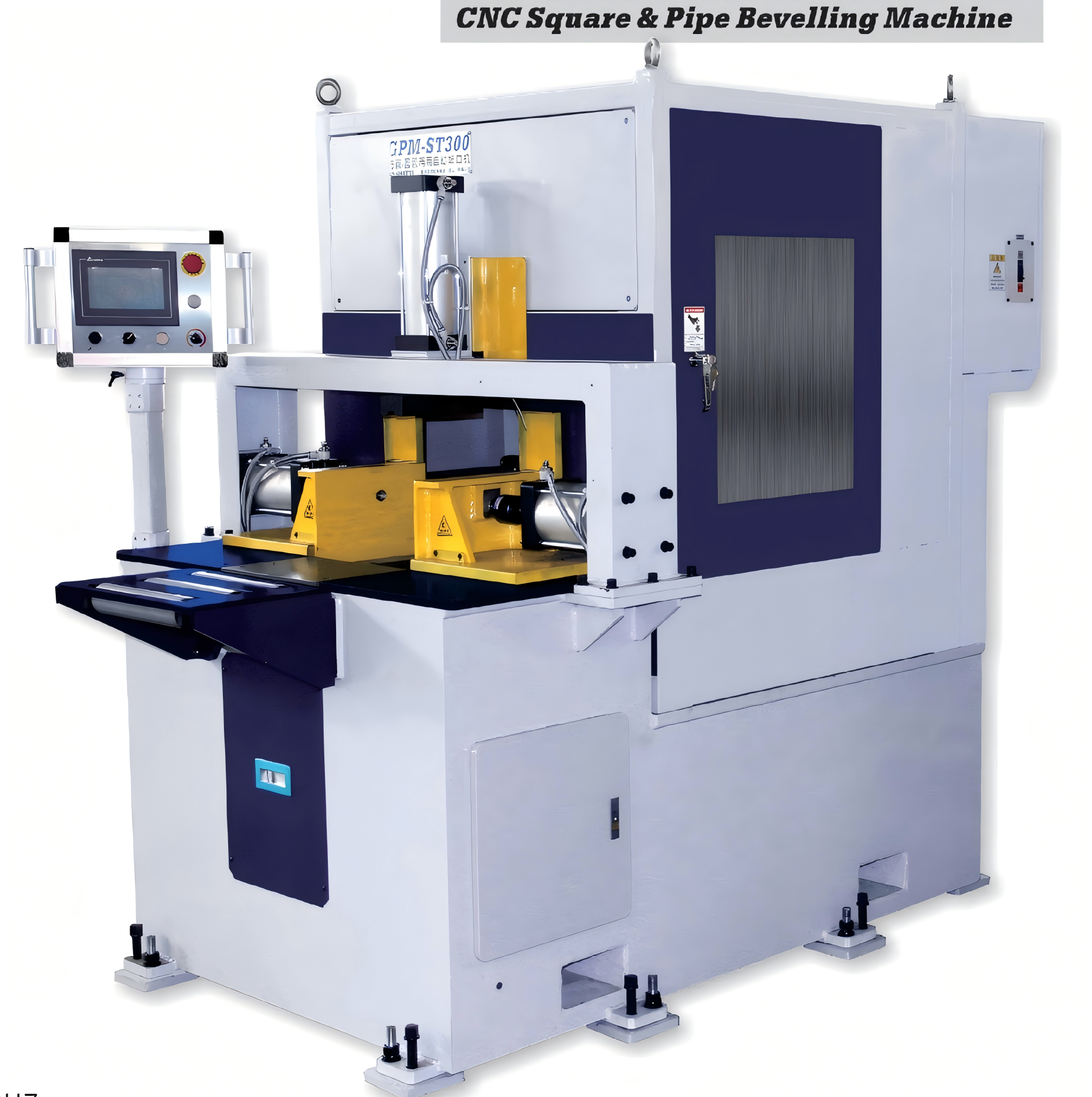
Non-standard Edge Milling Machine Without Pressure Beam Description
1. Introduction for Edge Milling Machine:
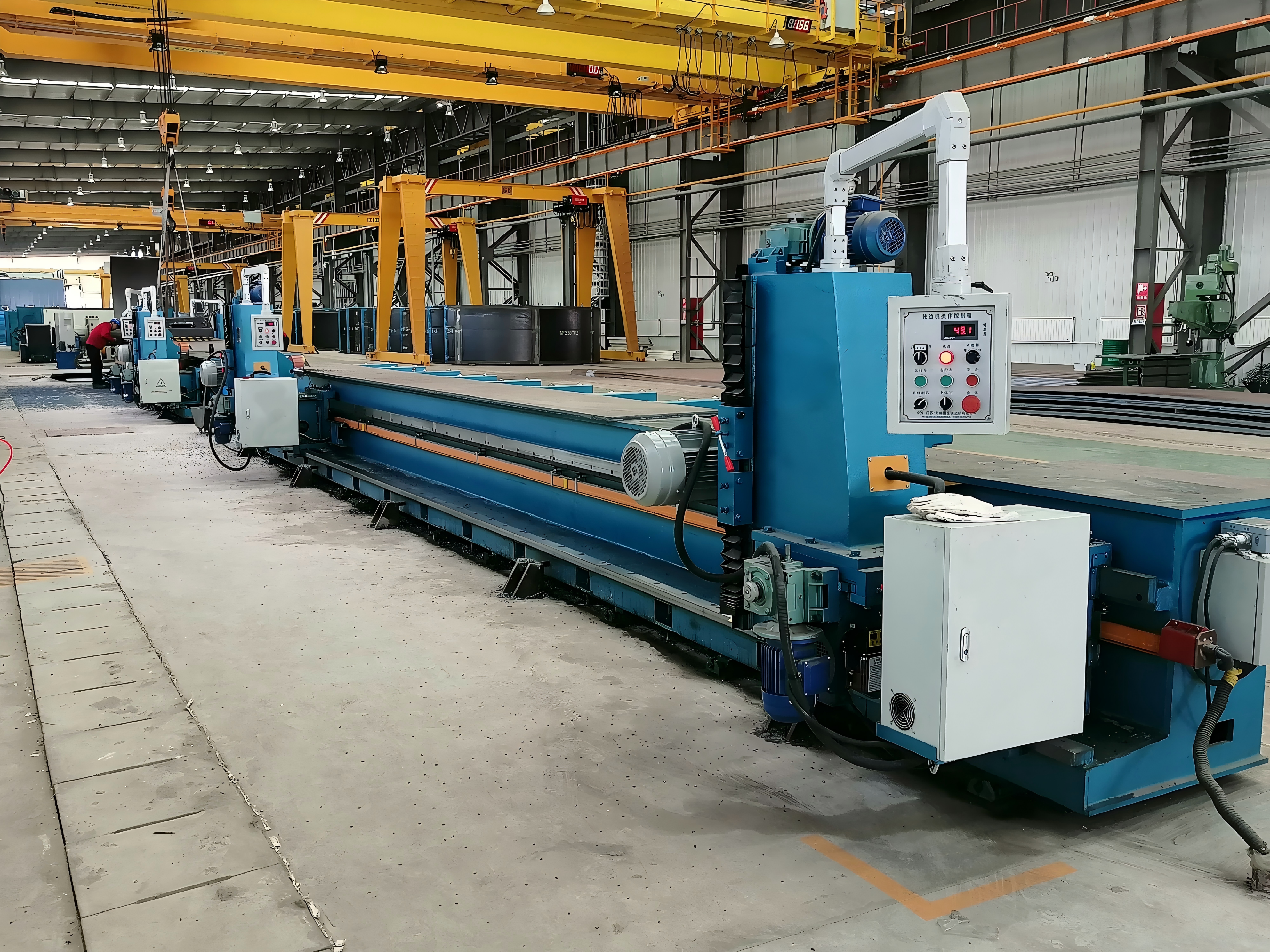
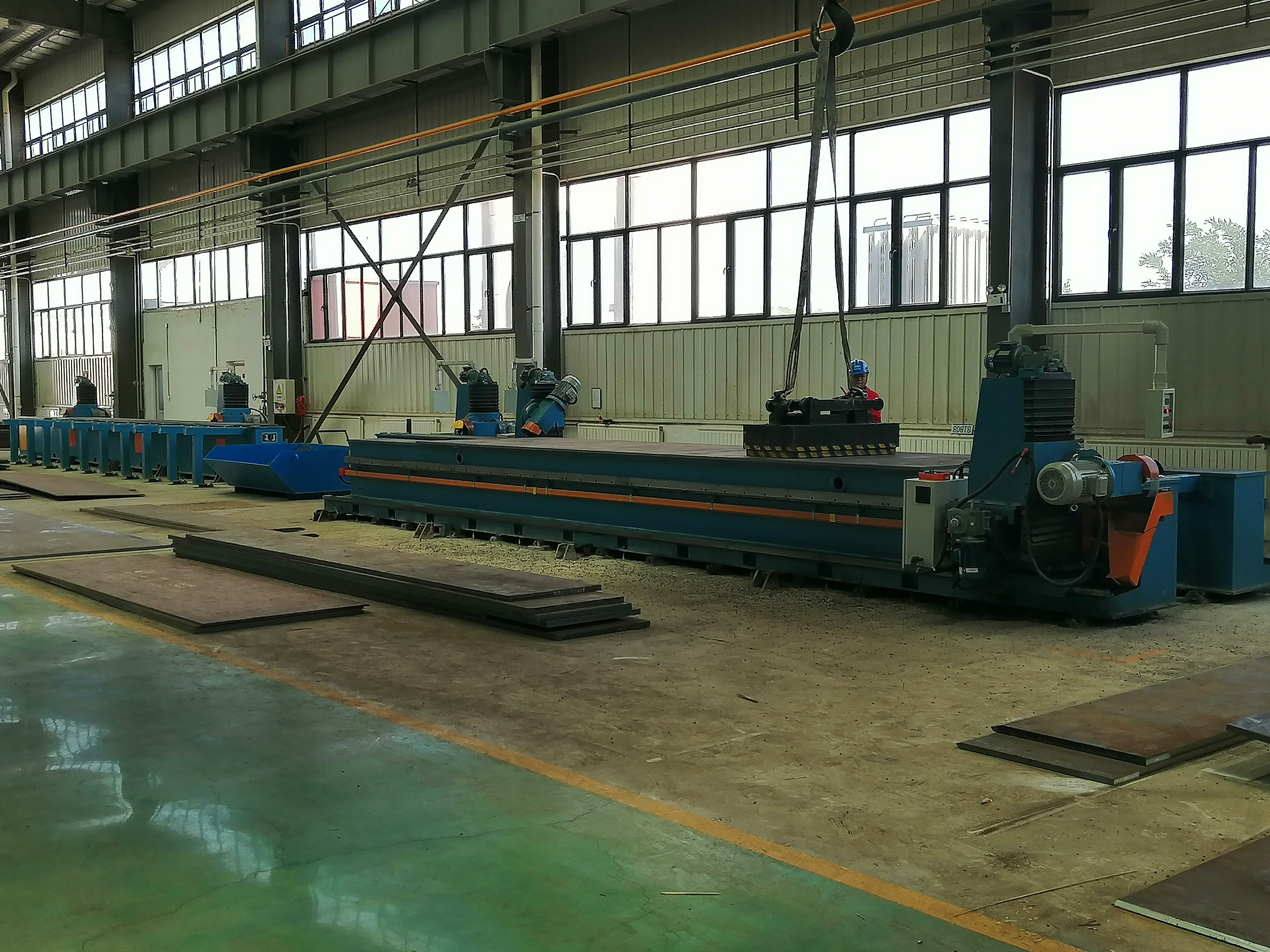
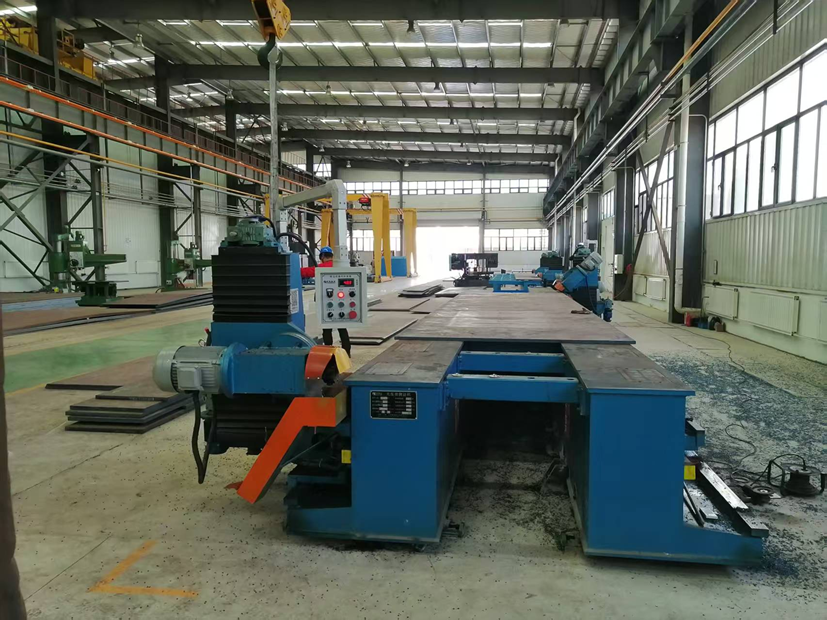
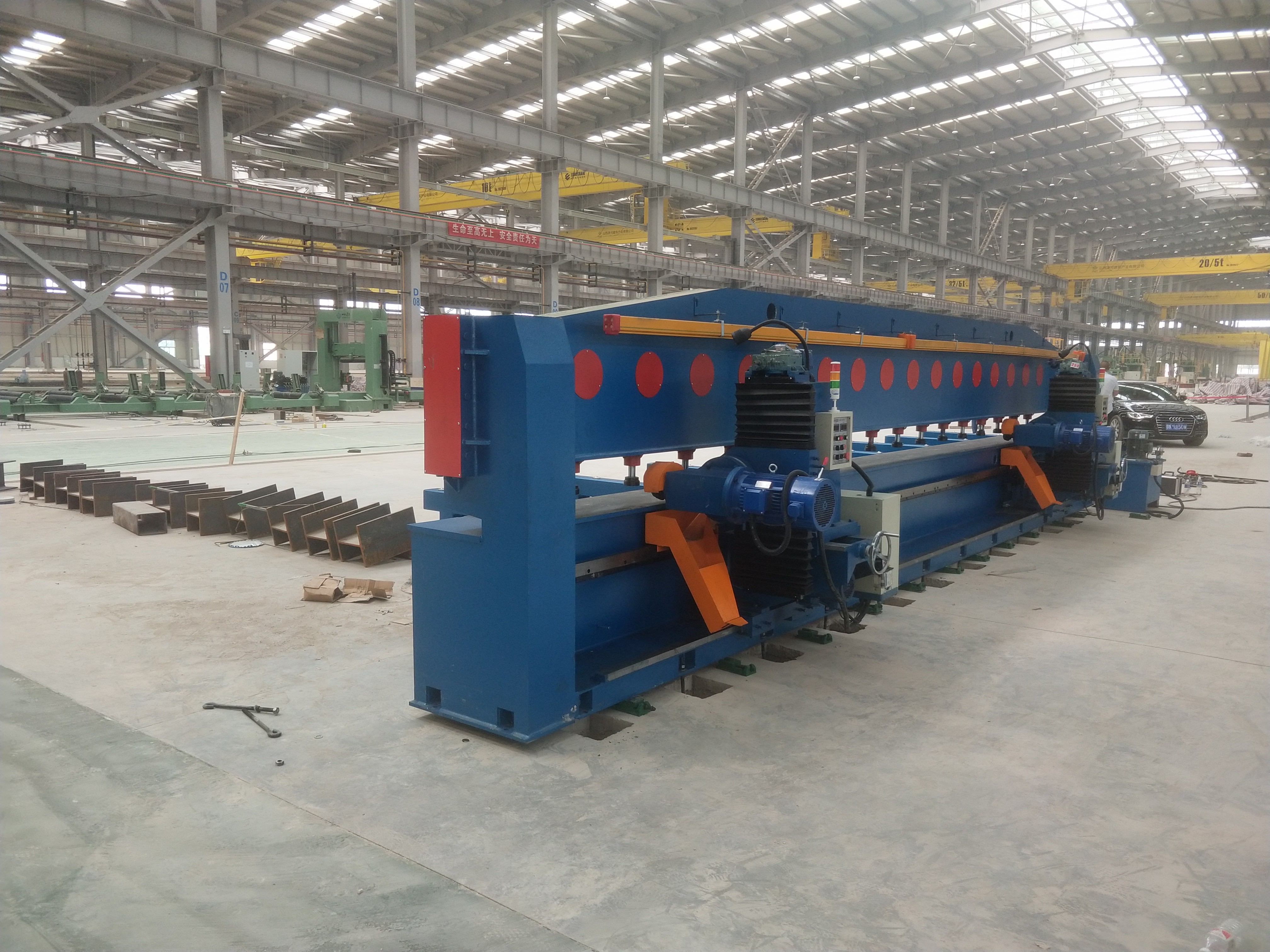
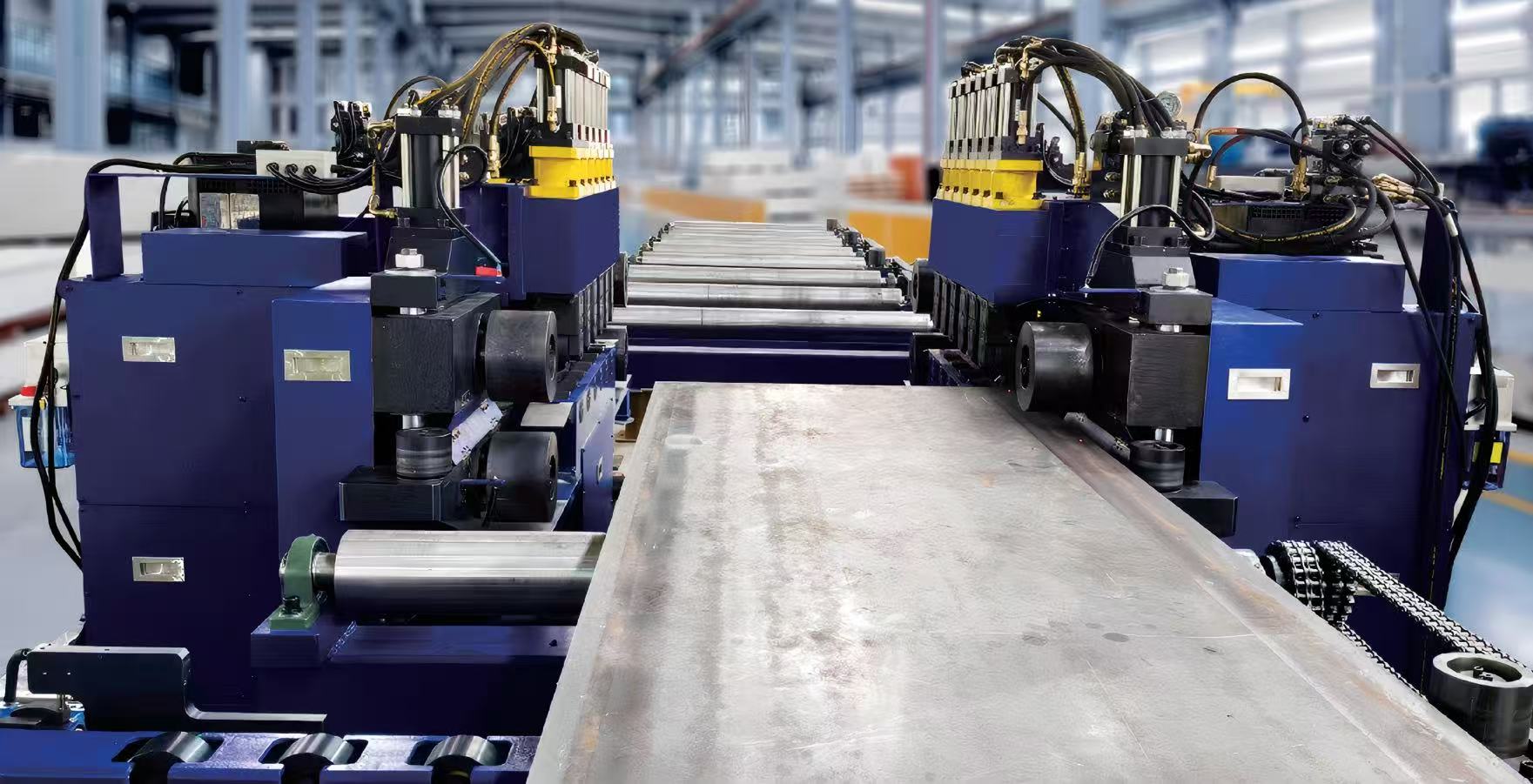
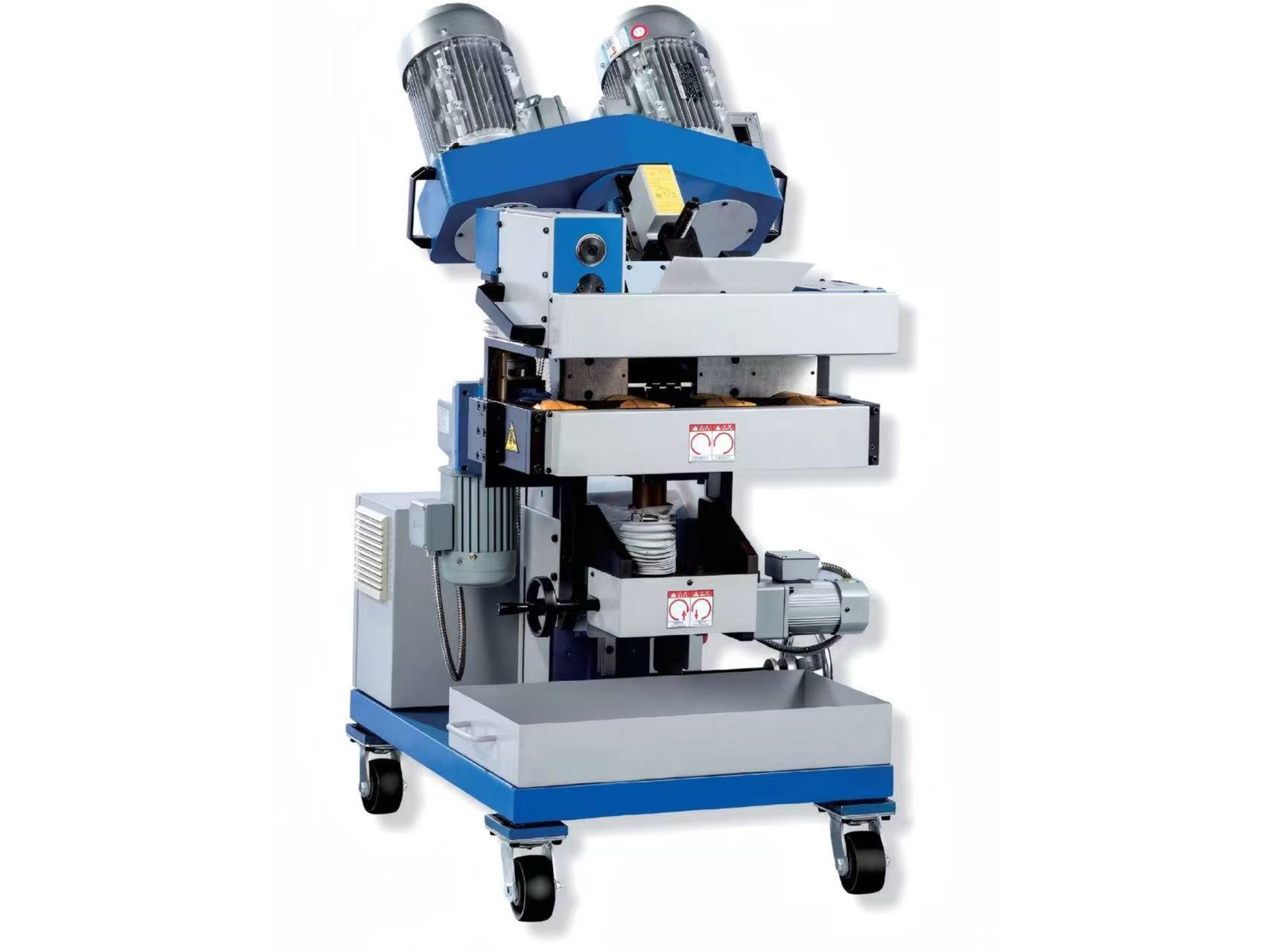
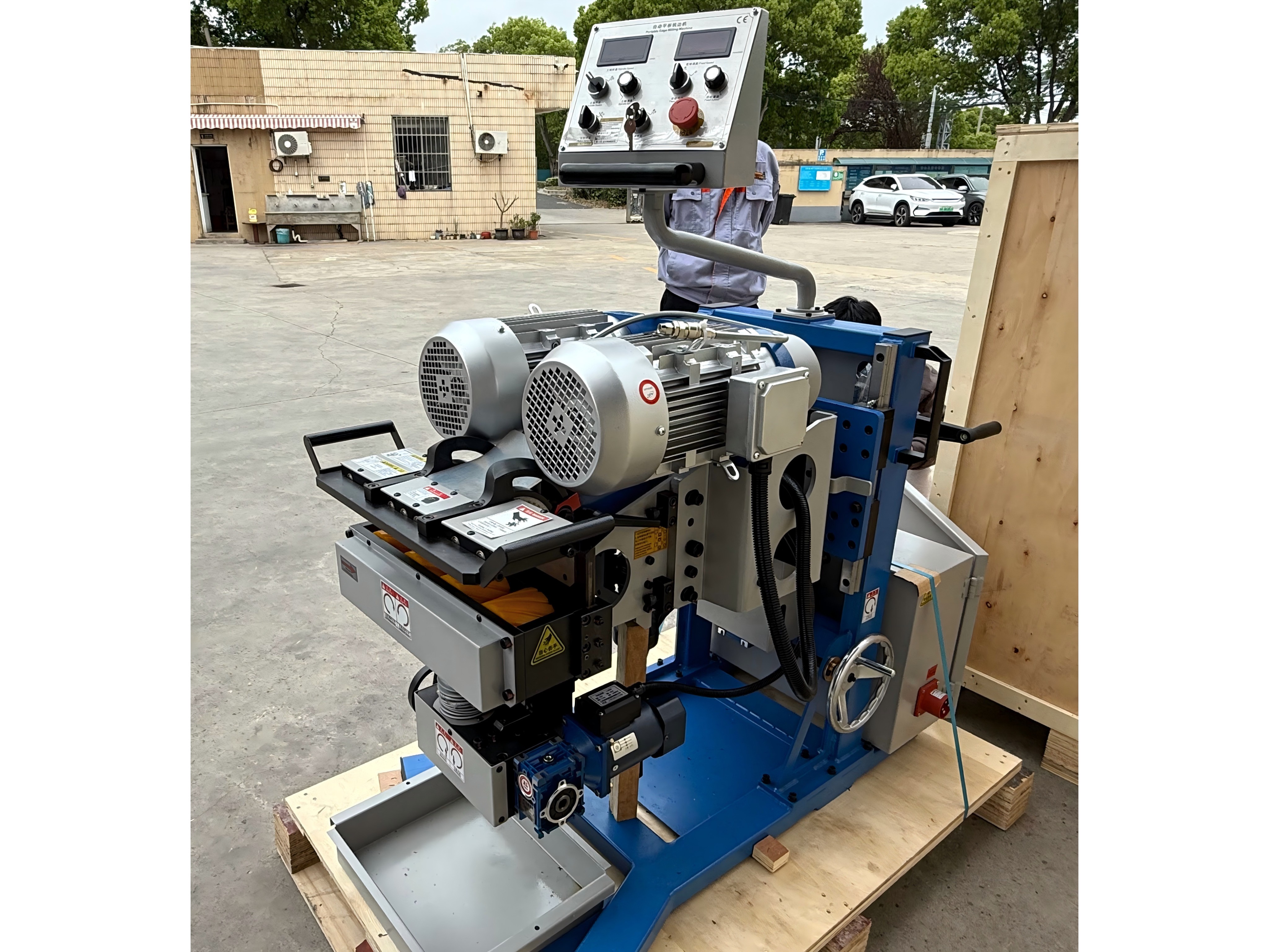
The XBJ series edge milling machine, developed by our company based on extensive research, is a new and advanced high-efficiency milling equipment that replaces traditional planing processes. It is widely used in pressure vessel, boiler, shipbuilding, electric power, chemical, and machinery industries for processing straight flanges, bevel edges, and U-type grooves prior to welding. Key features include:
1.1 The main frame is welded and undergoes high-temperature annealing treatment to prevent deformation.
1.2 The guide rail combines suspension and seating structures, offering greater stability than conventional designs and reducing vibration.
1.3 The feeding device is motor-driven with VFD control, with a speed range of 0.13–1.0 m/min.
1.4 The milling head uses standard milling cutters for broad compatibility.
1.5 A workpiece keep-off device facilitates convenient plate positioning.
1.6 A special support device at the bottom is designed for long workpieces.
1.7 The slide-touch wire system is safer and more aesthetically pleasing than traditional hanging wires.
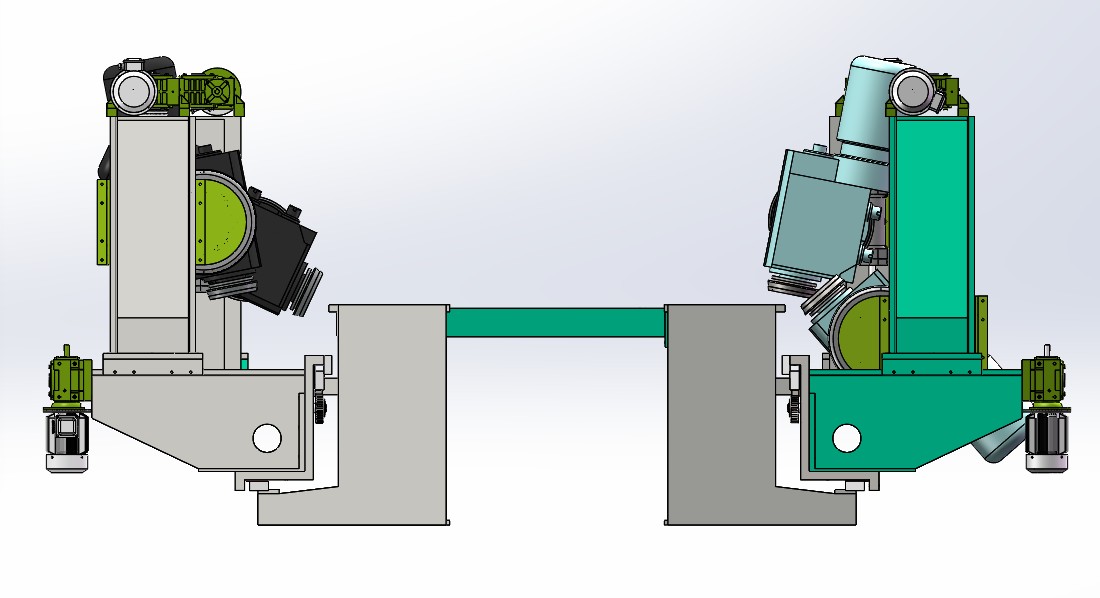
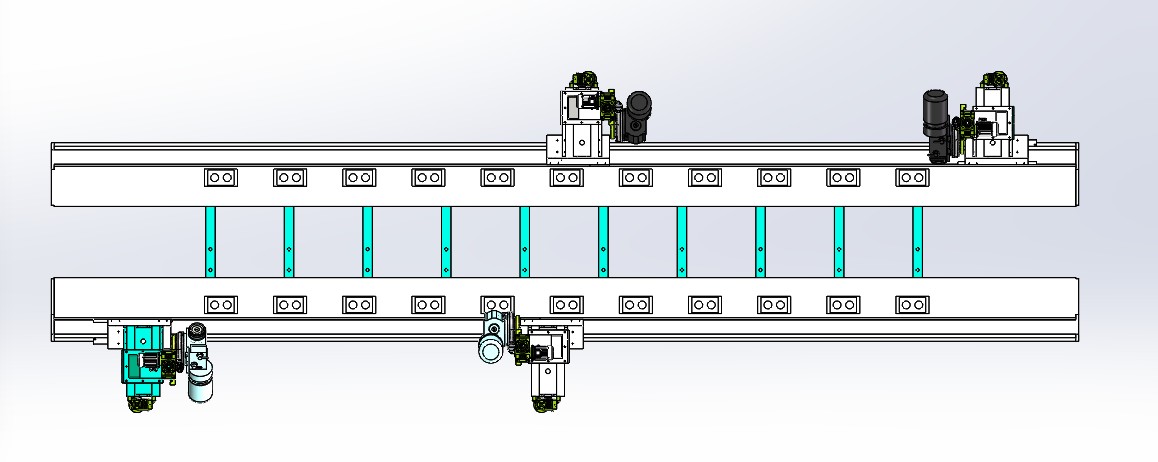
2.Technical parameter for Edge milling machine
3.Characters for Edge milling machine:
3.1 High Efficiency and High Precision: Utilizing the principle of high-speed milling, the processing accuracy can reach the micron level. It can form various bevels such as inclined edges, straight edges, U-shaped, V-shaped, and K-shaped in one operation, without the need for secondary grinding.
3.2 High degree of automation: The automatic walking type and CNC type can achieve automatic clamping, edge detection, feed, and return movement, reducing manual intervention and enhancing production efficiency.
3.3 Strong adaptability: It can process various materials such as carbon steel, stainless steel, and aluminum plates; the thickness range is wide, with the standard model covering 6–80mm, and some heavy-duty models (such as the non-pressure beam type) can reach 6–400mm.
3.4 The adjustable range of the bevel angle is typically from 0° to 90°. Some models support an angle range of 15° to 60° or 30° to 60°.
3.5 Low Energy Consumption and Low Cost: Compared to the edge planer, it has the advantages of lower price, lower energy consumption, higher finish quality, and easier maintenance.
3.6 Advanced Structure: The guide rails are designed for disassembly and are heat-treated to ensure smooth operation; the return system is independent of the feed system, enhancing efficiency; the angle of the cutter head can be adjusted flexibly, and standard and customized cutter heads can be interchanged.
products faq
An Edge Milling Machine uses high-speed rotating milling cutters to remove material, offering faster processing speeds, superior surface finish, and higher precision (micron-level). An Edge Planer uses a reciprocating cutting action, which is slower, produces rougher surfaces, and requires more maintenance. Milling machines also support multiple bevel profiles in a single pass, while planers are typically limited to straight edges.
The machine can produce a wide variety of bevel profiles in one pass, including:
Straight edges
Inclined / beveled edges (V, Y, X, K shapes)
U-shaped grooves
Compound bevels
Bevel angles are adjustable, typically from 0° to 90°, with select models supporting specific ranges such as 15°–60° or 30°–60°.
Standard models typically process plates from 6mm to 80mm thick. For heavy-duty applications, we offer non-pressure beam type models capable of handling thicknesses up to 6mm to 400mm. The machine works with carbon steel, stainless steel, aluminum, and other common structural materials.
The feeding speed is adjustable from 0.13 to 1.0 m/min, controlled by a Variable Frequency Drive (VFD). This allows operators to select the optimal speed for different materials and bevel requirements, balancing productivity and tool life.
The machine features:
A welded main frame with stress-relief heat treatment to prevent deformation
A combined suspension and seater guide rail design for reduced vibration
Motor-driven feeding system with precise VFD speed control
High-quality standard milling cutters for consistent cutting
These design elements ensure stable operation and repeatable accuracy even under continuous production conditions.
Routine maintenance includes:
Inspecting and replacing milling cutter inserts as needed
Lubricating guide rails and moving parts
Checking VFD and electrical connections
Cleaning the machine after use to remove metal chips and debris
Inspecting the hydraulic/pneumatic system (if equipped)
Calibrating workpiece positioning devices periodically
Regular preventive maintenance ensures long-term reliability, accuracy, and extended machine service life. We provide detailed maintenance schedules and spare parts support.