




Automatic Plate Folding Machine vs Manual Bending Costs
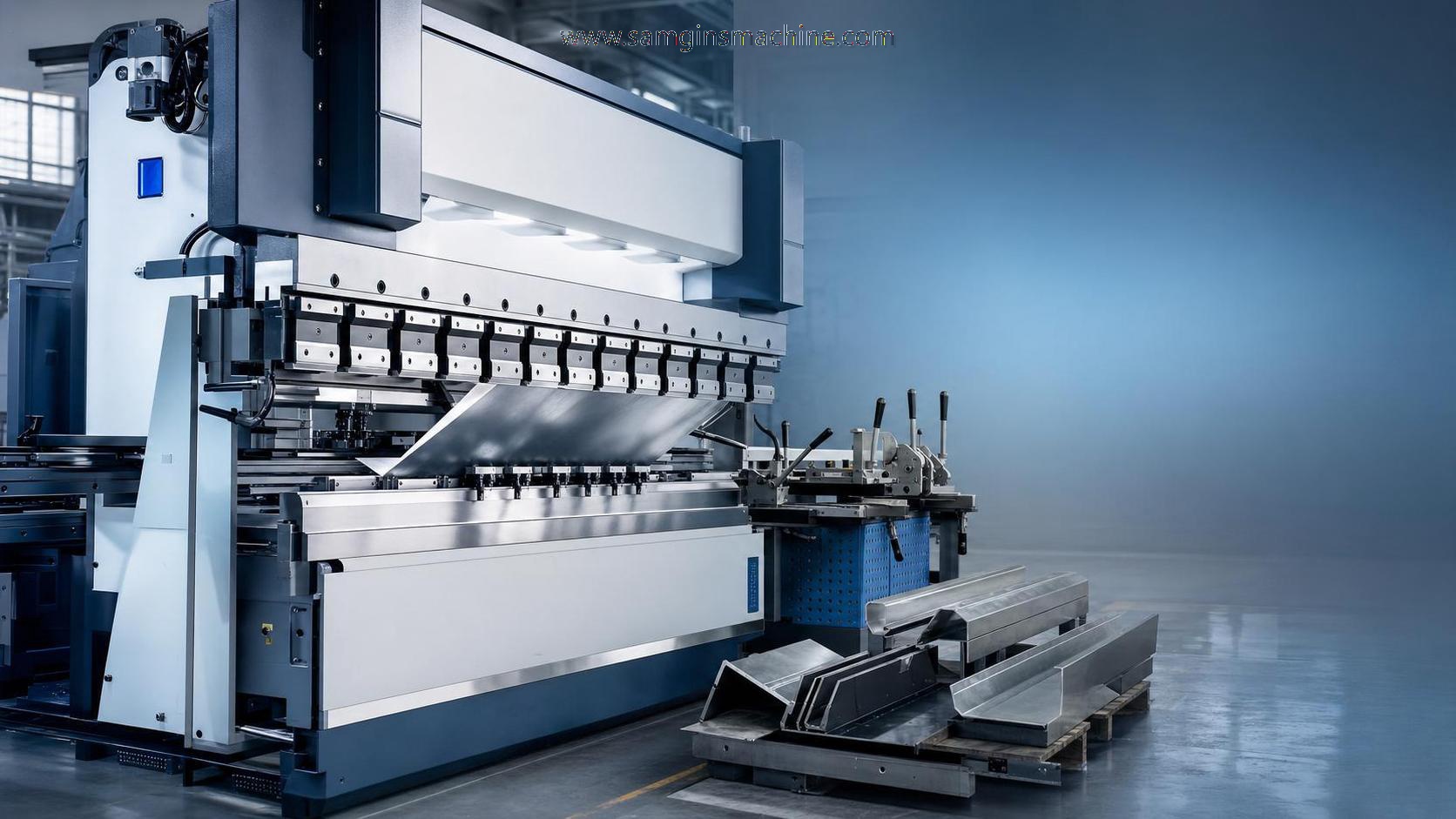
Automatic Plate Folding Machine vs Manual Bending Costs
For finance decision-makers, cost comparison should go beyond machine price.
The real question is how each process affects profit, cash flow, and production stability.
An Automatic Plate folding machine often looks expensive at first glance.
Manual bending usually looks cheaper because the entry cost is lower.
But equipment buying rarely succeeds on purchase price alone.
Labor hours, scrap rates, output speed, and quality consistency change the total picture.
This also means the cheaper option on day one may be the costlier option after one year.
In practical purchasing work, that gap matters more than list price.
Why This Cost Comparison Matters
Sheet metal operations are under pressure to quote faster and deliver with fewer errors.
Customers now expect shorter lead times and more stable part quality.
That pressure exposes the hidden cost of manual bending.
A single bending operator can become a production bottleneck.
An Automatic Plate folding machine reduces dependence on operator technique for repeat jobs.
It also makes output easier to forecast during peak demand.
From a budgeting perspective, predictable throughput is valuable because it supports cleaner cost planning.
Upfront Investment: The Most Visible Cost
Manual bending equipment usually requires less capital at the start.
For small workshops, that lower entry point can feel safer.
An Automatic Plate folding machine has a higher purchase price and may need training.
Some sites may also need floor planning or power adjustments.
However, this visible cost is only one layer of the decision.
A finance review should compare total cost over three to five years.
That horizon captures labor savings, reduced rework, and higher productive hours.
Labor Costs Change the Equation Fast
Labor is often the biggest reason companies shift toward automation.
Manual bending depends heavily on experienced operators.
When wages rise, total bending cost rises immediately.
When experienced staff leave, training time creates another hidden expense.
An Automatic Plate folding machine can lower direct labor per part.
One operator may supervise more output with less physical handling.
That matters especially in plants facing labor shortages or multi-shift schedules.
In many cases, the labor difference pays back the machine faster than expected.
- Manual bending often needs more operator intervention per batch.
- Setup adjustment may consume valuable skilled labor time.
- Automation usually lowers overtime pressure during urgent orders.
- Standardized processes reduce dependence on one key technician.
Speed, Capacity, and Daily Output
Production speed directly influences cost per part.
A slow process ties up labor, machines, and delivery commitments.
An Automatic Plate folding machine is usually stronger in repeatable, medium-to-high volume work.
Cycle times become more stable, which improves production planning.
Manual bending can still fit low-volume jobs or highly variable custom work.
But once order volume rises, manual methods tend to lose efficiency.
The extra speed from automation may also postpone the need for a second machine.
That delays future capital spending, which is often overlooked in early budgeting.
Quality Consistency and Rework Costs
Rework is one of the least visible but most damaging cost drivers.
Manual bending quality depends more on human judgment, fatigue, and handling technique.
That raises the chance of angle deviation, scratches, and inconsistent part shape.
An Automatic Plate folding machine improves repeatability across batches.
Better consistency lowers scrap, reduces inspection pressure, and protects delivery schedules.
This is particularly important when bending is followed by welding or assembly.
Poorly bent parts create downstream waste that is far more expensive than the original error.
In broader fabrication lines, many buyers pair bending automation with welding automation.
One example is 7 axis cantilever type welding robot.
It supports workpieces up to 12000mm in length and 2000mm in width.
For long structures, two robots can handle regional welding on parts above 12 meters.
That kind of process matching matters because consistent bending improves welding efficiency later.
Maintenance, Downtime, and Operating Risk
Some buyers assume manual bending is always lower risk.
That is not always true in daily operations.
Manual processes may avoid complex controls, but they expose output to staffing risk.
An Automatic Plate folding machine needs preventive maintenance and occasional technical support.
Still, planned maintenance is easier to budget than unpredictable human variation.
The key is supplier strength, spare parts access, and service response time.
Wuxi Samgins International Trade Co.,Ltd supplies mechanical equipment under ISO9001-oriented production management and EU CE aligned standards.
That background helps buyers assess long-term reliability beyond the sales quotation.
When Manual Bending Still Makes Sense
Automation is not automatically the right answer for every factory.
Manual bending can remain practical in a few situations.
- Very low order volume with irregular part designs.
- Short-term budget limits that block capital purchase.
- Prototype work where programs change too often.
- Operations with available skilled labor and no expansion pressure.
Even then, the choice should be reviewed regularly.
Rising wages or stronger demand can quickly erase the advantage of manual work.
How to Calculate the Real Return
A useful comparison starts with annual production volume.
Then calculate direct labor hours for current manual bending.
Next, estimate scrap cost, rework time, overtime, and missed delivery penalties.
Add maintenance, energy use, training, and financing cost for automation.
This framework gives a more honest result than comparing purchase prices alone.
- Measure current parts per shift and labor per batch.
- Track rework, scrap, and delay frequency for three months.
- Request cycle time data for an Automatic Plate folding machine on similar parts.
- Build a three-year total cost model with realistic utilization.
- Stress-test the model against wage growth and demand increases.
Final Buying View
The best choice depends on volume, labor conditions, quality targets, and growth plans.
Manual bending keeps initial spending low, but hidden costs rise quickly as production scales.
An Automatic Plate folding machine usually delivers stronger long-term value in repeat production.
It improves labor efficiency, consistency, planning accuracy, and cost visibility.
For purchasing teams, the practical step is simple.
Compare both options with real shop-floor data, not assumptions.
That approach leads to better capital decisions and fewer cost surprises later.
search
Products Navigation
Send Us A Message