




Fiber Laser Cutting Machine Operating Cost: Power, Gas, Consumables, and Maintenance
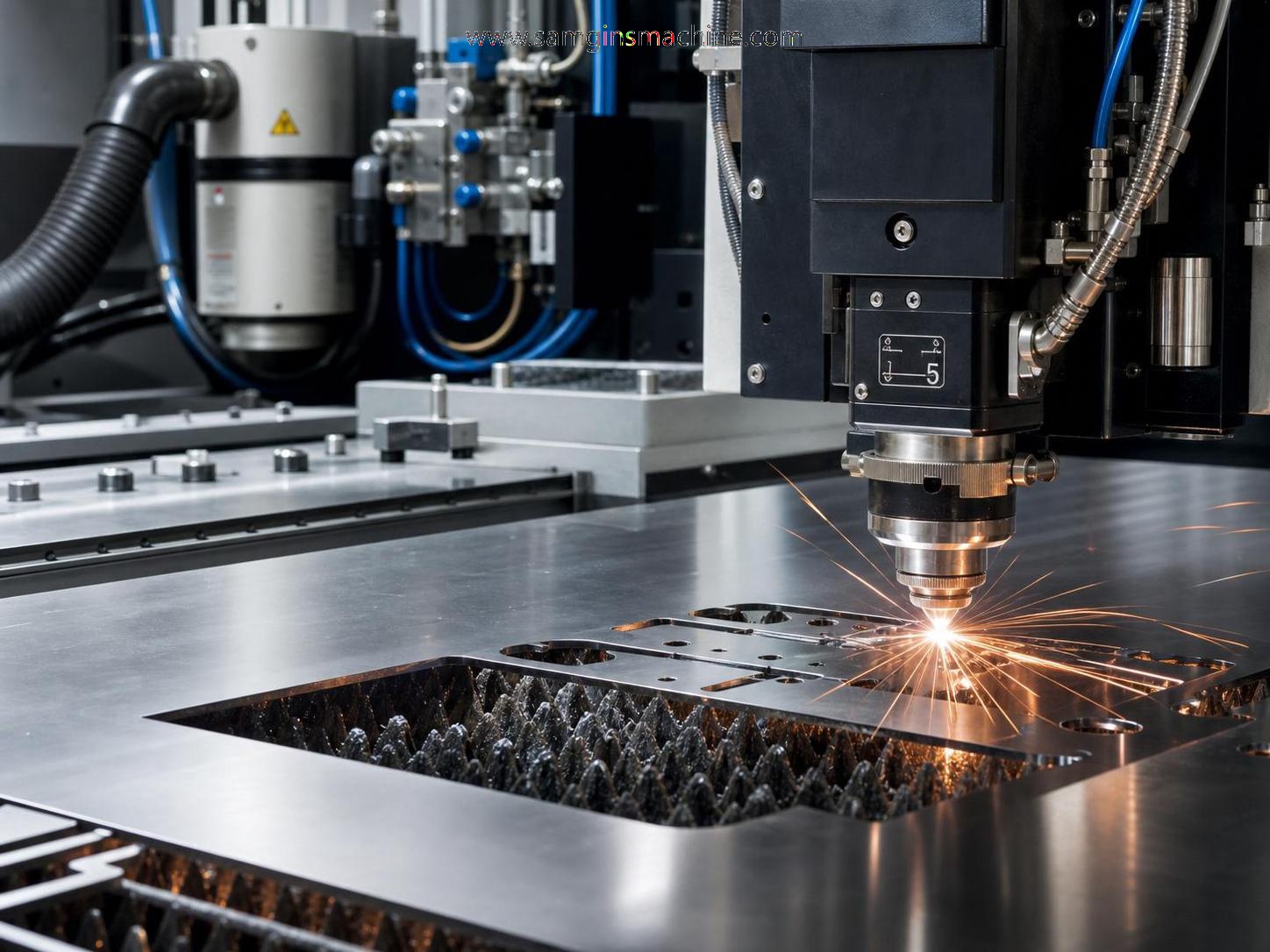
Fiber Laser Cutting Machine Operating Cost: What Really Drives ROI
For finance decision-makers, the real cost of a Fiber laser cutting machine starts after installation, not at purchase.
Electricity, assist gas, consumables, downtime, and maintenance shape the actual cost per part.
That is why two machines with similar prices can produce very different returns over three to five years.
This guide breaks down Fiber laser cutting machine operating cost in practical terms.
It focuses on the numbers that matter during budgeting, comparison, and final approval.
Start With Cost Per Part, Not Nameplate Price
A Fiber laser cutting machine should be evaluated by cost per finished part and annual throughput.
The purchase price is only one layer in the full ownership model.
In most factories, operating costs become more important after the first year.
A lower-priced system can become expensive if gas usage is high or downtime is frequent.
A higher-priced machine can win if cutting speed, stability, and maintenance intervals are better.
In practice, operating cost review usually comes down to four areas:
- power consumption
- assist gas use
- consumable replacement
- planned and unplanned maintenance
Power Consumption: A Small Line Item That Adds Up Fast
Power cost is usually the easiest number to estimate for a Fiber laser cutting machine.
But it is often underestimated because buyers focus only on laser source power.
Actual electrical demand includes the chiller, servo system, dust collector, control unit, and auxiliary devices.
A machine rated at 6kW does not simply consume 6kW during production.
Real consumption changes with sheet thickness, material type, shift pattern, and standby time.
What to check during cost review
- average kWh during active cutting
- power draw during idle periods
- daily operating hours and shift utilization
- local electricity tariff structure
The strongest comparison method is cost per productive hour, not theoretical peak power alone.
This also helps explain why automation can improve efficiency beyond labor savings.
If loading and unloading are slow, the machine keeps consuming power without generating output.
Assist Gas: Often the Largest Variable Operating Cost
For many users, assist gas is the most important operating cost in a Fiber laser cutting machine.
Nitrogen, oxygen, and compressed air each affect cost, cut quality, and production speed differently.
Nitrogen usually delivers cleaner edges on stainless steel and carbon steel parts.
It also tends to be the most expensive option, especially at high flow rates.
Oxygen can reduce gas cost in some applications, but edge quality and oxidation must be considered.
Compressed air may offer savings for selected materials and lower-value parts.
The budgeting questions that matter
- Which gas is used for the main product mix?
- What is the actual consumption by thickness range?
- Will gas be purchased in cylinders, tanks, or generated onsite?
- How much scrap is created when gas settings are unstable?
From a cost control view, gas strategy should be discussed before final machine selection.
This is especially true for high-volume operations running thicker sheets with nitrogen.
A faster Fiber laser cutting machine may still cost more if gas demand rises sharply.
Consumables: Small Parts, Real Financial Impact
Consumables are easy to overlook because each item seems inexpensive on its own.
But over a year, nozzles, protective lenses, ceramic rings, and filters create meaningful cost.
Their replacement frequency depends on material cleanliness, operator habits, and machine stability.
Lower-grade accessories can look cheaper at first, then increase failure rates and reject parts.
That is why annual consumable planning should include both price and service life.
Typical consumable cost drivers
- frequency of protective lens contamination
- nozzle damage from collisions or poor setup
- dust extraction efficiency
- operator training and preventive cleaning routines
One practical signal is consistency.
If a Fiber laser cutting machine delivers stable cutting quality, consumables usually last longer.
If quality drifts often, the hidden cost spreads into scrap, rework, and operator intervention.
Maintenance and Downtime: The Cost Most Quotations Do Not Show
Maintenance cost is not only about spare parts.
The bigger issue is lost production when a Fiber laser cutting machine stops unexpectedly.
Every unplanned shutdown affects delivery performance, overtime, and customer confidence.
For this reason, service responsiveness should be part of the financial evaluation.
A cheaper machine with slow support can become the more expensive asset.
Maintenance items worth checking
- recommended preventive maintenance schedule
- availability of local or remote technical support
- lead time for critical spare parts
- training level required for in-house technicians
Ask suppliers for expected uptime, not just warranty duration.
In actual business conditions, uptime has a more direct link to cash flow.
This becomes even more important when the machine supports rush orders or contract manufacturing.
Material Preparation Also Influences Cutting Cost
Operating cost does not begin at the cutting head.
Sheet flatness and residual stress affect piercing stability, cut accuracy, and reject rates.
That is why upstream preparation can reduce downstream laser cost.
In some production lines, adding a Plate leveling machine improves consistency before cutting.
This type of equipment applies pressure to create localized plastic deformation.
It progressively removes residual stress and helps achieve better flatness.
Configurations such as mechanical, hydraulic, and electric-hydraulic versions serve different production needs.
A system with 6 upper rollers and 7 lower rollers can support stable processing of metal material.
For high-precision work, precise roller gap adjustment can reduce variation before laser processing begins.
A Practical Cost Comparison Framework
When comparing suppliers, use a simple ownership model for each Fiber laser cutting machine option.
Then compare the result against annual output and margin per part.
This approach gives a more reliable view than comparing machine price alone.
How to Make a Smarter Purchase Decision
A good Fiber laser cutting machine decision balances capital spending with predictable operating cost.
The strongest approvals usually come from clear assumptions and verified production data.
Before approval, ask suppliers for sample-based estimates tied to your actual material mix.
Request evidence on gas demand, cutting speed, consumable life, and expected uptime.
Also check whether upstream processes can improve total efficiency and reduce downstream waste.
Wuxi Samgins International Trade Co.,Ltd supplies a wide range of fabrication equipment for global markets.
Its portfolio covers laser cutting machines, welding systems, CNC equipment, and sheet metal processing solutions.
With ISO9001-based production management and alignment with EU CE standards, the company supports reliable equipment selection.
In the end, the best Fiber laser cutting machine is the one that keeps unit cost controlled, uptime high, and payback realistic.
search
Products Navigation
Send Us A Message