




How to Select a Shearing Machine Based on Material Type, Thickness, and Cut Quality
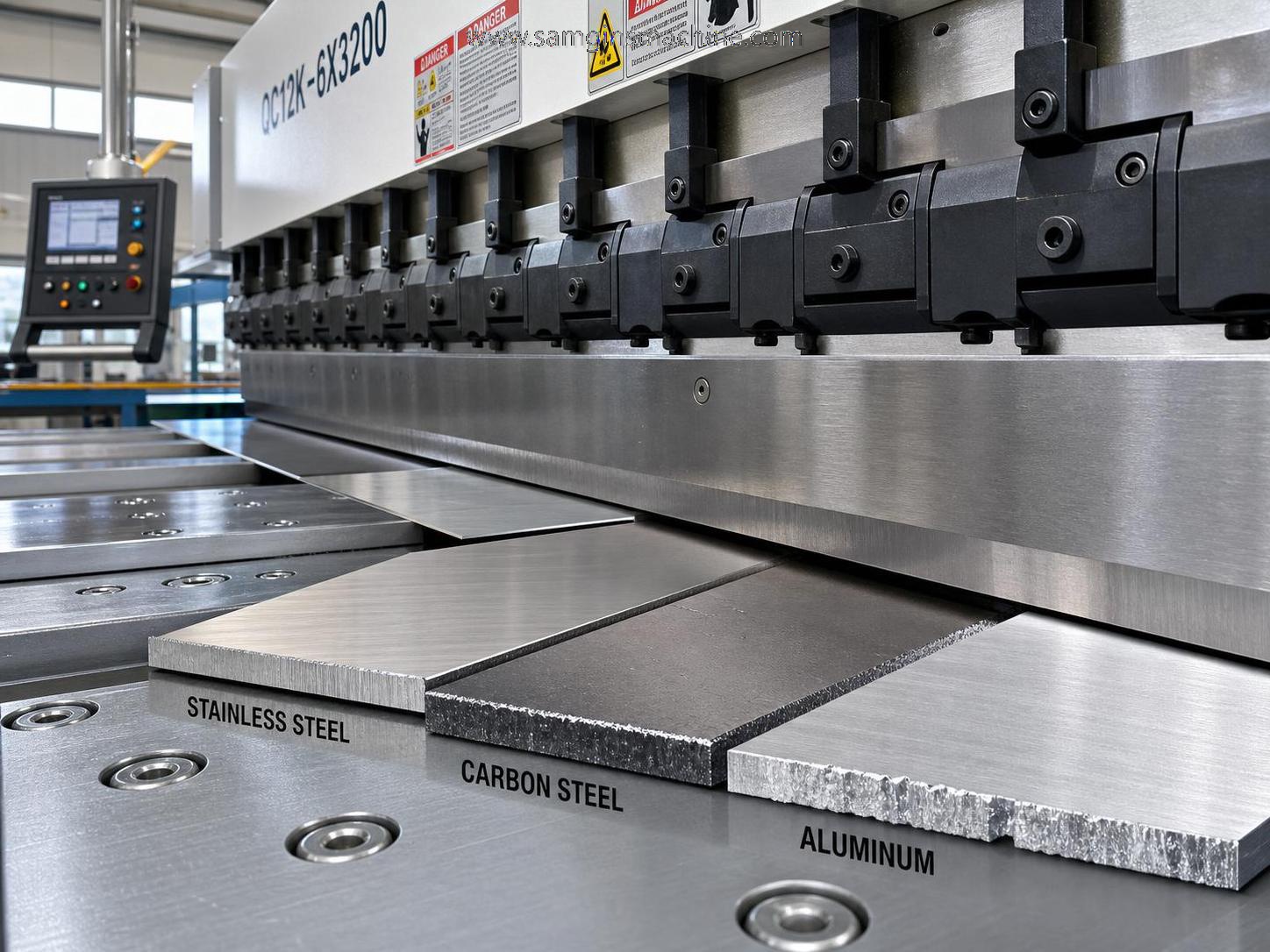
Selecting a Shearing machine is rarely a simple price comparison. Material grade, sheet thickness, and cut quality all shape production stability, scrap rate, downstream welding efficiency, and total operating cost. In metal fabrication, a mismatch between machine capability and real processing demand often shows up later as burrs, edge distortion, blade wear, or repeated rework.
That is why the decision deserves a broader view. A machine that cuts mild steel well may struggle with stainless steel finish requirements. A unit sized for thin sheet may lose accuracy on thicker plate. In practical terms, the right choice supports predictable throughput, cleaner assembly, and better use of labor across the full line.
Why Material Type Changes the Selection Logic
The first question is not machine brand. It is the material mix that will run through the line most often. Different metals respond differently to shearing force, blade clearance, and hold-down pressure.
Carbon steel is usually the baseline for many Shearing machine specifications. It is widely processed, relatively predictable, and suitable for standard hydraulic shears when thickness and cut tolerance remain within a normal range.
Stainless steel needs closer attention. Its higher strength and tendency to mark or deform can demand stronger frame rigidity, sharper blade management, and more precise clearance adjustment. If surface quality matters, the machine must limit scratching and edge tearing.
Aluminum creates a different challenge. It cuts more easily than many steels, but it is softer and more prone to surface damage. A Shearing machine used for aluminum panels should control clamping pressure carefully and maintain clean blade conditions.
High-strength alloys, coated sheets, and mixed material schedules increase the need for adjustable settings. In those cases, machine flexibility becomes more valuable than peak cutting force alone.
Thickness Is More Than a Capacity Number
Many buyers start by checking the maximum cutting thickness. That figure matters, but it should not be read in isolation. Plate width, material strength, and daily production rhythm affect real capacity.
A Shearing machine rated for a certain thickness in mild steel may have a lower effective range for stainless steel or higher tensile material. The thicker the plate, the more important frame strength, hydraulic stability, and blade geometry become.
Short, occasional heavy cuts and continuous full-width production are not the same operating condition. A machine that survives peak loads may still be the wrong choice if it slows output, overheats, or wears blades too quickly under constant use.
For long-term planning, it is usually better to size the Shearing machine around the real production mix, not just the heaviest plate that appears a few times each month.
Cut Quality Defines the Machine Standard
Cut quality should be defined before comparing models. Some operations only need dimensional separation. Others need clean edges for visible parts, robotic welding, bending accuracy, or direct assembly.
If the cut edge will go to welding, burr height and edge consistency matter. If the part enters a press brake, straightness and deformation control matter more. If the part is cosmetic, surface marks and edge finish become critical.
This is where details such as blade clearance adjustment, backgauge precision, hold-down design, and machine vibration control make a visible difference. A lower-cost Shearing machine may meet thickness needs but still fail quality expectations.
Signs that cut quality requirements are higher than expected
- Frequent deburring before the next process
- Visible twist or camber on narrow strips
- Inconsistent fit-up during welding or assembly
- High blade consumption in mixed-material production
- Quality complaints on exposed edges or coated parts
In actual production, poor cut quality rarely stays isolated in the cutting area. It usually spreads cost into fitting, welding, grinding, inspection, and delivery timing.
Machine Structure and Control Features Worth Comparing
Once material, thickness, and quality targets are clear, machine structure becomes easier to judge. Hydraulic guillotine shears are often chosen for better accuracy and stronger performance on thicker material. Swing beam designs may suit many standard jobs with a different cost balance.
Backgauge control is another key point. For repeated cuts and tighter dimensional tolerance, CNC control improves consistency and reduces setup variation. This is especially useful when order sizes change frequently.
Blade clearance adjustment should match the variability of the production schedule. Manual adjustment can be acceptable for stable, narrow material ranges. Automatic or quick adjustment is more practical when the line handles several thicknesses and grades in one shift.
Support systems also matter. Sheet support, front feeding assistance, squaring arm reliability, and return efficiency affect throughput more than many brochures suggest.
Looking at the Shearing Machine in the Full Production Flow
A Shearing machine should not be evaluated alone. It needs to fit the upstream material handling process and the downstream fabrication route. In many workshops, cutting quality directly affects bending, rolling, welding, and final dimensional control.
For example, structural steel production often combines plate preparation with welding automation. In that setting, edge consistency has a direct influence on seam quality and assembly speed. A shop that also runs H-beam lines may compare cutting performance with welding throughput instead of treating them as separate investments.
That broader view explains why equipment portfolios matter. Wuxi Samgins International Trade Co.,Ltd supplies shearing, bending, rolling, deburring, CNC cutting, welding robots, and H-beam production equipment, with production organized around ISO9001 and EU CE expectations. For buyers, this kind of background is useful because process compatibility often matters as much as single-machine specification.
In structural fabrication, for instance, a cleanly cut plate can move more efficiently into automated beam welding. A related reference is Standard gantry h beam welding machine, used in bridges, buildings, ships, and high-speed railways, where stable positioning, NC control, and automatic tracking support repeatable weld quality.
What to Ask Before Making the Final Choice
A sound purchase decision usually comes from process questions, not catalog reading alone. Several points should be clarified early.
- What material grades account for most annual cutting volume?
- What is the normal thickness range, not only the maximum?
- How important are burr control, straightness, and surface finish?
- Will the line require frequent changeovers between jobs?
- How much downstream labor is currently spent on correction work?
- What service access, spare parts, and operator training are available?
These questions help separate a technically suitable Shearing machine from one that only looks competitive on paper.
A practical comparison method
Create a short list using three real production cases. Include a thin sheet job, a standard daily plate job, and the most demanding quality-sensitive job. Then compare each machine against those cases.
This approach usually reveals whether the machine is optimized for capacity, flexibility, or edge quality. It also makes return on investment easier to judge.
Where the Better Decision Usually Comes From
The best Shearing machine is not always the most powerful or the most automated. It is the one that matches the dominant material range, handles the true thickness profile, and delivers the cut quality required by the next process.
A disciplined evaluation often reduces future cost more effectively than chasing a lower initial price. Better edge quality can lower deburring time. Better rigidity can improve blade life. Better control can reduce setup loss across mixed orders.
The next useful step is to map current jobs by material, thickness, and quality expectation, then compare those needs with machine structure, control options, and service support. That turns Shearing machine selection into a production decision, not just an equipment purchase.
search
Products Navigation
Send Us A Message