




How to Choose Sheet Metal Laser Profiling Machines for High-Mix Fabrication?
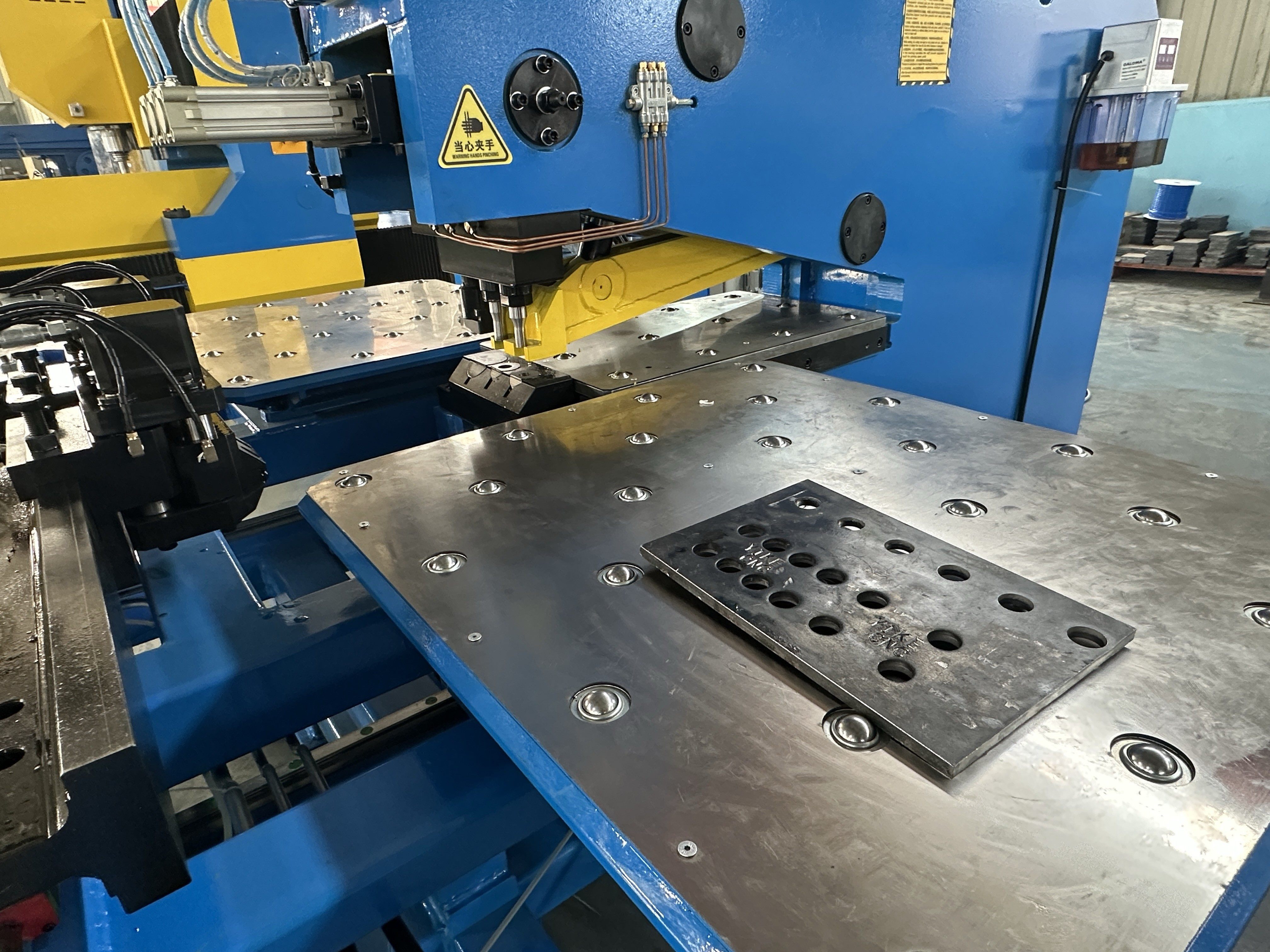
Choosing sheet metal laser profiling machines for high-mix fabrication is rarely a simple speed comparison. When production includes changing materials, short runs, tight tolerances, and frequent program shifts, the better decision usually comes from balancing flexibility, accuracy, automation, software flow, and stable long-term performance.
That matters across today’s manufacturing and processing machinery market, where customers expect faster turnaround without sacrificing part consistency. In practical terms, sheet metal laser profiling machines must support a wider mix of jobs while keeping setup time, scrap, and maintenance under control.
What high-mix fabrication really demands
High-mix fabrication means frequent product changes, variable batch sizes, and uneven material usage. One shift may include stainless covers, mild steel brackets, aluminum panels, and parts with different edge quality requirements.
Under these conditions, sheet metal laser profiling machines are judged by transition efficiency as much as cutting output. A machine that performs well on one standard plate may become inefficient when nesting complexity, nozzle changes, or parameter switching increases.
This is why technical evaluation should focus on the full process window. Material thickness range, piercing performance, gas use, remnant handling, and software response all affect real productivity.
Start with the part mix, not the machine brochure
A sound assessment begins with the actual workpiece portfolio. The most useful baseline is not maximum power, but the distribution of materials, thicknesses, hole diameters, contour complexity, and daily order variation.
For example, thin-gauge sheet with many small features may benefit from high acceleration, smart path control, and low thermal distortion. Thicker carbon steel may place more value on piercing stability and edge consistency.
When this mapping is done early, sheet metal laser profiling machines can be compared against real production behavior instead of headline specifications. That usually leads to better investment discipline.
Questions worth answering before comparison
- How often does material grade change during a normal week?
- Which thickness range represents most cutting hours?
- How many jobs require micro-joints, common-line cutting, or dense nesting?
- What level of burr control is needed before bending or welding?
- How much downtime is acceptable for calibration, nozzle replacement, or troubleshooting?
Key machine factors that influence high-mix performance
Cutting speed still matters, but it should be treated as one variable among several. In many mixed-production workshops, uptime and repeatability have a larger impact on delivered throughput.
Material flexibility
Sheet metal laser profiling machines should handle mild steel, stainless steel, aluminum, and coated sheets without excessive setup burden. Stable parameter libraries reduce trial cutting and shorten handover between orders.
Motion accuracy and contour control
High-mix jobs often include small holes, sharp corners, and fine contours. Servo quality, control algorithms, and machine rigidity determine whether these features stay within tolerance without slowing every path.
Piercing efficiency and edge quality
Parts with many internal features can lose time during piercing, not cutting. Evaluating piercing speed, spatter control, and edge finish is essential, especially where downstream deburring or fit-up quality matters.
Automation and loading logic
Automatic loading, unloading, nozzle changing, and sheet identification support mixed production more than they support repetitive mass production. They reduce labor dependency and stabilize cycle planning during order variation.
Software integration
Nesting software, ERP connection, parameter traceability, and remote diagnostics should be reviewed together. A strong machine with weak software often creates hidden delays in programming, revision control, and production feedback.
A practical comparison framework
The table below helps translate technical claims into operating value. It is especially useful when several sheet metal laser profiling machines appear similar on paper.
Why supplier capability affects machine selection
Machine choice is not only about hardware. It also depends on whether the supplier understands fabrication flow, adjacent equipment, and the way laser cutting interacts with bending, welding, deburring, and assembly.
A company with broad machinery experience can often identify process bottlenecks earlier. Wuxi Samgins International Trade Co., Ltd., established in 2012 in Wuxi, works across laser cutting machines, welding equipment, CNC machine tools, plate processing systems, and other fabrication machinery.
That broader view matters because a laser profiler rarely works alone. ISO9001-based production control and EU CE-oriented design discipline also help when consistency, export compliance, and long-term service planning are part of the evaluation.
Think beyond cutting to the downstream process
In mixed fabrication, the best sheet metal laser profiling machines are the ones that make the next process easier. Smooth edges, dimensional stability, and predictable slot geometry support faster bending, cleaner fit-up, and lower rework during welding.
This becomes obvious in projects that combine plate cutting with structural joining. A workshop producing truss components, brackets, and formed sections may pair laser cutting with automated welding systems for better overall flow.
For that reason, some buyers review related equipment during the same evaluation cycle. An example is Space frame welding machine, model WJ-5500, used for truss structure welding on steel workpieces.
Its dual-side welding capability, hydraulic support structure, and PLC-based control show how downstream automation can multiply the value of accurate cut parts. Suitable workpiece lengths from 800 mm to 5500 mm also align with many fabricated structural assemblies.
Common mistakes during technical evaluation
Several selection errors appear repeatedly when sheet metal laser profiling machines are purchased under schedule pressure. Most are avoidable with a more realistic test method.
- Using one demonstration sample instead of a representative part family.
- Comparing peak speed without measuring total job cycle time.
- Ignoring operator interface quality and programming efficiency.
- Underestimating consumable cost, gas demand, and service lead time.
- Evaluating laser output without considering deburring, forming, or welding requirements.
A stronger method is to test several real jobs, including thin sheet, moderate thickness, and a geometry-heavy part. The data should include scrap rate, setup time, edge condition, and operator intervention frequency.
What a balanced decision looks like
A good decision usually combines technical fit, workflow compatibility, and dependable supplier support. The right sheet metal laser profiling machines should match the current part mix while leaving room for future material changes and higher automation.
It is also worth checking how the machine behaves after months of use, not only during acceptance testing. Stability of optics, sensor reliability, software updates, and spare parts availability shape total ownership cost.
The next step is straightforward: organize real production samples, rank the must-have process requirements, and compare sheet metal laser profiling machines using total workflow data rather than brochure claims. That approach usually produces a clearer, more durable investment decision.
search
Products Navigation
Send Us A Message