




What Is the Typical Delivery Time from China to Europe?
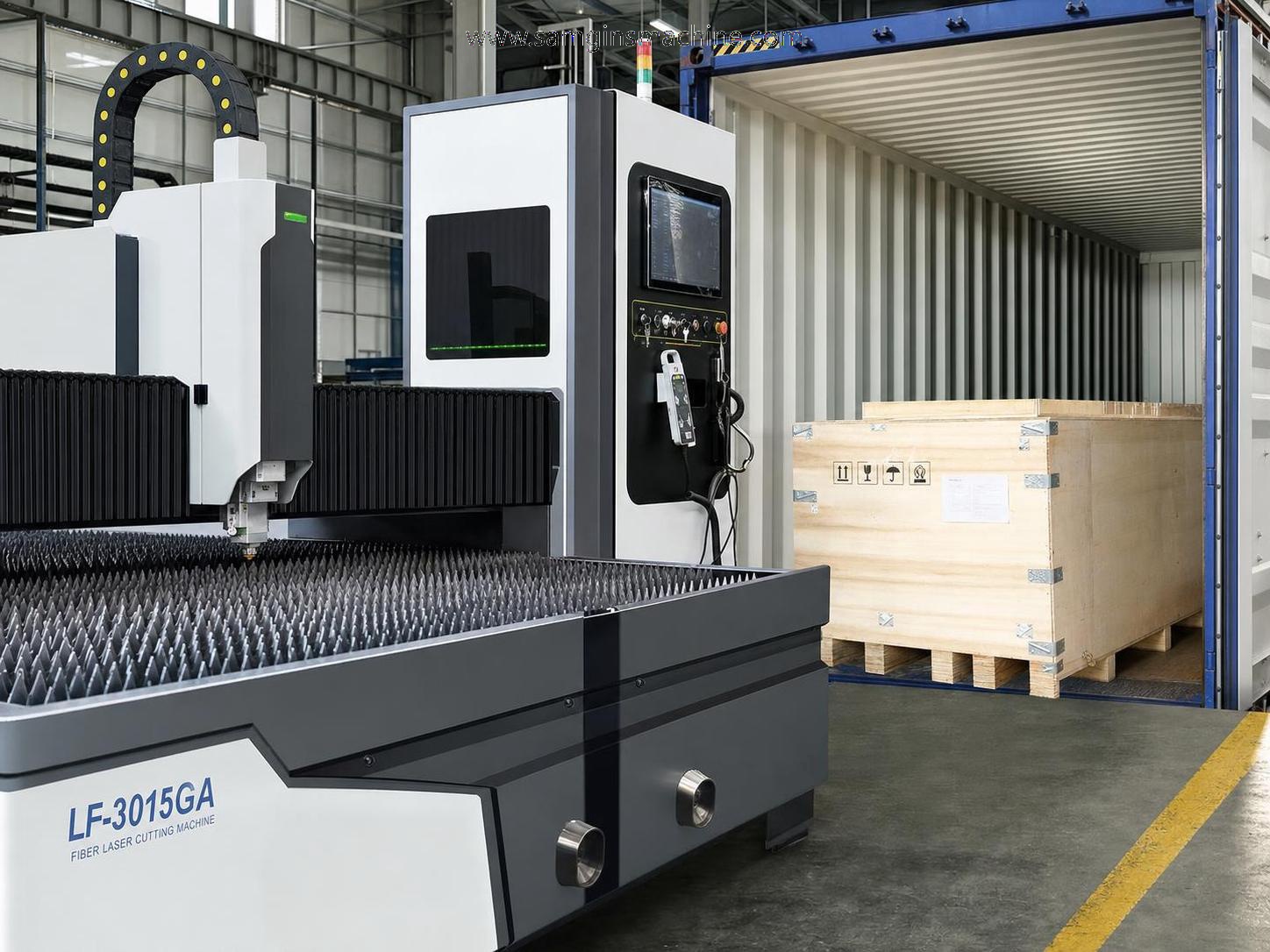
For buyers sourcing industrial equipment overseas, a common question is: What is the typical delivery time for a laser cutting machine from China to Europe? The answer depends on machine configuration, production scheduling, inspection, and shipping method. For manufacturers and distributors in Europe, understanding these timelines is essential for project planning, cost control, and supply chain efficiency when purchasing reliable CNC and metalworking machinery from China.
What affects the delivery time from China to Europe?
When buyers ask, “What is the typical delivery time for a laser cutting machine from China to Europe?”, they often focus only on sea transit. In practice, delivery time starts long before the machine reaches the port.
For manufacturing and processing machinery, the timeline usually includes technical confirmation, production, internal testing, packaging, export booking, ocean or rail transport, customs clearance, and final inland delivery. A standard machine and a customized line can differ by several weeks.
This is especially true for laser cutting machines, CNC cutting equipment, lathes, milling machines, welding robots, and H-beam production line equipment, because machine size, control system, optional components, and electrical standards all influence scheduling.
- Standard configuration machines usually move faster because drawings, BOM review, and common parts are already prepared.
- Customized solutions often require extra engineering review, especially when the buyer needs specific power standards, CE-related documentation, or integrated loading and unloading systems.
- Large-format or heavy equipment may need special packaging and container planning, which can extend booking and port handling time.
Typical time ranges by project stage
The most practical way to estimate lead time is to break the project into stages. That gives European buyers a clearer basis for procurement planning and installation scheduling.
The table below summarizes a realistic timeline for industrial laser cutting machine orders shipped from China to Europe.
For many projects, the full cycle is roughly 55 to 95 days from technical confirmation to arrival at the buyer’s site. If the machine is highly customized or part of a full production line, the timeframe can be longer.
How long does a laser cutting machine usually take?
If the question is specifically, “What is the typical delivery time for a laser cutting machine from China to Europe?”, the most common commercial answer is 8 to 12 weeks for standard models and 10 to 14 weeks for customized configurations.
However, buyers should separate factory lead time from logistics lead time. A supplier may promise fast production, but late technical confirmation, incomplete documents, or delayed booking can still affect the final arrival date.
Standard machine versus customized machine
European distributors and end users often compare standard stock-friendly equipment with project-based machinery. The choice changes both lead time and risk level.
This comparison helps buyers avoid one common mistake: using the lead time of a standard machine to plan a customized factory project. The two are not equivalent in engineering effort or shipment preparation.
Why do some deliveries move faster than others?
Lead time differences often come from procurement discipline rather than production alone. A clear RFQ with complete specifications can save days or even weeks before production starts.
Key factors that shorten or extend delivery
- Machine configuration: fiber laser source, power range, cutting bed size, rotary device, dust collection, and software options all affect parts sourcing and assembly complexity.
- Electrical and compliance requirements: European buyers often request CE-related support documents, local voltage compatibility, labels, manuals, and safety details before shipment release.
- Port and route planning: direct sailings are faster than transshipment routes, but they are not always available for every destination.
- Peak season pressure: shipping schedules around holidays, year-end ordering cycles, or container shortages can increase transit uncertainty.
- Inspection readiness: if the buyer requests third-party inspection, the machine must be fully tested and documentation must be complete before booking can proceed smoothly.
For this reason, experienced exporters of manufacturing machinery pay close attention to pre-shipment coordination. A supplier with structured production control and export experience can reduce avoidable delays even when global logistics fluctuate.
What should European buyers confirm before ordering?
If your question is not only “What is the typical delivery time for a laser cutting machine from China to Europe?” but also “How can I keep the schedule under control?”, the answer starts with procurement preparation.
Practical procurement checklist
- Confirm processing needs clearly, including material type, thickness range, sheet size, expected capacity, and required accuracy.
- Specify whether the machine is standalone or part of a broader production cell with welding, deburring, bending, or loading systems.
- Align electrical standards and local installation conditions early, including power supply, compressed air, floor space, and safety layout.
- Ask for a staged timeline covering production, FAT, packing, shipment booking, estimated transit, and destination handling.
- Review packing method and shipping dimensions in advance, especially for large machines that may require special container arrangements.
This checklist is useful not only for laser cutting machines but also for CNC machine tools, rolling machines, leveling machines, pipe benders, edge milling machines, and other metalworking equipment exported to Europe.
How do shipping methods compare for industrial machinery?
Shipping method selection has a direct impact on final lead time and total landed cost. For most laser cutting machines and heavy metalworking equipment, sea freight remains the most practical option. Still, rail can be considered for certain routes and machine sizes.
The following table compares common logistics options for machinery from China to Europe.
For full-size laser cutting machines, air freight is rarely cost-effective. Sea freight is typically preferred, while rail may be useful for time-sensitive orders if the cargo dimensions and destination network are suitable.
How can supplier capability influence delivery reliability?
Delivery time is not only about distance. It also depends on how well the supplier manages engineering, production, inspection, and export coordination. This matters even more in the manufacturing and processing machinery sector, where equipment is technical, heavy, and often customized.
Wuxi Samgins International Trade Co.,Ltd is based in Wuxi, Jiangsu Province, close to Shanghai. This location supports efficient communication, factory coordination, and access to major export logistics channels. Since 2012, the company has focused on mechanical equipment and related products, including automatic welding equipment, CNC cutting machines, milling machines, lathes, welding robots, laser cutting machines, and H-beam production line equipment.
For European buyers, this product range offers an advantage when a project includes more than one process. A supplier that understands cutting, welding, bending, rolling, milling, and deburring can usually coordinate lead times more realistically across the full equipment package.
Why this matters in real procurement
- A broader equipment background helps prevent mismatched timelines between upstream and downstream machines.
- Familiarity with ISO9001-based production control and EU CE-oriented standards supports more consistent documentation and quality communication.
- Export experience to Europe and other overseas markets helps reduce avoidable issues in packing, labeling, and shipping preparation.
Common mistakes that delay machine delivery
Many delays are preventable. Buyers who understand the usual risk points can make better procurement decisions and avoid schedule overruns.
Frequent misunderstandings
- Assuming shipping time equals total delivery time. It does not. Production, inspection, and inland handling are often longer than expected.
- Changing specifications after order confirmation. Even small changes to power, table size, or safety enclosure can affect parts scheduling and testing.
- Ignoring destination readiness. Delays can occur if the importer has not prepared customs documents, unloading equipment, or local installation support.
- Focusing only on machine price. A lower initial quote may lead to weak packing, unclear documentation, or longer downtime during delivery and commissioning.
In cross-border machinery trade, the cheapest path is not always the fastest or most economical once project delay costs are considered.
FAQ: delivery time, planning, and buyer concerns
What is the typical delivery time for a laser cutting machine from China to Europe?
For standard machines, buyers often see a total lead time of around 55 to 75 days. For customized machines, the more common range is 70 to 95 days. This includes production, inspection, shipping, customs handling, and inland delivery.
Can delivery be accelerated if the project is urgent?
Yes, but only to a point. Buyers can shorten the schedule by finalizing specifications quickly, approving drawings without delay, choosing standard configurations, and selecting faster available logistics routes. Spare parts can move by air, but full machines usually rely on sea or rail.
Does CE-related preparation affect shipment time?
It can. If the buyer requires specific documentation, labels, manuals, or safety details, these items should be aligned before production is completed. Late compliance discussions often create avoidable delays before export release.
Is a laser cutting machine lead time similar to other metalworking machinery?
The logic is similar, but exact timing varies. Welding robots, CNC lathes, milling machines, rolling machines, deburring machines, and beam line equipment each have their own production complexity, testing methods, and shipping dimensions.
Why choose a coordinated machinery supplier for European delivery planning?
When the real question is not just “What is the typical delivery time for a laser cutting machine from China to Europe?” but “How do I buy with fewer delays and fewer surprises?”, supplier coordination becomes critical.
Wuxi Samgins International Trade Co.,Ltd provides mechanical equipment covering cutting, welding, milling, turning, beam processing, bending, rolling, leveling, and deburring applications. This makes it easier to discuss not only one machine, but also process matching, delivery sequencing, and project compatibility.
If you are planning to source a laser cutting machine or related metalworking equipment for Europe, you can consult on specific topics such as machine parameters, configuration selection, estimated delivery schedule, packing and shipping method, CE-related requirements, and integrated equipment solutions.
A practical discussion at the early stage often saves more time than pushing for an unrealistic lead time later. If you have drawings, processing requirements, material thickness, target capacity, or preferred arrival date, these details can support a more accurate quotation and delivery plan.
search
Products Navigation
Send Us A Message