




What Is the Price of a Laser Cutting Machine for a Steel Structure Factory?
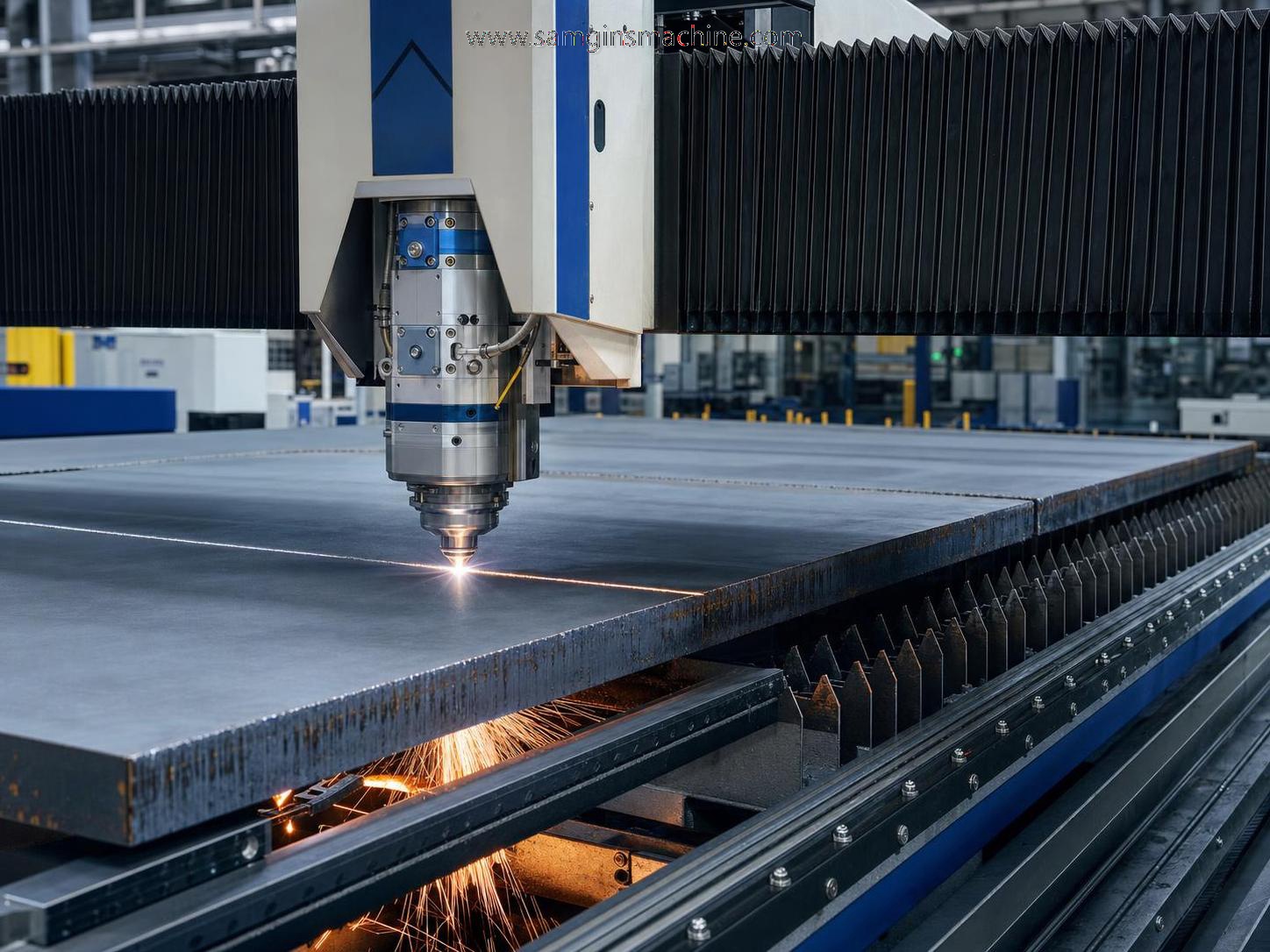
Understanding the laser cutting machine price for steel structure factory projects is essential for making a cost-effective investment. Prices vary depending on power, cutting thickness, automation level, and production capacity, especially in demanding steel fabrication environments. For factories seeking reliable performance, CE-compliant quality, and long-term value, choosing the right machine means balancing budget, efficiency, and precision to support stable, high-volume manufacturing.
For buyers in steel fabrication, the real question is not only how much a machine costs at the time of purchase, but how well that price matches production goals over the next 3 to 8 years. A lower upfront quote may still lead to higher operating costs, slower throughput, or limited cutting capacity when processing H-beam plates, connection plates, gussets, stiffeners, and other structural components.
In the manufacturing and processing machinery sector, the laser cutting machine price for steel structure factory use is usually influenced by 5 core factors: laser power, worktable size, automation level, source and component brand, and service support. For factories planning medium or high-volume steel processing, these factors directly affect both output stability and return on investment.
What Determines the Laser Cutting Machine Price for Steel Structure Factory Use
In steel structure production, machines are rarely selected by price alone. A factory cutting 6 mm carbon steel plates for light structures has very different needs from one processing 20 mm or 25 mm plates for heavy steel buildings, bridge sections, or industrial workshops. As a result, the laser cutting machine price for steel structure factory operations can range widely based on real application demands.
1. Laser Power and Cutting Thickness
Power is one of the biggest pricing variables. Entry-level fiber laser machines for steel fabrication may start around 3 kW, while more demanding production lines often choose 6 kW, 12 kW, or even 20 kW. Higher power generally means faster cutting speed, better performance on thicker mild steel, and greater flexibility across multiple job types.
For example, a 3 kW machine may be suitable for thinner plates in the 1 mm to 10 mm range, while a 6 kW to 12 kW model is often preferred for steel structure factories handling 12 mm to 25 mm material on a daily basis. If the factory regularly processes thick plates, underpowered equipment can create a bottleneck even if the initial purchase price looks attractive.
2. Table Size and Material Format
A standard sheet size such as 1500 × 3000 mm may suit general sheet metal work, but steel structure factories often need larger formats like 2000 × 4000 mm, 2500 × 6000 mm, or customized long-bed designs. A larger table increases frame cost, motion system requirements, and loading demands, which raises the final machine price.
Factories that cut long plates for beams, supports, or base structures should evaluate material flow carefully. Choosing a machine that is too small may increase secondary handling, while selecting the correct table size can reduce crane movement, re-positioning time, and labor intensity by 15% to 30% in some typical workshop layouts.
3. Automation and Production Configuration
Basic open-type laser cutters cost less than systems with exchange tables, automatic loading devices, fume extraction upgrades, or integrated unloading solutions. However, in a steel structure factory running 8 to 12 hours per shift, exchange-table designs can significantly shorten idle time between sheets and improve equipment utilization.
If your workshop processes repetitive parts in batches, automation often justifies the added investment. A machine with exchange platform capability may cost more initially, but it can save several minutes per plate change, which becomes important when cutting dozens of sheets per day.
The table below shows how common configurations influence pricing and application suitability in steel fabrication environments.
The key takeaway is that the laser cutting machine price for steel structure factory applications should be evaluated against actual workshop tasks. A factory focused on thin plate outsourcing jobs may choose a different configuration from a plant supporting a full H-beam or steel frame production line.
4. Component Quality and Compliance Standards
The source of major components also affects price. Laser source, cutting head, servo system, guide rails, control software, and electrical cabinet quality all influence long-term stability. A lower-cost machine may use acceptable parts for light use, but in continuous production, downtime becomes more expensive than the initial savings.
For international buyers, CE compliance and ISO9001-based production management are also practical decision factors. Wuxi Samgins International Trade Co., Ltd, established in 2012 in Wuxi, Jiangsu Province, supplies laser cutting machines and other fabrication equipment with attention to ISO9001 quality system requirements and EU CE standards, which is especially important for buyers serving regulated export markets.
Typical Price Ranges and Budget Planning
When discussing the laser cutting machine price for steel structure factory procurement, buyers usually need a realistic budget range rather than a single figure. Final quotations vary by specifications, options, shipping destination, and auxiliary equipment, but general planning ranges are still useful during the early decision stage.
Budget by Factory Scale
Small and medium steel processors often begin with a standard fiber laser cutting machine in the lower or middle power range. Larger fabrication plants that run two shifts, process thicker plates, or connect cutting with downstream welding and assembly usually require a more advanced setup with exchange table or automated material handling.
The following table offers a practical budgeting view for common steel structure factory scenarios.
These ranges should be used as planning references rather than fixed offers. Buyers should also budget for consumables, exhaust treatment, gas supply setup, installation, and operator training. In many projects, these related items account for an additional 10% to 20% beyond the machine body itself.
Hidden Costs Buyers Often Miss
A common mistake is comparing only the machine quotation. The actual cost of ownership includes electricity usage, assist gas consumption, nozzle and lens replacement, preventive maintenance, and floor space planning. If a machine is selected without matching factory output targets, the hidden cost can appear as overtime labor, delayed delivery, or rejected parts.
- Assist gas system selection: oxygen and nitrogen costs vary by material and finish requirements.
- Dust and fume control: proper extraction is essential in enclosed workshops.
- Operator skill level: training time may range from 3 days to 10 days depending on software complexity.
- Maintenance frequency: daily checks, weekly cleaning, and periodic alignment protect cutting consistency.
For a factory processing hundreds of plates per month, stable uptime is often more valuable than the lowest quote. Even a 5% to 8% difference in machine efficiency can become significant over a year of production.
How to Choose the Right Machine for a Steel Structure Factory
The best purchasing decision comes from matching machine capability to production flow. In a steel structure environment, laser cutting is not an isolated process. It connects to plate storage, nesting, marking, drilling in some cases, welding preparation, and final assembly. This means selection should be based on both current demand and the next 12 to 36 months of factory growth.
Define Your Plate Mix and Daily Output
Start with actual material data. Buyers should list the top 3 to 5 plate thicknesses they process most often, the largest plate size, and average daily cutting hours. If 70% of production is concentrated in one thickness range, machine power and gas settings should be optimized for that range rather than for occasional heavy jobs.
A practical review should include at least 4 metrics: monthly tonnage, average sheet quantity per day, maximum thickness, and required edge quality. This approach keeps the laser cutting machine price for steel structure factory investment aligned with measurable output needs.
Check Integration with Other Equipment
Many steel fabricators also use welding robots, H-beam production line equipment, plate rolling machines, end face milling machines, or CNC cutting machines in the same workshop. If laser cutting output is much faster than downstream welding or assembly, workflow congestion may appear. If it is too slow, the entire line can wait for cut parts.
Suppliers with broad machinery experience can help buyers design a more coordinated solution. Wuxi Samgins International Trade Co., Ltd offers not only laser cutting machines but also welding equipment, CNC machine tools, H-beam production line equipment, bending machines, shearing machines, and related fabrication systems. This wider product scope can help factories evaluate process matching instead of buying one standalone machine without workflow planning.
Recommended Evaluation Checklist
- Confirm the main steel grade and thickness range.
- Measure available workshop space and crane access.
- Estimate operating hours per shift and shifts per day.
- Decide whether exchange table or automation is needed.
- Review service response time, spare parts support, and training scope.
This 5-step review can reduce selection errors before issuing a final purchase order. It also helps compare suppliers on technical suitability rather than on price only.
Delivery, Service, and Long-Term Value
Price matters, but delivery capability and after-sales support often decide whether the investment performs as expected. In steel structure production, delays of 2 to 4 weeks can affect project schedules, especially when factories supply contractors, industrial builders, or export fabricators under strict deadlines.
Lead Time and Installation Planning
Standard machine lead times often fall within several weeks, while customized bed sizes, higher power setups, or automation options may require more time. Buyers should also plan 3 implementation stages: pre-shipment confirmation, on-site installation, and trial production. This reduces startup risk and shortens the time to stable output.
For overseas customers in Southeast Asia, Europe, North America, South America, or Oceania, logistics and installation support should be discussed early. A machine that arrives on time but lacks commissioning guidance can still lose valuable production days.
Service Items That Protect ROI
When comparing suppliers, focus on service details that affect long-term value. The following table highlights practical points that influence return on investment more than a small difference in initial quotation.
A dependable supplier should support the machine through installation, operator learning, and ongoing production. In practical terms, strong service can reduce avoidable stoppages and make the laser cutting machine price for steel structure factory procurement far more economical over time.
Common Buyer Questions
Is the lowest price always the best choice?
Not necessarily. A lower-cost machine may work well for light-duty cutting, but in a busy steel structure factory, durability, speed, and service support often have greater financial impact than the initial discount.
Should a factory choose a higher-power machine for future growth?
If future demand is expected within 1 to 2 years, selecting a slightly higher-capacity configuration can be reasonable. However, excessive overspecification may tie up capital that could be used for welding automation, rolling, or additional processing equipment.
What should be prepared before requesting a quotation?
Prepare plate thickness range, maximum sheet size, target materials, daily output estimate, workshop layout, power supply conditions, and whether CE-oriented documentation is required. This helps suppliers provide more accurate and useful proposals.
The right laser cutting machine price for steel structure factory investment is not defined by one number alone. It is defined by how well the machine fits your thickness range, output target, automation needs, and long-term operating plan. A suitable configuration can improve cutting efficiency, reduce handling time, and support more stable fabrication quality across your production line.
For buyers seeking dependable fabrication equipment, Wuxi Samgins International Trade Co., Ltd offers experience in laser cutting machines, welding equipment, CNC cutting systems, H-beam production line equipment, and other metal processing machinery supplied to customers across multiple international markets. If you are evaluating a new project or upgrading an existing workshop, contact us now to get a tailored solution, discuss technical details, and learn more about the right machine configuration for your factory.
search
Products Navigation
Send Us A Message