




Choosing a Sheet Metal Hydraulic Shearing Machine Supplier for Stable Output
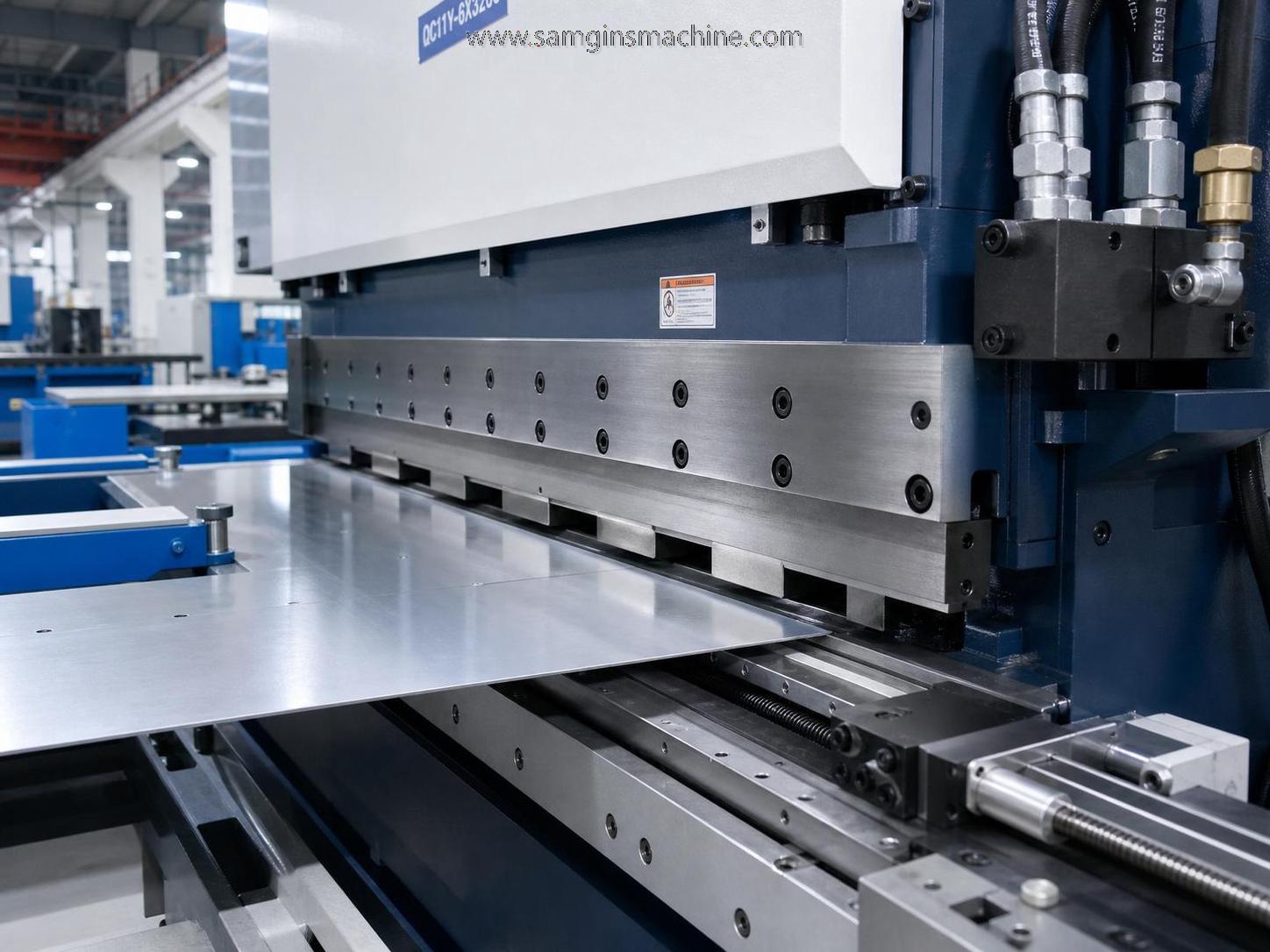
Choosing a Sheet Metal Hydraulic Shearing Machine Supplier for Stable Output
Choosing the right sheet metal hydraulic shearing machine supplier shapes output stability more than many buyers first expect.
Machine price matters, but stable production depends on more than the first quotation.
A strong supplier helps protect cut accuracy, uptime, operator safety, and maintenance costs over years of use.
That is why supplier evaluation should focus on output consistency, technical support, and long-term fit with your fabrication process.
In modern metal processing, unstable shearing quality quickly affects downstream bending, welding, assembly, and delivery schedules.
A capable sheet metal hydraulic shearing machine supplier reduces those risks before the machine even arrives on site.
Why Supplier Choice Directly Affects Stable Output
Stable output starts with mechanical design, but it is sustained by supplier capability.
A weak supplier may offer a machine that looks competitive on paper.
Yet problems often appear later through blade wear, hydraulic instability, poor electrical integration, or delayed spare parts.
From a production view, every one of those issues lowers usable capacity.
This is especially true when cutting schedules are tight and material costs are high.
A reliable sheet metal hydraulic shearing machine supplier usually shows strength in five areas.
- Consistent machine build quality
- Transparent technical specifications
- Compliance with recognized quality standards
- Fast service response and spare part supply
- Experience with real fabrication applications
When these factors are missing, the purchase becomes a cost control problem instead of a productivity investment.
What to Check Before Shortlisting a Supplier
The first screen should be practical, not promotional.
Ask how the supplier controls frame strength, hydraulic components, blade quality, and backgauge precision.
Request standard documentation early.
- Machine specifications with cutting thickness and length ranges
- Electrical and hydraulic component brand lists
- Quality certificates such as ISO9001 and CE-related compliance
- Factory test procedures
- Installation, training, and warranty terms
If a sheet metal hydraulic shearing machine supplier cannot answer basic technical questions clearly, that is an early warning sign.
Good suppliers explain how their machine performs with carbon steel, stainless steel, and different sheet thickness ranges.
They also discuss tolerance expectations under real operating conditions, not only in ideal factory tests.
Look Beyond the Catalog
Catalog data is useful, but stable output depends on application matching.
For example, a plant processing mixed batches needs different priorities than one running standard lengths all day.
That also applies across related fabrication equipment.
In some integrated workshops, products like Welding manipulator systems are selected with the same logic.
Buyers compare structural rigidity, stroke range, control options, and service support because stable output depends on the whole production chain.
Technical Factors That Influence Output Consistency
When evaluating a sheet metal hydraulic shearing machine supplier, technical detail should be tied to production results.
The most relevant areas usually include the following.
1. Frame and Structural Stability
A rigid machine frame helps maintain cutting accuracy during repeated loading cycles.
Ask about material selection, welding quality, stress relief, and machining processes.
Poor structural control often leads to vibration, uneven cuts, and faster wear.
2. Hydraulic System Reliability
Hydraulic stability affects speed, force, repeatability, and maintenance frequency.
Check valve brands, sealing quality, oil temperature management, and circuit design.
A supplier with strong hydraulic integration usually delivers more predictable daily output.
3. Blade Performance and Adjustment
Blade material and clearance adjustment directly influence edge quality.
If the machine handles varied materials, adjustment speed becomes even more important.
Ask how the supplier supports blade replacement and setup training.
4. Control System and Backgauge Accuracy
Repeatable cuts rely on backgauge precision and easy operator control.
A practical interface shortens setup time and lowers operator error.
That becomes critical when the plant runs multiple orders with short turnaround windows.
How to Evaluate Manufacturing Strength and Service Capacity
A strong sheet metal hydraulic shearing machine supplier usually has visible process discipline.
That includes production control, inspection records, and a clear export service system.
Wuxi Samgins International Trade Co.,Ltd, based in Wuxi near Shanghai, works across mechanical equipment for global fabrication markets.
Its portfolio covers shearing machines, bending machines, rolling machines, CNC equipment, welding robots, and other processing solutions.
The company states that production and design follow ISO9001 quality system certification and EU CE standards.
For buyers, that matters because supplier breadth can support better line matching and after-sales coordination.
In real projects, service quality often becomes clear through simple checks.
- How quickly do they answer technical questions?
- Can they provide reference projects in similar industries?
- Do they offer commissioning support and operator training?
- How are spare parts stocked and shipped internationally?
- Can they support future automation upgrades?
A supplier that responds well before the order usually performs better after delivery too.
Common Risks During Supplier Selection
Many sourcing mistakes are avoidable.
The issue is not lack of options, but weak evaluation discipline.
Low Price Without Process Detail
An unusually low quotation may hide thinner margins on components, testing, or service.
That can raise total cost through downtime and part replacement later.
Overlooking Application Fit
Not every hydraulic shearing machine suits every production mix.
The right supplier should ask about sheet type, thickness range, shift hours, and downstream handling.
Ignoring Integration Potential
A shearing machine rarely works alone in a modern workshop.
It should fit future process upgrades, especially where cutting links closely with welding and forming stations.
That is one reason multi-equipment suppliers can be useful.
For example, when a workshop also uses systems such as a Welding manipulator, coordination across equipment improves planning and support.
A Practical Supplier Assessment Checklist
To compare any sheet metal hydraulic shearing machine supplier more objectively, use a simple scoring method.
This kind of checklist keeps the selection process grounded in output stability, not only sales presentation.
Final Decision Criteria for a Stable Investment
The best sheet metal hydraulic shearing machine supplier is rarely the one with the lowest headline price.
It is the one most likely to keep your line productive, compliant, and serviceable over time.
A sound decision usually combines verified machine quality, realistic technical matching, and dependable after-sales support.
Before placing an order, compare suppliers against your actual workload, skill level, maintenance resources, and expansion plans.
Ask for clear specifications, reference cases, and service commitments in writing.
That approach makes supplier selection more disciplined and gives your operation a better chance at stable output from day one.
search
Products Navigation
Send Us A Message