




A Deep Dive into Sheet Metal Laser Profiling Machines: Technology, Applications, and Selection
What Sheet Metal Laser Profiling Machines Are
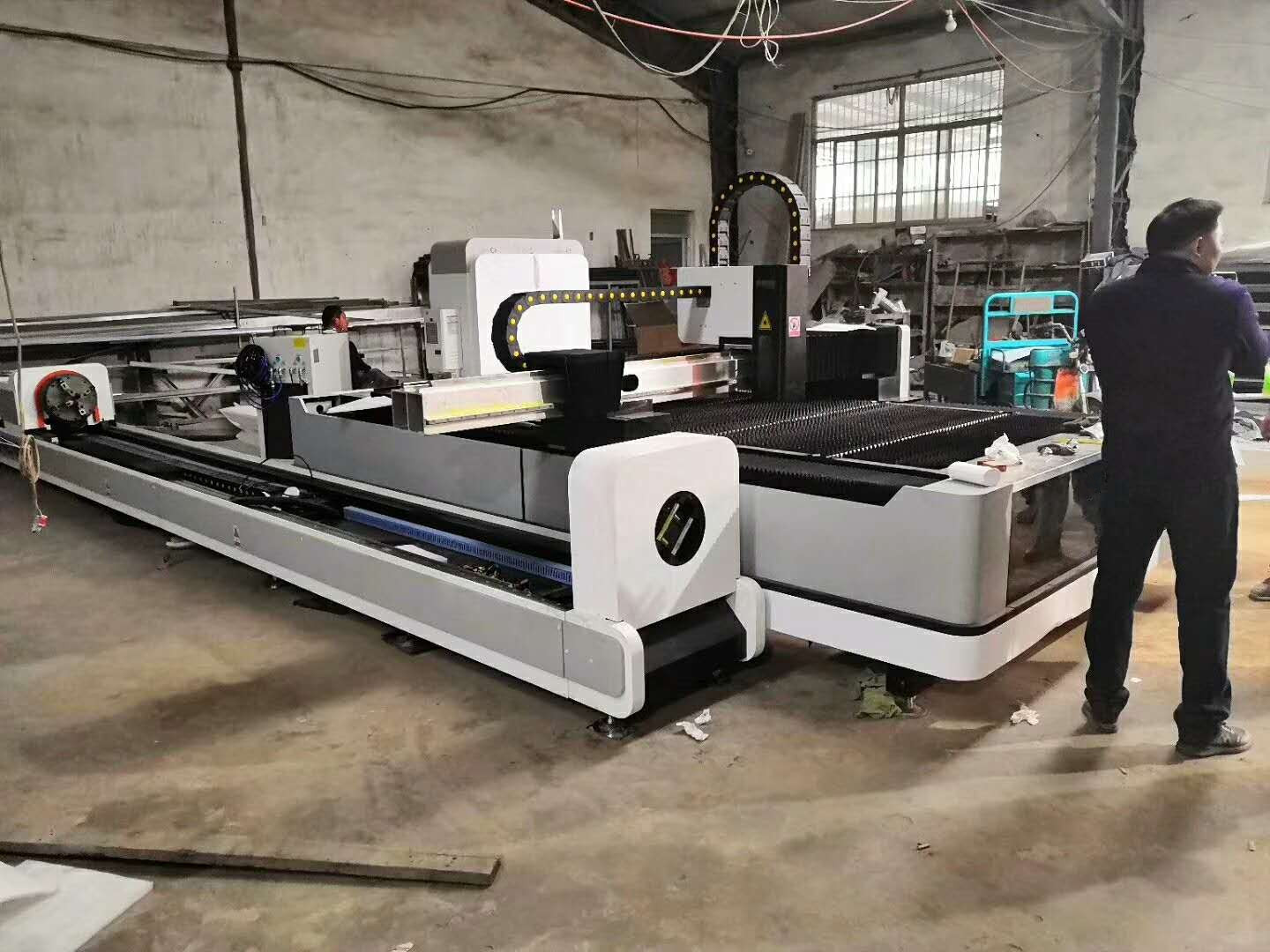
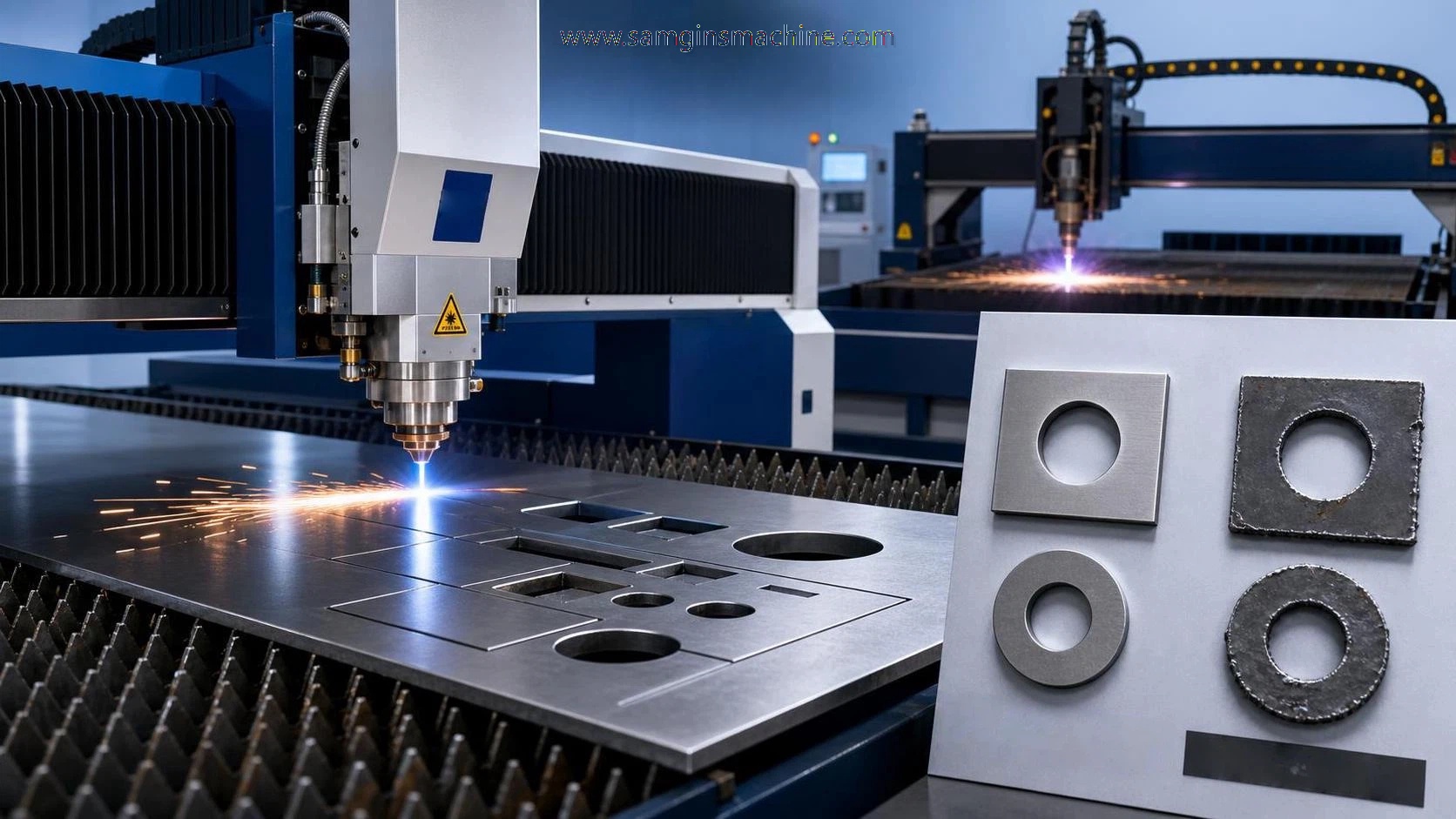
Sheet metal laser profiling machines are CNC-controlled systems that cut two-dimensional or lightly contoured geometries from carbon steel, stainless steel, aluminum, galvanized sheet, and other metal plates by focusing a high-energy laser beam on the workpiece. In industrial practice, the term usually refers to fiber laser cutting equipment used for blanking, contour cutting, hole making, and profile nesting in sheet fabrication lines.
Their defining value is precision with production flexibility. Unlike dedicated tooling processes, sheet metal laser profiling machines can switch from one part program to another with minimal setup, which makes them useful for both high-mix, low-volume workshops and larger manufacturers running repeat batches. The same machine can process simple brackets, cabinet panels, gussets, machine covers, structural connection plates, and decorative metal parts.
From an engineering viewpoint, performance is judged by cut edge quality, dimensional accuracy, repeatability, piercing stability, nesting efficiency, and uptime. Buyers also look at how well the machine integrates with loading tables, dust extraction, CAD/CAM software, downstream deburring, press brake bending, and welding operations. This is why the machine should be evaluated as part of a production system rather than as a standalone cutter.
For manufacturers that already operate press brakes, welding stations, and drilling or milling equipment, laser profiling often becomes the front-end process that determines the rhythm of the whole factory. Accurate blanks reduce fitting problems later, improve bend consistency, and shorten weld preparation time. In practical terms, a better profile cut often creates savings beyond the cutting department itself.
How The Technology Works
A typical sheet metal laser profiling machine combines a laser source, beam delivery system, cutting head, CNC controller, motion platform, assist gas system, and extraction unit. The CNC executes a programmed path while servo axes move the cutting head or sheet table. At the focal point, concentrated energy melts or vaporizes the material. Assist gas then clears molten material from the kerf and helps maintain edge quality.
Fiber laser technology dominates modern sheet processing because it offers strong electrical efficiency, fast cutting on thin to medium gauges, and relatively low maintenance compared with older CO2 systems. Cut quality, however, still depends heavily on focal position, nozzle condition, gas purity, sheet flatness, acceleration tuning, and nesting strategy. Machine power alone does not guarantee better results if the control of the process is weak.
The cutting sequence usually includes sheet positioning, reference detection, piercing, contour cutting, micro-joint management, and part unloading. Advanced machines may add automatic nozzle calibration, collision avoidance, remnant management, and automatic loading and unloading. For factories processing reflective materials or mixed orders, process stability and software capability often matter as much as nominal speed.
In a broader fabrication workflow, sheet metal laser profiling machines are often paired with sheet metal deburring machines, press brakes, welding robots, and quality inspection stations. Wuxi Samgins operates across this wider manufacturing and processing machinery chain, which is relevant for buyers that prefer coordinated equipment planning instead of purchasing isolated machines from unrelated vendors.
Main Machine Types And Process Options
The most common classification is by laser source. Fiber laser models are the mainstream choice for sheet metal laser profiling machines because they are well suited to steel, stainless steel, and aluminum processing in modern factories. Legacy CO2 equipment still exists in some plants, but new investments generally favor fiber systems due to efficiency, maintenance profile, and better integration with digital CNC control platforms.
Machines are also classified by table structure and automation level. Entry and mid-level factories may use single-table or exchange-table systems for manual or semi-automatic loading. Higher-throughput facilities often adopt exchange tables with tower storage or automatic loading and unloading to reduce idle time between sheets. For contract fabricators, this can improve labor efficiency and machine utilization significantly.
Another practical classification is by application range. Some systems are optimized for thin-sheet speed, where acceleration and nesting throughput are critical. Others are built for thicker plate, where rigidity, gas management, and stable piercing become more important. Buyers should match the machine to the thickness mix they actually process, not to occasional maximum thickness alone, because daily production economics are driven by the real order structure.
Related thermal cutting processes still remain relevant. CNC flame cutting machines and table type CNC plasma cutting machines can be economical choices for thicker carbon steel or less demanding tolerances. Wuxi Samgins supplies these related systems as well, which helps buyers compare process routes realistically. In many plants, laser, plasma, and flame are complementary rather than mutually exclusive technologies.
Why Manufacturers Use Them Instead Of Traditional Methods
The primary business reason to adopt sheet metal laser profiling machines is the combination of accuracy, flexibility, and reduced setup dependency. Mechanical shearing and punching remain useful, but they are more constrained by tooling, geometry, and changeover requirements. Laser profiling handles prototypes, frequent design revisions, and mixed production schedules with less interruption, which is valuable in markets where order variety is increasing.
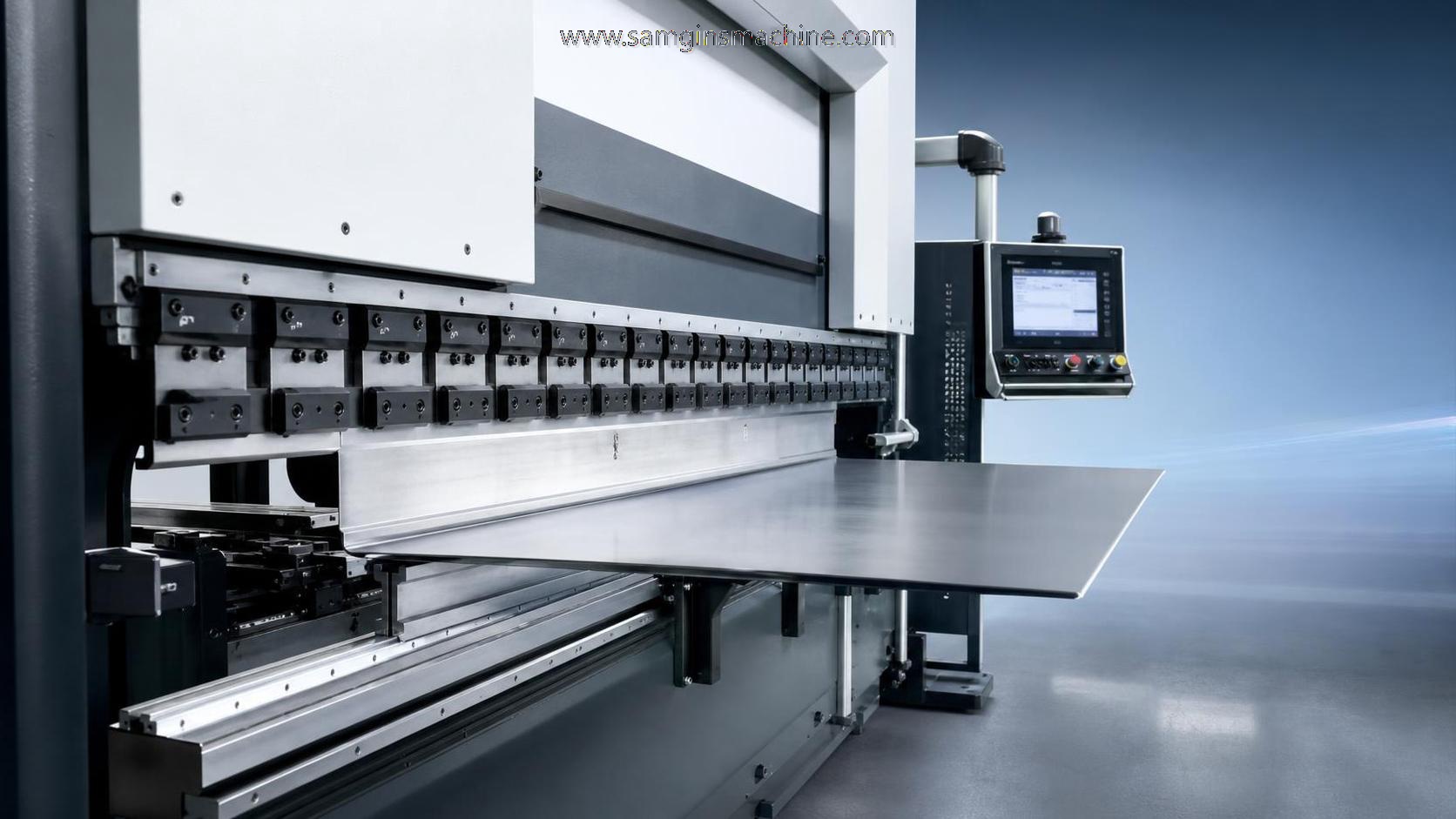
Laser-cut parts also support downstream quality. Cleaner edges and more accurate holes improve fit-up in welding and assembly, while consistent blank geometry helps bending results on CNC press brakes. This matters for fabricators producing electrical cabinets, machinery guards, steel structure components, duct parts, tanks, and custom enclosures, where cumulative dimensional error can become expensive across multiple operations.
For procurement teams, the value case should include material utilization and lead-time compression. Good nesting software reduces scrap, and digital programming shortens the path from drawing approval to production. When customers demand smaller batch sizes or shorter delivery windows, sheet metal laser profiling machines often provide the flexibility required to maintain service levels without adding excessive tooling inventory.
Wuxi Samgins is relevant in this context because its offering extends beyond fiber laser cutting machines to deburring, bending, rolling, welding, and structural fabrication equipment. For a buyer planning a fabrication cell or an entire workshop, that broad product range can simplify compatibility discussions, especially when the project also involves welding rotators, positioners, edge milling, or plate processing equipment.
Who Uses Them And Where They Fit Best
The core users of sheet metal laser profiling machines are sheet metal fabricators, OEM component suppliers, enclosure makers, heavy equipment manufacturers, HVAC producers, transport equipment workshops, and general engineering companies. They are especially suitable where product geometry changes frequently, hole and contour quality are important, and downstream operations such as bending, welding, or assembly depend on consistent blank precision.
Application scenes include switchgear cabinets, control boxes, machine covers, support brackets, stiffeners, mounting plates, agricultural equipment parts, elevator components, shelving systems, stainless steel kitchen products, and many custom industrial assemblies. In these environments, the machine is not only a cutter but also a digital gateway between design files and physical production.
The global buyer base is broad, and market access often requires alignment with local safety and quality expectations. Wuxi Samgins states that its machines comply with ISO9001 quality system requirements and EU CE Machinery and LVD directives, while its export team has experience with ASME, API, and other local industry codes. For international purchasers, this kind of familiarity can reduce communication friction during specification review and project execution.
Named customer references such as URALSTANKOIMPORT, MD Calbah Industries Pty Ltd, Zein Steel Industries Co. LLC, BatysMunaiGazZhabdyktary LLP, PT. Cahaya mas Cemerlang, Estructuras Metalicas Girders Chile Limitada, and Lincoln Electric-MENA indicate experience across different regions and industrial contexts. While each project has its own scope, such references are useful for buyers assessing whether a supplier has handled cross-border technical and service requirements before.
How To Select The Right Machine
Selection should begin with the production profile, not the advertised machine specification. Buyers should map material types, thickness ranges, annual tonnage, part complexity, tolerance requirements, batch size patterns, and expected shift structure. A machine optimized for thin stainless sheet in an enclosure factory may be a poor fit for a workshop mostly processing thicker mild steel structural plates.
The next layer is configuration quality. Evaluate the CNC control, servo system, cutting head, chiller, gas train, extraction arrangement, exchange table mechanism, and software workflow from drawing import to nesting and reporting. Wuxi Samgins emphasizes the use of world-famous imported brands for key hydraulic, servo, and CNC components, which is relevant because component stability often affects precision retention, maintenance intervals, and spare parts confidence.
Buyers should also check factory conditions around the machine. Laser performance depends on stable power supply, adequate gas quality, dust control, sheet handling discipline, and operator training. If the workshop lacks organized loading, unloading, and part sorting, a fast machine may still underperform. In many cases, adding deburring, material storage logic, or better press brake scheduling creates more value than simply buying higher laser power.
For projects that involve custom fabrication needs, supplier customization ability matters. Wuxi Samgins highlights customized solutions in related welding automation and heavy-duty handling equipment, which suggests a project-oriented approach rather than only standard catalog sales. That is worth considering when the laser machine must fit into a larger line with specific loading directions, downstream welding cells, or plant layout constraints.
Quality Control, Installation, And Maintenance
Consistent results from sheet metal laser profiling machines depend on disciplined quality control from installation onward. Acceptance criteria should cover positioning accuracy, repeatability, sample cut quality across representative materials, piercing performance, edge condition, dross control, and software reliability. It is sensible to test real customer parts rather than generic demonstration geometry, because production issues often appear in small holes, nested corners, and mixed-thickness programs.
Installation planning should include foundations or floor flatness review where necessary, electrical readiness, gas piping, ventilation, chiller placement, extraction, operator safety procedures, and material flow around the machine. A technically sound installation reduces collision risk, unplanned downtime, and productivity loss during ramp-up. The supplier’s ability to support commissioning and training is therefore a meaningful part of the purchase decision.
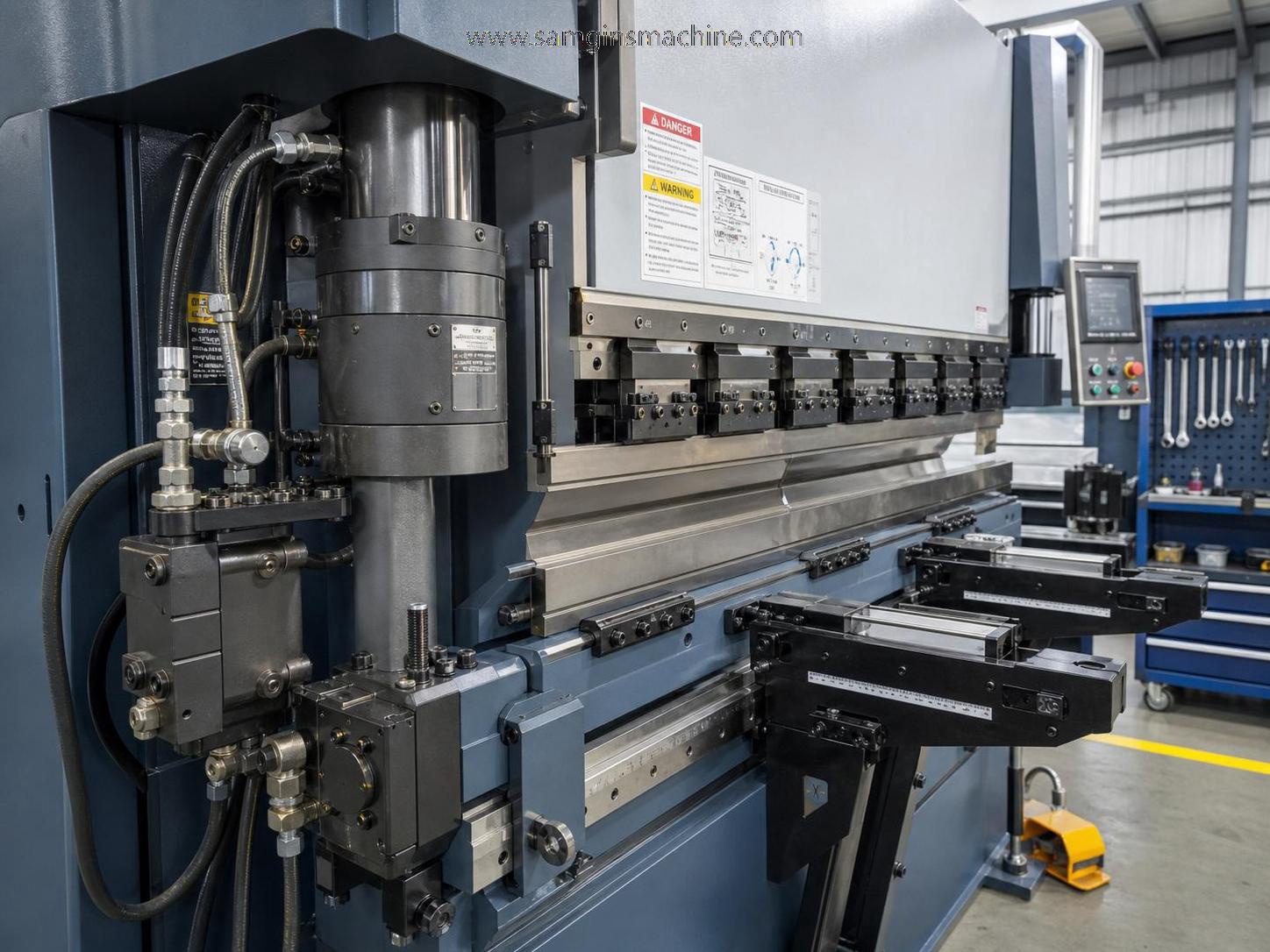
Routine maintenance typically includes lens and nozzle inspection, cleaning schedules, gas path checks, calibration verification, rail and drive system inspection, dust removal, consumable replacement, and software backup. Buyers already familiar with fabrication equipment will recognize that preventive discipline matters as much here as it does for press brakes or welding lines. The same logic seen in maintenance-focused topics such as hydraulic press brake uptime also applies to laser equipment management.
Wuxi Samgins states that it offers long-term warranties and support covering design, manufacturing, after-sales, and technical service. For overseas projects, this matters because common buyer concerns are rarely limited to the machine itself; they also involve delivery coordination, documentation completeness, troubleshooting response, and the availability of practical guidance after commissioning.
Total Cost Of Ownership And ROI Considerations
The true cost of sheet metal laser profiling machines extends beyond purchase price. Buyers should include source power and efficiency, assist gas consumption, consumables, extraction and filtration, operator training, preventive maintenance, software licensing, spare parts, expected downtime, and the cost of material handling around the machine. A low initial quotation can become expensive if it creates unstable production or weak service support.
Material utilization often has a direct impact on payback. Better nesting, fewer rejected parts, and less rework can produce meaningful savings, especially in stainless steel and aluminum applications. Labor efficiency also matters. Automatic exchange tables or loading systems may raise the capital budget, but in a plant running multiple shifts they can reduce idle time enough to improve overall return substantially.
ROI should be calculated across the full workflow. If improved cut quality reduces deburring time, shortens bending setup, and lowers weld fit-up corrections, the gain appears in several departments. Buyers should also consider opportunity value: faster response to quotations, ability to accept smaller custom orders, and better delivery reliability can strengthen customer retention even when those benefits are harder to isolate in a simple machine-only spreadsheet.
A sensible procurement approach is to compare at least three scenarios: laser only, laser plus automation, and a mixed-process route that keeps some thicker carbon steel work on plasma or flame cutting. Because Wuxi Samgins also supplies CNC plasma and flame cutting machines as well as downstream fabrication equipment, it is positioned to discuss these tradeoffs in a practical way for factories balancing budget, throughput, and part quality requirements.
Future Trends In Sheet Metal Laser Profiling
The development direction for sheet metal laser profiling machines is toward smarter automation, stronger digital integration, and more stable unattended operation. Features such as automatic nozzle monitoring, adaptive parameter libraries, remote diagnostics, and production data tracking are becoming more important as factories seek predictable throughput rather than isolated cutting speed claims. Software and process control are taking a larger share of the value equation.
Another clear trend is tighter integration with the rest of the fabrication line. Buyers increasingly want laser cutting to connect smoothly with deburring, bending, robotic welding, plate rolling, and warehouse systems. Suppliers that understand broader workshop workflows have an advantage because machine selection is no longer only about one asset; it is about how the asset supports synchronized production from raw sheet to welded or formed assembly.
Sustainability pressures are also shaping investment decisions. Manufacturers are watching energy use, material yield, filter management, and rework reduction more closely. Fiber technology already helps on electrical efficiency, but future competitiveness will depend on how well the complete system minimizes wasted motion, scrap, and maintenance-related downtime. Procurement teams now tend to ask more detailed lifecycle questions before approving capital expenditure.
For companies planning capacity expansion, the practical takeaway is straightforward: choose sheet metal laser profiling machines that match current jobs, but also leave room for automation, digital reporting, and line integration. A supplier with broad fabrication equipment experience, customization capability, and export support, such as Wuxi Samgins, can be a useful option when the objective is not only to buy a cutter, but to build a more coherent manufacturing system.
search
Recommended Products
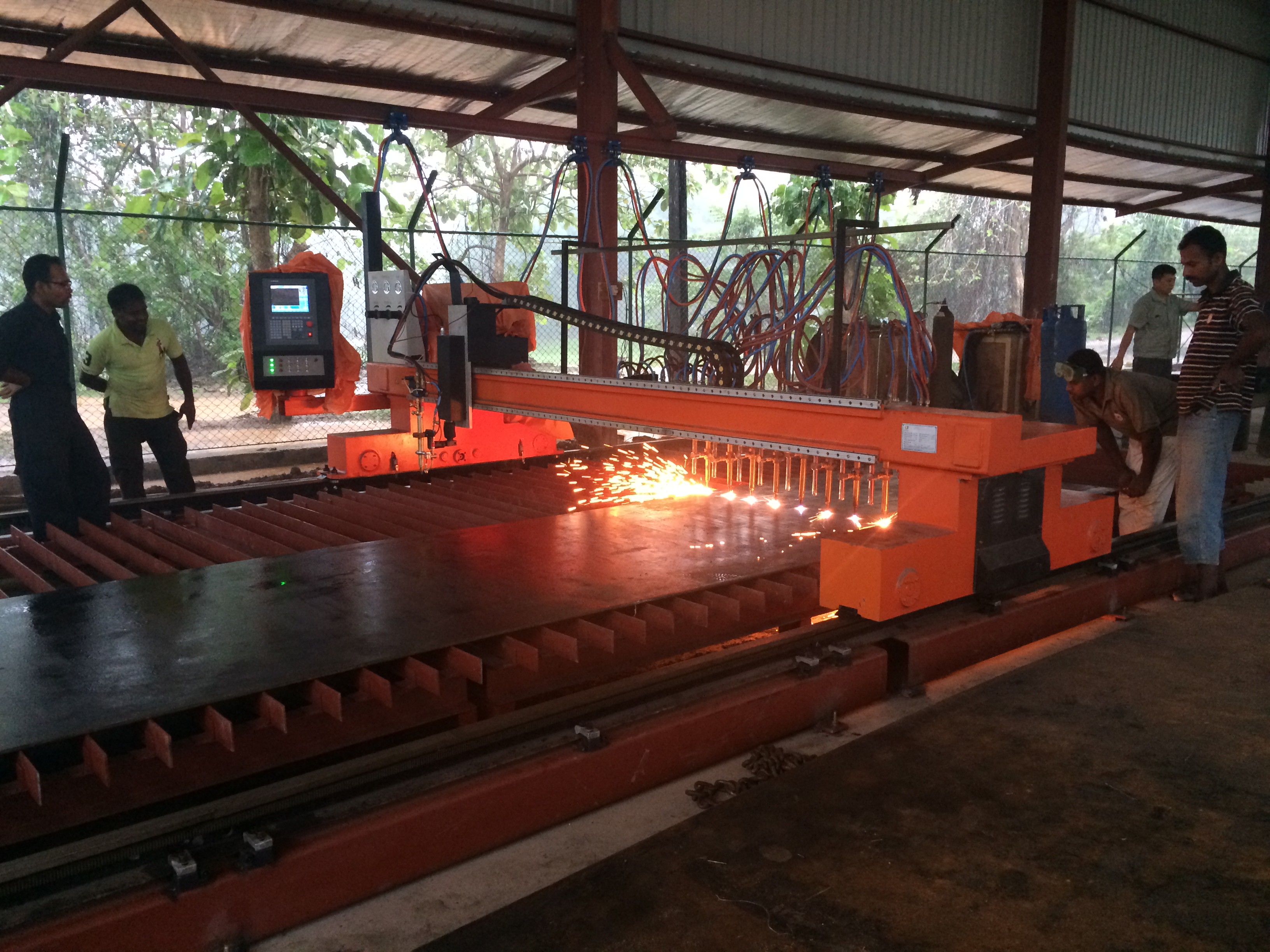
 Cnc flame cutting machineThe CNC flame/plasma cutting machine features box-beam welded end beams and cross beams with stress relief, ensuring compact structure, light weight, high rigidity, minimal deformation, and good appearance. Longitudinal and transverse movements are driven by Panasonic servo motors and SHIMPO reducers via rack-and-pinion gearing for precise control. Horizontal guide wheels with eccentric shaft adjustment press firmly against the rails, ensuring stable and accurate motion. High-strength longitudinal rails with precision-machined surfaces and ground racks are securely mounted to guarantee straightness and parallelism. Optional automatic igniter and torch height controller are available for user-friendly operation.
![星星1]()
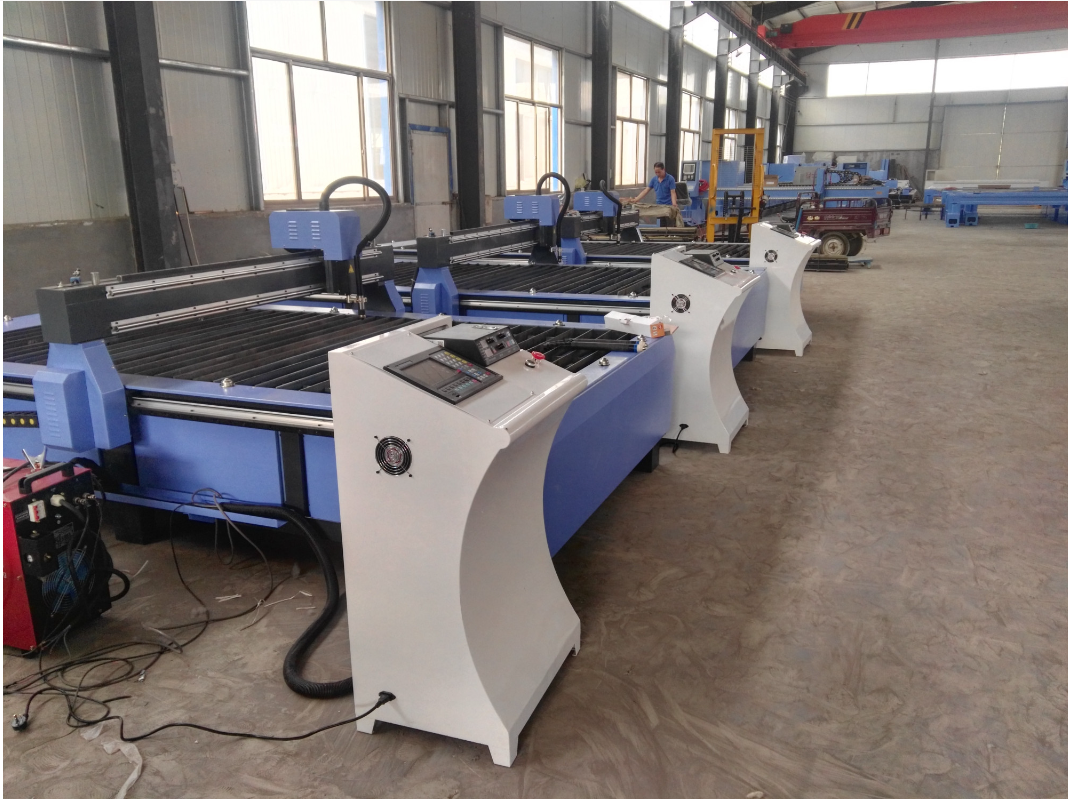
 Table type cnc plasma cutting machineThis CNC cutting machine features a bench‑type gantry structure, utilizing precision ground gears, racks, and dual‑side drive systems. It offers low inertia, stable operation, and ease of use, making it particularly suitable for automatic cutting of medium‑thickness to thin non‑ferrous metal sheets, stainless steel plates, and carbon steel plates.
![星星1]()
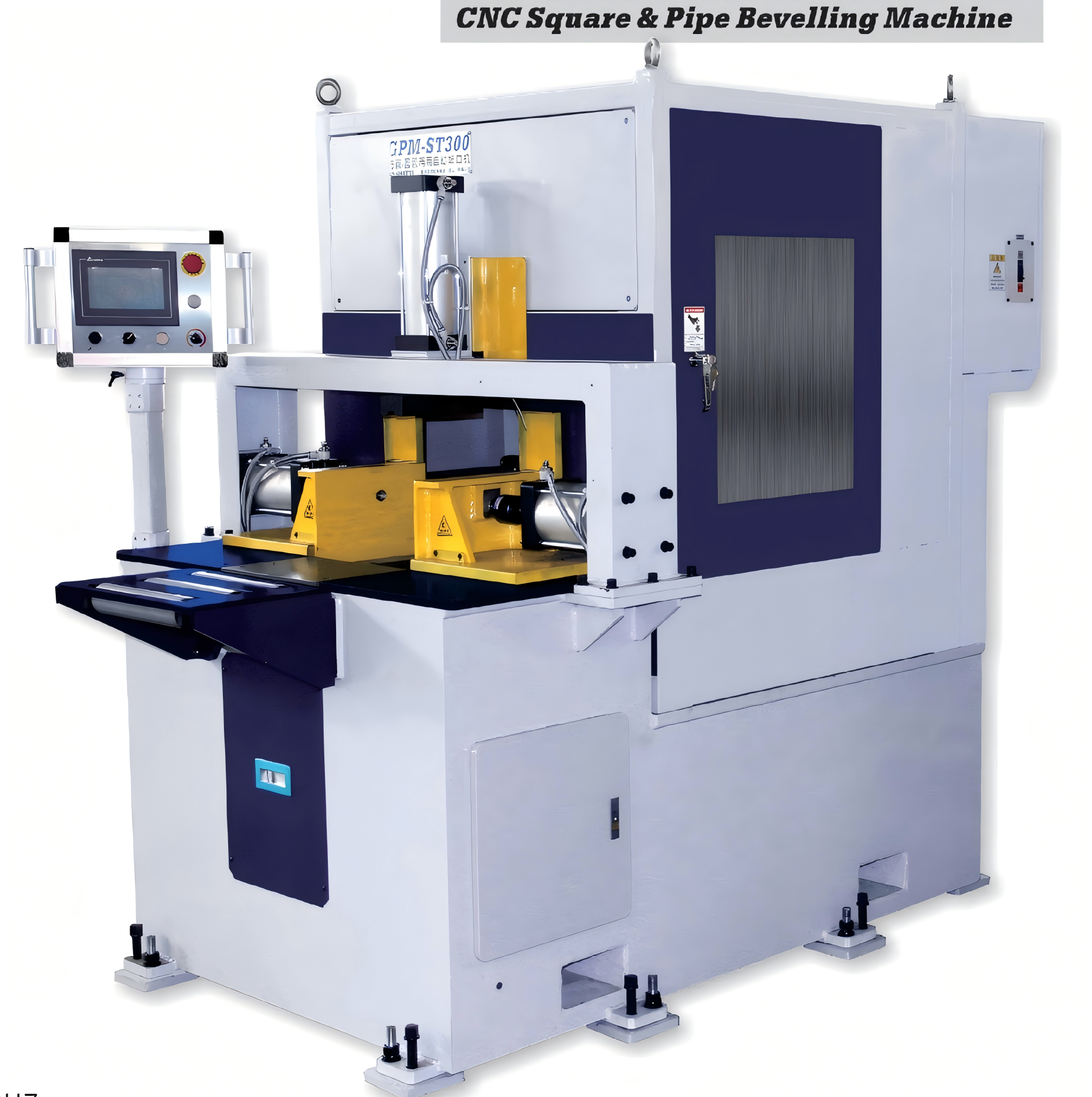
 CNC Square & Pipe Beveling Machine1. Processes square, rectangular, and round tubes without requiring accessory changes when switching between different types and sizes.
2. Features a human-machine interactive interface for simple operation. Processing speed is adjustable from 0 to 1500 mm/min, with automatic adjustment based on bevel size. Surface finish reaches Ra3.2–6.3 for stronger welds.
3. Widely used in medium-to-high-end beveling applications, including container manufacturing, shipbuilding, and special vehicle production.![星星1]()
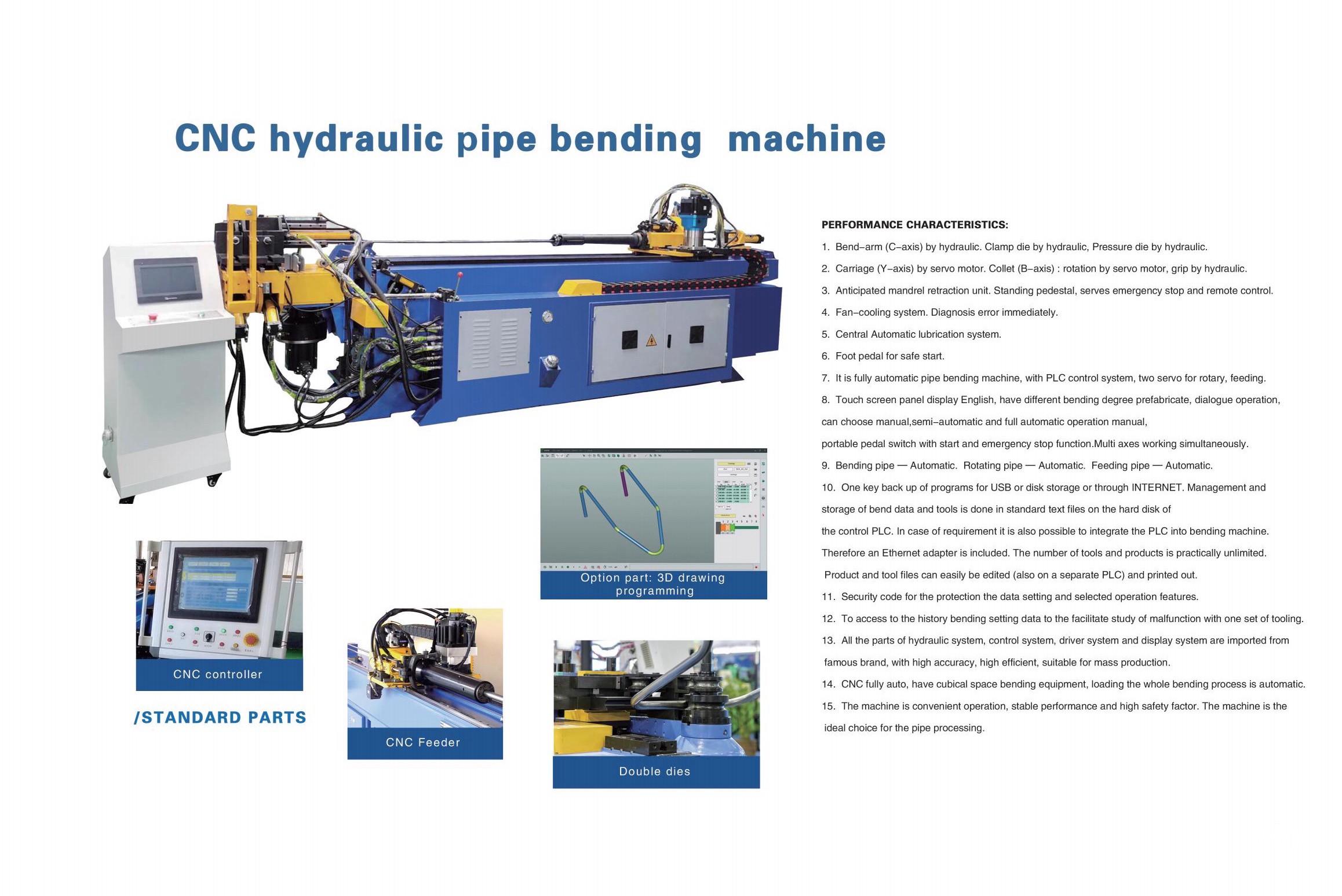
 CNC hydraulic pipe bending machineBending machines can generally be classified into CNC bending machines, hydraulic bending machines, etc. They are mainly used for pipeline laying and construction in fields such as power engineering, public railway construction, boilers, bridges, ships, furniture, decoration, etc. They have the advantages of multiple functions, reasonable structure, and simple operation. This machine not only has the function of bending pipes but also can use the oil cylinder as a hydraulic jack. Compared with CNC bending equipment, it has the advantages of low price and convenient use, and occupies a dominant position in the domestic bending machine market.
![星星1]()

Recommended blogs
- Hydraulic Press Brake Maintenance Checklist to Reduce Downtime
- How to Choose Sheet Metal Laser Profiling Machines for High-Mix Fabrication?
- Sheet Metal Laser Profiling Machines: Trends in Speed and Nesting Efficiency
 Plate Cutting Accuracy: How Hydraulic Shearing Machines Reduce Rework
- Plate Laser Cutting Machine vs Plasma: Which Delivers Better Edge Quality
- CNC Plate Bending Machine Selection Guide: Key Parameters That Affect Accuracy
Send Us A Message
Send us a Message
A dedicated person will follow up on your needs one-on-one and provide personalized customized solutions according
to your needs.
Get In Touch
We look forward to hearing from you for in-depth communication on how to fulfill your mixing requirements.