




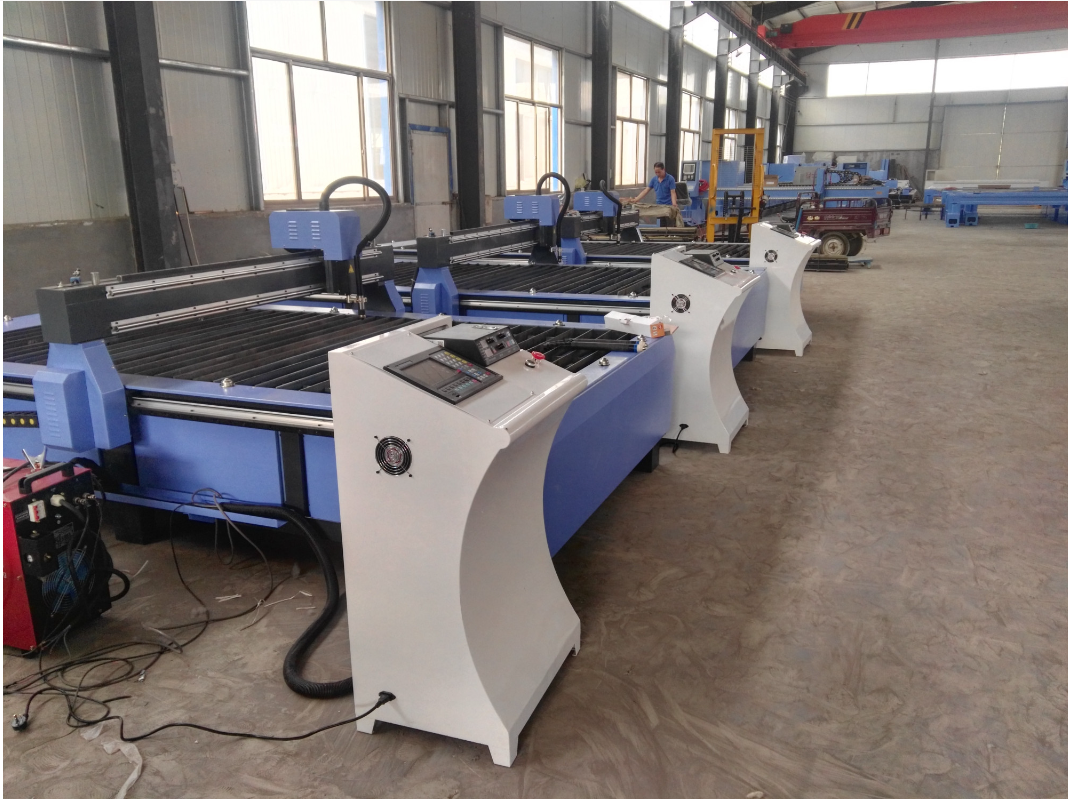
Table type cnc plasma cutting machine
Full-range Machinery & Customized Non-standard Solutions
Authorized Certificates & Independent R&D Patents
Over 10 Years Global Export & Worldwide Project Cases
Navigation
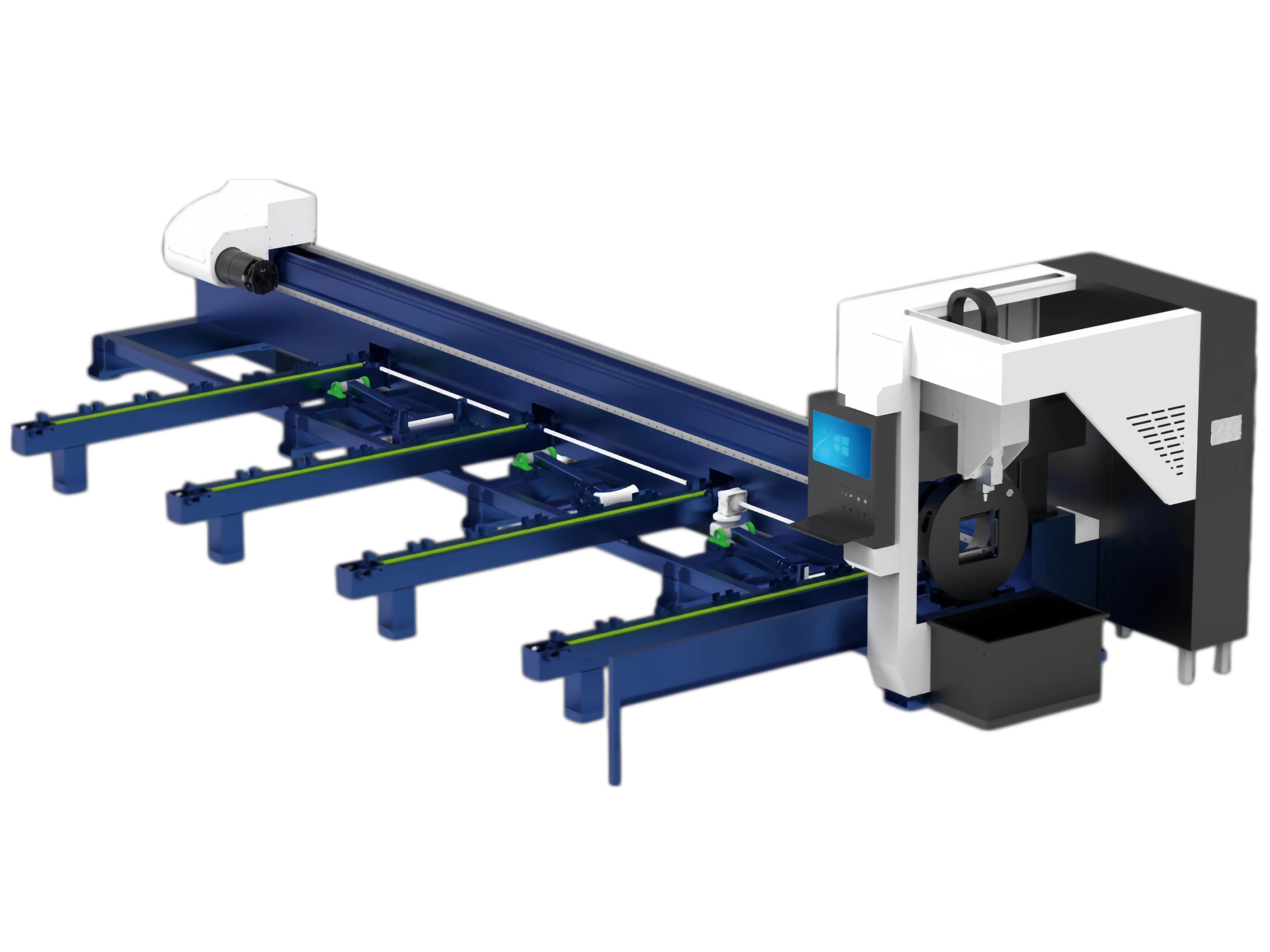

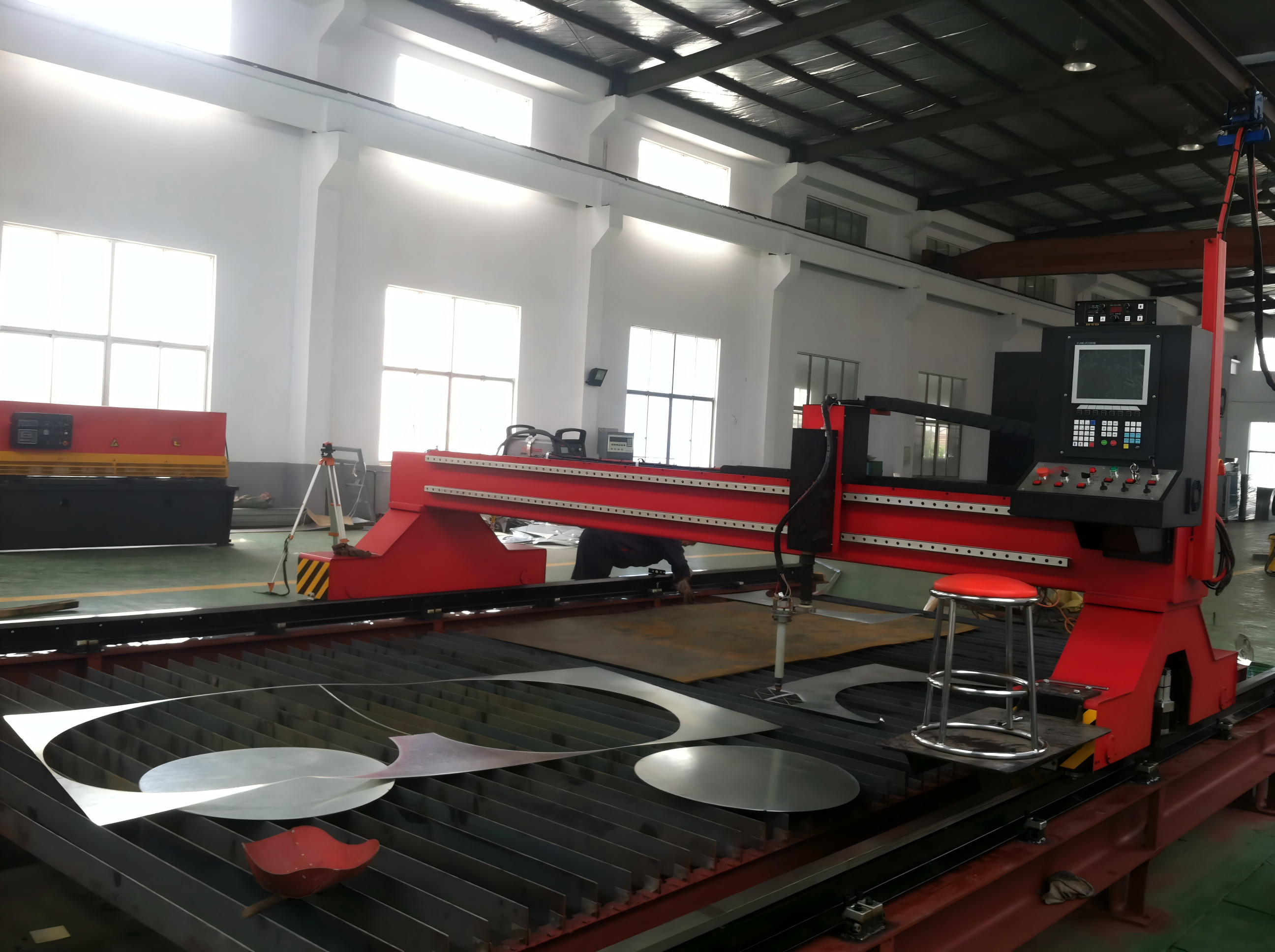
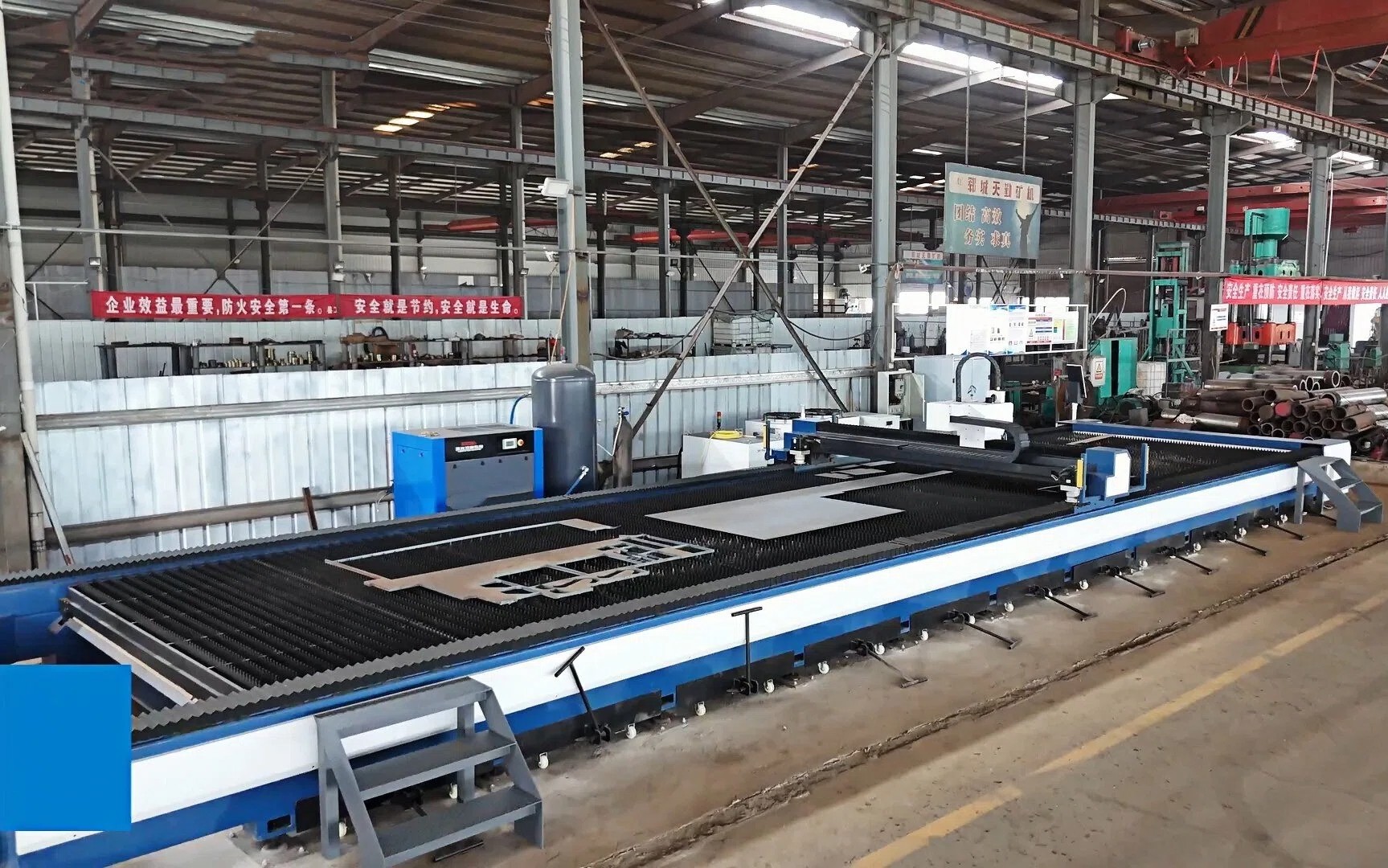
Table type cnc plasma cutting machine Description
1.Introduction for Table type cnc plasma cutting machine:
This CNC cutting machine features a bench‑type gantry structure, utilizing precision ground gears, racks, and dual‑side drive systems. It offers low inertia, stable operation, and ease of use, making it particularly suitable for automatic cutting of medium‑thickness to thin non‑ferrous metal sheets, stainless steel plates, and carbon steel plates.
1.1 Precision Drive and Guidance System
The X and Y axes are driven by rack‑and‑pinion mechanisms and run on precision linear round rails made of high‑quality bearing steel, effectively ensuring high mechanical positioning accuracy.
1.2 Lightweight High‑Rigidity Structural Design
Key structural components—including the beam, columns, slides, and gearboxes—are manufactured from precision cast aluminum. This design provides sufficient strength and excellent aging stability while significantly reducing overall weight, thereby laying a solid foundation for high‑precision and high‑speed performance.
1.3 High‑Efficiency Transmission System
Equipped with high‑power motors, precision subdivision drivers, and a precision mechanical transmission system, the machine delivers faster and more stable movement, resulting in higher cutting efficiency.
1.4 Pneumatic Torch Height Control
The cutting torch incorporates a pneumatic height adjustment system with rapid response and low failure rate. During cutting, it automatically and quickly adjusts the torch height in response to variations in the steel plate surface, maintaining a consistent distance between the torch and the workpiece to ensure stable cutting quality.
1.5 User‑Friendly CNC Control System
The machine is equipped with the widely acclaimed SF‑2012AH CNC system, which offers comprehensive functionality and straightforward operation. Its ease of use minimizes training requirements for operators, eliminating concerns about staff proficiency after equipment purchase.
1.6 Intelligent Breakpoint and Power‑Off Recovery
The system features advanced breakpoint and power‑off handling capabilities. During machining, the tool path can be advanced or retracted along the cutting trajectory, allowing flexible resumption of operations after arc breaks or unexpected power interruptions.
1.7 Integrated Dust Extraction System
A standard dust treatment system effectively captures smoke and particulates generated during cutting, creating a cleaner and more comfortable working environment. This helps improve operator satisfaction and reduces staff turnover.
1.8 Reliable Plasma Power Supply
The machine is equipped with a standard plasma power source, delivering excellent performance and a low failure rate, ensuring reliable and trouble‑free operation.
2.Technical parameter for Table type cnc plasma cutting machine
3.Characters for Table type cnc plasma cutting machine:
3.1 High Cutting Speed
Cutting speeds reach 3,500–6,000 mm/min. When cutting thin plates (e.g., carbon steel with thickness below 6mm), the efficiency is 5 to 6 times that of conventional oxyacetylene flame cutting.
3.2 Broad Material Applicability
Capable of cutting all electrically conductive metals, including carbon steel, stainless steel, aluminum, copper, titanium, nickel, and more. It is particularly effective for non‑ferrous metals, addressing the limitation of flame cutting, which cannot process such materials.
3.3 High Cutting Precision
Precision plasma cutting achieves an accuracy of ±0.2mm, with a kerf width ranging from 0.65 to 0.75mm, approaching the level of laser cutting.
3.4 High Level of Automation
Equipped with a CNC system, automatic torch height control (arc voltage or capacitive type), a multi‑gas torch configuration, and CAD/CAM sheet nesting optimization functions. It is capable of automatically cutting complex geometric shapes.
3.5 Low Operating Costs
Compared with flame cutting, no fuel gas is required. It primarily uses compressed air or inert gases, offering better long‑term cost‑effectiveness.
3.6 Excellent Environmental Performance
Supports underwater cutting, effectively reducing noise, dust, hazardous gases, and arc light pollution, thereby creating a cleaner working environment.
3.7 Minimal Thermal Deformation
The cutting zone is highly concentrated, with a small heat‑affected zone. This makes it especially suitable for thin‑plate processing, where deformation can be effectively controlled.
products faq
The machine is typically equipped with professional nesting software (e.g., FastCAM, SigmaNEST, or equivalent). This software automatically arranges multiple part shapes on a single sheet to minimize scrap, optimize cutting paths, and reduce travel time. Material savings of 10–20% are commonly achieved, significantly reducing raw material costs over time.
Typical cutting accuracy ranges from ±0.1mm to ±0.5mm, depending on the cutting technology and machine configuration. Laser cutting offers the highest precision (±0.1mm), followed by plasma (±0.5mm). Repeatability is consistently high due to servo drive systems and precision guide rails, ensuring identical results across multiple production runs.
Yes, basic training is recommended. Our machines feature user-friendly interfaces and intuitive CAD/CAM software. Operators with basic computer skills can typically learn to program and operate the machine within 1–3 days. Advanced features such as nesting optimization and multi-torch setup may require additional training, which we provide as part of our commissioning and after-sales support package.
Routine maintenance includes:
Cleaning the cutting table and slats regularly
Checking and replacing consumables (nozzles, electrodes, shields)
Inspecting guide rails, gear racks, and lubrication systems
Checking coolant (for laser) and gas/air supply lines
Calibrating torch height control and sensors
Updating software and backing up programs
We provide detailed maintenance schedules, spare parts support, and remote technical assistance to keep your machine operating at peak performance.
Yes. Our CNC cutting machines can be equipped with bevel cutting capability, allowing the torch to tilt at adjustable angles to produce V-bevels, Y-bevels, X-bevels, and K-bevels in a single setup. This feature eliminates the need for secondary edge grinding, significantly streamlines weld preparation, and improves downstream welding quality and efficiency.