




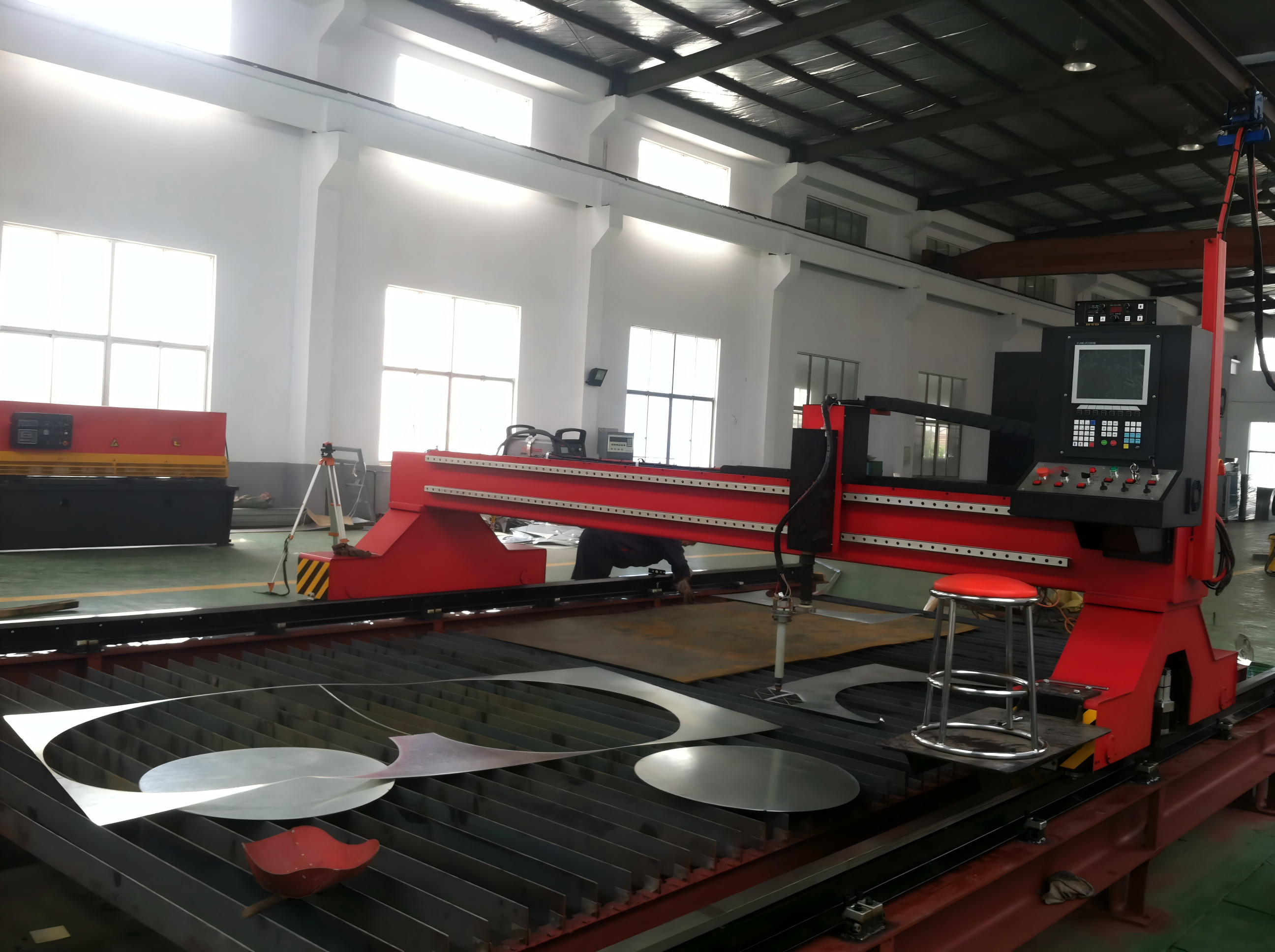
Gantry CNC plasma cutting machine
Full-range Machinery & Customized Non-standard Solutions
Authorized Certificates & Independent R&D Patents
Over 10 Years Global Export & Worldwide Project Cases
Navigation
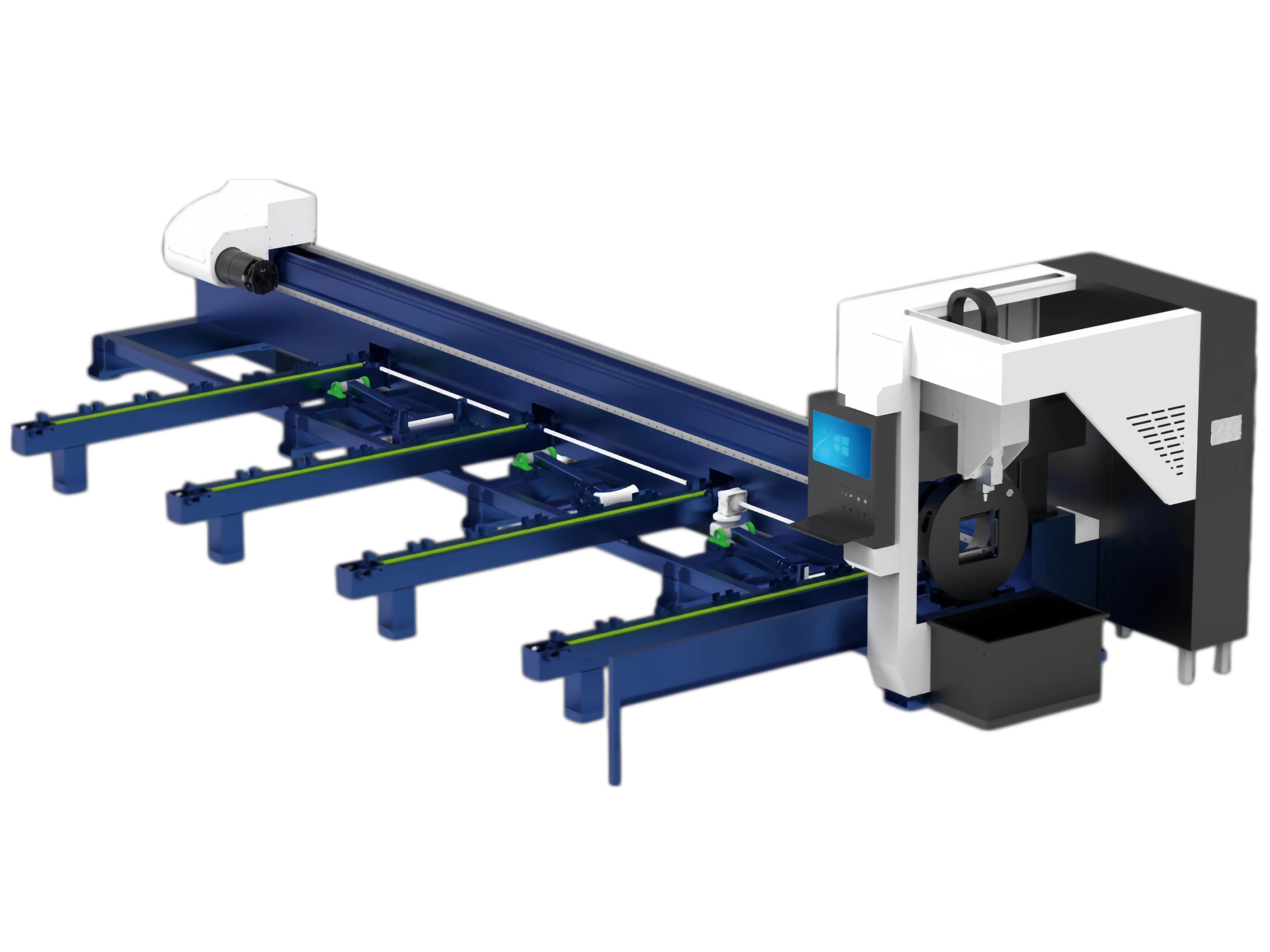

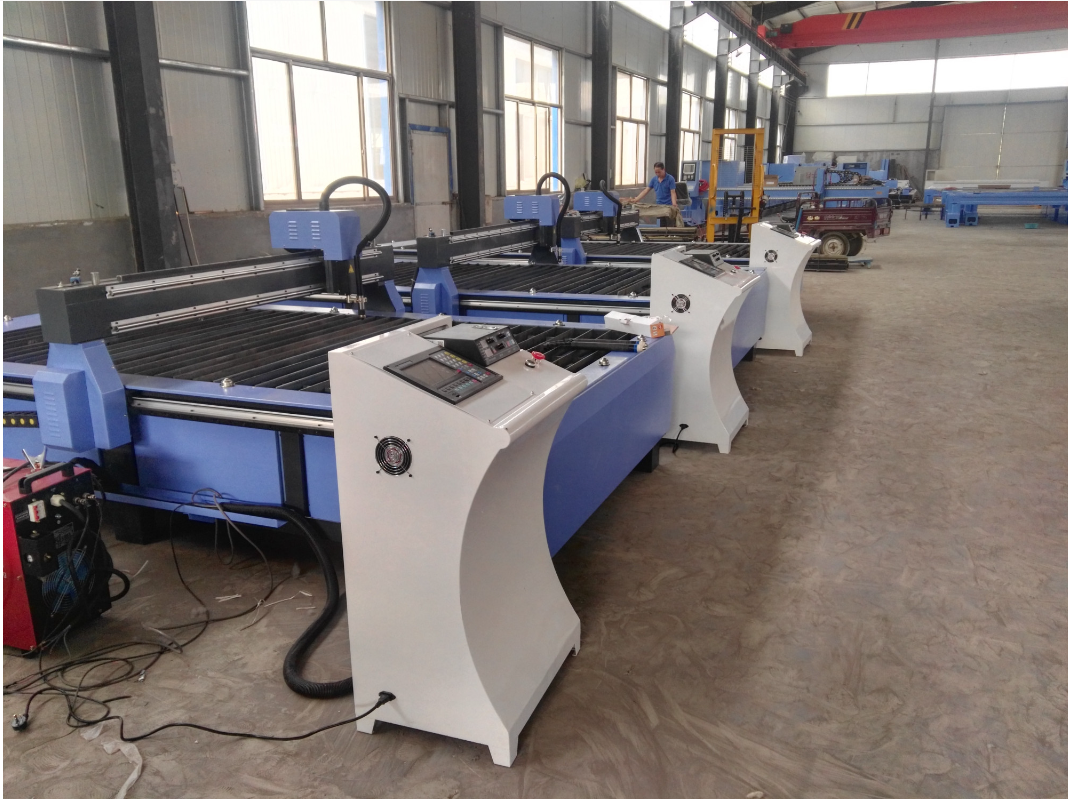
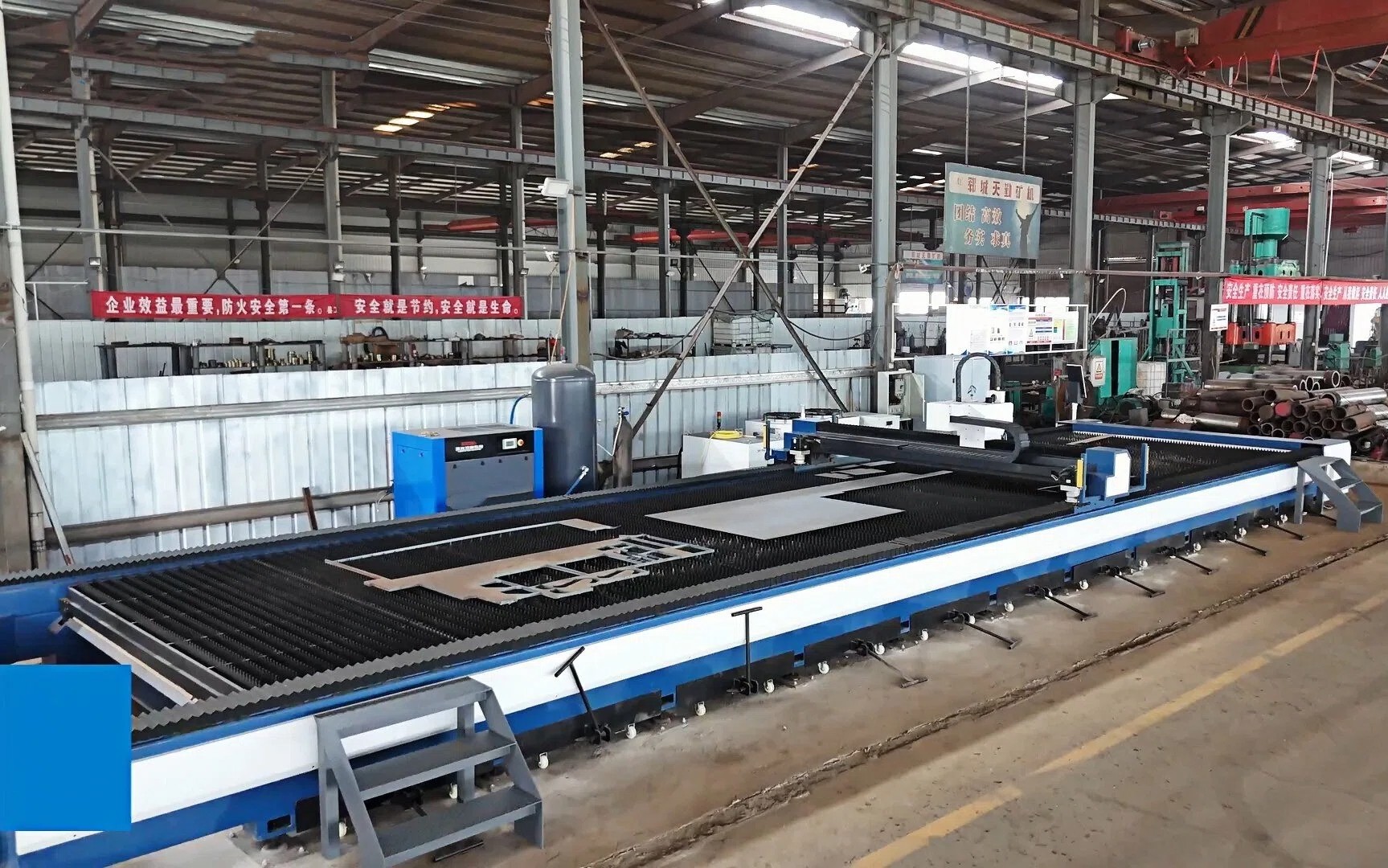
Gantry CNC plasma cutting machine Description
1.Introduction for Gantry CNC plasma cutting machine:
1.1 Both the driving end beams and cross beams adopt a box-beam welding structure with stress relief treatment. This design offers a compact structure, light weight, excellent rigidity, minimal deformation, and an aesthetically pleasing appearance.
1.2 The longitudinal movement of the main driving end beams and the transverse movement of the torch are powered by Japan Panasonic servo drivers and motors, which drive Japan SHIMPO reducers through rack-and-pinion gearing for precise and reliable motion control.
1.3 The side of the driving end beam is equipped with horizontal guiding wheels. By adjusting the eccentric shaft, the guiding wheels can be pressed tightly against the rail, ensuring stability and accuracy throughout the entire movement.
1.4 The longitudinal guide rails are constructed from high-strength tracks. All contact surfaces of the rails are precision-machined, and accurately ground racks are installed on the outer side of the guideway for smooth and precise transmission.
1.5 The longitudinal guide rails are securely fastened using pressing plates, backing boards, and connecting sleeves. This mounting method effectively ensures the longitudinal straightness and parallelism of the rails.
1.6 An automatic igniter and torch height controller are available as optional features based on customer requirements, providing convenient and user-friendly operation.
2.Technical parameter for Gantry CNC plasma cutting machine
3.Characters for Gantry CNC plasma cutting machine:
3.1 High Cutting Speed
The cutting speed is exceptionally fast, reaching 3500–6000 mm/min. When cutting thin plates (such as carbon steel with a thickness of less than 6mm), the efficiency is 5 to 6 times that of traditional oxyacetylene flame cutting.
3.2 Wide Material Applicability
The machine is capable of cutting all conductive metals, including carbon steel, stainless steel, aluminum, copper, titanium, nickel, and more. It is particularly well-suited for processing non-ferrous metals, effectively compensating for the limitation of flame cutting, which cannot cut such materials.
3.3 High Cutting Precision
Precision plasma cutting can achieve an accuracy of ±0.2mm, with a cutting gap ranging from 0.65 to 0.75mm, approaching the level of laser cutting in terms of precision.
3.4 High Level of Automation
The system is equipped with a CNC controller, automatic torch height adjustment (arc pressure or capacitive type), and a multi-gas torch configuration. It also features CAD/CAM sheet layout optimization functions, enabling automatic cutting of complex geometric shapes.
3.5 Low Operating Costs
Compared with flame cutting, no combustible gases are required. The system primarily uses compressed air or inert gases, offering better long-term economic efficiency.
3.6 Excellent Environmental Performance
The machine supports underwater cutting, which effectively reduces noise, dust, harmful gases, and arc light pollution, contributing to a cleaner and safer working environment.
3.7 Low Thermal Deformation
The cutting energy is highly concentrated, resulting in a small heat-affected zone. This makes the machine especially suitable for thin plate processing, with deformation kept well under control.
products faq
The machine is typically equipped with professional nesting software (e.g., FastCAM, SigmaNEST, or equivalent). This software automatically arranges multiple part shapes on a single sheet to minimize scrap, optimize cutting paths, and reduce travel time. Material savings of 10–20% are commonly achieved, significantly reducing raw material costs over time.
Typical cutting accuracy ranges from ±0.1mm to ±0.5mm, depending on the cutting technology and machine configuration. Laser cutting offers the highest precision (±0.1mm), followed by plasma (±0.5mm). Repeatability is consistently high due to servo drive systems and precision guide rails, ensuring identical results across multiple production runs.
Yes, basic training is recommended. Our machines feature user-friendly interfaces and intuitive CAD/CAM software. Operators with basic computer skills can typically learn to program and operate the machine within 1–3 days. Advanced features such as nesting optimization and multi-torch setup may require additional training, which we provide as part of our commissioning and after-sales support package.
Routine maintenance includes:
Cleaning the cutting table and slats regularly
Checking and replacing consumables (nozzles, electrodes, shields)
Inspecting guide rails, gear racks, and lubrication systems
Checking coolant (for laser) and gas/air supply lines
Calibrating torch height control and sensors
Updating software and backing up programs
We provide detailed maintenance schedules, spare parts support, and remote technical assistance to keep your machine operating at peak performance.
Yes. Our CNC cutting machines can be equipped with bevel cutting capability, allowing the torch to tilt at adjustable angles to produce V-bevels, Y-bevels, X-bevels, and K-bevels in a single setup. This feature eliminates the need for secondary edge grinding, significantly streamlines weld preparation, and improves downstream welding quality and efficiency.