




Hydraulic Press Brake Maintenance Checklist to Reduce Downtime
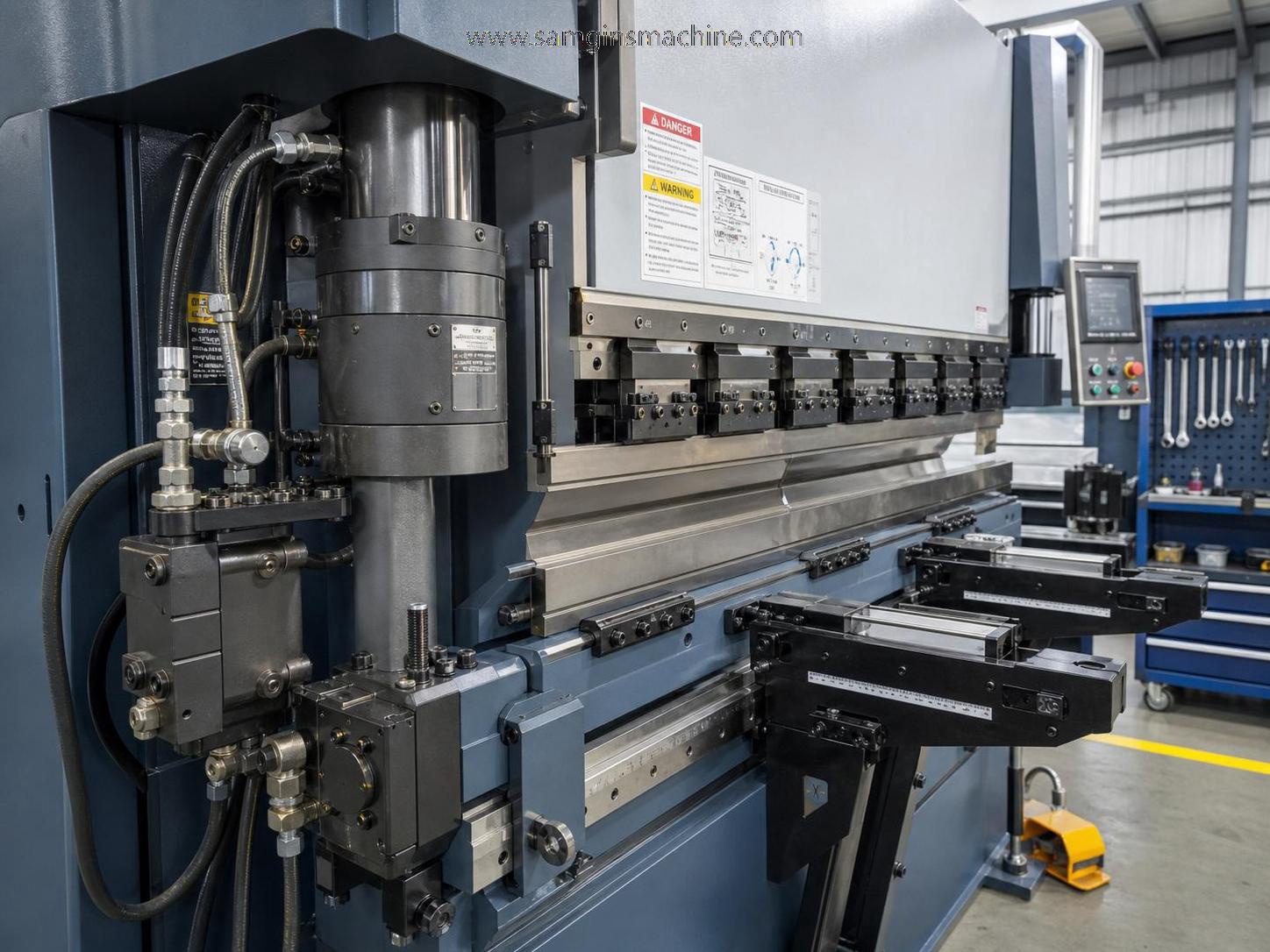
Hydraulic Press Brake Maintenance Checklist to Reduce Downtime
For after-sales maintenance teams, keeping a Hydraulic Press brake in stable working condition is essential to avoid unexpected stoppages, costly repairs, and production delays.
A clear maintenance checklist helps identify wear, hydraulic issues, and alignment problems before they affect performance.
In this guide, we outline practical inspection and service points that can reduce downtime, improve machine reliability, and support safer, more efficient operation.
A Hydraulic Press brake often runs hard, fast, and under pressure.
That also means small warning signs can turn into production losses very quickly.
A strong checklist gives service teams a repeatable way to catch problems early and keep bending quality consistent.
Why Hydraulic Press Brake Maintenance Matters
Most Hydraulic Press brake downtime does not begin with a major failure.
It usually starts with heat, contamination, loose connections, uneven motion, or poor lubrication.
When these issues are missed, the machine works harder to deliver the same bending result.
That extra strain affects seals, cylinders, valves, guides, tooling, and control accuracy.
In practical service work, the goal is not just repair.
The real goal is stable uptime, predictable bending performance, and fewer emergency callouts.
Daily Hydraulic Press Brake Checklist
Daily checks should be short, visual, and easy to repeat.
A five to ten minute routine can prevent hours of downtime later.
- Check hydraulic oil level before startup.
- Look for oil leakage around cylinders, hoses, fittings, and valve blocks.
- Inspect the ram movement for jerking, drifting, or uneven descent.
- Listen for unusual pump noise, vibration, or cavitation.
- Check backgauge movement and confirm repeat positioning.
- Inspect punches and dies for cracks, chipping, or abnormal marks.
- Clean guide surfaces and remove metal dust or sheet fragments.
- Verify that emergency stop buttons and guards work correctly.
- Confirm the control screen shows no active alarms.
- Test one sample bend and compare angle consistency.
If one item looks wrong, document it immediately and avoid waiting for the next maintenance window.
Weekly Inspection Points That Prevent Hidden Failures
Weekly checks go deeper than the basic startup routine.
This is where many hidden Hydraulic Press brake problems first become measurable.
- Inspect hydraulic hoses for hardening, swelling, or rubbing damage.
- Check electrical terminals for looseness, heat discoloration, or dust buildup.
- Inspect foot switch and pedal response for delay or sticking.
- Verify lubrication points are receiving the correct amount of grease or oil.
- Check ram parallelism and inspect for uneven wear on both sides.
- Clean filters or inspect filter clog indicators where applicable.
- Review alarm history in the controller for recurring faults.
- Inspect clamping systems and tooling seating surfaces for debris.
A recurring minor alarm usually points to a real cause, even when the machine still runs.
Monthly Service Tasks for Hydraulic Stability
Monthly service work should focus on system condition, calibration, and wear trend analysis.
This is especially important for any Hydraulic Press brake used in multi-shift production.
- Sample the hydraulic oil and check for contamination, darkening, or water presence.
- Measure oil temperature during operation and compare it with normal range.
- Inspect cylinder seals and gland areas for slow seepage.
- Check pressure settings and confirm they match process requirements.
- Verify backgauge accuracy across several programmed positions.
- Check crowning function if installed and confirm bending uniformity.
- Inspect machine frame bolts and key mechanical fasteners.
- Review maintenance records and compare with previous trend data.
Trend records matter because one abnormal reading can be random, but repeated drift usually is not.
Hydraulic Oil, Filters, and Cleanliness Control
Hydraulic oil condition has a direct effect on press brake response and component life.
Dirty oil can damage valves, reduce pressure stability, and create inconsistent bending angles.
For a Hydraulic Press brake, oil care should never be treated as a low-priority task.
- Use the oil grade recommended by the machine manufacturer.
- Do not mix oil brands unless compatibility is confirmed.
- Replace filters at scheduled intervals or earlier if contamination is high.
- Keep tank caps, breathers, and refill tools clean.
- Investigate overheating before changing oil alone.
When oil degrades too quickly, the root cause is often heat, moisture, or dirty working conditions.
Alignment, Tooling, and Bending Accuracy Checks
Not every bending defect comes from the hydraulic system.
Many Hydraulic Press brake quality issues come from tooling condition or mechanical misalignment.
Common warning signs include uneven bend angle, marking on material, and inconsistent flange dimensions.
- Check punch and die matching before diagnosing hydraulic faults.
- Inspect clamping surfaces for burrs, dust, or trapped sheet pieces.
- Confirm the tooling is seated evenly across the full working length.
- Measure ram parallelism during slow movement.
- Recheck calibration after tooling changes or impact events.
This approach helps separate true machine faults from setup-related bending errors.
Control System and Safety Items You Should Not Skip
Electrical and control issues can stop a Hydraulic Press brake just as fast as hydraulic problems.
More importantly, neglected safety devices create unacceptable operating risk.
- Test emergency stop response and reset logic.
- Check light guards or other protection devices for correct sensing.
- Inspect cables for abrasion, loose plugs, or oil exposure.
- Back up controller parameters after verified service adjustments.
- Review alarm logs instead of clearing them without analysis.
In automated metal fabrication lines, the same discipline applies across connected equipment.
For example, systems such as the 7 axis cantilever type welding robot rely on clear status indication, emergency stops, and grounded operation to maintain safe and continuous production.
That broader view helps maintenance teams standardize inspection habits across bending and welding cells.
Common Hydraulic Press Brake Problems and Fast Responses
A checklist becomes more useful when paired with quick fault logic.
Fast response works best when supported by accurate records and a fixed inspection sequence.
How to Build a Maintenance Routine That Actually Sticks
A maintenance checklist only reduces downtime when it is used consistently.
The best routines are simple enough to follow during busy service schedules.
- Standardize daily, weekly, and monthly inspection forms.
- Record actual readings instead of only marking items as checked.
- Tag repeated issues by machine, shift, and tooling set.
- Keep essential spares for filters, seals, switches, and hoses.
- Review downtime cases and update the checklist based on field experience.
Wuxi Samgins International Trade Co.,Ltd supplies a broad range of fabrication equipment for global users.
Its portfolio covers bending machines, shearing machines, laser cutting machines, welding robots, CNC machine tools, and related production solutions.
With ISO9001-based quality organization and EU CE-oriented standards, stable equipment care remains a core part of long-term machine value.
For any Hydraulic Press brake, the most effective way to reduce downtime is simple: inspect early, record clearly, act fast, and never ignore small changes in machine behavior.
search
Products Navigation
Send Us A Message