




Hydraulic Press Brake Price Factors That Matter Before You Buy
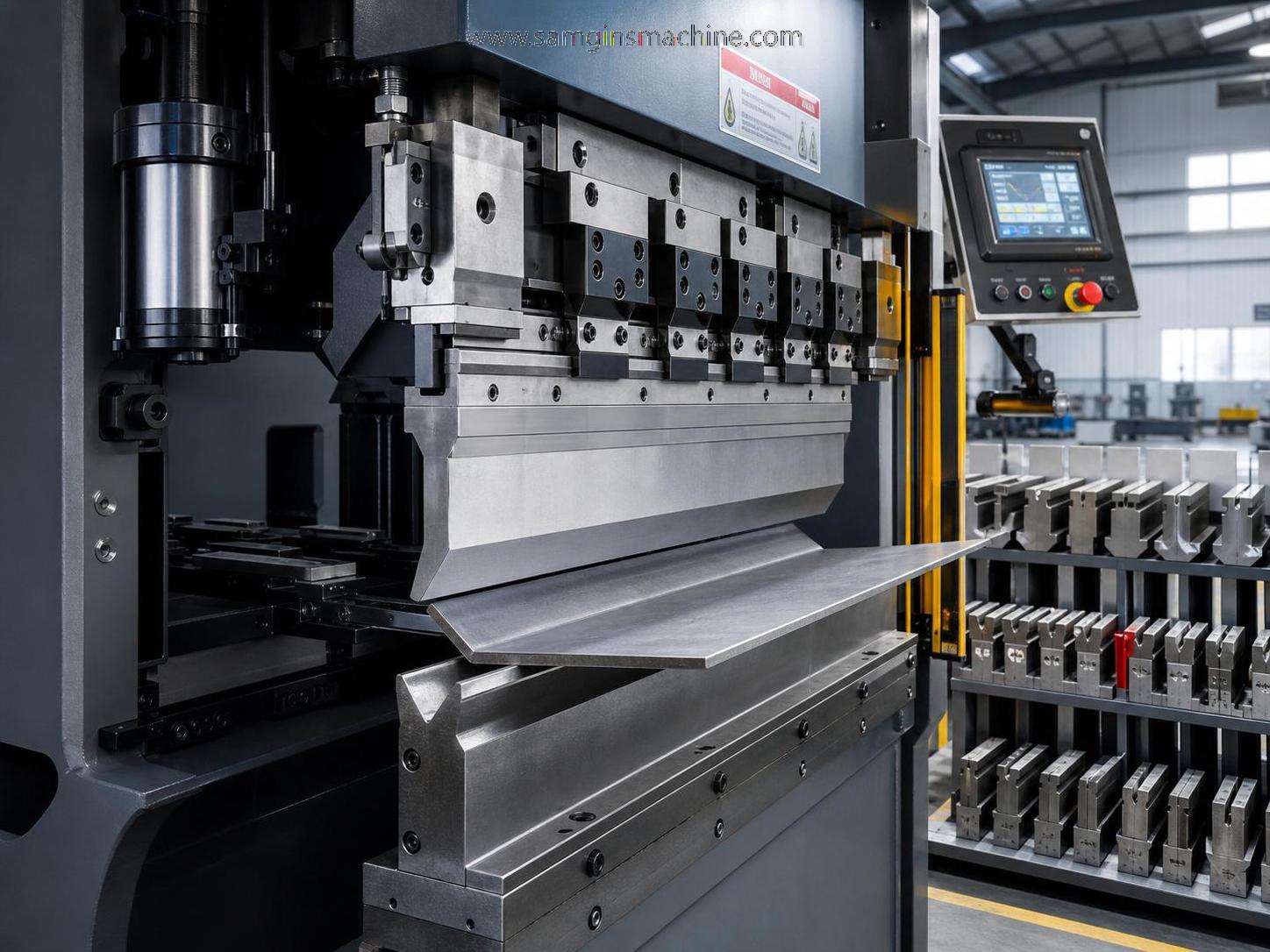
Hydraulic Press Brake Price Factors That Matter Before You Buy
Before comparing quotes, buyers need to know what truly shapes Hydraulic Press brake cost.
A low initial figure can hide tooling gaps, weak controls, or expensive service limitations.
A higher quote may include stronger frames, better repeatability, and compliance support.
That is why Hydraulic Press brake pricing should be reviewed as a total investment decision.
In real procurement work, price only makes sense when linked to output, risk, and service life.
The main variables are usually straightforward, but their commercial impact is often underestimated.
This guide explains the Hydraulic Press brake price factors that deserve attention before any purchase decision.
1. Tonnage And Bending Length Set The Basic Price Range
Tonnage is one of the first drivers of Hydraulic Press brake pricing.
More tonnage means a heavier frame, larger cylinders, and stronger hydraulic components.
Bending length also matters because longer machines require better structural stability and more precise deflection control.
A 100-ton machine for short parts sits in a very different price bracket than a 320-ton model.
This also affects freight, installation, and plant layout.
Many buyers overspecify tonnage for safety, then pay more without gaining real production value.
A proper part analysis often reveals a narrower, more economical Hydraulic Press brake configuration.
Questions To Check Early
- What is the thickest material used in daily production?
- What is the longest bend length required?
- Is future capacity planning realistic or only a rough assumption?
- Are there high-strength materials that need extra forming force?
2. CNC Control Level Changes Cost And Daily Efficiency
The control system is another major reason why one Hydraulic Press brake quote differs from another.
Entry-level controls can handle simple jobs, but programming takes longer and operator dependence stays high.
Advanced CNC systems raise the machine price, yet they reduce setup time and bending errors.
Features like 2D or 3D simulation, angle correction, and recipe storage improve consistency across shifts.
For small batch production, this can materially improve return on investment.
When comparing Hydraulic Press brake cost, control capability should be tied to operator skill and order complexity.
Control Features That Usually Affect Price
- Number of controlled axes
- Graphical programming interface
- Offline programming support
- Material database and bend compensation
- Remote diagnostics and software updates
3. Frame Design, Hydraulics, And Accuracy Have Long-Term Cost Effects
Two machines may look similar on paper, but their engineering quality can be very different.
Frame rigidity affects accuracy, especially on long parts and repeat jobs.
Hydraulic valves, seals, pumps, and cylinder finishing also influence stability and maintenance frequency.
Cheaper Hydraulic Press brake models may save money upfront but create variation in angle and rework rates.
That becomes expensive when output depends on repeatable quality.
In production planning, stable accuracy often matters more than headline speed.
This is especially true when the Hydraulic Press brake supports downstream welding, assembly, or inspection requirements.
4. Tooling Scope Can Quietly Expand The Purchase Budget
Tooling is often underestimated during quote review.
A base Hydraulic Press brake price may include only standard punches and dies.
However, actual production may require segmented tooling, gooseneck punches, deep boxes, or special radii.
Tool clamping style also affects speed and operator convenience.
Manual clamping reduces initial cost, while quick clamping saves time on mixed jobs.
If the factory handles diverse sheet metal work, tooling strategy should be evaluated together with the machine.
A realistic tooling list makes Hydraulic Press brake price comparison far more accurate.
5. Safety Standards And Compliance Influence Both Cost And Procurement Risk
Safety configuration is not just a technical detail.
It directly affects acceptance, insurance, and internal approval.
A Hydraulic Press brake with CE-oriented design, light curtains, guards, and reliable electrical systems will usually cost more.
Still, the added cost may be small compared with compliance delays or retrofit work later.
This point becomes more important in international sourcing.
Wuxi Samgins International Trade Co.,Ltd organizes production under ISO9001 and EU CE standards, which helps reduce qualification risk during equipment evaluation.
Documents Worth Requesting
- CE-related declarations where applicable
- Electrical drawings and hydraulic schematics
- Accuracy test reports
- Factory inspection and acceptance documents
6. Automation Options Raise Price But May Lower Unit Cost
Backgauge sophistication, sheet followers, robotic loading, and angle measurement systems all affect final price.
For some plants, these are unnecessary extras.
For others, they are the difference between stable throughput and labor bottlenecks.
The right approach is to compare automation cost against labor savings, scrap reduction, and order volume.
This is where a Hydraulic Press brake should be reviewed as part of a wider forming workflow.
In some shops, plate rolling and bending are linked processes, especially for larger steel components.
For example, projects involving thick plate may also require Mechanized bending machine with 3 roller equipment.
That type of machine suits metal fabrication using steel and metal plates of 50mm or more.
It can roll cylindrical, conical, arc-shaped, and partial sections, which may influence broader equipment budgeting.
7. Freight, Installation, Training, And Service Should Be Counted Upfront
A Hydraulic Press brake quote is incomplete if it excludes delivery and startup costs.
Heavy machines can generate meaningful shipping, packing, and unloading expenses.
Installation support, commissioning, and operator training also carry value.
Without them, early production losses may exceed the savings from a lower machine price.
After-sales response time matters too.
Spare parts availability and remote troubleshooting can significantly reduce downtime.
When reviewing Hydraulic Press brake suppliers, service structure should be checked with the same discipline as machine specifications.
8. How To Compare Hydraulic Press Brake Quotes More Effectively
The simplest way to avoid confusion is to standardize the comparison sheet.
Ask every supplier to quote against the same parts, materials, tooling needs, and acceptance criteria.
Then compare commercial and technical details side by side.
This method makes Hydraulic Press brake price analysis more transparent.
It also helps procurement teams defend decisions internally with clearer technical logic.
Final Takeaway
Hydraulic Press brake pricing is shaped by more than machine size.
Tonnage, length, controls, tooling, compliance, automation, and service all change the real cost.
The better question is not which quote is cheapest.
It is which Hydraulic Press brake delivers reliable output with acceptable operating risk.
A careful review of total investment, not just purchase price, leads to stronger buying decisions.
Before requesting final quotations, align technical needs, service expectations, and future production plans on one checklist.
search
Products Navigation
Send Us A Message