




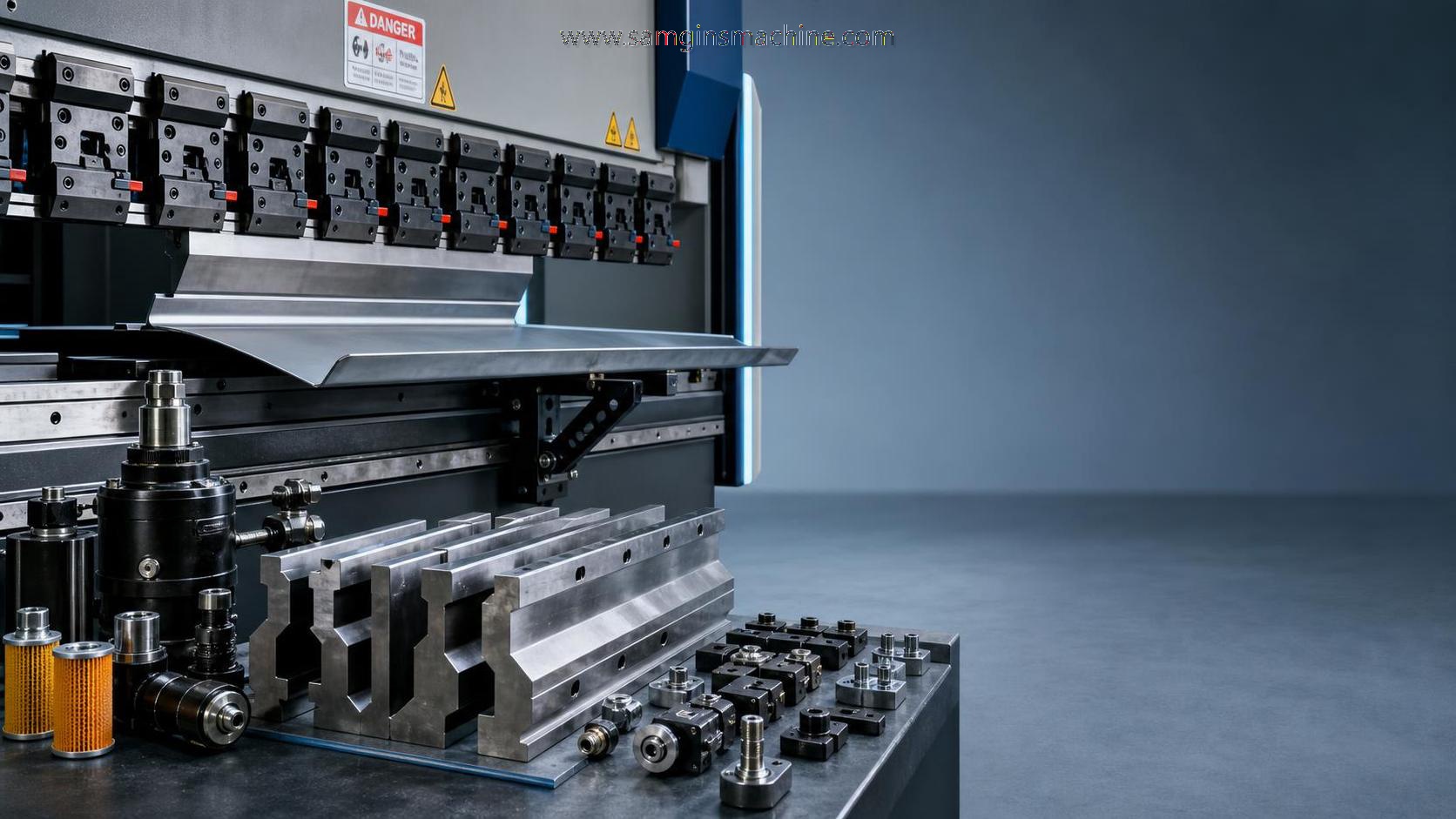
Hydraulic Press Brake: The Complete 2026 Guide to Working Principles, Types, and Industrial Applications
What Is A Hydraulic Press Brake
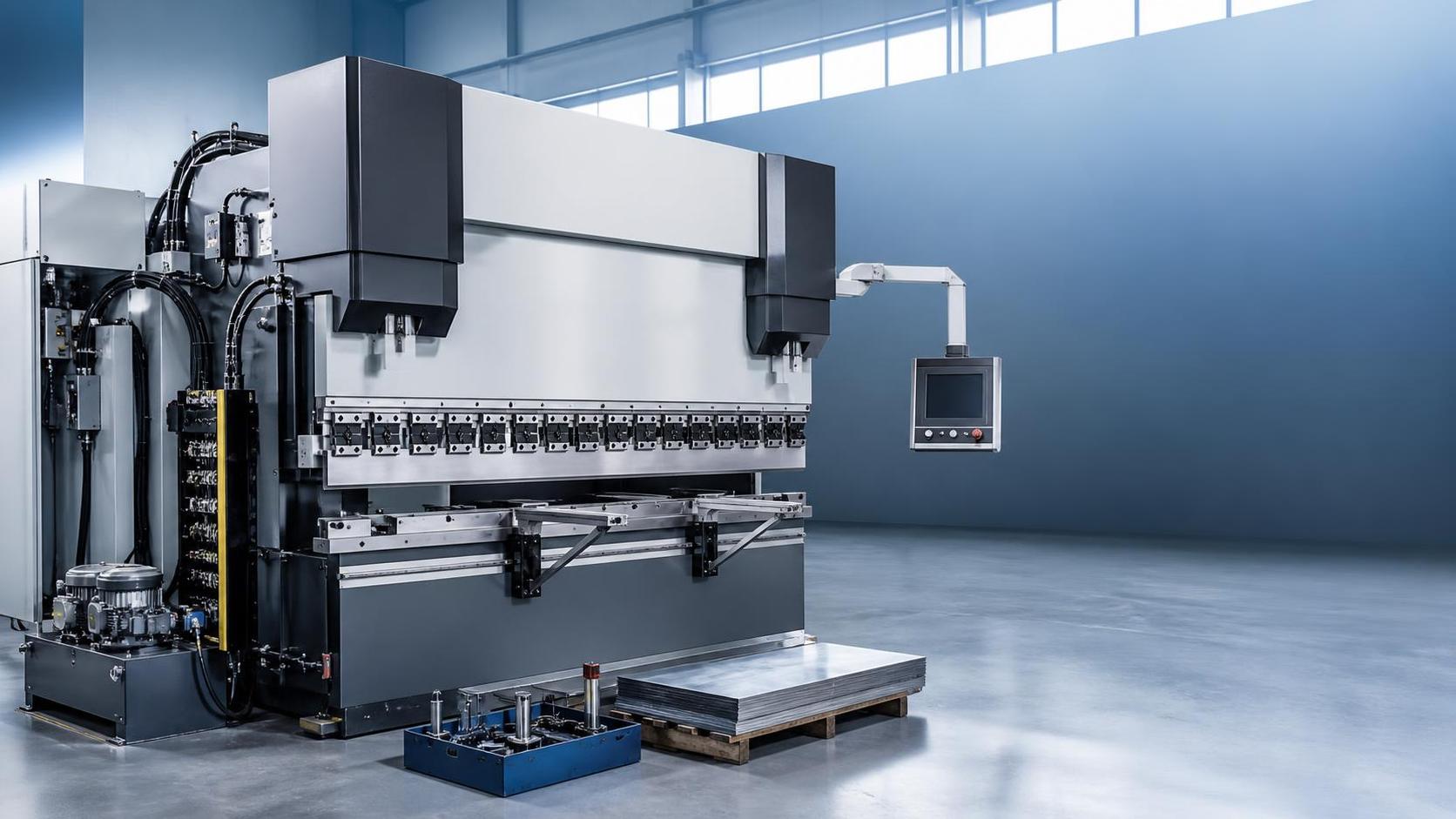
A Hydraulic Press brake is a metal forming machine that uses hydraulic cylinders to drive a ram downward so a punch can press sheet metal into a die. By controlling stroke depth, tonnage, backgauge position, and tooling geometry, the machine creates precise bends for parts used in cabinets, frames, ducts, structural brackets, enclosures, vehicles, pressure equipment, and many other fabricated products.
In industrial practice, the term Hydraulic Press brake usually covers both conventional hydraulic machines and CNC-controlled versions. The common distinction is not whether the machine uses oil pressure, but how accurately it controls ram synchronization, angle correction, and repeatability. Basic units may suit simple jobs, while CNC press brakes are preferred for higher mix production, tighter tolerances, and faster setup changes.
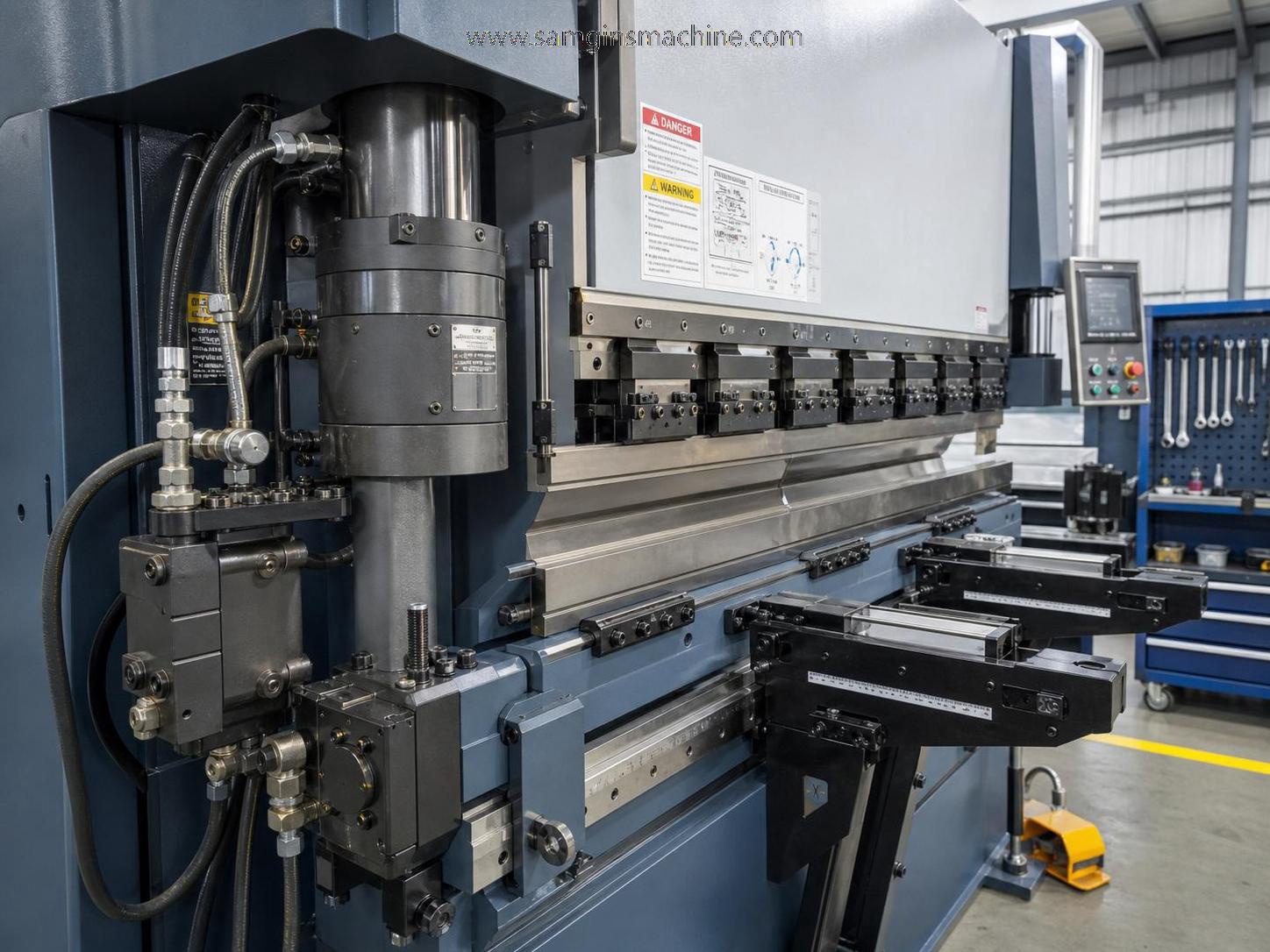
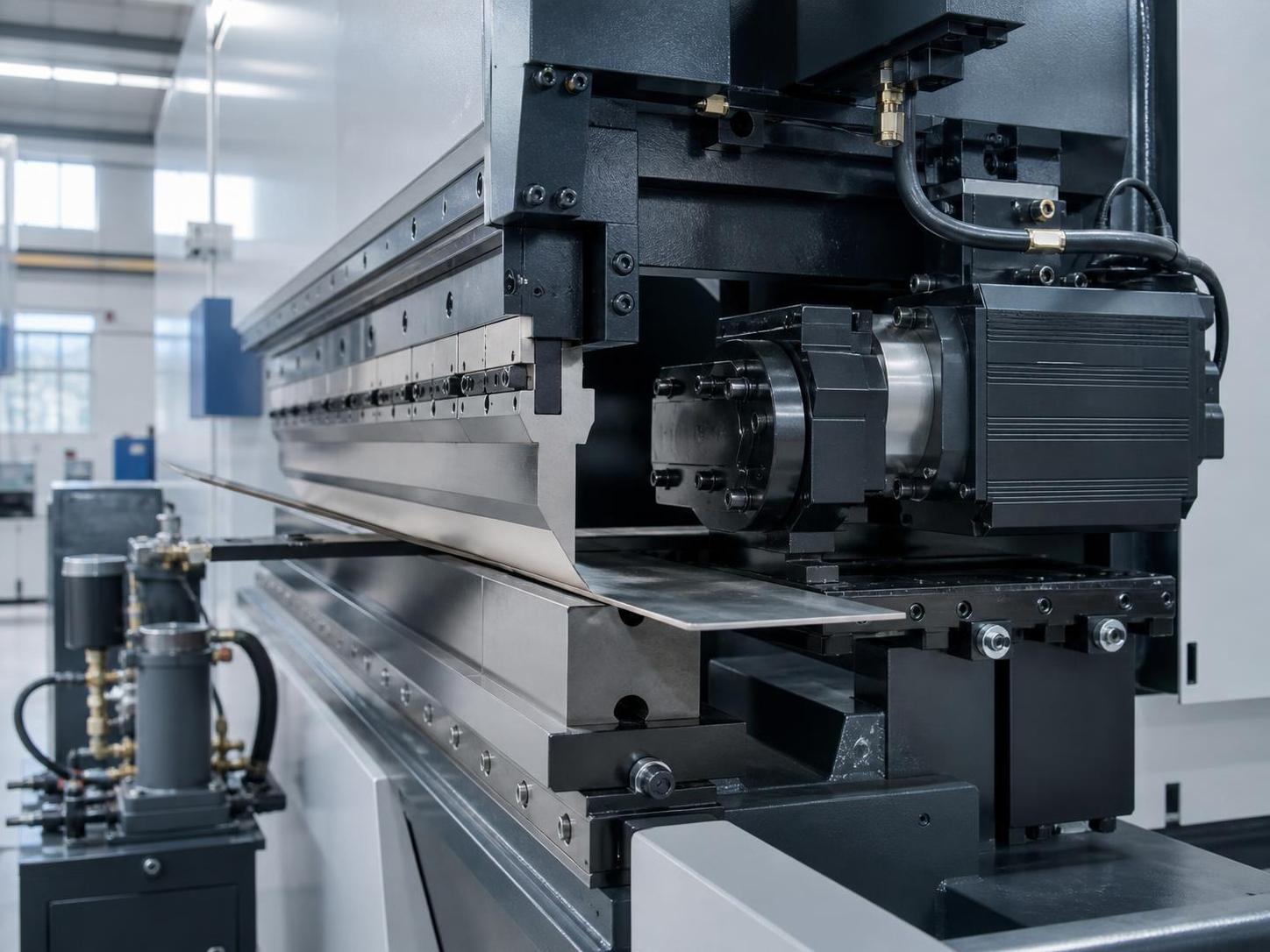
The machine is defined by several physical elements: frame rigidity, cylinder layout, ram guidance, throat depth, daylight, stroke, bed length, and available tonnage. These parameters determine the maximum sheet thickness, bend length, tooling options, and part complexity that can be handled. For B2B buyers, understanding these basics is essential before comparing quoted prices or control brands.
Industry expectations also extend beyond force capacity. Buyers typically review electrical safety, hydraulic stability, guarding, documentation, and whether the machine can align with export and site compliance needs. In this context, a Hydraulic Press brake is not just a standalone machine, but part of a wider fabrication workflow linked with cutting, deburring, rolling, welding, and final assembly.
How A Hydraulic Press Brake Works
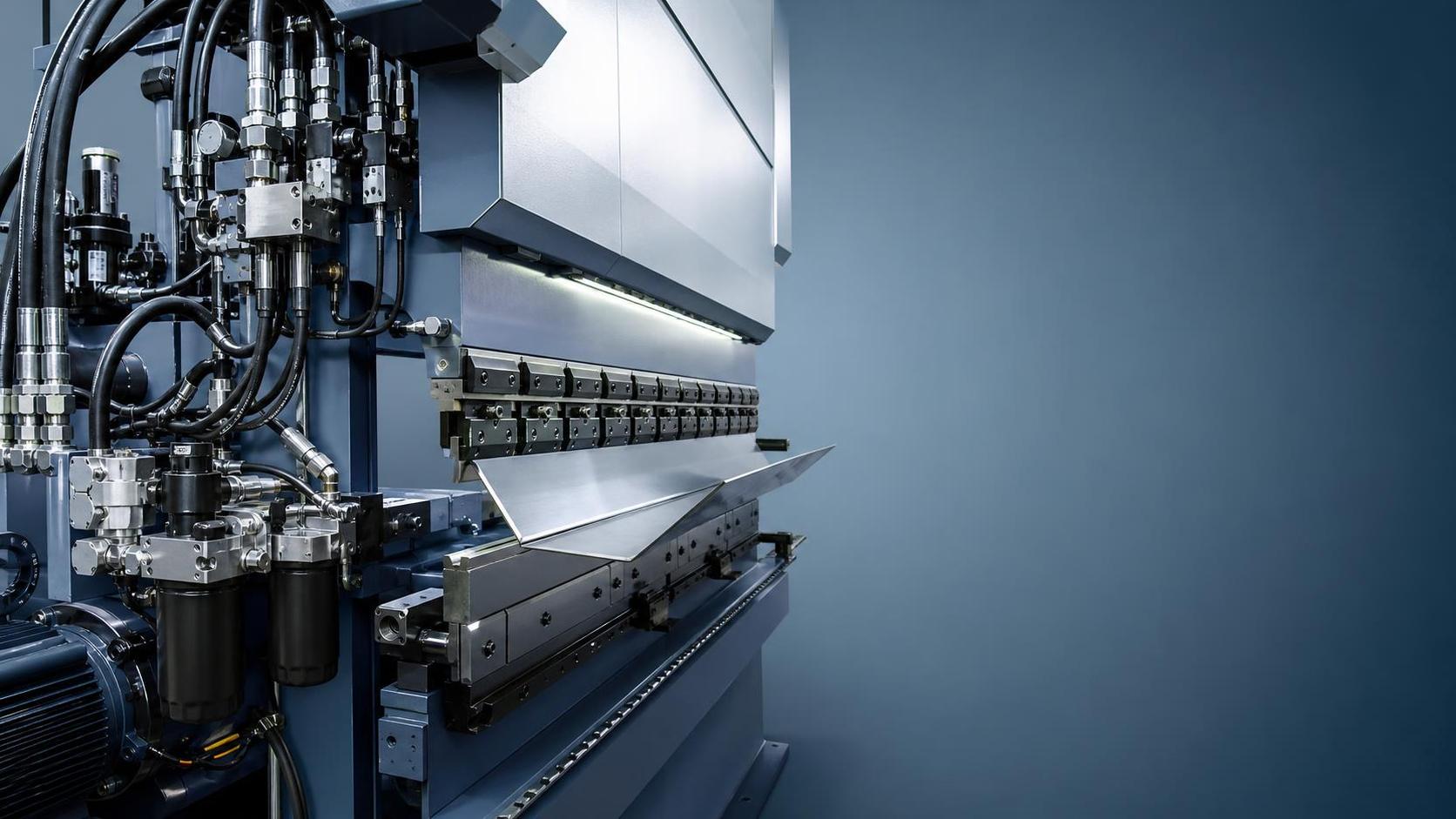
The working principle of a Hydraulic Press brake is straightforward: hydraulic power generates controlled force in the cylinders, the ram descends, and the sheet is formed between upper and lower tooling. What matters in production is how precisely that force is delivered and synchronized. Stable pressure, controlled speed changes, and consistent stopping positions are what separate predictable bending from scrap-producing variation.
During a bend cycle, the operator or CNC system positions the sheet against the backgauge, selects the bend program, and starts the stroke. The ram approaches quickly, slows before contact, forms the angle, then returns. Depending on the control system, the machine may compensate for material springback, tooling height differences, and bed deflection. These functions improve angle consistency, especially in stainless steel and higher strength materials.
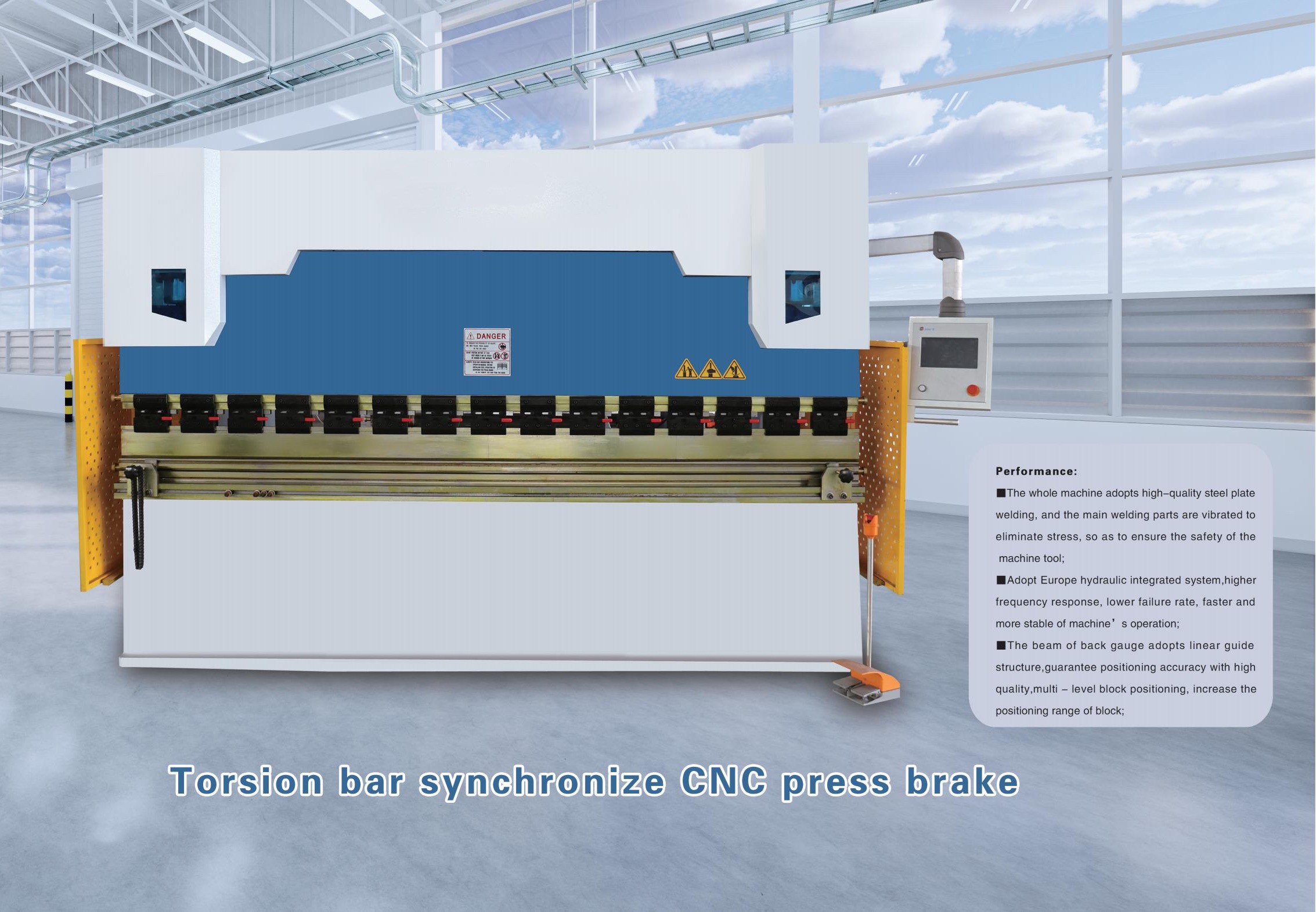
Synchronization is a critical technical point. In a torsion bar synchronize CNC press brake, both sides of the ram are mechanically linked to maintain parallel movement. In more advanced electro-hydraulic systems, sensors and valves regulate each cylinder in closed loop. The second approach generally offers better accuracy for complex, multi-step work, but the first remains relevant where budgets are tighter and the production mix is less demanding.
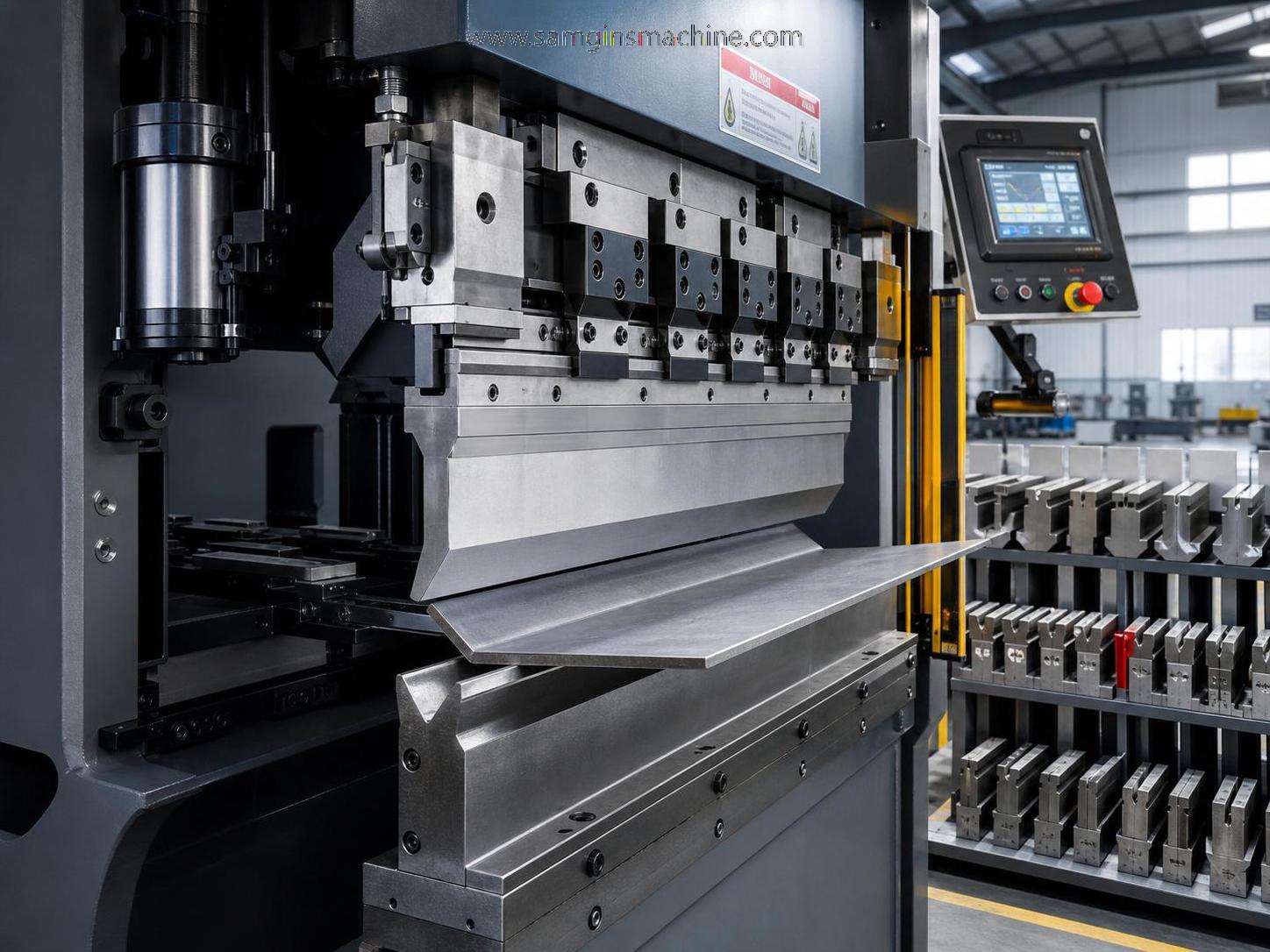
Tooling selection also shapes the process. Air bending, bottoming, and coining each require different force levels and produce different accuracy outcomes. Air bending is the most common because it reduces tool wear and increases flexibility across material thicknesses. A buyer evaluating a Hydraulic Press brake should therefore review not only tonnage, but also tooling compatibility, crowning method, and controller capability for real operating conditions.
Main Types And Classification Standards
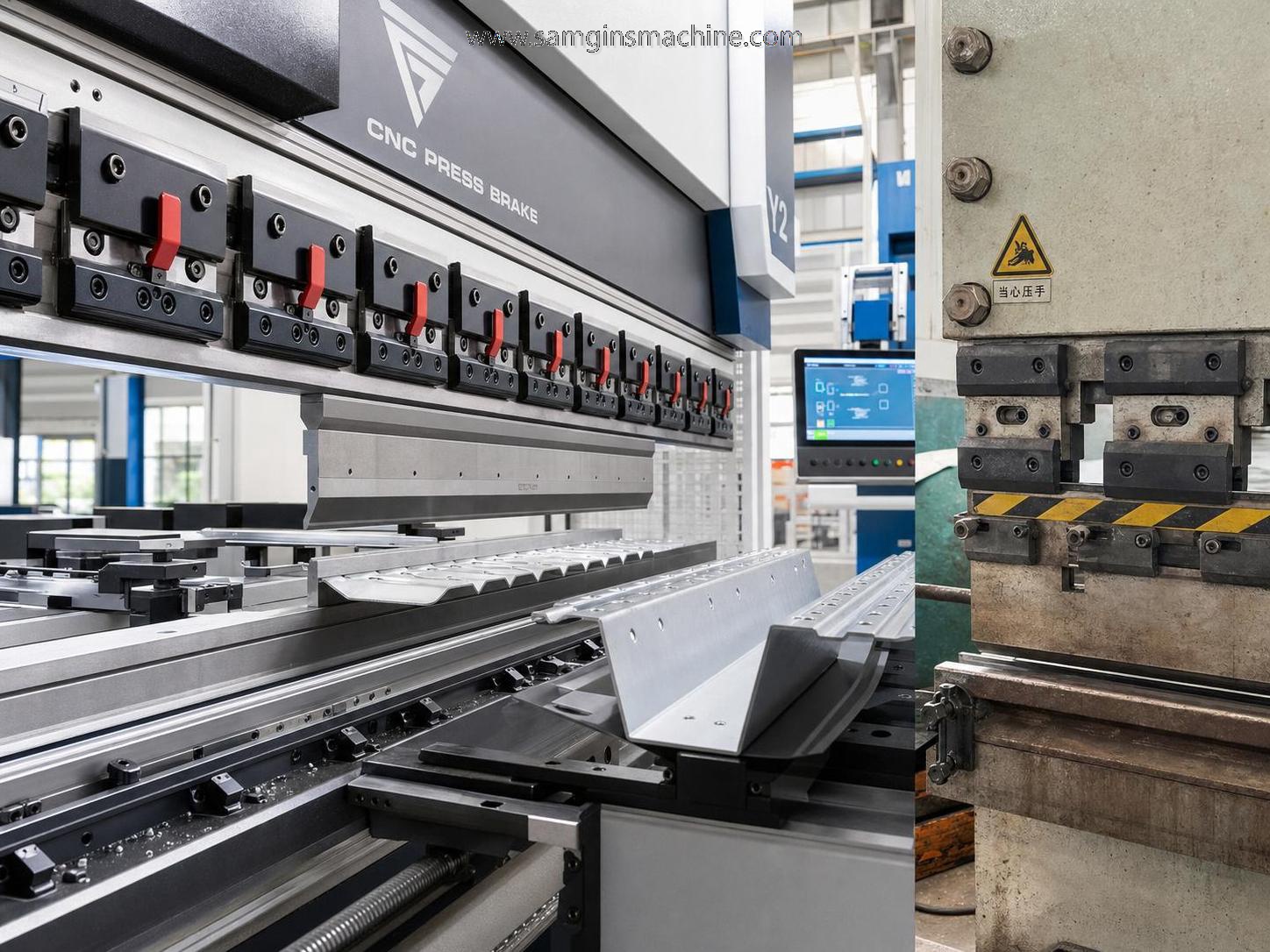
A Hydraulic Press brake can be classified by control method, synchronization structure, frame size, and intended production role. The most common groups are manual or NC hydraulic press brakes, torsion bar synchronized CNC models, and electro-hydraulic CNC models. For procurement teams, these categories matter because they directly affect programming depth, repeatability, maintenance complexity, and the skill level required on the shop floor.
Small and mid-range machines are often selected for sheet metal workshops producing doors, boxes, channels, cabinets, and general brackets. Larger machines with greater bed length and tonnage serve heavy fabrication sectors such as steel structures, transport equipment, energy projects, and pressure vessel support fabrication. Machine size should follow actual part geometry, not a rough assumption that more tonnage is always safer or more productive.
Another practical classification is by axis configuration. A simpler machine may control ram depth and one or two backgauge axes, while more advanced systems manage several axes for gauging, crowning, and tooling movement. The right level depends on bend sequence complexity and batch variation. Plants handling many small customized orders usually gain more from CNC flexibility than factories producing a narrow range of repetitive parts.
From a supplier perspective, Wuxi Samgins can support buyers who want the Hydraulic Press brake to fit into a broader fabrication line rather than remain an isolated purchase. Its wider machine portfolio, including fiber laser cutting, shearing, deburring, plate rolling, leveling, and welding equipment, is useful when the bending station must match upstream cutting accuracy and downstream welding productivity across a complete metalworking process.
Why It Matters In Modern Fabrication
The Hydraulic Press brake remains essential because many industrial components still require reliable linear bending after cutting. Laser and plasma systems define the blank, but they do not replace forming. In sectors where dimensional fit affects assembly time, weld quality, enclosure sealing, or structural alignment, bending accuracy has direct commercial value. A weak bending process often creates downstream rework that costs more than the machine itself over time.
Compared with older mechanical approaches, hydraulic systems provide smoother force application, broader flexibility across thickness ranges, and safer controllability during setup. CNC integration adds recipe storage, angle repeatability, and reduced dependence on operator memory. For factories managing mixed orders, this can shorten changeover time and lower scrap rates. The result is a more stable process for export-oriented production where consistency matters batch after batch.
Wuxi Samgins is positioned for this environment because its offering is not limited to a single product family. Buyers who need a Hydraulic Press brake alongside shearing machines, plate leveling machines, profile benders, welding robots, or H-beam processing lines can source complementary equipment from one supplier group. That can simplify technical alignment, shipment coordination, and post-sale communication, especially for projects building a new workshop or upgrading a full production section.
Its stated use of world-famous imported hydraulic, servo, and CNC components is particularly relevant for customers who prioritize control stability and service life. While machine performance still depends on design execution and application fit, component quality strongly influences valve response, axis positioning, and long-term reliability. In capital equipment decisions, that relationship should be evaluated more carefully than headline tonnage alone.
Who Should Use It And Typical Applications
A Hydraulic Press brake is suitable for sheet metal fabricators, enclosure manufacturers, HVAC duct producers, structural steel workshops, agricultural equipment makers, transport body builders, electrical cabinet plants, and pressure equipment subcontractors. It is also relevant for job shops serving many industries because one machine can support a broad range of bend profiles, provided tooling and control capability match the order mix.
The most common parts include U channels, L brackets, box sections, covers, stiffeners, base frames, support plates, machine guards, and welded assembly parts that must arrive with accurate bend angles for fit-up. In heavy fabrication environments, even when beams and plates dominate, a Hydraulic Press brake still supports secondary components such as gussets, clip angles, mounting plates, and formed reinforcement pieces.
Global customer references help illustrate the range of end users. Wuxi Samgins lists buyers such as URALSTANKOIMPORT, MD Calbah Industries Pty Ltd, Ersay International Transport, Zein Steel Industries Co. LLC, PT. Cahaya mas Cemerlang, Estructuras Metalicas Girders Chile Limitada, and Lincoln Electric-MENA. These names indicate experience with varied regional markets and industrial settings, though each buyer should still confirm the exact machine scope and local application match.
For companies exporting finished metal products, the Hydraulic Press brake also supports compliance and consistency goals. Repeatable bending helps maintain dimensional control against drawings, assembly fixtures, and customer inspection criteria. When production must align with ASME, API, or project-specific quality documents, process stability becomes part of commercial credibility, not just workshop efficiency.
How To Select The Right Machine
Selection should begin with parts, not catalogs. Buyers need a bending matrix covering material grades, thickness range, maximum bend length, smallest flange, required angle tolerance, batch size, and annual output. From there, machine tonnage, bed length, throat depth, stroke, open height, and backgauge travel can be defined. This avoids the common error of buying a larger machine that still cannot handle the actual geometry or tooling access requirements.
Control level is the next major choice. If production consists of simple, repetitive bends, an NC or torsion bar synchronize CNC press brake may offer a practical balance between investment and capability. If the factory handles varied products, frequent changeovers, and tighter angle expectations, a more advanced CNC Hydraulic Press brake with stronger programming and compensation functions usually delivers better long-term value through reduced setup time and scrap.
Tooling, crowning, and safety provisions should be reviewed as standard purchasing items rather than optional afterthoughts. A buyer should confirm punch and die compatibility, clamping method, segmented tooling needs, support arms, front feeding ergonomics, and guarding configuration. It is also sensible to ask how installation, operator training, spare parts support, and remote troubleshooting are handled after arrival at site.
Wuxi Samgins may be a fit when the requirement includes customization or integration with adjacent equipment. Its stated capability in customized machines, including specialized welding and heavy-duty rotating systems, suggests useful project experience for factories that need more than an off-the-shelf bending unit. In those cases, the better question is not only which Hydraulic Press brake to buy, but how it will operate inside the entire production flow.
Manufacturing Quality Control And Installation Priorities
The quality of a Hydraulic Press brake depends on more than visible frame size. Buyers should evaluate frame welding and stress handling, machining accuracy of the bed and ram, cylinder matching, hydraulic cleanliness, electrical layout, controller integration, and final calibration. Poor discipline in any of these areas can reduce bending repeatability, shorten seal and valve life, or create unstable operation that appears only after several months of use.
A disciplined manufacturing process usually includes raw material inspection, controlled fabrication of the frame, precision machining of mating surfaces, hydraulic and electrical assembly, idle testing, load testing, and final geometry verification. When a supplier emphasizes ISO9001 process alignment and CE machinery and LVD compliance, that does not replace buyer inspection, but it does indicate a structured baseline for documentation, traceability, and export readiness.
Installation conditions also affect outcome. The foundation must suit machine size, the power supply must match specification, and hydraulic oil, ambient temperature, and material handling access should be considered in advance. Improper leveling or unstable surrounding workflow can undermine a good machine. For this reason, practical commissioning support and clear operating documents are often more valuable than a low initial quote.
Wuxi Samgins states that it supports design, manufacturing, sales, after-sales, and technical service, with attention to common buyer concerns such as quality variance and delivery coordination. For international buyers, that matters because the installation phase often reveals whether the supplier understands real factory conditions or only the shipment stage. A Hydraulic Press brake becomes productive faster when service expectations are settled before purchase.
Cost Structure TCO And ROI Considerations
The purchase price of a Hydraulic Press brake is only one part of total ownership cost. TCO usually includes tooling, freight, import duties, commissioning, operator training, spare parts, scheduled maintenance, hydraulic oil management, electricity use, and the cost of downtime. For some plants, the largest hidden cost is actually poor first-pass yield, because every inaccurate bend creates labor loss and material waste that compounds over a year.
Price differences between machines are often driven by tonnage, length, controller level, axis count, tooling package, hydraulic and electrical brand choices, and customization requirements. Buyers should treat very low quotations carefully if they lack detail on configuration, testing scope, support terms, or essential accessories. A lower upfront figure can become less competitive once replacement parts, service response time, or output inconsistency are taken into account.
ROI should be estimated through measurable factors: setup time reduction, lower scrap rate, faster order turnaround, improved labor productivity, and the ability to win higher value jobs requiring tighter bending control. In many workshops, moving from a basic machine to a better specified Hydraulic Press brake pays back through scheduling stability rather than only through direct cycle speed. That is especially true in mixed production environments with frequent drawing changes.
For a more grounded budget discussion, related topics such as Hydraulic Press Brake Price Factors That Matter Before You Buy and CNC Press Brake vs Hydraulic Press Brake: Which Fits Batch Production? are useful starting points. Procurement teams should compare offers using the same part drawings and productivity targets so commercial decisions reflect real manufacturing economics rather than a simplified machine-to-machine price comparison.
Maintenance Service Life And Future Trends
A Hydraulic Press brake should follow a preventive maintenance routine that covers hydraulic oil condition, filter replacement, hose and seal inspection, tooling wear, electrical connections, backgauge accuracy, and general machine cleanliness. Daily checks are simple but important, while monthly and quarterly inspections help catch small deviations before they affect angle consistency or create unplanned stops. Maintenance discipline is often the cheapest source of long machine life.
The right service interval depends on workload, environment, and material type. Plants bending abrasive or heavy materials at high utilization will typically need more frequent inspection than light-duty workshops. A practical framework is to combine cycle-count based checks with scheduled reviews of accuracy, hydraulic response, and safety devices. This is why a Hydraulic Press Brake Maintenance Checklist to Reduce Downtime can be a valuable internal document for any fabrication manager.
Looking ahead to 2026 and beyond, the main trends are clearer digital programming, better angle compensation, reduced setup dependence on highly experienced operators, and stronger integration with upstream cutting data. Buyers are also showing more interest in energy efficiency, remote diagnostics, and machine configurations that can support shorter lead times with smaller batch sizes. These shifts favor press brakes that are easier to standardize across multiple product families.
For companies planning long-term capacity, the best strategy is to treat the Hydraulic Press brake as part of a connected fabrication system. When matched with suitable cutting, deburring, rolling, and welding equipment, it contributes to a cleaner production flow and better delivery performance. That systems view is where suppliers with broad machine coverage, international export experience, and practical after-sales support can offer meaningful value beyond the machine specification sheet.
search

Recommended blogs
 Hydraulic Press Brake Price Factors That Matter Before You Buy
- Do Servo Press Brakes Reduce Energy Use in Daily Factory Operation?
 How to Reduce Press Brake Downtime Caused by Hydraulic Failures
- How Long Does It Take to Commission a Press Brake at a New Site?
- Hydraulic Press Brake Maintenance Checklist to Reduce Downtime
- CNC Press Brake vs Hydraulic Press Brake: Which Fits Batch Production?
Send Us A Message
Send us a Message
A dedicated person will follow up on your needs one-on-one and provide personalized customized solutions according
to your needs.
Get In Touch
We look forward to hearing from you for in-depth communication on how to fulfill your mixing requirements.