




CNC Bending Machine Setup Tips for Faster Job Changeovers
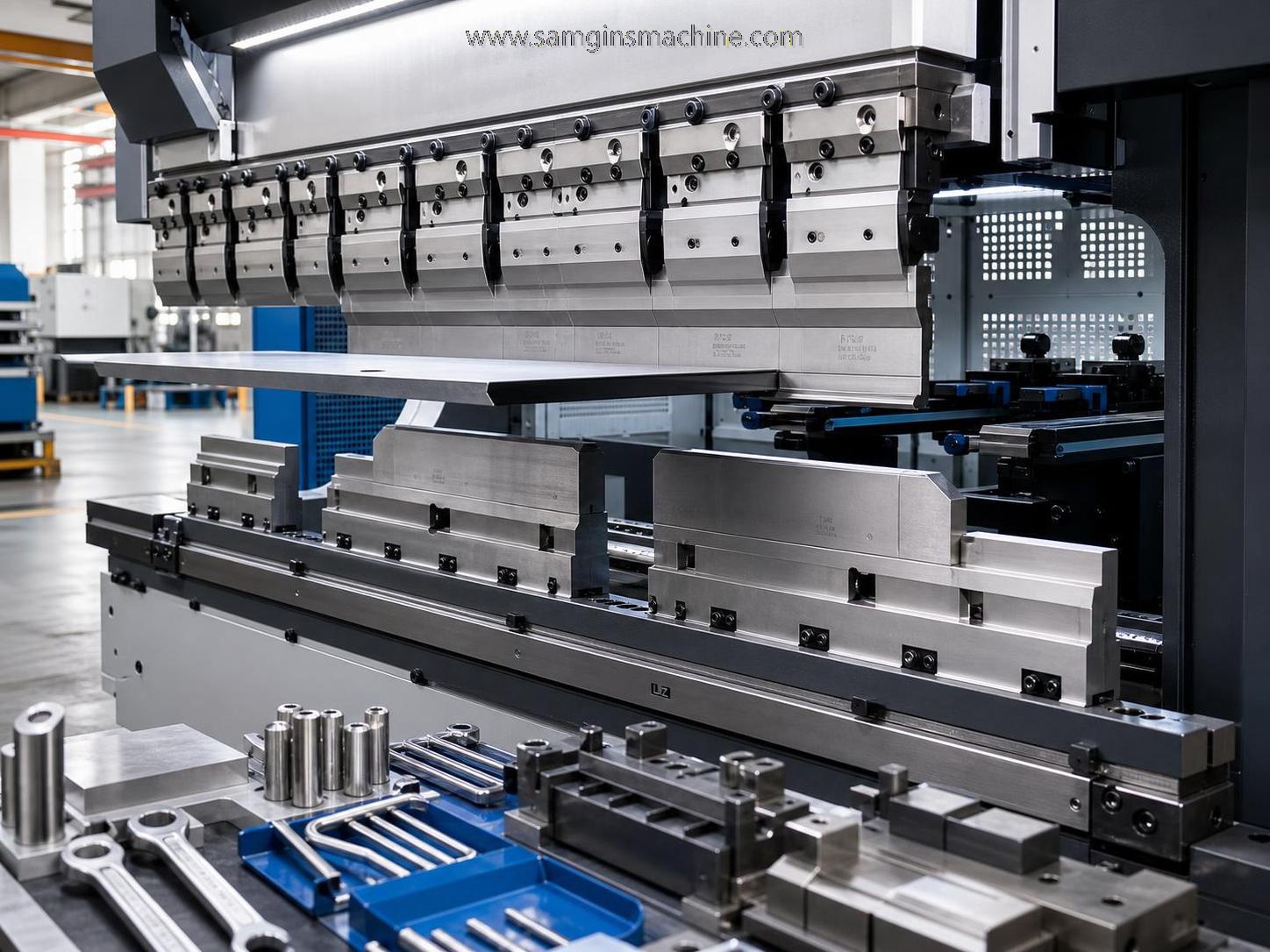
CNC Bending machine setup matters most when variety is high
Faster changeovers rarely come from one dramatic adjustment. In most sheet metal shops, they come from dozens of setup decisions made before the first bend starts.
A CNC Bending machine runs efficiently when tooling, programs, material flow, and verification steps are aligned with the actual production mix.
That is why setup discipline matters so much in fabrication environments handling short runs, mixed thicknesses, and frequent drawing changes.
In practical use, quicker setup is not only about saving minutes. It reduces scrap, stabilizes bend angles, and prevents downstream rework in welding or assembly.
Companies with broader equipment experience often see this clearly. Wuxi Samgins International Trade Co.,Ltd has worked across bending, cutting, welding, rolling, and H-beam equipment under ISO9001 and CE-oriented standards, so process links are viewed together rather than as isolated machines.
The same CNC Bending machine behaves differently in different production scenes
Setup priorities change because the work changes. A machine producing cabinet panels all day does not face the same changeover pressure as one moving between brackets, enclosures, and structural parts.
Material springback, flange interference, punch selection, and backgauge reach all shift with part geometry. Even when tonnage is sufficient, setup speed can still suffer.
A useful way to judge CNC Bending machine efficiency is to ask where time is being lost: tool loading, first-piece correction, program search, or sheet handling.
Once that is clear, setup improvement becomes targeted rather than generic.
High-mix, low-volume jobs usually expose setup weaknesses first
This is the most common environment where CNC Bending machine setup tips produce visible gains. Part numbers change constantly, and every delay is repeated many times each shift.
Here, offline preparation is more important than raw machine speed. Tool kits should be grouped by recurring bend families, not by storage convenience alone.
Program naming also needs discipline. If files are saved by temporary customer notes or inconsistent drawing numbers, operators lose time before loading any material.
A better practice is to connect part code, material grade, thickness, and revision in one searchable structure. That reduces accidental use of outdated bend allowances.
For this scene, the CNC Bending machine should also keep standardized reference tools installed whenever possible. Frequent removal of common punches creates avoidable reset work.
What deserves attention before the shift starts
- Pre-stage punches and dies by the next two or three jobs, not only the next one.
- Confirm backgauge finger positions against the real blank size, not only the drawing model.
- Store tested bend programs with angle corrections already recorded by material batch.
- Keep sample first pieces near the machine for repeat jobs with tight cosmetic requirements.
Long runs need stable setup more than rapid tool swapping
In repeat production, a CNC Bending machine may change over less often, yet setup quality still determines output. The issue is usually consistency over time.
If angle drift appears after several hundred parts, the real problem may be tool wear, inconsistent blank dimensions, or backgauge looseness rather than program error.
This scene benefits from a locked setup sheet that records clamping order, crowning values, ram reference, and inspection interval. Without that record, repeated jobs slowly deviate.
A CNC Bending machine used for stable batches should also separate verification frequency by risk. Critical bends need scheduled checks, while non-critical flanges can be sampled less often.
Heavy plate and structural components shift the setup focus
When thickness increases, changeover time is not only about tooling. Material movement, safety clearance, and support positioning become part of setup.
A CNC Bending machine handling large structural pieces often loses time because helpers, supports, and turning space were not planned in advance.
This is where upstream and downstream integration matters. Shops producing structural assemblies often compare bending flow with beam fabrication flow, where combined operations save handling steps.
A related example is 3 in 1 H beam welding machine, which combines assembly, gantry welding, and correction in one unit. That same logic applies to bending setups: fewer handoffs usually mean fewer delays.
For thicker plate, test bends should be based on actual lot material. Springback shifts more noticeably, and one stored offset may not fit every batch.
Common adjustments that save time here
- Prepare sheet supports and side clearance before bringing the blank to the machine.
- Verify die opening against both tonnage and target inside radius.
- Check whether part rotation is possible without repositioning the entire setup.
- Record actual bend compensation by material lot for future structural jobs.
Small precision parts call for a different setup mindset
Short flanges, narrow windows, and cosmetic surfaces make the CNC Bending machine more sensitive to alignment errors. Even small setup shortcuts can create visible defects.
In this scene, the fastest setup is often the one with the clearest first-piece validation. Laser-mark references, gauge finger contact points, and part orientation must be unambiguous.
Protective film and polished material add another layer. Tool cleanliness matters because tiny particles can mark visible surfaces during the first bend sequence.
When cosmetic quality is part of the requirement, setup should include surface protection steps, not treat them as extra work after bending starts.
Different scenes usually fail for different reasons
A comparison table helps because setup losses are rarely identical across production types.
What shops often misjudge when tuning a CNC Bending machine
One common mistake is chasing cycle speed while ignoring setup repeatability. A faster ram does not help if each new part needs manual correction.
Another misjudgment is choosing tools only by nominal capacity. Real setup performance depends on part geometry, return flange clearance, and operator access.
Some sites also treat software and material handling as separate issues. In reality, CNC Bending machine efficiency depends on both digital preparation and physical flow.
The same misunderstanding appears in other fabrication cells. Integrated systems such as the PHJ-15, PHJ-18, and PHJ-20 beam line configurations work well because they reduce transfer steps while keeping process parameters centralized.
That lesson transfers directly to bending: every handoff, file mismatch, and unplanned adjustment lengthens changeover more than expected.
Practical setup improvements that usually pay back quickly
- Create a tooling map by part family, including preferred punch, die, and known angle offsets.
- Separate first-piece approval from production release, with a fixed checklist near the CNC Bending machine.
- Store revision history inside the program name or linked job traveler.
- Track recurring delays for one month, then improve the biggest source first.
- Review whether material carts, supports, and inspection tools are positioned for the real part sequence.
- Align setup standards with broader fabrication requirements, especially where bending feeds welding, machining, or assembly.
The next step is to match setup rules to the jobs you actually run
The best CNC Bending machine setup tips are not universal shortcuts. They work when they match part variety, material behavior, tolerance level, and production rhythm.
A useful next step is to sort current jobs by scene, then compare where changeover time is really being spent. That exposes whether tooling, programs, handling, or verification needs attention first.
From there, build a simple setup standard around recurring work, critical parameters, and known risk points. That approach improves speed without sacrificing bending accuracy or downstream fit.
search
Products Navigation
Send Us A Message