




Bending Machine: The Complete Guide to Types, Working Principles, and Industrial Applications in 2026
What A Bending Machine Is And Why It Matters
A bending machine is industrial equipment that applies controlled force to deform metal into a required angle, radius, or contour without separating the material. Depending on the process, the machine may work on sheet metal, plate, pipe, tube, or structural profiles. In modern fabrication, a bending machine is not a single product category but a family of forming systems that includes press brakes, hydraulic pipe bending machines, profile benders, and plate rolling equipment.
Its importance comes from geometry control. Many fabricated products depend on accurate bends to achieve fit-up quality, weld preparation, structural strength, sealing performance, and final appearance. A poor bend can increase assembly time, create welding distortion, waste material, and weaken downstream process stability. For buyers in manufacturing and processing machinery, the right bending machine directly affects throughput, repeatability, and cost per finished part.
Industrial standards around bending are usually tied to dimensional tolerance, repeatability, safety, electrical compliance, and process consistency rather than a single universal bending standard. In practical procurement, users review material range, bending capacity, control system, tooling compatibility, and compliance with factory and export requirements. This is especially relevant when machines are integrated into larger production lines for steel structures, tanks, pipelines, cabinets, pressure components, or architectural metalwork.
For companies sourcing across multiple forming and welding processes, suppliers with a broad portfolio can reduce coordination risk. Wuxi Samgins serves this need by offering press brakes, plate rolling machines, profile benders, dish end forming machines, and hydraulic pipe bending machines alongside welding, cutting, drilling, and beam production equipment, which helps buyers align bending capacity with the rest of the fabrication workflow.
How A Bending Machine Works In Industrial Production
The working principle of a bending machine is straightforward in concept but demanding in execution. The machine introduces force beyond the material's elastic limit so the workpiece takes a permanent shape. In sheet bending, a punch pushes the sheet into a die opening. In pipe or tube bending, a bend die, clamp, pressure die, and sometimes mandrel control the profile while the material flows around the bend radius. In plate rolling, multiple rolls progressively curve the plate to a cylindrical or conical form.
Material behavior is a central variable. Yield strength, tensile strength, wall thickness, hardness, grain direction, and surface condition all influence bend force and springback. Springback is the tendency of the material to recover part of its shape after unloading. A capable bending machine compensates through correct tooling, programmable overbend, stable hydraulic or servo control, and accurate backgauge or positioning systems. This is why machine rigidity and control quality matter as much as nominal tonnage.
Tooling design determines whether the formed part remains dimensionally stable and visually acceptable. Press brakes rely on punch and die geometry, die opening, crowning, and backgauge accuracy. Pipe bending systems depend on centerline radius, clamp pressure, lubrication, mandrel support, wiper dies, and rotation control. Profile bending requires roll arrangement and feed consistency to avoid twist or local collapse. In every case, the machine must balance force, guidance, and material support.
Machine architecture also affects production outcomes. Hydraulic systems remain common for heavy-duty work because they deliver robust forming force across varied sections. CNC systems improve repeatability, angle control, and multi-step sequencing. When imported hydraulic, servo, and CNC components are used well, the benefit is typically more stable motion control, lower drift, and longer service life. This is one reason many industrial buyers prioritize component quality over headline machine specifications alone.
Main Types Of Bending Machine And Their Best Uses
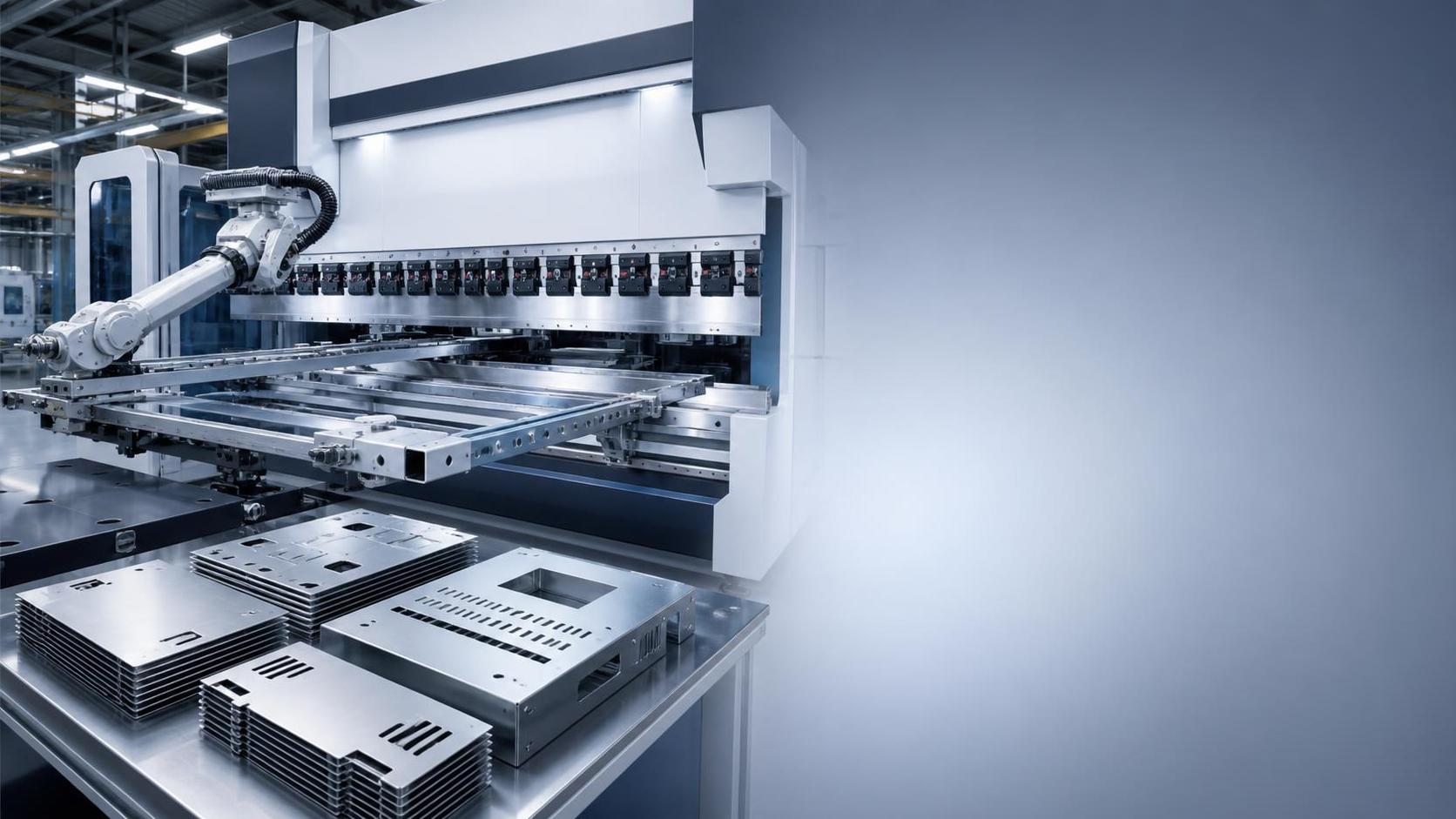
Press brakes are among the most widely used bending machines for sheet metal. They are suited to V-bending, air bending, bottoming, and forming operations used in cabinets, enclosures, brackets, frames, electrical boxes, duct parts, and machine covers. CNC press brakes are preferred when factories need frequent job changes, multi-angle parts, and tighter repeatability. Their main decision points are tonnage, bending length, axis configuration, tooling availability, and control software usability.
Hydraulic pipe and tube bending machines are used for fluid lines, handrails, automotive components, structural tubes, furniture parts, energy piping, and process skids. NC hydraulic pipe bending machines serve repetitive standard work efficiently, while CNC hydraulic pipe bending machines are more suitable for multi-radius, multi-layer, or complex spatial parts that need higher programmability. Thin-wall tubes, stainless steel grades, and smaller radii usually demand more process control to limit wrinkling, flattening, and excessive springback.
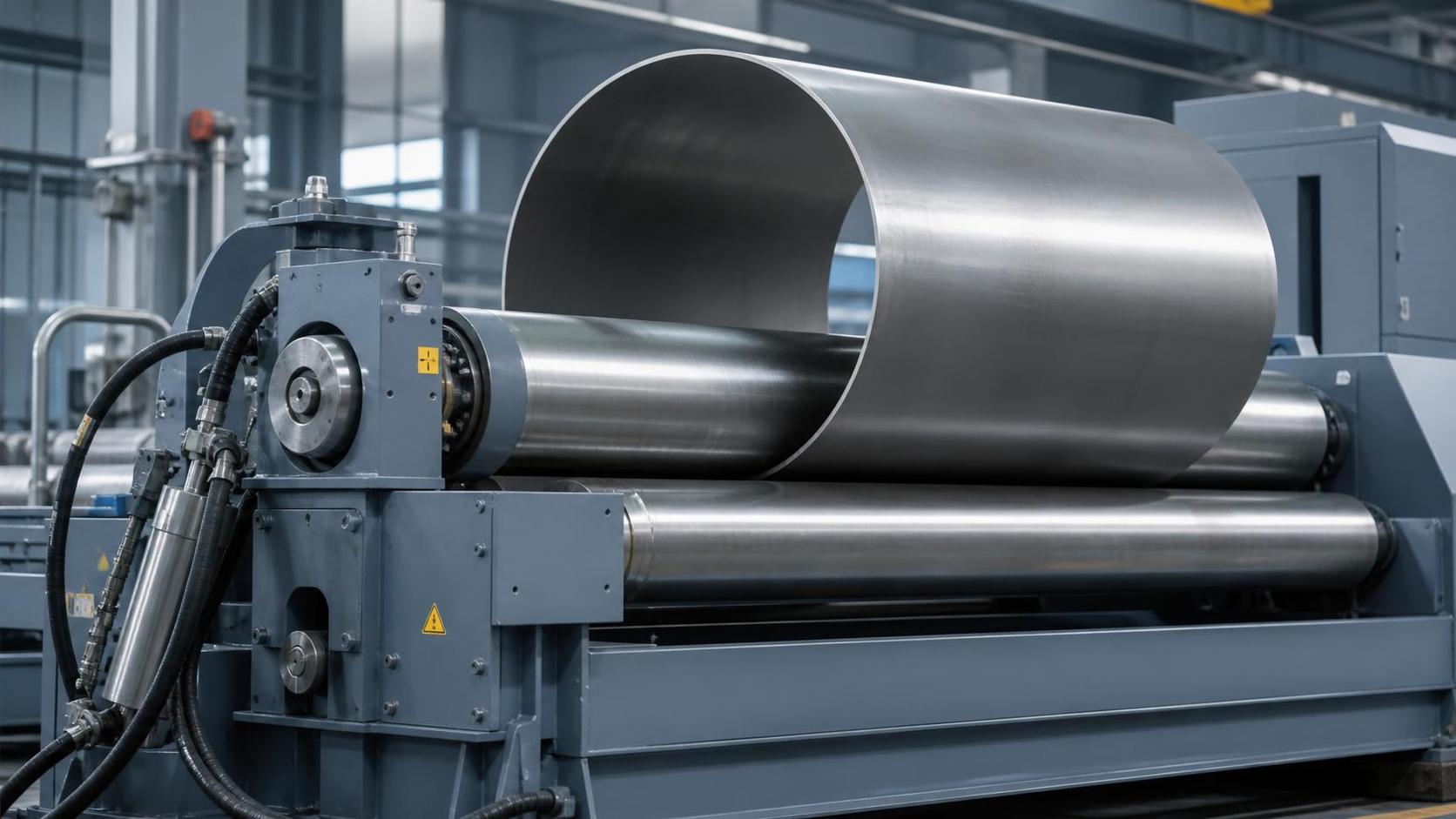
Plate rolling machines bend wider and thicker material into shells, cylinders, cones, and segments used in tanks, pressure-related structures, silos, ducts, and heavy fabrication. A plate rolling machine is often selected together with welding rotators, manipulators, and longitudinal seam welding equipment because rolling is only one stage in the vessel or shell manufacturing sequence. For profile benders, the focus is different: they shape angles, channels, flats, tubes, and sections used in structural frames, rings, supports, and architectural components.
Specialized forming systems extend the category further. Dish end forming machines serve head forming requirements for vessel-related components, while some factories combine plate preparation, rolling, and welding into a coordinated production flow. Because Wuxi Samgins supplies both bending-related machines and supporting fabrication equipment such as edge milling machines, face milling machines, welding positioners, and cutting systems, buyers can source a process chain rather than a standalone machine when the application requires it.
Who Uses A Bending Machine And In Which Applications
The main users of a bending machine include sheet metal workshops, structural steel fabricators, pressure-related equipment makers, pipeline contractors, OEM manufacturers, agricultural machinery plants, transport equipment builders, and general engineering companies. Each group values different outcomes. Sheet metal plants care about angle consistency, setup speed, and tool flexibility. Heavy fabricators focus more on thickness range, machine rigidity, and coordination with welding and lifting operations.
In practical applications, a bending machine supports products as varied as electrical enclosures, support brackets, truck bodies, handrails, tubular frames, pipe spools, vessel shells, storage tanks, beams, channels, and curved structural members. Construction and infrastructure projects use bent components for support systems and architectural metalwork. Energy and process industries depend on accurate pipe and shell forming to maintain fit-up quality during welding, testing, and installation.
Global projects often require the machine supplier to understand destination market expectations, documentation, and process compatibility. Buyers exporting fabricated assemblies may need consistent dimensional control to meet project drawings, customer inspections, or code-related manufacturing practices. Wuxi Samgins highlights more than 10 years of export experience and familiarity with common industrial codes such as ASME and API, which can be valuable when machine configuration must fit internationally managed production environments.
The company's customer references across different regions, including URALSTANKOIMPORT, MD Calbah Industries Pty Ltd, Ersay International Transport, Contevix comercio e servicos ltda, Zein Steel Industries Co. LLC, BatysMunaiGazZhabdyktary LLP, PT. Cahaya mas Cemerlang, Estructuras Metalicas Girders Chile Limitada, and Lincoln Electric-MENA, indicate the breadth of industrial scenarios where forming, welding, and cutting equipment are deployed. These names should be read as commercial references, not as identical use cases, but they do show cross-market relevance.
How To Select The Right Bending Machine
Selection should begin with the workpiece, not the machine catalog. Buyers need to define material type, thickness or wall thickness, section shape, bend radius, angle tolerance, production volume, and maximum part size. For sheet applications, this means reviewing bend length, tonnage requirement, die opening range, and the number of setups per shift. For pipe and tube work, the key inputs are outside diameter, wall thickness, centerline radius, material grade, and whether the part requires single-plane or multi-plane bending.
The second step is matching process complexity to the control level. A basic NC machine may be sufficient for repetitive standard bends with limited geometry variation. A CNC bending machine is generally justified when the factory runs high-mix production, needs tighter repeatability, or must reduce dependence on operator judgment. Buyers should also review tooling change time, program storage, teach mode, compensation functions, and whether the control can support future product expansion.
The third step is evaluating machine build quality and serviceability. Frame rigidity, hydraulic stability, servo response, electrical safety, and access to wear parts affect long-term uptime more than brochure claims. It is also worth checking whether the supplier uses recognized imported components in critical hydraulic, servo, and CNC positions, because replacement cycles and motion stability influence actual operating cost. Compliance with ISO9001 systems and CE machinery-related directives is a practical screening point for many international buyers.
Finally, buyers should confirm integration needs. A bending machine rarely works alone in serious production. Sheet operations may need deburring, shearing, laser cutting, or face milling upstream. Pipe and vessel work may depend on welding rotators, manipulators, seam welding machines, or plate leveling systems nearby. Wuxi Samgins is well positioned for this kind of planning because its machine range covers multiple connected processes, allowing a more coherent layout and procurement strategy.
Manufacturing Quality Control Installation And Maintenance
A high-value bending machine should be assessed through the quality of its manufacturing process as much as through final test data. Critical checkpoints include frame fabrication accuracy, stress management after welding, machining precision of mounting surfaces, hydraulic cleanliness, electrical cabinet organization, and calibration of motion axes. Inconsistent assembly in any of these areas may lead to angle drift, unstable repeatability, leakage, vibration, or premature wear. Buyers should ask how these checkpoints are controlled before shipment.
Installation quality affects performance from day one. Foundations, leveling, electrical matching, hydraulic inspection, tooling alignment, and trial bending all matter. For pipe and profile systems, correct setup of clamp force, die alignment, lubrication, and support tooling is especially important. Poor installation can imitate machine defects even when the core equipment is sound. This is why practical after-sales support and technical guidance are not optional extras in B2B projects; they are part of commissioning risk control.
Maintenance should follow the load pattern of the plant. Daily checks usually cover lubrication points, hydraulic oil condition, hose wear, fastener looseness, tooling damage, and sensor cleanliness. Scheduled maintenance may include filter replacement, calibration verification, seal inspection, and electrical connection checks. A machine used on abrasive materials, heavy wall sections, or multi-shift operation needs a tighter review interval than a lightly loaded workshop machine.
Wuxi Samgins emphasizes long-term warranties and support across design, manufacturing, sales, after-sales, and technical service. For buyers, the practical question is whether the supplier can respond effectively to common concerns such as quality variance, delayed delivery, incomplete documentation, or spare parts coordination. A bending machine is a durable asset, so service depth over its operating life has real financial value.
Total Cost Of Ownership And Return On Investment
The purchase price of a bending machine is only the visible part of its cost. Total cost of ownership includes tooling, installation, operator training, material waste, floor space, power consumption, maintenance, spare parts, downtime, and process scrap. In many factories, poor repeatability costs more over time than a higher initial machine price. Rework, rejected parts, and delays at the welding or assembly stage can quietly erode the economics of a low-cost purchase.
ROI improves when the machine reduces setup time, stabilizes output, and supports broader part variety. For example, a CNC hydraulic pipe bending machine may cost more than a simpler NC alternative, but it can be justified if the plant runs many geometries, exports higher-value assemblies, or needs to reduce dependence on manual correction. Likewise, a better press brake control system may improve first-part accuracy enough to save substantial labor and material over a year.
Buyers should estimate capacity utilization realistically. An oversized bending machine ties up capital and floor space, while an undersized one creates bottlenecks and quality compromise. Procurement teams should compare expected annual part volume, changeover frequency, defect costs, maintenance labor, and the availability of local or remote technical support. A structured comparison often makes the most durable and serviceable machine the more economical option over its life cycle.
For fabrication businesses expanding beyond a single process, bundled procurement can also improve ownership economics. When one supplier provides the bending machine together with cutting, rolling, welding, drilling, or preparation equipment, coordination, commissioning, and documentation can become simpler. This is particularly relevant for buyers considering press brakes together with shearing machines, plate rolling machines, edge milling machines, or welding automation from the same source.
Future Trends In Bending Machine Technology In 2026
In 2026, the direction of the bending machine market is shaped by three pressures: tighter tolerance demands, labor efficiency, and broader material diversity. Factories increasingly want faster setup, easier programming, and better repeatability across smaller production batches. This pushes adoption toward more capable CNC systems, improved human-machine interfaces, better simulation support, and machine architectures that make operator skill easier to standardize rather than difficult to replace.
Another trend is process integration. Buyers no longer evaluate bending in isolation. They want a machine that fits digital production planning, works alongside cutting and welding systems, and supports traceable quality workflows. In heavy fabrication, the connection between plate preparation, rolling, welding, and handling equipment is becoming more important. In sheet metal plants, press brakes are increasingly assessed as part of a cell that includes cutting, deburring, and part sorting.
Material-specific process control is also becoming more valuable. As manufacturers process more stainless steel, higher-strength alloys, and application-specific tubes or profiles, springback control and repeatability remain central technical issues. Topics such as bending accuracy, material compatibility, and thin-wall versus thick-wall tube selection continue to matter because they determine whether a machine can produce reliable geometry under real production conditions rather than only under nominal test conditions.
For many buyers, the strongest future-facing choice will be a supplier that combines machine breadth, customization ability, and dependable support. Wuxi Samgins offers customized welding robots, long seam welding machines, heavy-duty rotators, and a wide machine portfolio that can complement bending-related projects. For factories building tanks, pipelines, steel structures, and sheet metal products, that broader capability can make equipment planning more practical than sourcing each process from an unrelated vendor.
search
Recommended Products
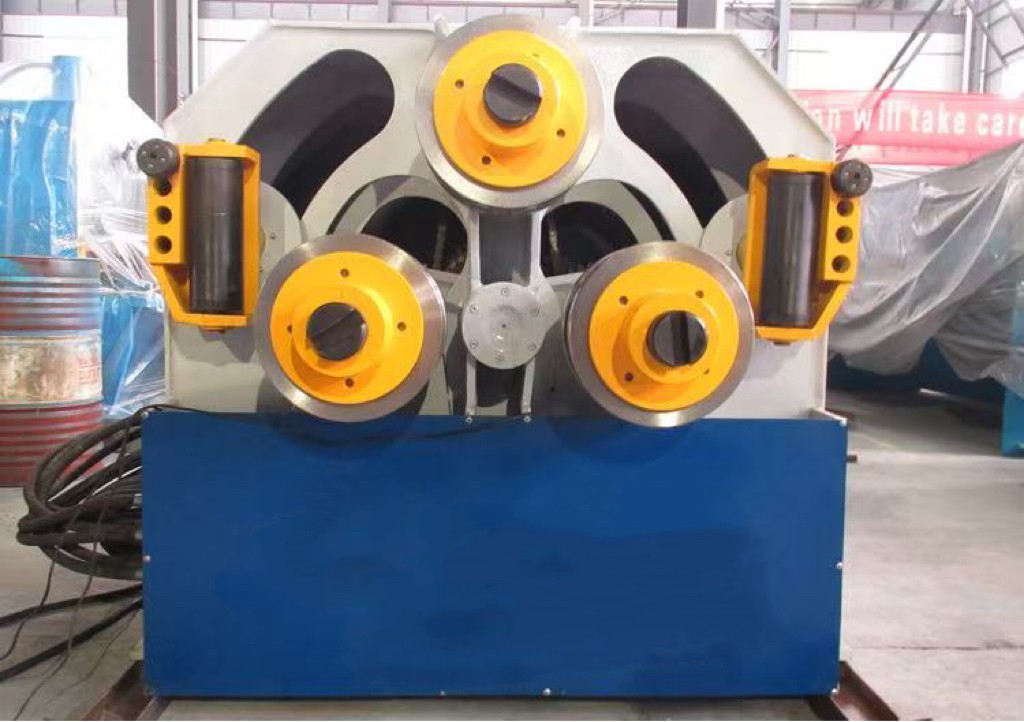
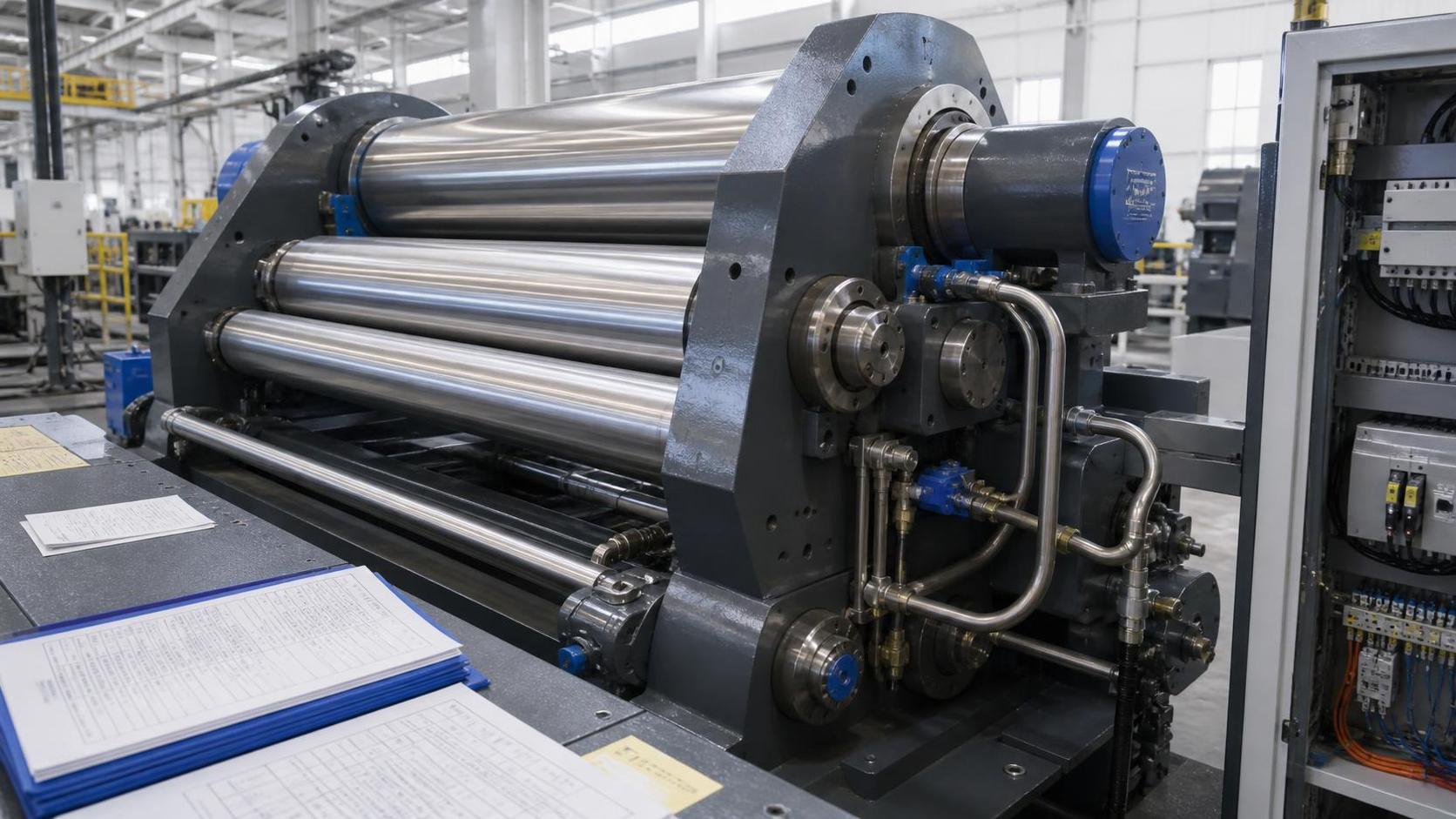
 Profile benderThe profile bending machine is an advanced 21st-century solution for forming circular flanges, widely used in automotive, elevator, petrochemical, steel structure, and machinery manufacturing. It performs pre-bending, coiling, and rounding in a single pass, with a versatile structure that supports both horizontal and vertical operation. The machine features a straight-line adjustable design: the upper roller remains fixed while the lower roller clamps upward to prevent deformation; two side rollers move linearly under hydraulic control with digital displacement readout for precision. CNC idler rollers and distortion correction devices on both sides ensure high-quality bending for asymmetric profiles and double-curved workpieces.
![星星1]()
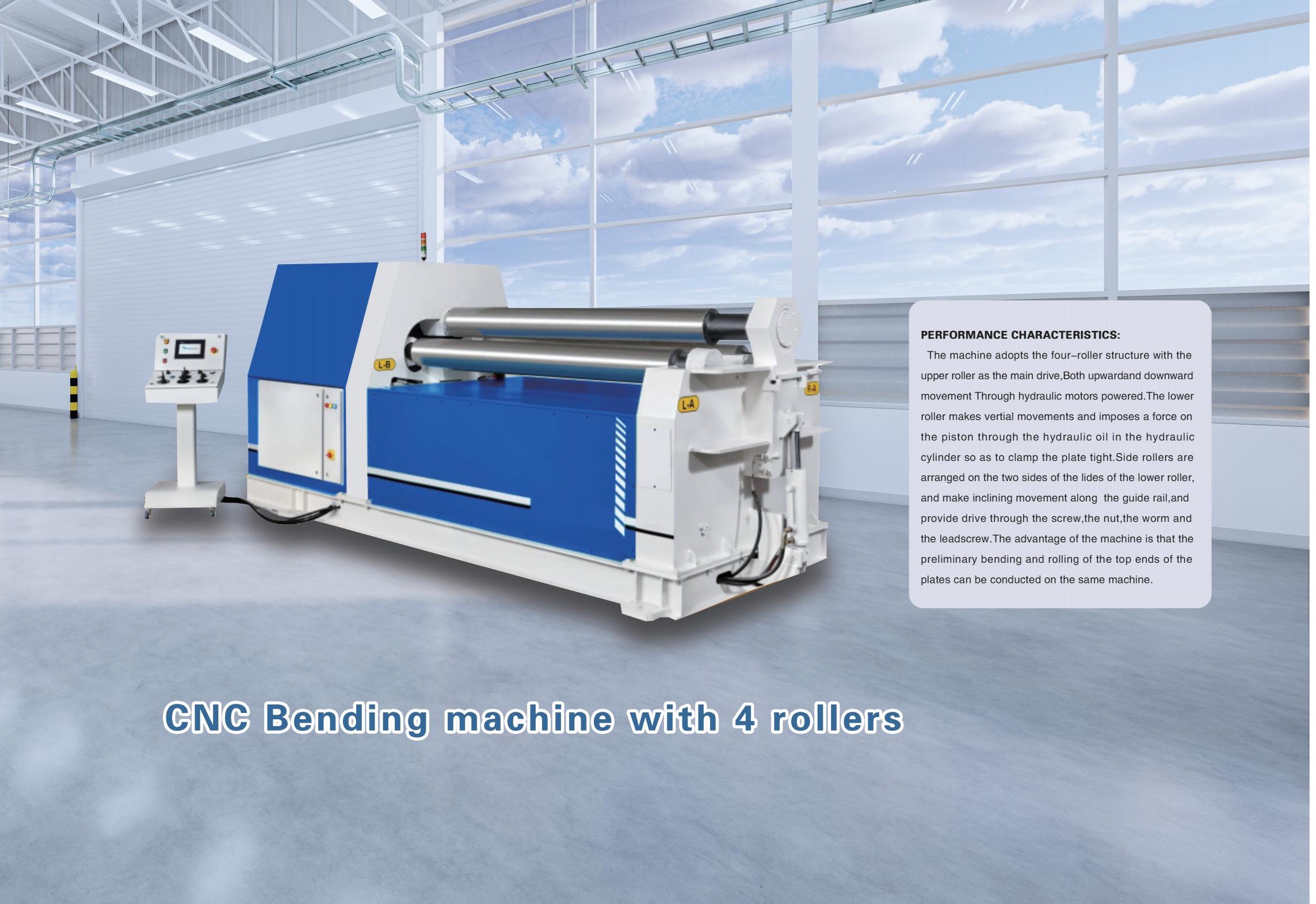
 CNC Bending machine with 4 rollerA roll bending machine is a forming device that uses rotating working rollers to progressively bend sheet metal into desired profiles. Capable of producing cylindrical, conical, and arc-shaped components, it is an essential piece of equipment in modern metal fabrication. The forming process relies on hydraulic or mechanical force to actuate the working rollers, whose coordinated movements—through rotation and positional adjustment—enable the production of a wide variety of curved geometries.
![星星1]()
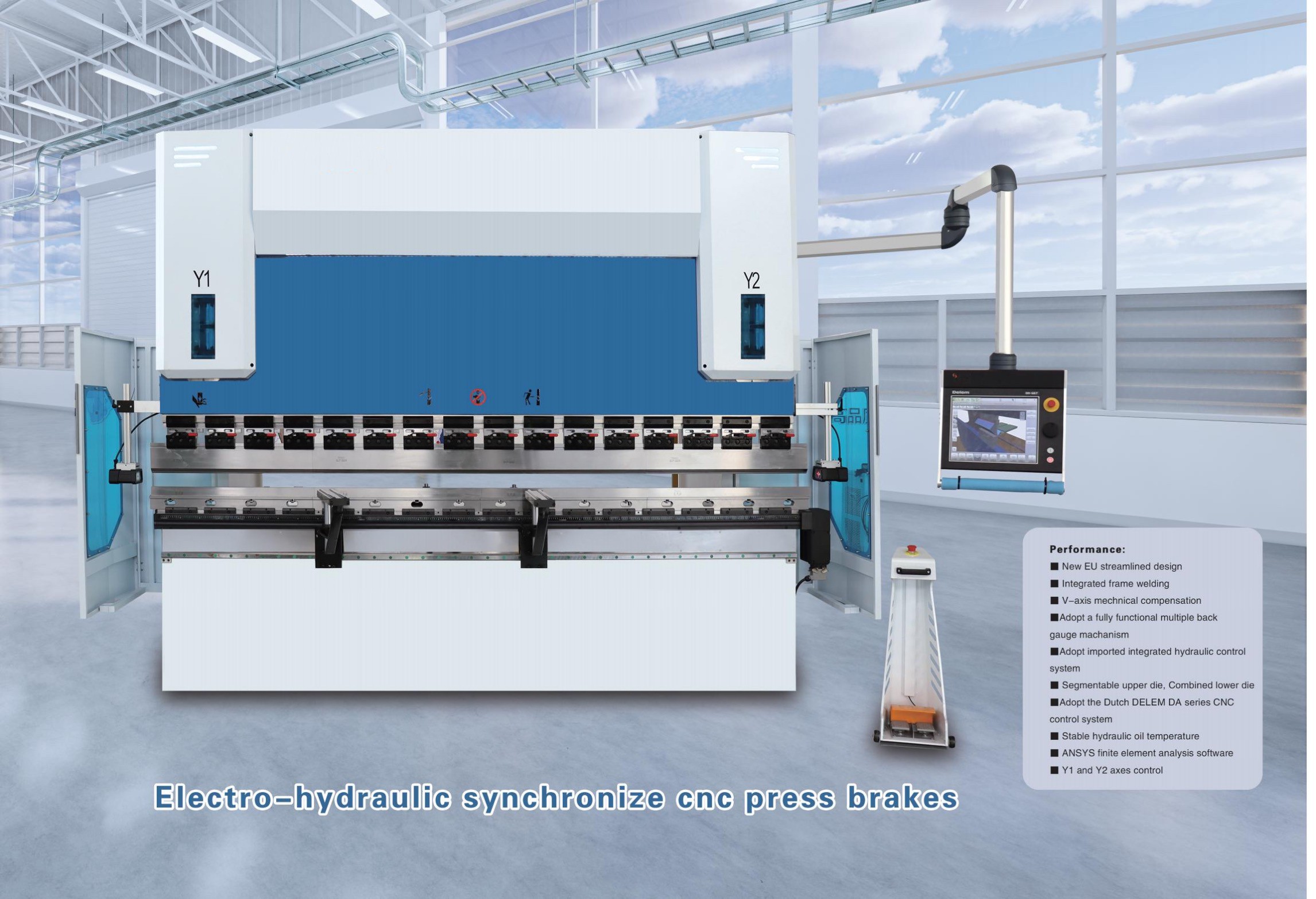
 Electro-hydraulic synchronize cnc press brakesA bending machine is a device designed for bending thin metal sheets. Its structure mainly consists of a base, a worktable, and a clamping plate. The worktable is mounted on the base and comprises a base frame and a pressing plate, which are connected to each other through a hinge.
The hydraulic bending machine consists of a base, a worktable, and a clamping plate. The worktable is placed on the base and is composed of a base frame and a pressing plate, which are connected via a hinge. The base frame includes a housing, a coil, and a cover plate. The coil is positioned in a recess within the housing, with the recess covered at the top by the cover plate.![星星1]()
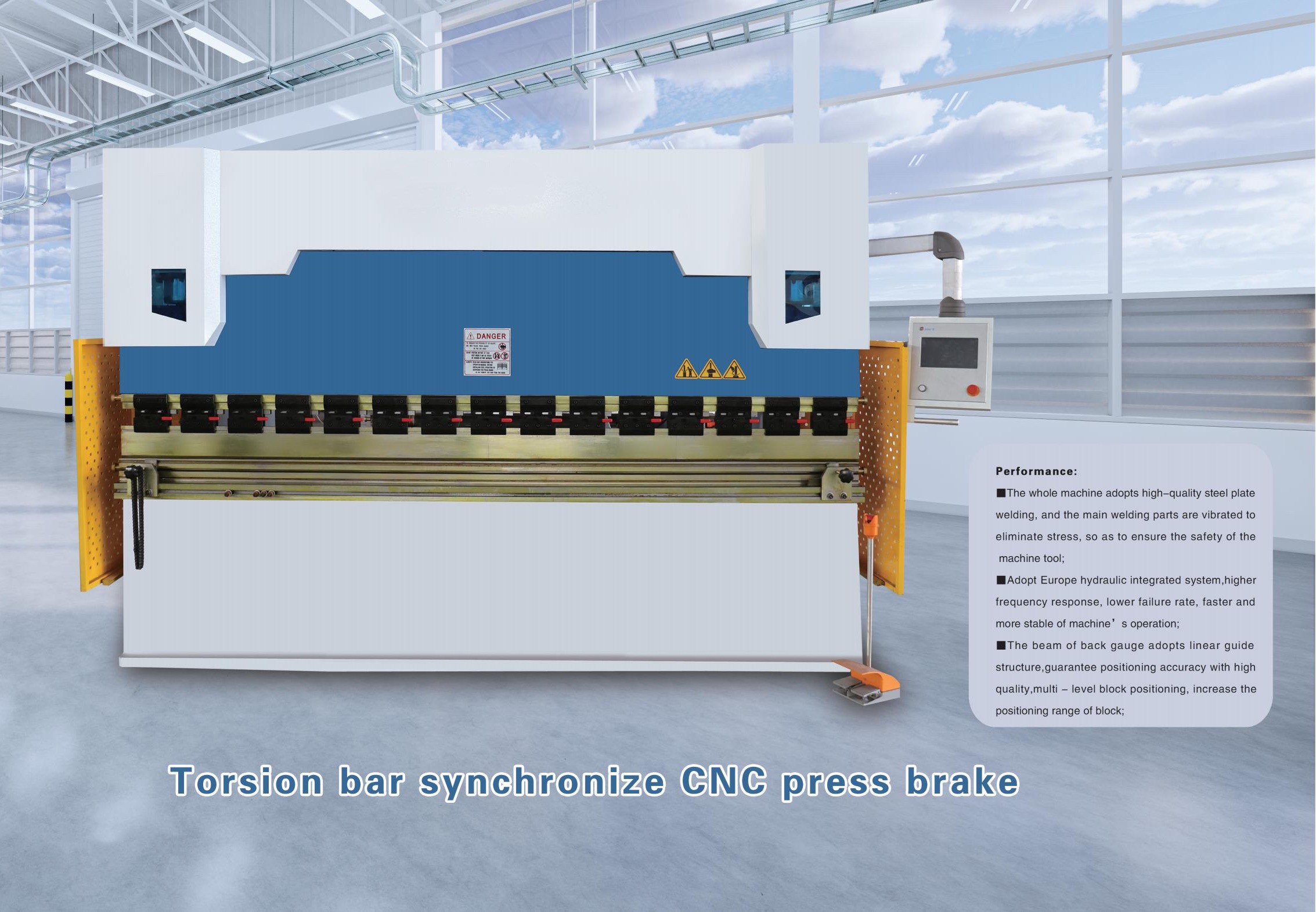
 Torsion bar synchronize CNC press brakeA bending machine is a device used to bend thin metal sheets. Its main structure includes a base, a worktable, and a pressure plate. The worktable, mounted on the base, consists of a base frame and a pressure plate, connected by a hinge.
The base frame comprises a housing, a coil, and a cover plate. The coil is located within a recess in the housing, the top of which is sealed by the cover plate. During operation, the coil is energized by a wire. When energized, the coil generates an electromagnetic attraction force on the pressure plate, thus firmly clamping the thin sheet between the pressure plate and the base frame.
Because clamping is achieved through electromagnetic force, the pressure plate can be easily adjusted to accommodate various workpiece shapes. This design also makes it possible to process workpieces with sidewalls. By simply changing the bending dies, the machine can be configured to meet the processing needs of various different workpieces.![星星1]()
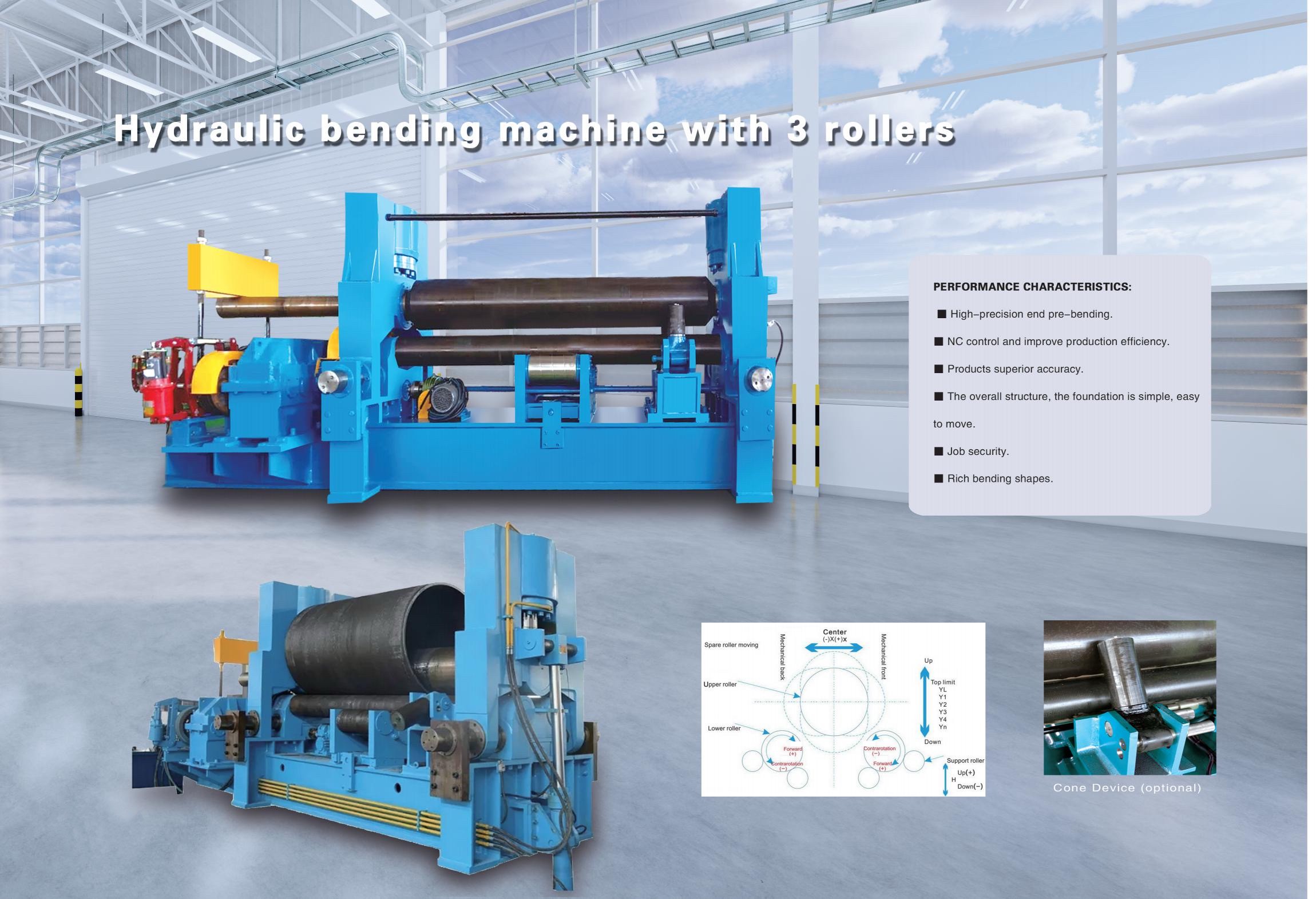
- Hydraulic bending machine with 3 roller1.Introduction for Hydraulic bending machine with 3 roller:
A roll forming machine is a device that bends sheet materials into shapes through the action of working rolls. It can form various parts such as cylindrical pieces and conical pieces. It is a very important processing equipment. The working principle of a roll forming machine is to use external forces such as hydraulic pressure and mechanical force to make the working rolls move, thereby bending or rolling the sheet materials into shapes. Depending on the rotational movement and position changes of the working rolls of different shapes, parts such as elliptical pieces, arc-shaped pieces, and cylindrical pieces can be processed.![星星1]()
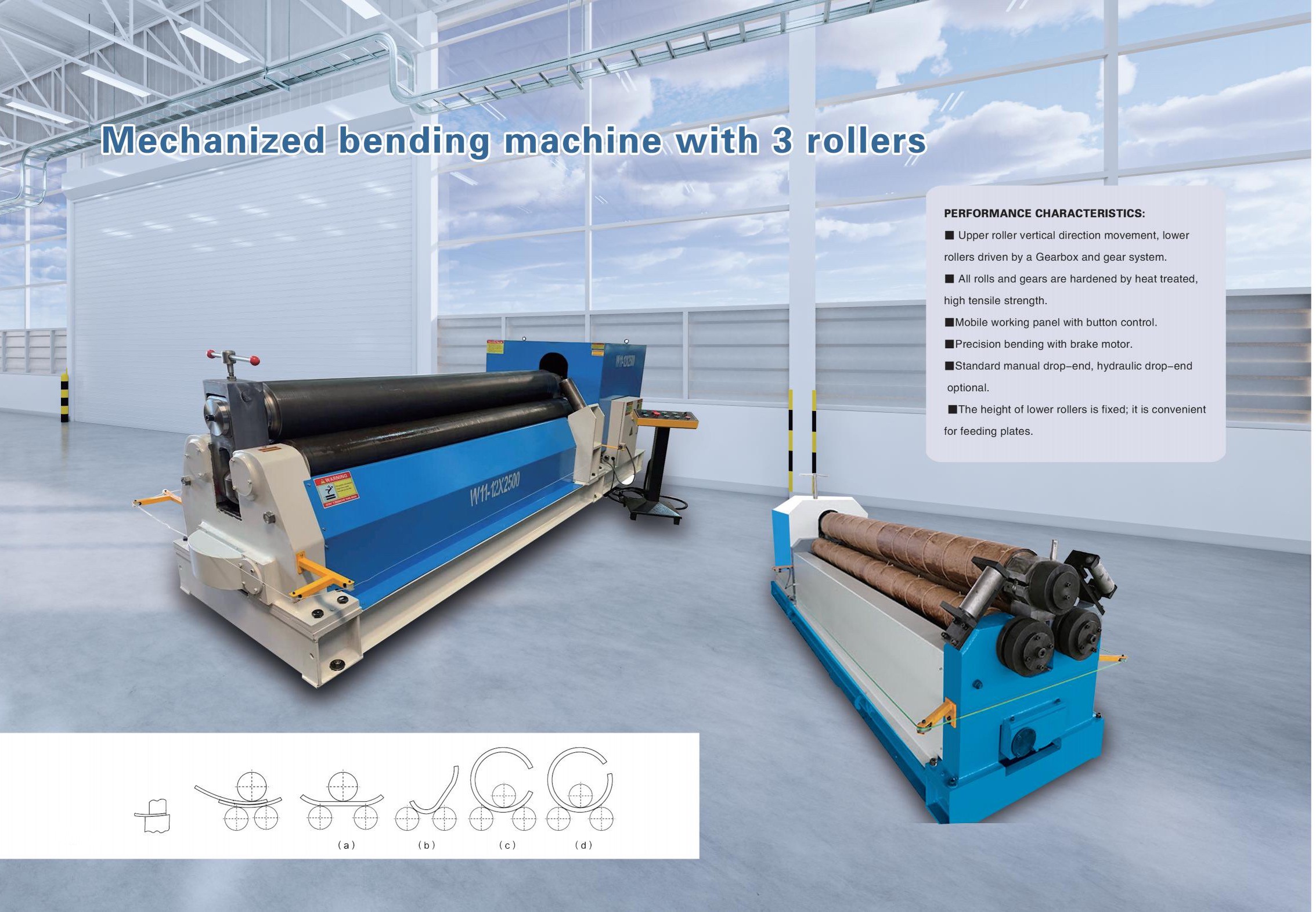
- Mechanized bending machine with 3 rollerA roll forming machine is a processing device that bends sheet materials into desired shapes through the action of working rollers. It is capable of producing various components, including cylindrical and conical parts, making it essential equipment in metal fabrication.
The machine operates by applying external forces—hydraulic or mechanical—to move the working rollers, which bend or roll the sheet into shape. Depending on the rotational movement and positional changes of differently shaped rollers, it can process elliptical, arc-shaped, and cylindrical workpieces.![星星1]()

Recommended blogs
 Typical Delivery Time for a Tube Bender from China to Southeast Asia
- How to Evaluate 3 Roll Plate Bending Machine Manufacturers Before Buying
- Key Parameters to Compare When Choosing a 3-Roller Plate Rolling Machine
- How to Audit a 3 Roll Plate Rolling Machine Factory for Quality and Delivery Risk
- Plate Bending Machine CNC Selection Guide for Precision Enclosures and Cabinets
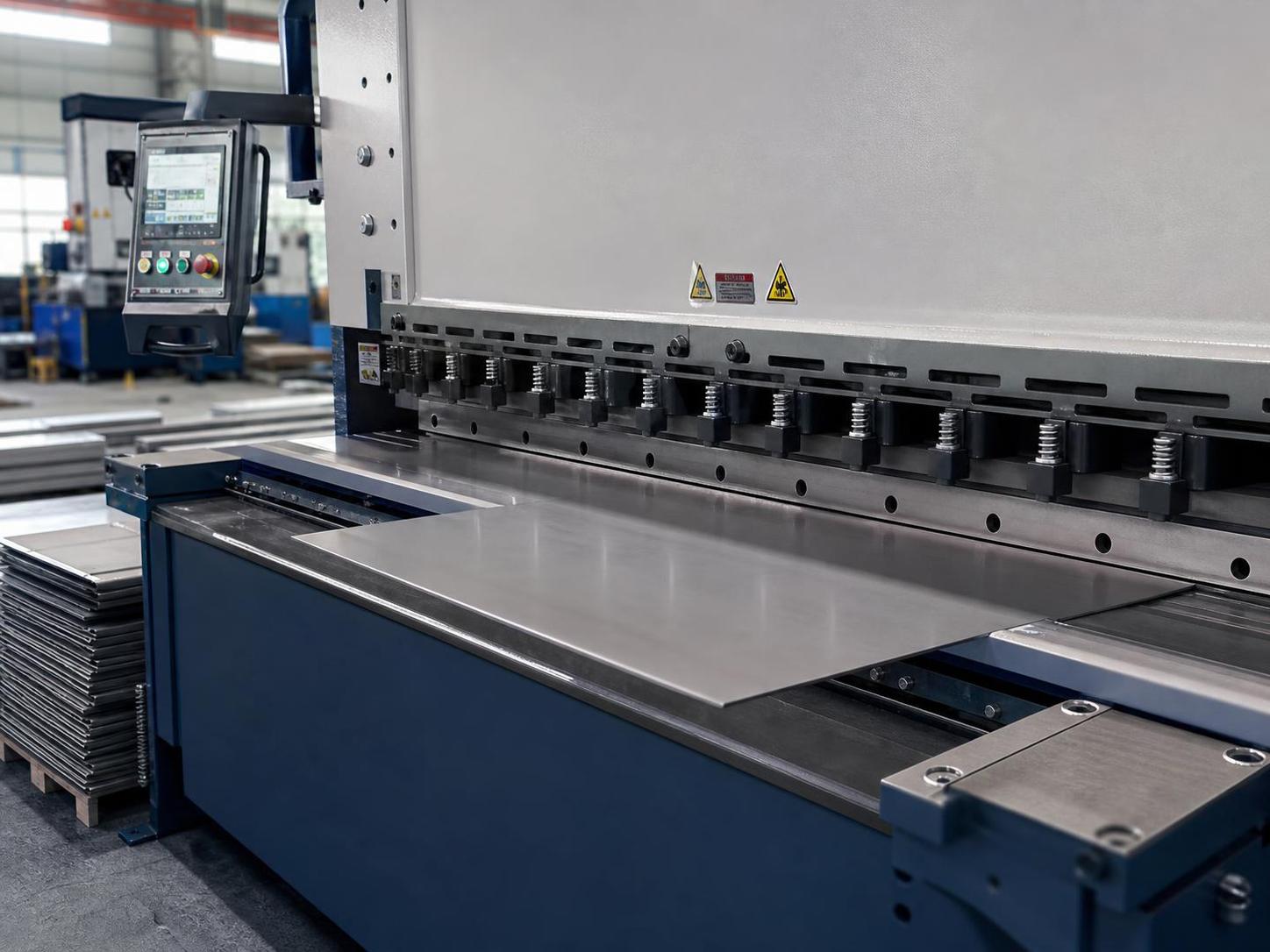
 Is a Hydraulic Guillotine Worth the Investment for Small and Mid-Size Fabrication Shops?
Send Us A Message
Send us a Message
A dedicated person will follow up on your needs one-on-one and provide personalized customized solutions according
to your needs.
Get In Touch
We look forward to hearing from you for in-depth communication on how to fulfill your mixing requirements.