




Profile bender
Full-range Machinery & Customized Non-standard Solutions
Authorized Certificates & Independent R&D Patents
Over 10 Years Global Export & Worldwide Project Cases
Navigation

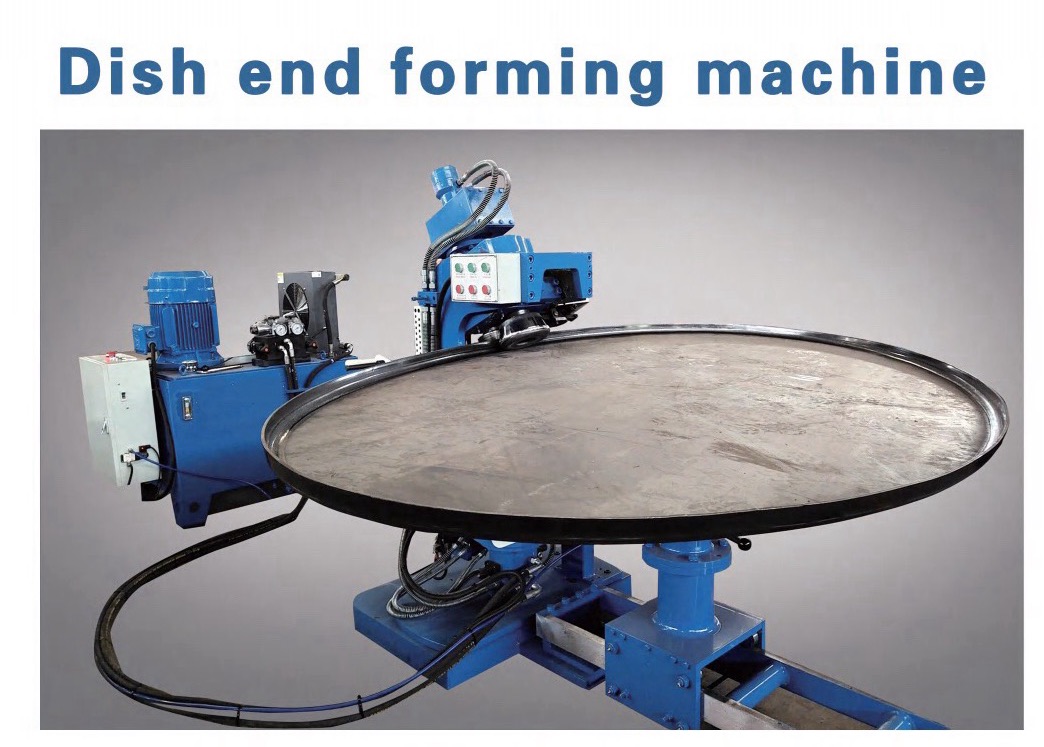
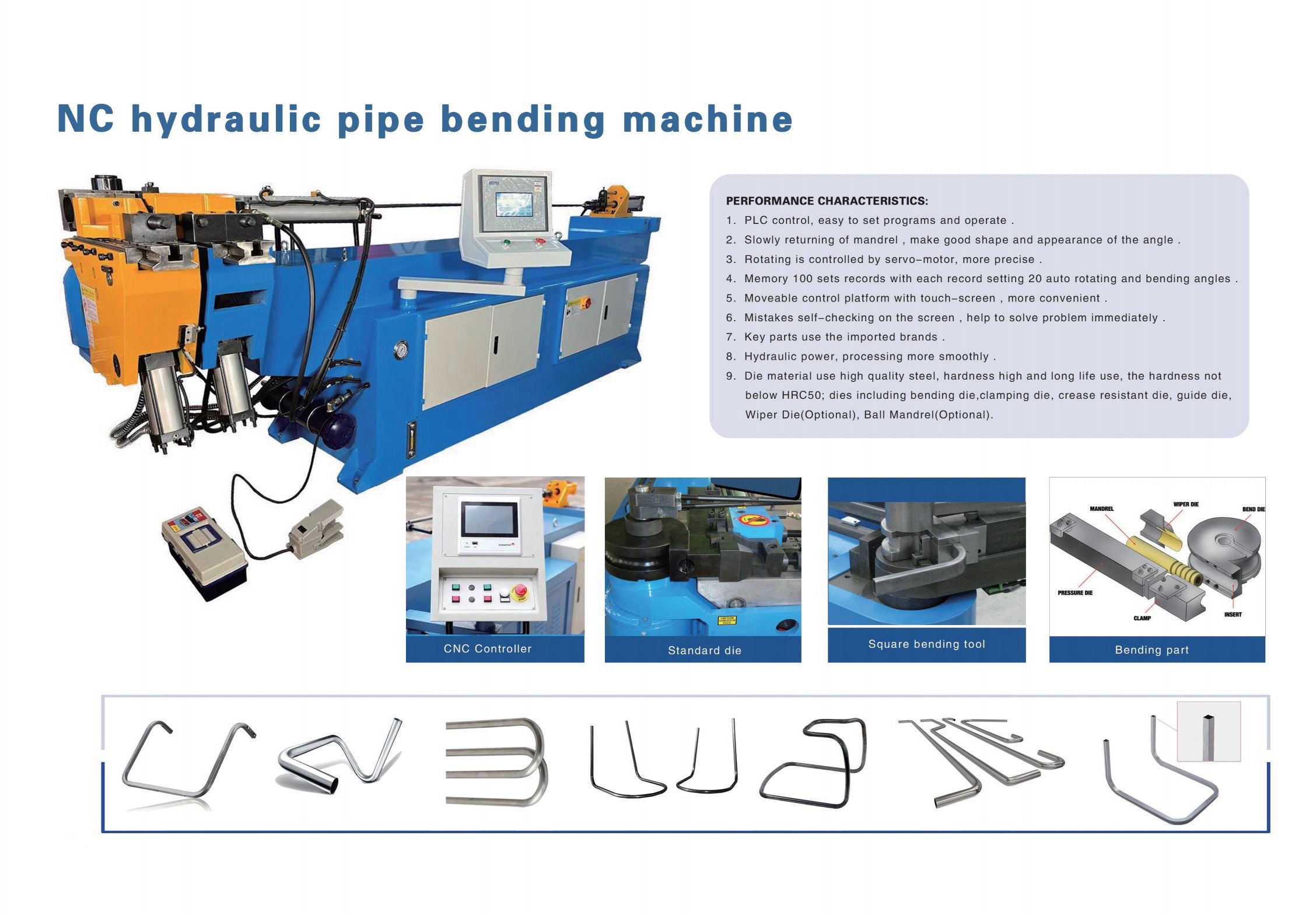
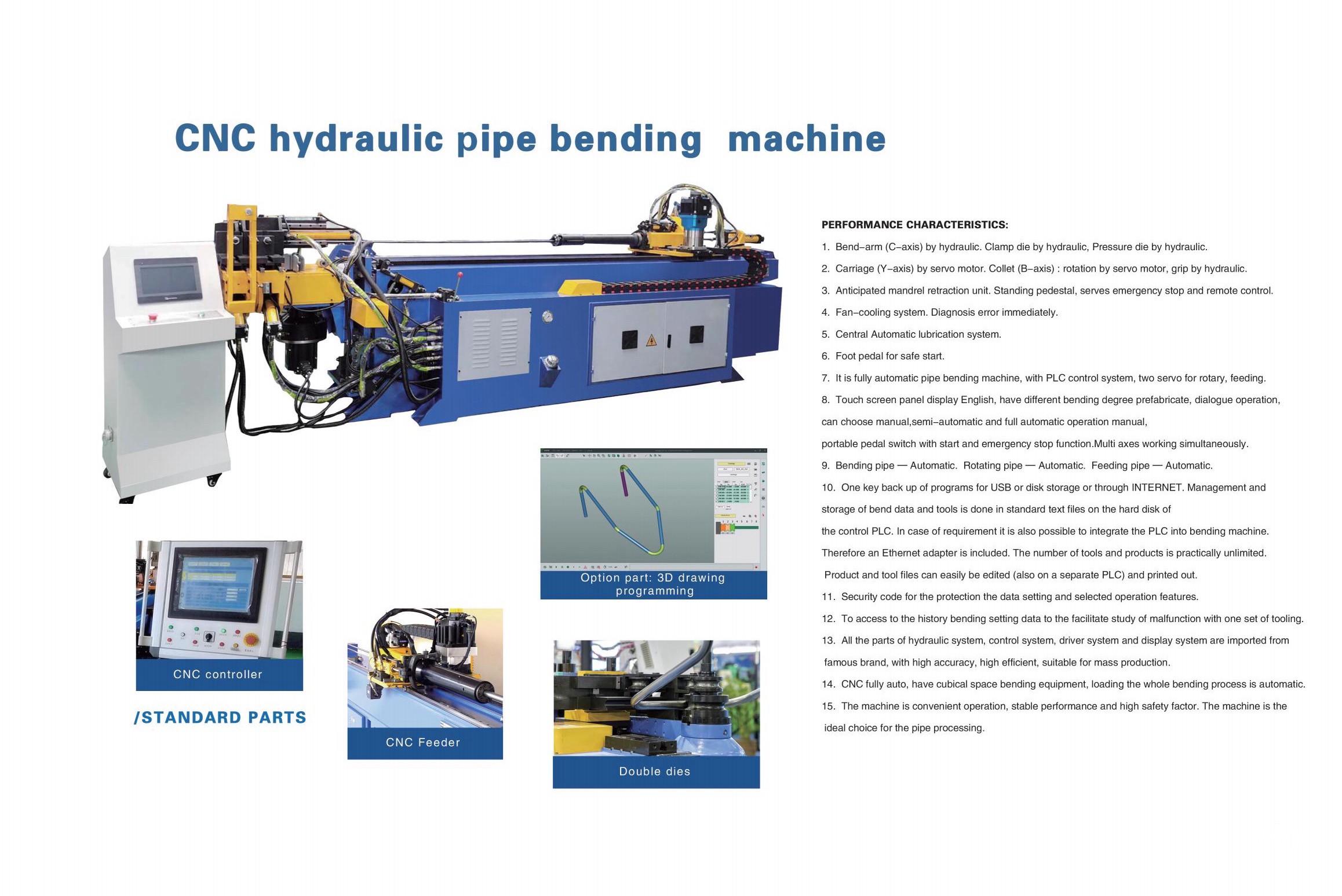
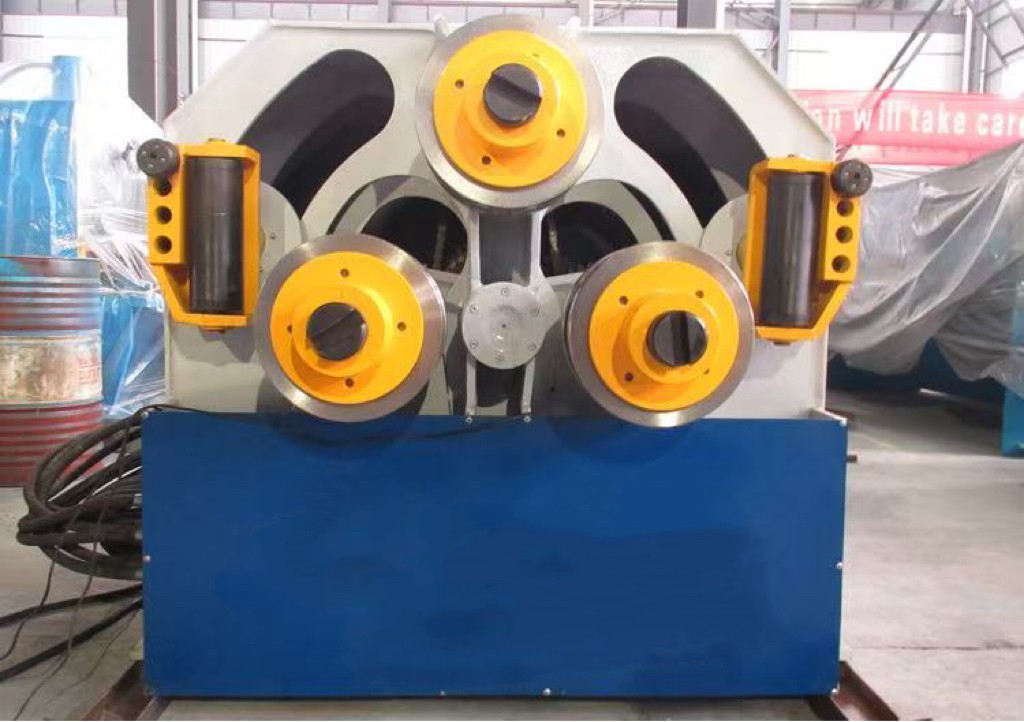
Profile bender Description
1.Introduction for Profile bender:
1.1 Product Application: The profile bending machine is an advanced profile forming solution for the 21st century. It is extensively used in the production of various circular flanges across industries including automotive, elevator, petrochemical, steel structure, and general machinery manufacturing.
1.2 Key Features: This machine accomplishes pre-bending, coiling, and rounding in a single feed pass. It features an advanced, multi-functional structure and can be positioned either vertically or horizontally to suit user preferences.
1.3 Working Principle: The profile bending machine features a straight-line adjustable design. The two side rollers serve as main drive rollers, with all three working rollers capable of driving. The upper roller remains fixed while the lower roller clamps the workpiece upward to prevent cross-sectional deformation. The two side rollers move linearly up and down relative to the upper roller under hydraulic control, with digital displacement readout for precise forming process management. CNC idler rollers and distortion correction devices on both sides ensure bending quality for asymmetric profiles and enable forming of double-curved workpieces.
2.Technical parameter for Profile bender
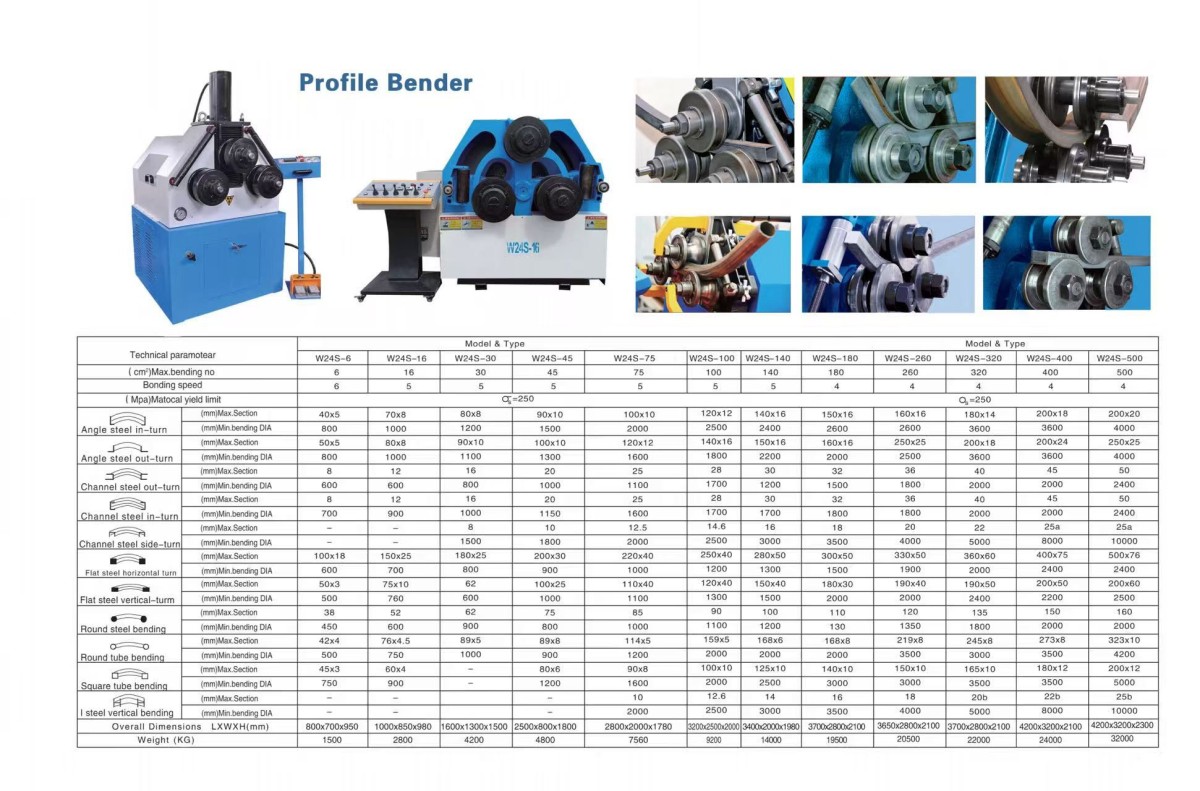
3.Characteristics for Profile bender
3.1 Rolls are fabricated from high-grade steel and hardened for extended service life.
3.2 Drive shafts are hardened, ground, and supported by double taper roller bearings.
3.3 The machine can be configured for either horizontal or vertical operation.
3.4 Equipped with hydraulic lateral angle guide rolls and double-pinch hydraulic forming rolls.
3.5 Dual adjustable lateral guide rolls are driven by three independent hydraulic motors. Lower rolls are hydraulically actuated for vertical movement.
3.6 Delivers complete pre-bending, rolling, and calibration in a single cycle.
3.7 All three rollers are powered. Working principle: two lower rollers serve as main drive rollers with triple-geared drive. Displacement is displayed via liquid-crystal readout with accuracy of ±0.1mm.
products faq
The machine can produce a wide variety of pipes, including:
Circular pipes – for water supply, gas pipelines, structural applications
Square and rectangular tubes – for construction, furniture, and machinery frames
Seamless pipes – for high-pressure oil and gas applications (manufactured by piercing billets, not welded)
Special profiles – custom shapes as per customer requirements
Most standard metal pipe mills produce ERW (electric resistance welded) pipes from steel strip.
The machine processes various materials including carbon steel, stainless steel, aluminum, and alloys. Typical thickness ranges:
Light-duty models: 0.5 – 3.0 mm
Medium-duty models: 2.0 – 12.0 mm
Heavy-duty models: up to 22 mm
The specific capacity depends on the model and material yield strength.
Production speeds vary by machine type and pipe size:
Small-diameter, thin-wall pipes – up to 120 m/min
Medium-diameter pipes – typically 30 – 60 m/min
Large-diameter, thick-wall pipes – slower, around 5 – 20 m/min
Speed also depends on material type, welding technology, and final pipe dimensions.
A typical ERW pipe mill includes:
Uncoiler – holds and feeds steel coil
Shear & welder – joins strip ends for continuous operation
Accumulator – stores strip to maintain production during coil changes
Forming section – progressive roll stands shaping flat strip into tubular form
Welding section – high-frequency ERW welding for seam sealing
Sizing section – calibrates pipe to final dimensions
Cut-off machine – cuts continuous pipe to required lengths
Control system – PLC/CNC for automation and parameter management