




CNC Bending Machine Explained: Key Types, Working Principles, and Industrial Applications
What Is A CNC Bending Machine
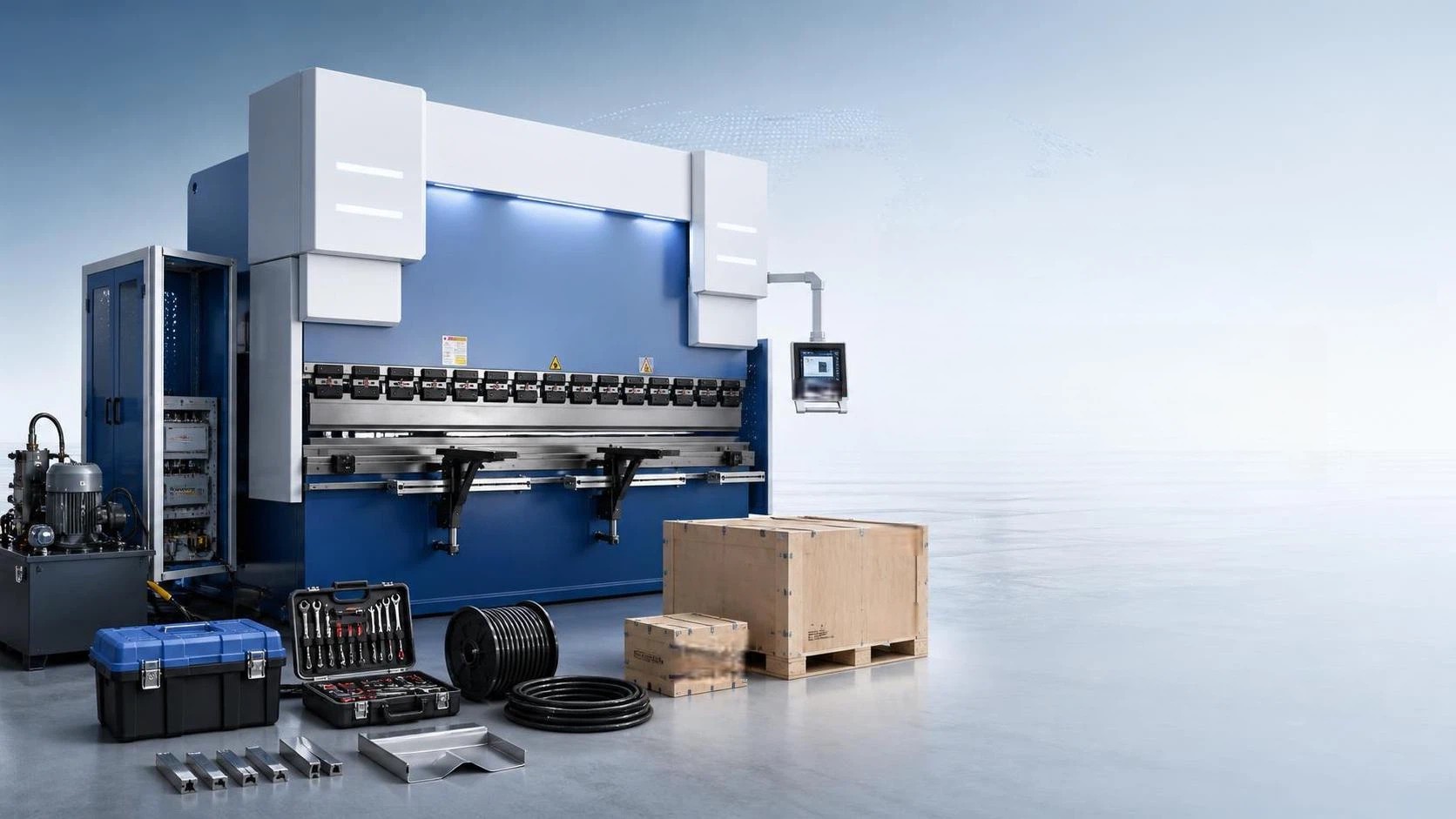
A CNC Bending machine is a metal forming system that uses computerized numerical control to manage bending angle, stroke, backgauge position, pressure, speed, and repeatability. In practical factory use, the term often covers CNC press brakes for sheet metal, plate rolling equipment for curved sections, profile benders, and tube or pipe bending systems. The common thread is controlled deformation of metal into a target geometry without removing material.
Compared with manually adjusted equipment, a CNC Bending machine stores parameters as programs and applies them consistently from part to part. This matters in batch production, multi-shift operation, and export-oriented manufacturing where drawings, tolerances, and traceability have to stay aligned. Repeatable bends reduce rework, shorten setup time, and support downstream welding, assembly, coating, and inspection.
Industrial standards for bending work usually center on dimensional accuracy, surface protection, operator safety, electrical compliance, and process capability for the chosen material. Buyers commonly evaluate bending angle tolerance, linearity, springback compensation, machine rigidity, and controller usability. In sectors such as structural steel, pressure vessel fabrication, enclosure manufacturing, and general job-shop production, these factors directly affect throughput and part acceptance.
For companies sourcing multiple fabrication assets, Wuxi Samgins is positioned as a broad-line supplier rather than a single-machine vendor. Its portfolio includes press brake, plate rolling machine, profile bender, hydraulic pipe bending machine, laser cutting, edge milling, drilling, welding automation, and H-beam production equipment. That product range is relevant because a CNC Bending machine rarely works in isolation; it usually sits inside a larger fabrication process.
How A CNC Bending Machine Works
The core principle is controlled plastic deformation. A CNC system sends commands to hydraulic, servo-electric, or hybrid actuators, which move the bending beam, rolls, or dies into a programmed position. Sensors feed back position and sometimes force data, allowing the controller to adjust movement in real time. The machine applies enough force to exceed the material yield point while preserving the shape and surface quality required by the application.
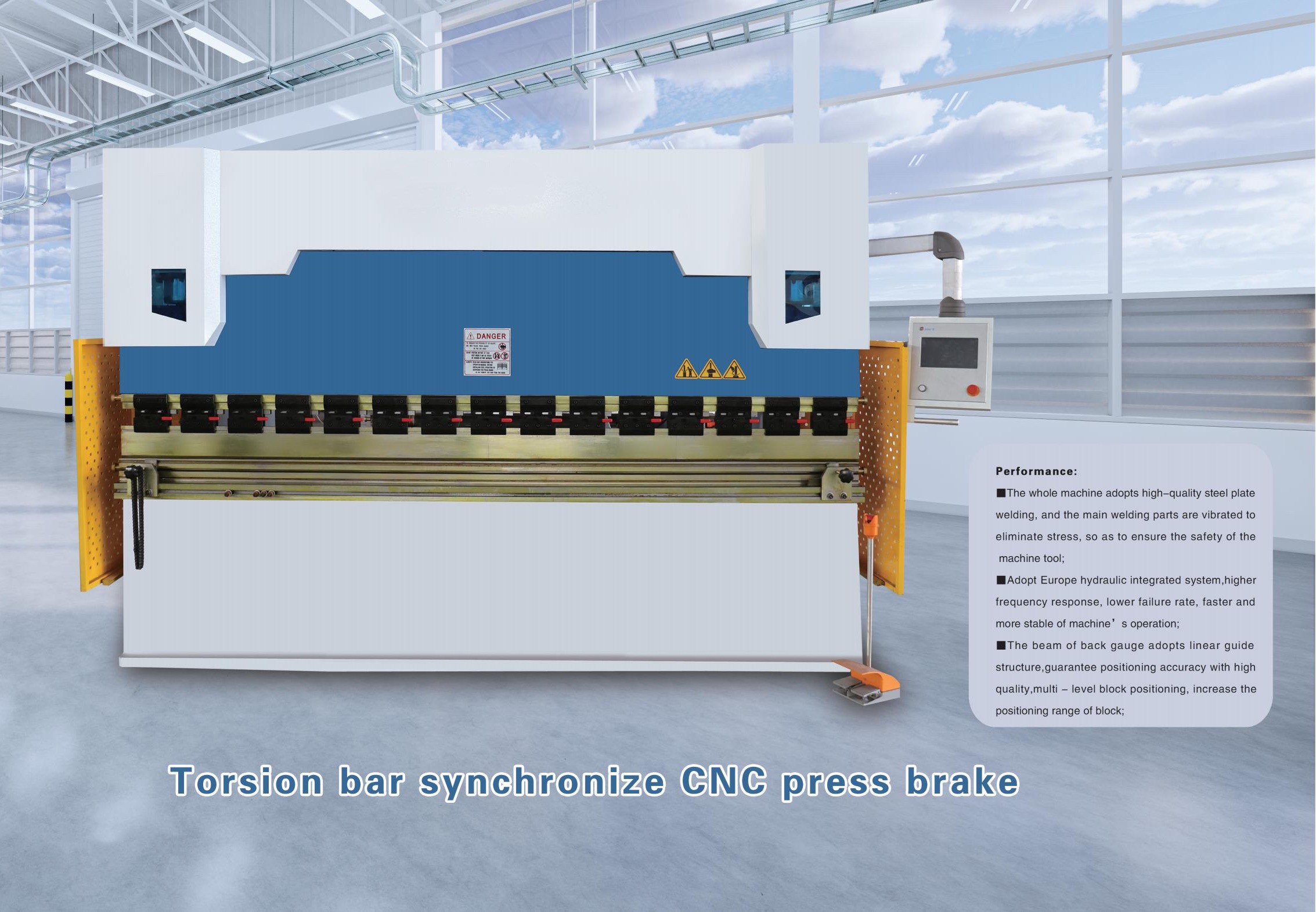
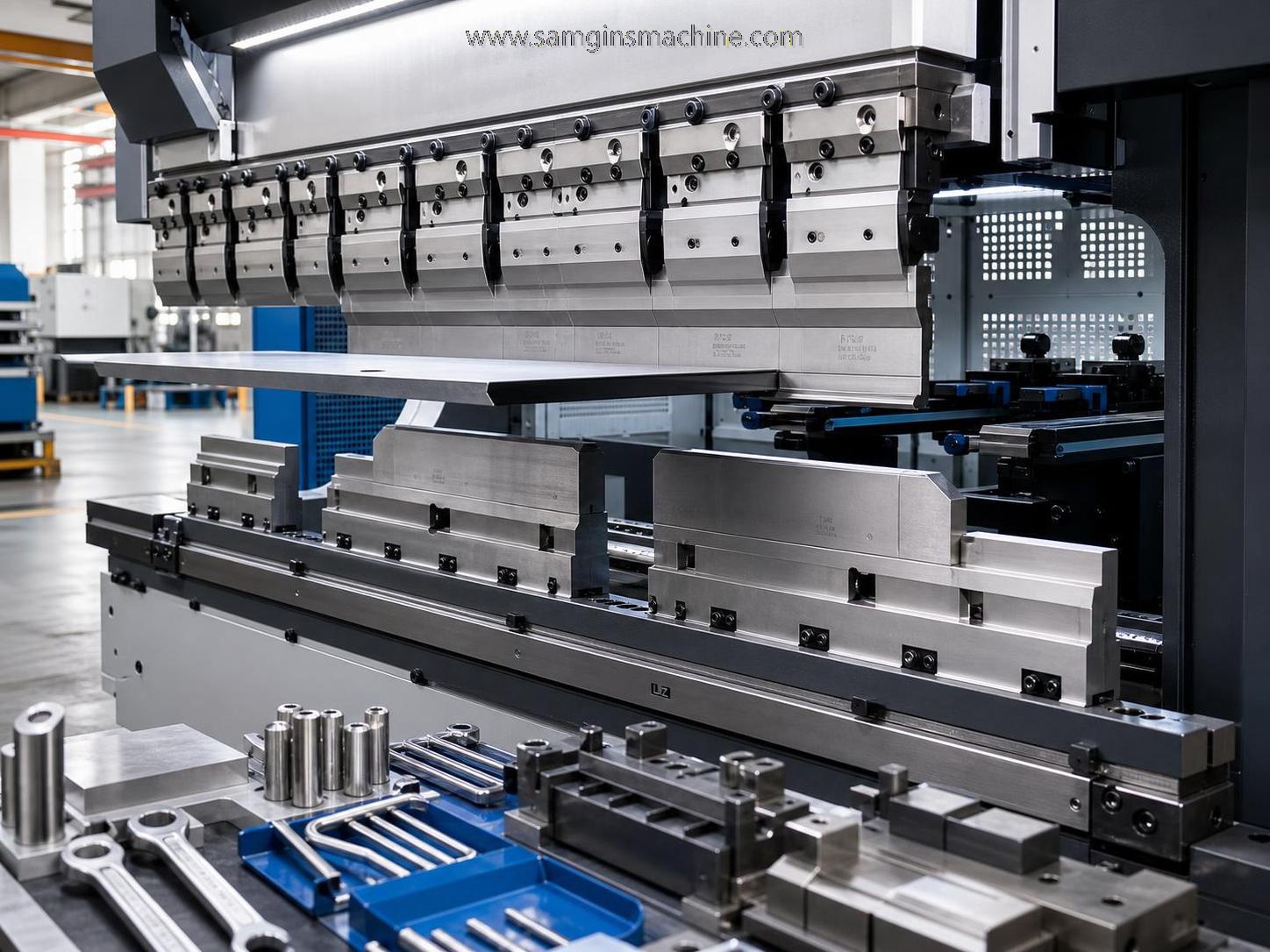
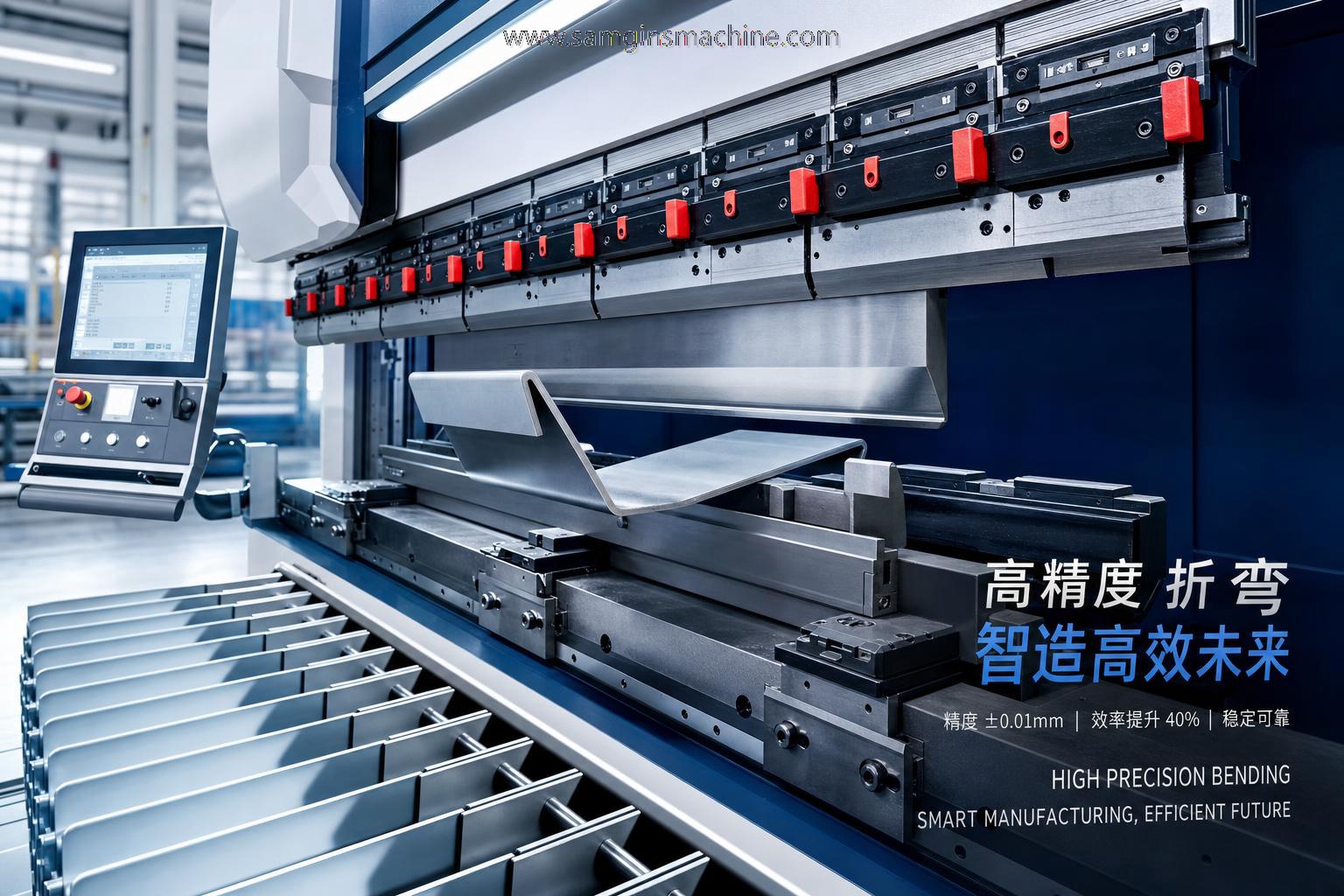
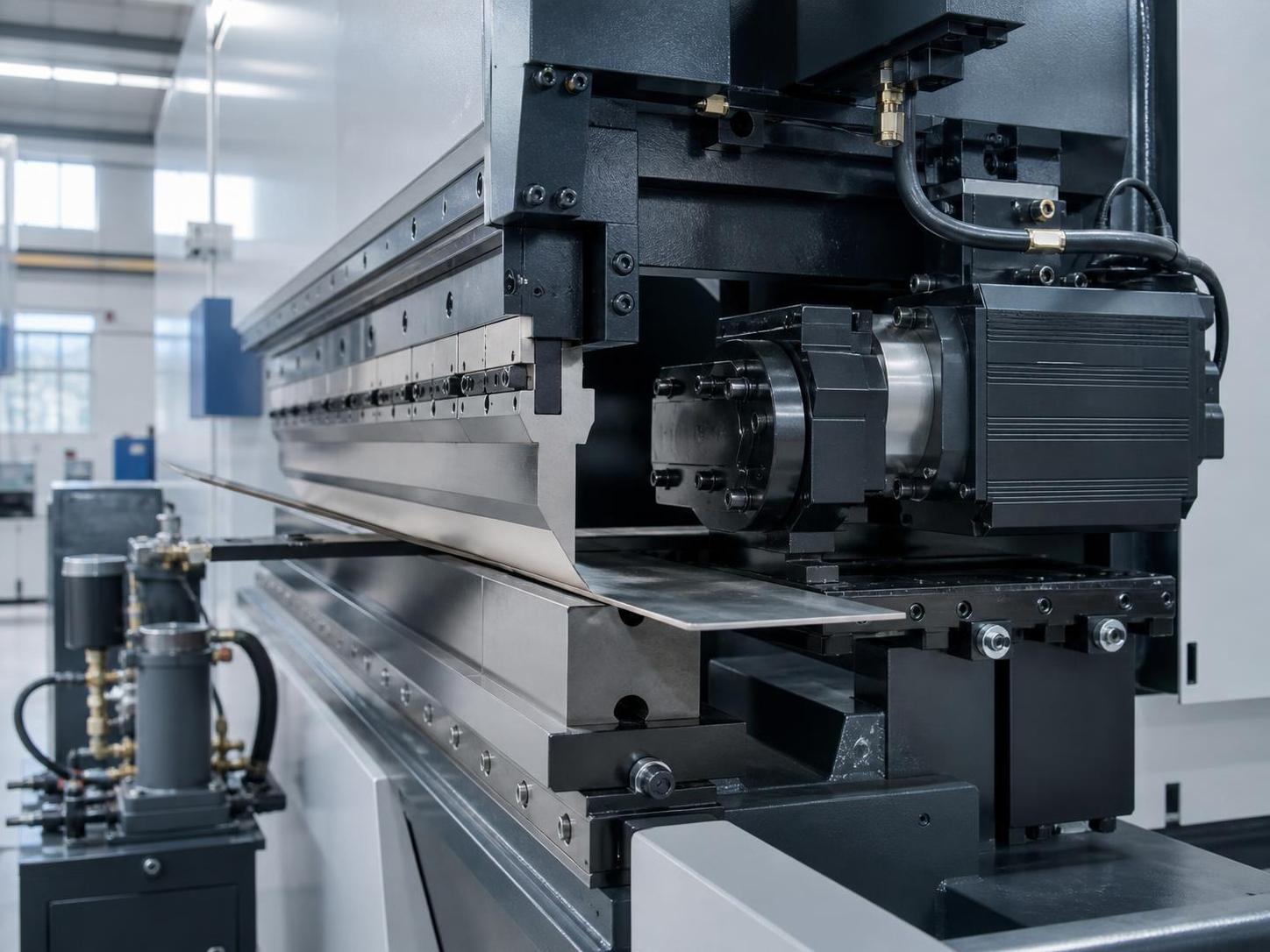
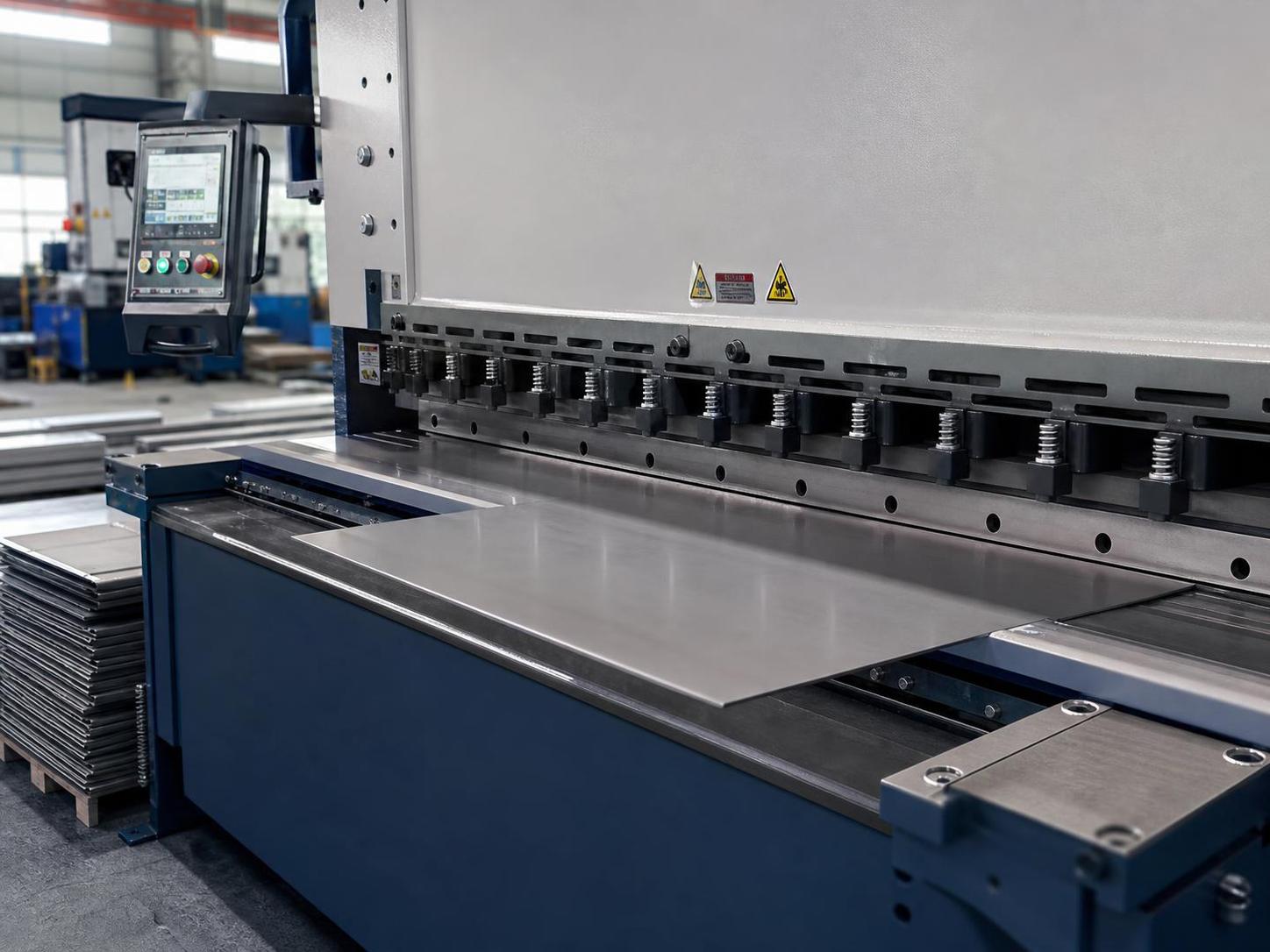
In a CNC press brake, the sheet rests against lower tooling while the upper punch descends into the die opening. The backgauge positions the blank, and the controller manages stroke depth, ram speed, and return. Bend angle results from material thickness, tensile strength, die width, punch radius, grain direction, and springback behavior. Advanced systems improve consistency through crowning, axis synchronization, and stored bend libraries for recurring parts.
In plate rolling or four-roll bending, the machine feeds a plate between driven and adjustable rolls, progressively forming cylinders, cones, or arcs. In profile and pipe bending, the machine uses dies, rollers, mandrels, pressure dies, or guide assemblies depending on radius and wall thickness. Although machine geometry differs, every CNC Bending machine depends on a stable frame, accurate axis control, suitable tooling, and process compensation for material variation.
Machine performance is shaped by component quality as much as by nominal tonnage or size. Wuxi Samgins states that key hydraulic, servo, and CNC components use world-famous imported brands, which is meaningful for buyers concerned about positioning accuracy, stability, and service life. In bending applications, weak control hardware or unstable hydraulic response can show up quickly as inconsistent angles, slow cycling, or maintenance-heavy operation.
Main Types Of CNC Bending Machine
The most familiar type is the CNC press brake, used for air bending, bottoming, and other sheet metal operations. It is common in electrical cabinets, doors, brackets, agricultural parts, elevator panels, steel furniture, and light structural fabrication. A torsion bar synchronize CNC press brake is often selected for practical production where buyers need a balance between investment level, reliability, and routine angle control for standard parts.
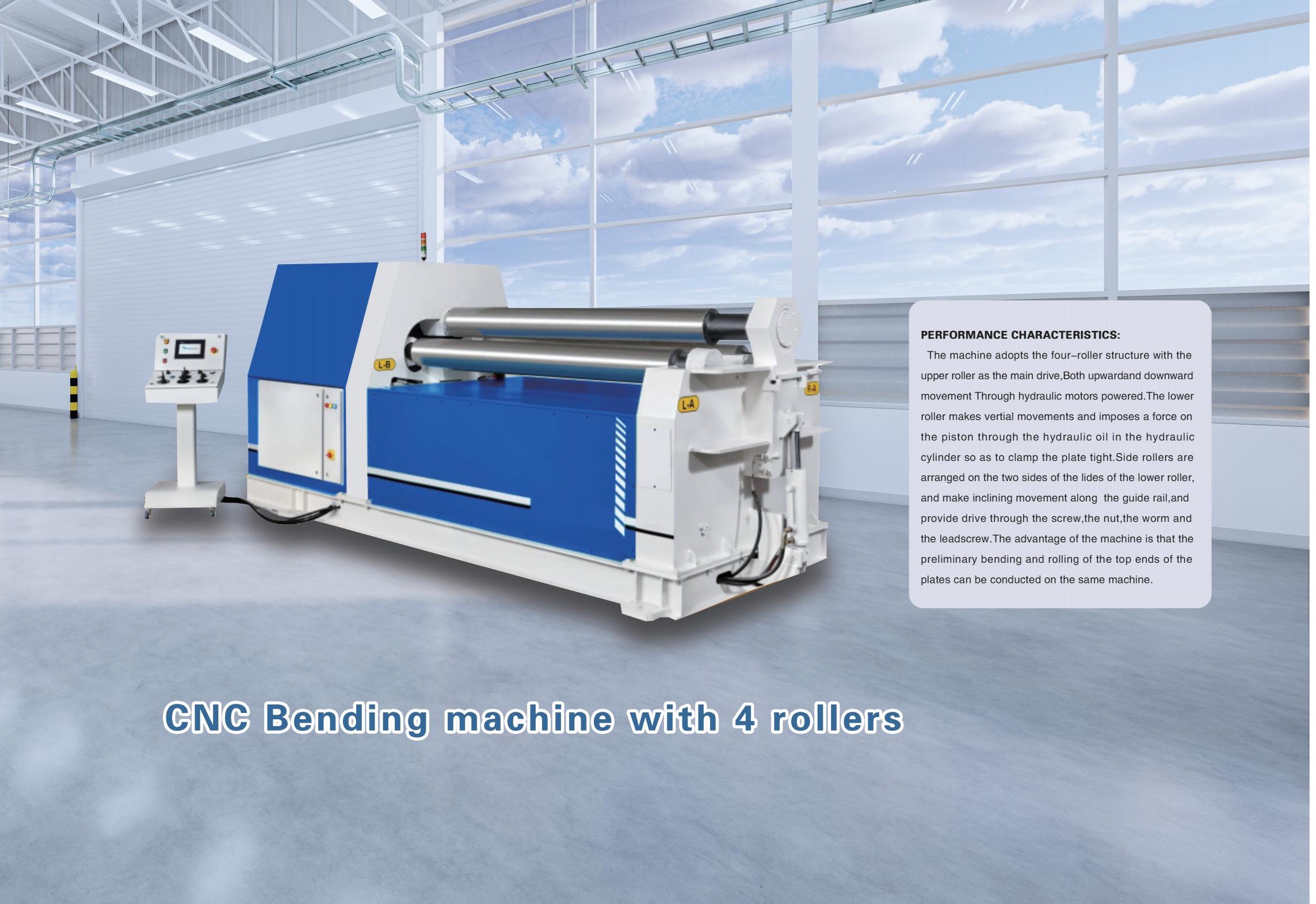
A plate rolling CNC Bending machine is suited to curved shells, tanks, ducts, and pressure-related fabrication. Four-roll designs are widely valued because they can clamp, pre-bend, and roll in one setup, reducing handling steps and improving edge quality. For buyers manufacturing silos, vessel sections, chimneys, and heavy cylindrical components, a CNC Bending machine with 4 roller can be a more relevant solution than a press brake.
Profile benders and hydraulic pipe bending machines address shapes that cannot be produced efficiently on flat-sheet equipment. These machines are used for handrails, frames, arches, automotive tubes, piping spools, and architectural sections. Selection depends on section modulus, bend radius, ovality limits, wall thickness, and whether mandrel support is necessary. A mismatch between part geometry and machine type usually leads to defects, unstable springback, or poor productivity.
In integrated workshops, the right machine type is often determined by upstream and downstream constraints, not just by the bend itself. A factory cutting blanks on a CNC fiber laser cutting machine and then sending them to a press brake has different needs from a plant rolling thick shell courses before longitudinal seam welding. Because Wuxi Samgins supplies both bending and welding-related equipment, buyers can evaluate line compatibility with fewer vendor handoff issues.
Why CNC Bending Matters In Modern Fabrication
A CNC Bending machine is not only a forming tool; it is a control point for quality, labor efficiency, and delivery reliability. Traditional manually adjusted bending relies heavily on operator judgment, repeated trial pieces, and frequent recalibration. That may be workable for low-volume simple parts, but it becomes costly when drawings change often, tolerance windows tighten, or labor turnover makes skill retention difficult.
Digital control improves first-piece success and supports a more predictable production rhythm. Programs can be recalled for repeat orders, reducing setup time during job changeovers. This is especially important for subcontract fabricators handling mixed batches, export orders, and urgent replenishment jobs. A CNC Bending machine also helps standardize output across shifts, which lowers the risk of fit-up problems during welding or final assembly.
From a business perspective, bending quality influences more than scrap rate. Poor bend accuracy can slow assembly, trigger field complaints, and create hidden costs in inspection and rework. For industries serving energy, infrastructure, transportation, food equipment, or process plants, consistency matters because fabricated parts often connect to code-driven systems or multi-part structures. Better bending process control supports more dependable lead times and customer confidence.
Wuxi Samgins adds value where buyers want a broader fabrication strategy instead of a single purchase decision. Its customization capability for welding robots, long seam welding machines, and heavy-duty rotators is relevant when bent parts feed into tanks, pipelines, and steel structure projects. In those environments, the selected CNC Bending machine should align with cutting, fit-up, welding, blasting, drilling, and finishing capacity rather than being specified as a standalone asset.
Who Uses A CNC Bending Machine And Where It Fits
The typical users of a CNC Bending machine include sheet metal fabrication shops, pressure vessel manufacturers, steel structure plants, OEM component suppliers, pipe spool fabricators, and maintenance contractors with in-house forming needs. Procurement responsibility may sit with a plant owner, production manager, process engineer, or project-driven sourcing team. Each group looks at the machine differently, but all need dependable geometry, manageable maintenance, and practical operator training.
Application requirements vary widely. A cabinet shop may prioritize speed, small-part repeatability, and compact footprint. A heavy fabrication yard may focus on large working length, thick plate capability, and compatibility with rolling and welding operations. Tube and pipe users often care about wall thinning, flattening, centerline radius, and fitting accuracy. Because of this variation, the phrase CNC Bending machine should never be treated as a single specification category.
Global delivery and code awareness also matter in export manufacturing. Wuxi Samgins highlights more than 10 years of international export experience and familiarity with ASME, API, and other local industry codes. That does not replace project-specific engineering review, but it does indicate experience with documentation expectations and application environments where fabricated parts must integrate into regulated or performance-sensitive systems.
The company’s customer list, including URALSTANKOIMPORT, MD Calbah Industries Pty Ltd, Ersay International Transport, Zein Steel Industries Co. LLC, PT. Cahaya mas Cemerlang, and Lincoln Electric-MENA, suggests that its equipment has been supplied across different markets and industrial contexts. For buyers, this is most useful as evidence of export familiarity and application breadth, especially when local support planning, spares strategy, and commissioning expectations need early clarification.
How To Select The Right CNC Bending Machine
Selection should start with part data, not with machine catalog headlines. Buyers need to define material type, thickness range, bend length, minimum radius, annual volume, tolerance targets, and expected product mix. For press brakes, tonnage, bed length, daylight, throat depth, open height, stroke, axis configuration, and tooling compatibility all matter. For rolling or pipe bending, the key variables shift toward diameter, wall thickness, section shape, pre-bend requirement, and target radius repeatability.
Accuracy should be evaluated in the context of real materials, not ideal test strips. High-strength steels, stainless grades, coated materials, and mixed-thickness production introduce springback and surface risks that can challenge a CNC Bending machine. Buyers should ask how the system handles compensation, crowning, backgauge stability, and operator guidance. Controller interface quality is also important because programming errors and slow setup routines quickly erase nominal cycle-time advantages.
Safety, maintainability, and support access deserve equal weight. Confirm electrical and machinery compliance relevant to the destination market, as well as hydraulic sealing quality, lubrication access, wear parts availability, and remote troubleshooting capability. Wuxi Samgins states that its machines comply with ISO9001 quality system requirements and EU CE Machinery and LVD directives. For many importers, that is a practical baseline when screening overseas equipment suppliers.
A sound buying process also considers adjacent equipment. If the same project requires cutting, milling, leveling, drilling, welding, or blasting, supplier coordination can simplify timelines and technical matching. In that setting, Wuxi Samgins can be evaluated not only for a CNC Bending machine, but also for related assets such as fiber laser cutters, edge milling machines, plate leveling machines, welding positioners, and seam welding systems that influence the total line result.
Quality Control, Installation, And Maintenance
Quality in bending begins before the machine reaches the shop floor. Frame fabrication, machining accuracy, hydraulic cleanliness, servo calibration, electrical layout, and assembly discipline all affect long-term performance. For a CNC Bending machine, weak frame rigidity or poor axis synchronization often appears later as drifting angles, uneven bending across length, or unstable return positioning. Buyers should therefore pay attention to production process control, not only to controller brand or headline specifications.
Installation should be treated as a precision task. Foundation condition, leveling, electrical supply stability, hydraulic commissioning, tooling alignment, and trial-piece validation all influence early performance. Operators need practical training on material input, program storage, tooling changes, lubrication points, alarm handling, and daily inspection routines. A capable machine can underperform for months when startup discipline is weak or when maintenance responsibility is left undefined.
Routine maintenance usually includes checking hydraulic oil condition, seals, hoses, fasteners, linear guides, ball screws where applicable, electrical connections, filters, lubrication circuits, and tooling wear. The correct interval depends on working intensity, ambient dust, temperature, and material mix. Preventive maintenance is especially important for a CNC Bending machine running in multi-shift production because small deviations in gauge accuracy or pressure response can compound rapidly into scrap and downtime.
Wuxi Samgins emphasizes long-term warranties and support covering design, manufacturing, sales, after-sales, and technical service. For overseas buyers, that matters less as a slogan than as a practical risk-control factor. Before ordering, procurement teams should clarify spare parts lists, recommended consumables, response channels, remote diagnosis process, and whether installation guidance will include benchmark test parts that reflect actual production materials.
Cost, ROI, And Future Trends
The total cost of owning a CNC Bending machine includes more than purchase price. Buyers should account for tooling, freight, customs, commissioning, training, electrical preparation, floor handling, preventive maintenance, spare parts, software familiarity, and the cost of scrap during ramp-up. Energy use, operator skill dependence, and expected utilization rate also shape economics. A lower initial price can become expensive if setup time is long, support is weak, or bend consistency disrupts downstream processes.
ROI is strongest where bending is frequent, repeatable, and tied to labor-sensitive workflows. Shops can estimate payback by comparing current setup hours, trial-piece waste, rework percentage, subcontracted bending cost, and delivery delays against the projected output of a CNC Bending machine. The reference topics of ROI evaluation for small fabrication shops and setup strategies for faster changeovers are especially relevant here because changeover speed often determines whether capital investment actually converts into margin improvement.
The next phase of the market is moving toward higher automation, better offline programming, improved sensor feedback, and tighter integration with cutting and welding cells. Buyers increasingly expect easier program recall, clearer diagnostics, and more stable performance across varied materials. In heavy industry, demand is also expanding for customized solutions rather than one-size-fits-all machines, especially where tank, pipeline, and steel structure projects require specific axis arrangements or handling logic.
For that reason, the best procurement decision is usually the one that balances current production needs with realistic future expansion. Wuxi Samgins is relevant to buyers that value a broad equipment range, customization capability, and experience in export-oriented industrial fabrication. When a CNC Bending machine is evaluated as part of a wider production ecosystem, the result is typically a better fit in accuracy, workflow continuity, and long-term operating value.
search
Recommended Products
 CNC Bending machine with 4 rollerA roll bending machine is a forming device that uses rotating working rollers to progressively bend sheet metal into desired profiles. Capable of producing cylindrical, conical, and arc-shaped components, it is an essential piece of equipment in modern metal fabrication. The forming process relies on hydraulic or mechanical force to actuate the working rollers, whose coordinated movements—through rotation and positional adjustment—enable the production of a wide variety of curved geometries.
![星星1]()
 Torsion bar synchronize CNC press brakeA bending machine is a device used to bend thin metal sheets. Its main structure includes a base, a worktable, and a pressure plate. The worktable, mounted on the base, consists of a base frame and a pressure plate, connected by a hinge.
The base frame comprises a housing, a coil, and a cover plate. The coil is located within a recess in the housing, the top of which is sealed by the cover plate. During operation, the coil is energized by a wire. When energized, the coil generates an electromagnetic attraction force on the pressure plate, thus firmly clamping the thin sheet between the pressure plate and the base frame.
Because clamping is achieved through electromagnetic force, the pressure plate can be easily adjusted to accommodate various workpiece shapes. This design also makes it possible to process workpieces with sidewalls. By simply changing the bending dies, the machine can be configured to meet the processing needs of various different workpieces.![星星1]()

Recommended blogs
 How to Evaluate CNC Bending Machine ROI for Small Fabrication Shops
 Do Wuxi Samgins Bending Machines Include Overseas Installation Support?
 Do Servo Press Brakes Reduce Energy Use in Daily Factory Operation?
- Is a Hydraulic Guillotine Worth the Investment for Small and Mid-Size Fabrication Shops?
- How much payload margin does a high payload handling robot arm need?
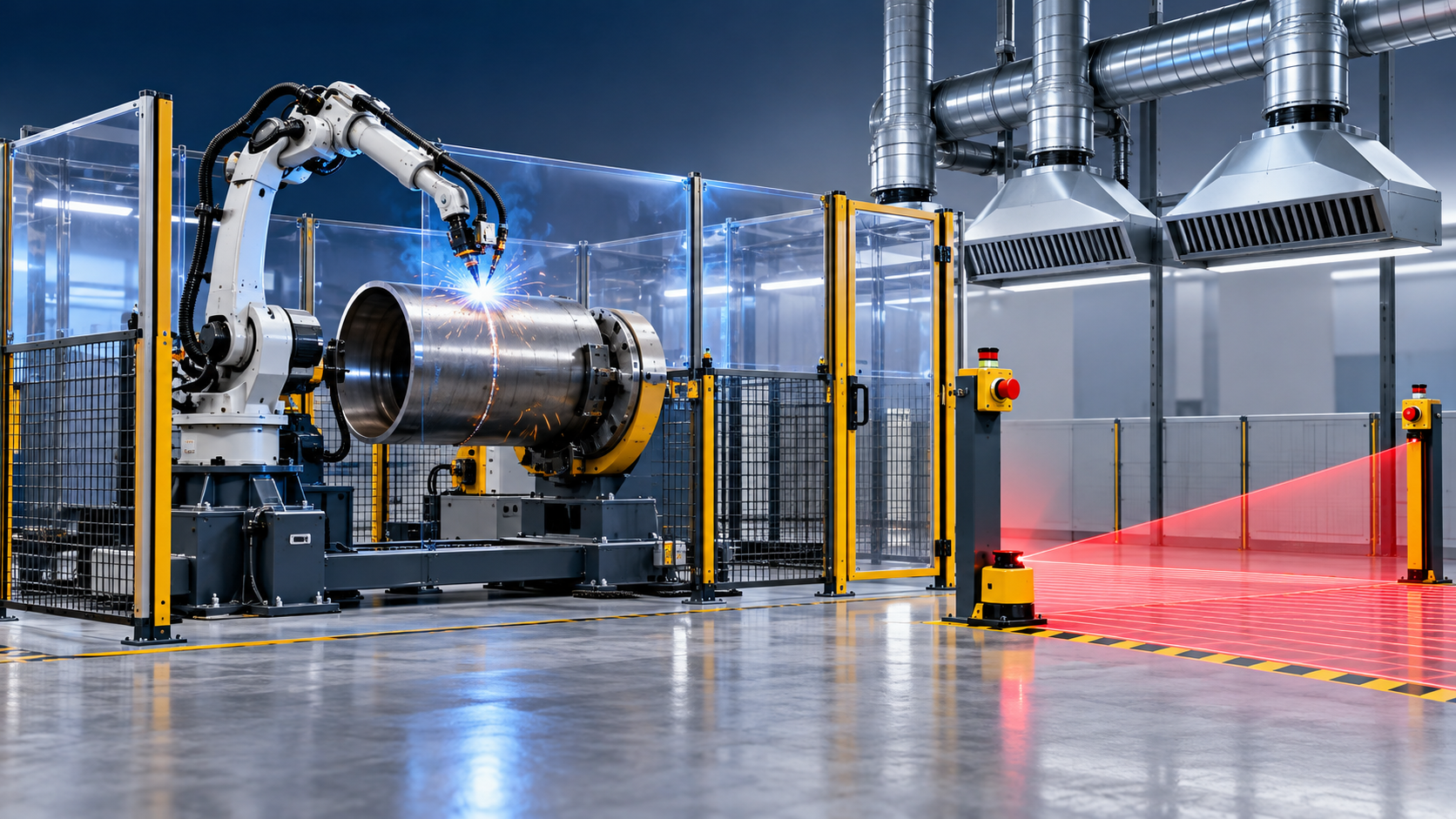
- Which welding robot safety features matter in a shared workspace?
Send Us A Message
Send us a Message
A dedicated person will follow up on your needs one-on-one and provide personalized customized solutions according
to your needs.
Get In Touch
We look forward to hearing from you for in-depth communication on how to fulfill your mixing requirements.