




How to Choose a Laser Cutting Machine for Steel Plate by Thickness and Edge Quality
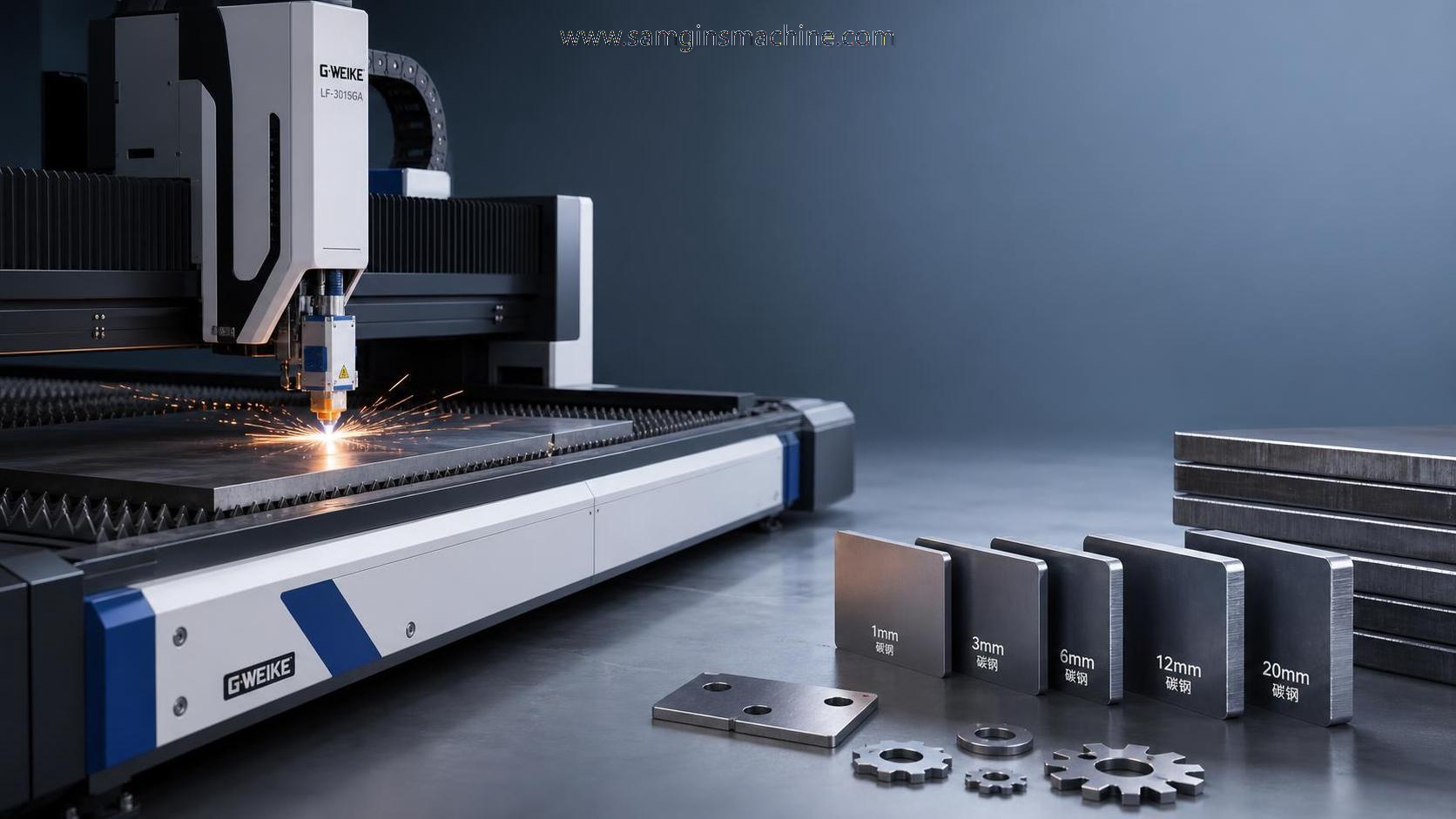
How to Choose a Laser Cutting Machine for Steel Plate by Thickness and Edge Quality
Choosing the right laser cutting machine for steel plate depends on more than power alone.
Plate thickness, edge quality, speed, cost, and stability all affect the final decision.
A machine that looks strong on paper may still underperform in daily production.
That is why selection should start from process demands, not from wattage alone.
This guide explains how to compare a laser cutting machine for steel plate by thickness and edge quality in a practical way.
Start with Steel Type and Thickness Range
The first checkpoint is the real thickness mix in your production plan.
Many buyers focus on the thickest plate, but average thickness matters more for return on investment.
For carbon steel under 6 mm, even mid-power fiber systems often deliver fast and clean cutting.
Between 6 mm and 16 mm, machine power, gas control, and cutting head performance become more critical.
Above 20 mm, stable piercing, taper control, and burr reduction usually separate good machines from average ones.
A laser cutting machine for steel plate should match your normal production window, not only extreme jobs.
A practical thickness grouping
- 1-6 mm: focus on speed, nesting efficiency, and low running cost.
- 6-12 mm: balance speed with reliable edge quality and low dross.
- 12-20 mm: prioritize process consistency, piercing performance, and gas consumption control.
- 20 mm and above: test real samples before purchase decisions.
Define Edge Quality Before Comparing Power
Edge quality is often the hidden driver behind equipment selection.
Some applications only need acceptable separation edges for welding or further machining.
Others require smooth edges, low oxidation, minimal taper, and little secondary finishing.
If edge appearance affects direct assembly, painting, or visible parts, quality standards should be explicit.
This changes how you evaluate a laser cutting machine for steel plate.
Key edge quality indicators
- Surface roughness on the cut edge.
- Burr size at the bottom edge.
- Taper from top to bottom.
- Heat-affected zone and oxidation level.
- Dimensional accuracy after continuous production.
A higher-power source may cut thicker plate, but it does not automatically guarantee better edges.
Nozzle condition, beam quality, controller tuning, and assist gas stability matter just as much.
Match Power to Real Production Demand
Power selection should follow throughput targets and plate mix.
Oversized power increases capital cost and may raise operating cost without clear process gains.
Undersized power creates unstable piercing, slower speed, and more rework on thicker steel plate.
For this reason, a laser cutting machine for steel plate should be tested at your most common thickness levels.
Look Beyond the Laser Source
In actual purchasing, the full system matters more than a single specification.
A strong source paired with a weak motion platform still limits overall performance.
This is especially true when cutting steel plate with mixed thickness and frequent job changes.
A reliable laser cutting machine for steel plate should be judged as an integrated process platform.
Components that strongly affect results
- Cutting head responsiveness and anti-collision protection.
- CNC control quality and parameter management.
- Machine bed rigidity and thermal stability.
- Gas circuit design and pressure consistency.
- Dust removal and slag handling capability.
These factors often decide whether the same nominal power performs well every shift.
They also influence maintenance intervals and long-term production confidence.
Check Secondary Processing Requirements
Selection becomes easier when downstream steps are clearly mapped.
If the steel plate will be welded next, slight roughness may be acceptable.
If parts go directly to bending, coating, or visible assembly, cleaner edges reduce extra labor.
This is where total line thinking becomes useful.
For example, pipe and plate fabrication shops often evaluate cutting and welding together.
In related workflows, equipment such as 12 meter Pipe inside and outside seam welding machine supports batch pipe manufacturing with adjustable speed and welding monitoring.
That kind of process continuity helps reduce bottlenecks between cutting accuracy and later seam quality.
Evaluate Operating Cost, Not Just Purchase Price
A lower initial quote can become expensive after several months of operation.
The real cost of a laser cutting machine for steel plate includes more than the machine itself.
Consumables, assist gas, power usage, downtime, and operator efficiency all shape total cost.
This is especially important for steel plate jobs with frequent thickness changes.
Cost items worth comparing
- Nozzle and protective lens life.
- Nitrogen or oxygen consumption by thickness.
- Piercing time on thicker steel plate.
- Maintenance response and spare parts availability.
- Training quality for programmers and operators.
Better process stability often saves more money than chasing the lowest machine price.
Run a Structured Sample Test Before Final Approval
A sample test should mirror real production conditions.
Do not approve a laser cutting machine for steel plate based only on ideal showroom samples.
Use your own drawings, your own material grades, and your own edge quality standards.
That is the fastest way to expose hidden process limits.
What to test
- At least three common thicknesses and one maximum thickness.
- Small holes, sharp corners, and long contours.
- Continuous cutting over several sheets, not one part only.
- Edge inspection before and after secondary handling.
- Time required for setup and parameter switching.
Choose a Supplier with Process Support
Equipment selection is also a service decision.
A supplier should understand steel plate applications, not only machine configuration sheets.
Wuxi Samgins International Trade Co.,Ltd has focused on mechanical equipment since 2012.
Its portfolio covers laser cutting, welding, CNC machine tools, and other metal processing systems.
ISO9001-based production control and EU CE standards matter when consistency and compliance are required.
More importantly, broad manufacturing experience helps match equipment to actual fabrication needs.
Final Selection Logic
The best laser cutting machine for steel plate is the one that fits your thickness range, quality target, and production rhythm.
It should cut common jobs efficiently, hold stable edge quality, and keep operating cost under control.
A disciplined review usually starts with material thickness, then moves to edge quality, full-system capability, and sample testing.
That approach leads to clearer decisions and fewer surprises after installation.
When comparing options, ask for real cutting data, inspect the edges yourself, and evaluate the machine as part of the whole steel processing workflow.
search
Products Navigation
Send Us A Message