




Laser Cutting Machine for Sale: How to Compare New, Customized, and Ready-to-Ship Options
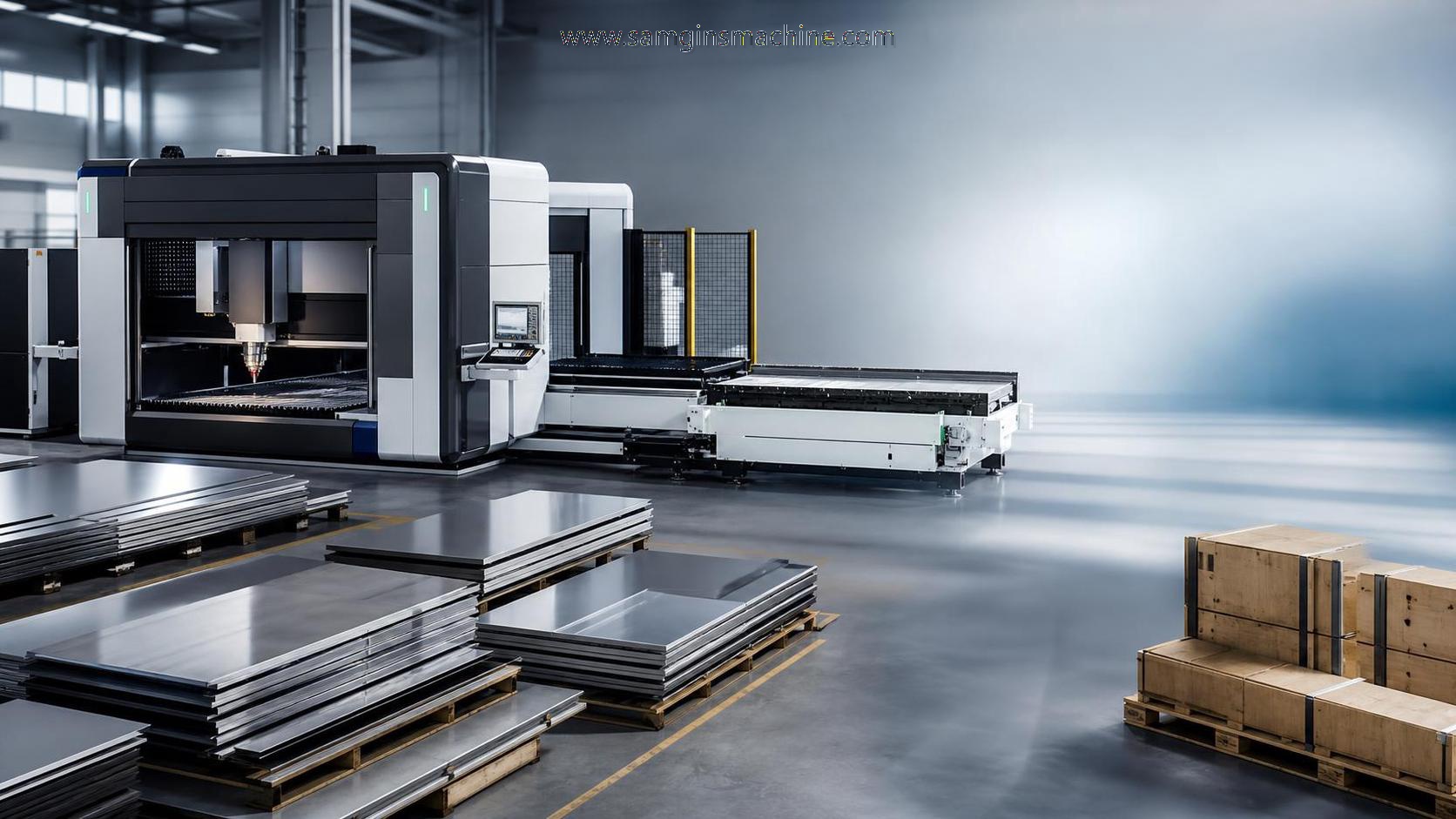
Finding a laser cutting machine for sale is rarely a simple price comparison. In metal fabrication, the better decision usually comes from matching machine type to lead time, workload, material range, and expansion plans. New, customized, and ready-to-ship options each solve a different business problem, and the best choice depends on how production will actually run after installation.
That question matters more now because fabrication lines are expected to deliver faster quoting, shorter delivery cycles, and tighter part consistency. Buyers are no longer comparing only wattage or table size. They are also weighing service support, compliance, operator learning, spare parts access, and whether the machine will still fit demand two years later.
Why the comparison matters in real production
A laser cutting machine for sale can look competitive on paper while creating delays on the shop floor. Delivery windows, software compatibility, and material handling often affect output more than headline specifications.
This is especially true in manufacturing and processing machinery, where a machine is part of a wider workflow. Cutting must connect smoothly with welding, bending, milling, deburring, and final assembly.
Wuxi Samgins International Trade Co.,Ltd has worked in this equipment field since 2012, supplying laser systems, welding equipment, CNC machines, H-beam lines, and related metalworking solutions to overseas markets. That broader equipment background is useful because laser purchasing decisions are rarely isolated. They usually affect the whole production chain.
Three buying paths, three different priorities
When reviewing a laser cutting machine for sale, the three common categories are new standard machines, customized machines, and ready-to-ship machines. Each has a clear place.
New standard machines
A new standard model is usually the most balanced option. It is built to current specifications, carries full support expectations, and avoids the uncertainty of old inventory or retrofitted configurations.
This route works well when the required cutting thickness, sheet size, and automation level are already close to common market standards. It also makes internal approval easier because pricing, documentation, and maintenance planning are more predictable.
Customized machines
A customized laser cutting machine for sale becomes attractive when standard specifications create bottlenecks. Typical reasons include unusual material formats, plant layout limits, integrated loading systems, or special control requirements.
Customization can improve long-term efficiency, but it requires stronger definition at the quotation stage. Mechanical layout, electrical standards, software language, dust collection interface, and training scope should all be confirmed early.
Ready-to-ship machines
Ready-to-ship equipment is about speed. If a plant needs capacity quickly, an available machine can reduce waiting time and help secure urgent orders.
The tradeoff is flexibility. Available stock may not match the ideal power level, table format, or automation package. It is often a practical choice when time pressure is more expensive than specification compromise.
A practical comparison table
A side-by-side review helps clarify where each option creates value.
What deserves closer attention than the selling price
The listed price of a laser cutting machine for sale is only one part of total ownership. More relevant costs often appear after the machine arrives.
- Installation readiness, including foundation, power supply, gas lines, and ventilation.
- Software licensing, nesting functions, and file compatibility with existing design systems.
- Consumables, nozzle life, protective lenses, and gas usage under actual production loads.
- Training depth for operators, programmers, and maintenance staff.
- Response time for spare parts and after-sales troubleshooting.
- Certification expectations, especially ISO9001 process control and CE-related compliance.
In many cases, the cheaper quotation becomes the more expensive machine once downtime, scrap, and delayed commissioning are included.
How different applications shift the decision
Application context should lead the comparison. Thin sheet production, heavy plate work, contract fabrication, and structural steel projects do not place the same demands on a machine.
For repetitive sheet metal jobs, a standard new machine often works well because throughput, nesting efficiency, and stable maintenance cycles matter most. Predictability is usually more valuable than custom engineering.
For mixed workloads or special material dimensions, customization starts to make sense. A line that must connect cutting with downstream welding or beam processing may need modified handling systems or layout coordination.
That is where broader production knowledge becomes useful. A company supplying both laser systems and structural fabrication equipment can better judge how the machine fits the next process. For example, projects involving steel structures, bridges, ships, or heavy machinery often combine cutting with H-beam welding and assembly.
In such environments, related equipment like T type gantry h beam welding machine may be part of the same investment discussion. Its gantry and double-cantilever configurations, 2000mm railway gauge, and support for H-shaped, T-shaped, and special-shaped steel show how downstream welding capacity can influence upstream cutting decisions.
Signals of a strong machine offer
A credible laser cutting machine for sale should come with more than a catalog sheet. Useful offers tend to answer operational questions before they become project risks.
- Clear cutting range by material type and thickness, not only maximum theoretical values.
- Detailed electrical and gas requirements for site preparation.
- Controller brand, software functions, and upgrade path.
- Delivery terms with realistic production and commissioning schedule.
- After-sales structure, including remote support and parts availability.
- Documentation proving quality management and export compliance standards.
When a supplier already exports to Southeast Asia, Europe, the Americas, and Oceania, it usually indicates familiarity with shipping, documentation, and cross-market compliance requirements. That experience reduces friction during procurement and startup.
Where buyers often misjudge the options
One common mistake is choosing a ready-to-ship machine for convenience without checking whether it fits current nesting software, material flow, or factory power conditions. Fast delivery only helps when the machine can enter production quickly.
Another mistake is over-customizing too early. A heavily tailored machine can be the right answer, but only when the production case is stable and the expected return is measurable.
There is also a tendency to compare only machine body specifications. In real use, automation, tracking accuracy, service organization, and process consistency decide whether the investment performs as expected.
This lesson appears across fabrication equipment. For example, structural welding lines that use one-pass dual-workpiece welding, automatic centering, and stepless speed control can sharply improve output and reduce electricity use. Similar thinking applies when selecting laser systems: process stability often matters more than the most aggressive sales specification.
A grounded way to move forward
The right laser cutting machine for sale is the one that matches the actual production plan, not the one with the broadest brochure. Start by defining material mix, thickness range, monthly volume, target lead time, and the next process after cutting.
Then compare new, customized, and ready-to-ship options against those conditions. A short decision matrix usually reveals whether speed, flexibility, or standardization should lead the purchase.
If the project also involves welding, bending, beam production, or other metalworking steps, evaluate the machine within the full line rather than as a standalone asset. That approach leads to fewer compromises and better long-term value.
Before requesting final quotations, it is worth preparing a checklist covering process needs, installation conditions, compliance expectations, service response, and future capacity. That creates a clearer basis for comparing every laser cutting machine for sale under real operating conditions.
search
Products Navigation
Send Us A Message