




Rolling Machine Buying Guide: Key Questions to Ask Before Requesting a Quote
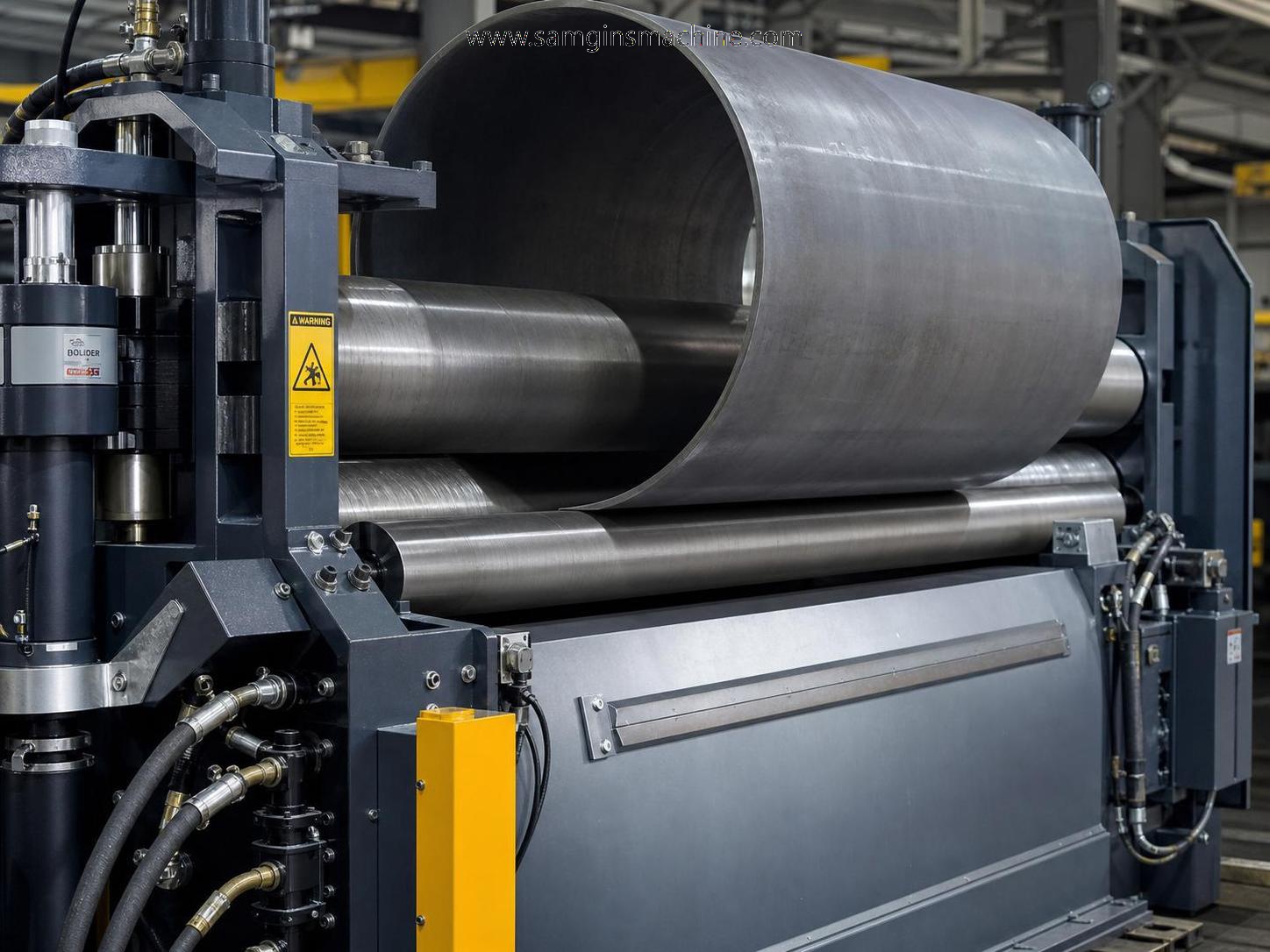
Rolling Machine Buying Guide: Key Questions to Ask Before Requesting a Quote
Choosing the right rolling machine is not only about unit price.
It is about fit, output, accuracy, service life, and total operating cost.
A low quote can become expensive if the machine misses your actual production needs.
That is why the best buying process starts with better questions.
In real purchasing work, clear technical discussions usually shorten lead time and reduce rework.
They also make supplier quotes easier to compare on an equal basis.
Start With Production Reality, Not Catalog Claims
Before asking for a rolling machine quote, define what the machine must do every day.
This sounds obvious, but it is often where budget overruns begin.
Ask these questions first:
- What plate material will be rolled most often?
- What are the maximum and common thickness ranges?
- What width and rolling diameter are required?
- Will the rolling machine run in batches or continuous production?
- How much cone rolling or special forming is involved?
The answer affects machine structure, motor power, roller design, and control level.
A machine sized only for peak thickness may raise cost without improving daily efficiency.
A machine sized too close to the limit may slow output and shorten component life.
Check Capacity Ratings Carefully
Not all rolling machine capacity claims are quoted under the same conditions.
Some suppliers quote mild steel only.
Others quote pre-bending capacity separately from full rolling capacity.
This difference matters when comparing offers.
Ask every supplier to state capacity in the same format:
- Material grade used for the rating
- Plate thickness and width
- Minimum achievable rolling diameter
- Pre-bending edge length
- Need for multiple passes
This creates a clean apples-to-apples comparison.
It also exposes whether a lower-priced rolling machine is actually underpowered for the job.
Ask About Machine Type and Control Level
A major cost driver is machine configuration.
The right choice depends on repeatability, operator skill, and production volume.
Key questions include:
- Do you need a 3-roll or 4-roll rolling machine?
- Is hydraulic control enough, or is CNC required?
- How often will the same part be repeated?
- Will less experienced operators use the machine?
- Do you need automatic compensation for accuracy?
For short runs and simple parts, a basic rolling machine may be enough.
For repeat jobs, tighter tolerances, or labor savings, CNC often pays back faster.
More automation usually means higher purchase cost, but lower variability and setup time.
Look Beyond Price to Total Cost of Ownership
The quoted price is only one part of the decision.
A practical rolling machine evaluation should include total cost of ownership.
Review these cost areas:
- Installation and commissioning
- Operator training
- Tooling or special rollers
- Power consumption
- Routine maintenance parts
- Downtime risk and spare part delivery
This is where supplier strength becomes important.
Wuxi Samgins International Trade Co.,Ltd supplies a wide range of metalworking equipment.
Its portfolio covers rolling, bending, shearing, cutting, welding, milling, and CNC systems.
That broader equipment experience can help match the rolling machine to upstream and downstream processes.
Verify Accuracy, Stability, and Build Quality
A rolling machine is a forming asset, but also a precision asset.
Small errors in frame strength, roller hardness, or control response can affect every finished part.
Ask the supplier for details on:
- Frame design and stress relief process
- Roller material and heat treatment
- Hydraulic and electrical brand selection
- Tolerance performance on typical jobs
- Inspection reports before shipment
This is also the right time to ask about standards.
Production organized under ISO9001 and EU CE requirements adds useful confidence.
It does not replace technical review, but it lowers process risk.
Confirm Workflow Fit Across the Line
A rolling machine rarely works alone.
It usually connects with cutting, beveling, welding, handling, and inspection stages.
That means the quote request should include line-level requirements.
For example, if rolled sections move into welded assemblies, production balance matters.
In some projects, related automation such as an Space frame welding machine can remove the next bottleneck.
The WJ-5500 model supports truss structure welding on steel workpieces.
Its dual-side welding capability helps increase output and maintain balanced weld quality.
Imported PLC control and low maintenance design are useful when process consistency matters.
Even if your current project is only a rolling machine purchase, line compatibility should be reviewed early.
That prevents a new machine from becoming an isolated asset with poor throughput impact.
Request Useful Quote Details, Not Just a Number
A good RFQ for a rolling machine should force clear commercial and technical answers.
Otherwise, the final buying decision stays vague until too late.
Ask suppliers to include the following:
- Detailed rolling machine model and configuration
- Capacity basis and material assumptions
- Included accessories and optional items
- Delivery time and production schedule
- Warranty terms and service response
- Installation scope and training plan
- Packing, shipping terms, and destination support
It also helps to request sample references from similar industries or plate ranges.
Actual project evidence usually tells you more than general brochures.
Use a Simple Comparison Table Before Approval
Final Questions Before You Request a Quote
Before sending the inquiry, pause and check five points.
- Have you defined the real material and thickness range?
- Have you matched rolling machine type to output needs?
- Have you included tolerance and automation expectations?
- Have you asked for full ownership cost details?
- Have you checked supplier quality systems and service ability?
A strong rolling machine purchase decision comes from structured questions, not quick price comparisons.
When the requirements are clear, quotes become more accurate, negotiations become faster, and investment risk drops.
That is the practical way to buy a rolling machine with better cost control and better long-term results.
search
Products Navigation
Send Us A Message